Author Archives: rajani

Quantum representation algorithms for topological and geometric analysis of a surface designed IHMVYSK peptide-mimo based chemo-ligand comprising therapeutic vaccine-like agonistic properties as a potential novel druggable synthetic regulator for future allergic and autoimmune treatment applications

Abstract

Extracting useful information from large data sets can be a daunting task. Topological methods for analysing data sets provide a powerful technique for extracting such information. Persistent homology is a sophisticated tool for identifying topological features and for determining how such features persist as the data is viewed at different scales. Here we present quantum machine learning algorithms for calculating Betti numbers—the numbers of connected components, holes and voids—in persistent homology, and for finding eigenvectors and eigenvalues of the combinatorial Laplacian. The algorithms provide an exponential speed-up over the best currently known classical algorithms for topological data analysis.Abstract: Allergic and autoimmune diseases are forms of immune hypersensitivity that increasingly cause chronic ill health. Most current therapies treat symptoms rather than addressing underlying immunological mechanisms. The ability to modify antigen-specific pathogenic responses by therapeutic vaccination offers the prospect of targeted therapy resulting in long-term clinical improvement without nonspecific immune suppression. Examples of specific immune modulation can be found in nature and in established forms of immune desensitization. Allergic and autoimmune diseases are forms of immune hypersensitivity that increasingly cause chronic ill health. Most current therapies treat symptoms rather than addressing underlying immunological mechanisms. The ability to modify antigen-specific pathogenic responses by therapeutic vaccination offers the prospect of targeted therapy resulting in long-term clinical improvement without nonspecific immune suppression. Examples of specific immune modulation can be found in nature and in established forms of immune desensitization. Targeting pathogenic T cells using vaccines consisting of synthetic peptides representing T cell epitopes is one such strategy that is currently being evaluated with encouraging results. Future challenges in the development of therapeutic vaccines include selection of appropriate antigens and peptides, optimization of peptide dose and route of administration and identifying strategies to induce bystander suppression. Structure-based computational methods have been widely used in exploring protein-ligand interactions, including predicting the binding ligands of a given peptide based on their structural complementarity. Compared to other peptide and ligand representations, the advantages of a surface representation include reduced sensitivity to subtle changes in the pocket and ligand conformation and fast search speed. Peptidomimetics, deriving from structure-based, combinatorial or protein dissection approaches, can play a key role as hit compounds. We believe that using a surface patch approach to better understand protein-ligand interactions has the potential to significantly enhance the design of new ligands for a wide array of drug-targets. Here, in Biogenea we have for the first time generated Quantum representation algorithms for topological and geometric analysis of a surface designed IHMVYSK peptide-mimo based chemo-ligand comprising therapeutic vaccine-like agonistic properties as a potential novel druggable synthetic regulator for future allergic and autoimmune treatment applications.

Keywords

Quantum algorithms, topological, geometric, analysis, surface, representation, peptide-mimo, chemo-ligand, therapeutic, vaccine-like, agonistic, potential, druggable, synthetic, regulator, allergic, autoimmune, treatment, applications; Quantum representation algorithms; topological; geometric analysis; surface designed; IHMVYSK peptide-mimo based; chemo-ligand; therapeutic vaccine-like; agonistic properties; novel druggable; synthetic regulator ; allergic and autoimmune treatment applications.

Oncolytic virus potential Quantum algorithms for topological and geometric analysis of an in silico rational designed adenovirus library displaying random peptide-mimic pharmacophoric ligand supressor comprising viral naive tropism replication-competent pancreatic cancer therapeutic properties

Abstract

Extracting useful information from large data sets can be a daunting task. Topological methods for analysing data sets provide a powerful technique for extracting such information. Persistent homology is a sophisticated tool for identifying topological features and for determining how such features persist as the data is viewed at different scales. A conditionally replicative adenovirus is a novel anticancer agent designed to replicate selectively in tumor cells. However, a leak of the virus into systemic circulation from the tumors often causes ectopic infection of various organs. Therefore, suppression of naive viral tropism and addition of tumor-targeting potential are necessary to secure patient safety and increase the therapeutic effect of an oncolytic adenovirus in the clinical setting. It has also recently been developed a direct selection method of targeted vector from a random peptide library displayed on an adenoviral fiber knob to overcome the limitation that many cell type-specific ligands for targeted adenovirus vectors are not known. In previous studies it has also been further examined whether the addition of a tumor-targeting ligand to a replication-competent adenovirus ablated for naive tropism enhances its therapeutic index. Structure-based drug design is an iterative process, following cycles of structural biology, computer-aided design, synthetic chemistry and bioassay. In favorable circumstances, this process can lead to the structures of hundreds of protein-ligand crystal structures. In addition, molecular dynamics simulations are increasingly being used to further explore the conformational landscape of these complexes. Currently, methods capable of the analysis of ensembles of crystal structures and MD trajectories are limited and usually rely upon least squares superposition of coordinates. Novel methodologies are described for the analysis of multiple short linear motif like peptide structures of a protein-drug active binding conserved site. Statistical approaches that rely upon residue equivalence, but not superposition, are developed as chemogenomic informatic tasks can be performed includinig the identification of hinge regions, allosteric conformational changes and transient binding sites identified by Oncolytic virus potential Quantum algorithms for topological and geometric analysis of an in silico rational designed adenovirus library displaying random peptide-mimic pharmacophoric ligand supressor comprising viral naive tropism replication-competent pancreatic cancer therapeutic properties.

Keywords

Quantum algorithms, topological, geometric, analysis, in silico, rational, adenovirus library, displaying, random, peptide-mimic, pharmacophoric, ligand, supressor, vira,l naive, tropism, comprising, replication-competent, Oncolytic, virus, potential, therapeutic, properties pancreatic, cancer.

Biomarker Tests and Ageing Science

DOI: 10.31038/ASMHS.2017112

Short commentary

Major interests in geriatric medicine have accelerated with diet and lifestyle changes that may stabilize mitochondrial apoptosis [1,2] and organ diseases in these communities. Geriatrics are susceptible to the global increase in chronic diseases with diabetes and neurodegenerative disease predicted to effect and determine the increased death rate of the geriatric population in the next 40 years. A defect in a single gene [3] versus multi gene effects may be responsible for accelerated ageing connected to mitochondrial apoptosis and programmed cell death with relevance to insulin resistance and the increased death rate in geriatrics. In the United States and Europe the geriatric population (> 65 years) is expected to double by the year 2060 with the death rate in the European Union in the geriatric population to be greater than 80% when compared with individuals < 65 years [4, 5].

The science of ageing has become of critical interest [6] and the anti-ageing market now relevant to geriatric medicine with nutritional diets and lifestyles changes that may stabilize mitochondrial apoptosis [7] and organ diseases in these communities. The assessment of healthy ageing has created several difficulties with interpretation from various biomarker studies that biomarker analysis may not necessarily translate to diagnosis. Comprehensive review of the literature have been conducted with biomarkers that may be relevant to five age related domains and include physical/cognitive capability, physiological/musculoskeletal, endocrine and immune functions [8]. The comprehensive assessment of these biomarkers may allow interpretations of the science of ageing but may not allow the diagnosis of programmed cell death with mitophagy as the inevitable defect in the geriatric population. Biomarkers that may allow diagnosis of various mental health conditions have become of major importance in psychiatry [8] but still present a major challenge to psychiatry research. Extensive analysis of biomarkers [8] now hypothesize that both genetic and non-genetic factors determine the different patterns of ageing and extensive new biomarker tests are required to interpret healthy ageing from accelerated ageing science [8].

Environmental factors such as stress, anxiety and depression are important to consider in many communities with the global increase in chronic diseases [12-14] and brain metabolic diseases associated with malfunction of the gene Sirtuin 1 (Sirt 1) that regulates immunometabolism [15]. Analysis of biomarkers may indicate immunometabolism disorders [16] with epigenetic alterations and autoimmunity disorders (Figure 1) that may supersede the connections between plasma biomarkers related to accelerated ageing in geriatric disease [17] and ageing science. The stress sensitive gene Sirt 1 [14] may be completely repressed in these individuals with the defective immune system related to heat shock protein (HSP) metabolism, autoimmunity and mitophagy (Figure 1). Stress and HSP are closely connected to cell survival [18,19] and Sirt 1 repression leads to an elevation of plasma HSP in man [7,20]. Sirt 1 may be the major gene that has malfunctioned under various genetic and stress conditions associated with autoimmune disease [21-24] and mitophagy [7, 25] connected to geriatric disease and ageing science.

In the developing world the projected cost for chronic disease [26] is predicted to increase to 100 billion dollars by the year 2020 with the increased involvement of diseases such as diabetes, cardiovascular disease and neurodegenerative diseases. The developing world is a model for the assessment of the stress sensitive gene Sirt 1 with the importance of plasma Sirt 1 biomarker analysis connected to various chronic diseases. In these individuals the increased plasma bacterial lipopolysaccharides (LPS) levels may repress Sirt 1 [27] with reduced plasma Sirt 1 levels [28-29] and increased HSP levels [7, 18-20] in these individuals connected to programmed cell death.

Conclusion

Ageing science has now become important to geriatric medicine with nutritional diets and lifestyles changes critical to maintain mitochondrial survival with the prevention of various chronic diseases. Healthy ageing assessment require billion dollars in cost for the treatment of future chronic disease and interpretation from several plasma biomarker analysis that do not diagnose immunometabolism defects have created problems with uncontrolled accelerated ageing connected to the global chronic disease epidemic.

Acknowledgements

This work was supported by grants from Edith Cowan University, the McCusker Alzheimer’s Research Foundation and the National Health and Medical Research Council.

ASMHS2017-102Australia_f1

Figure 1. The science of ageing requires improved diagnostic technologies to determine biomarkers for autoimmune disease and mitophagy. The stress sensitive gene Sirt 1 is one of the major gene defects that is related to programmed cell death and accelerated ageing with the analysis of other biomarkers insensitive to the progression of early chronic disease.

References

  1. Martins IJ (2016) Early diagnosis of neuron mitochondrial dysfunction may reverse global metabolic and neurodegenerative disease. Glob J Med Res 2: 1–8.
  2. Payne BA, Chinnery PF (2015) Mitochondrial dysfunction in aging: Much progress but many unresolved questions. Biochim Biophys Acta 1847: 1347–1353. [crossref
  3. Martins IJ (2017) Single Gene Inactivation with Implications to Diabetes and Multiple Organ Dysfunction Syndrome. J Clin Epigenet. (3): 24.
  4. Causes_of_death_statistics_-_people_ over_65
  5. Administration on Aging (AoA)s
  6. Halldór Stefánsson (2005) The science of ageing and anti-ageing. EMBO Rep 6 (Suppl 1): S1–S3.
  7. Martins IJ (2017) Regulation of Core Body Temperature and the Immune System Determines Species Longevity. Curr Updates Gerontol 1: 6.1.
  8. Kenessary A, Zhumadilov Z, Nurgozhin T, Kipling D, Yeoman M, et al. (2013) Biomarkers, interventions and healthy ageing. N Biotechnol 30: 373–377. [crossref
  9. Boksa P (2013) A way forward for research on biomarkers for psychiatric disorders. J Psychiatry Neurosci38: 75–77. [crossref]
  10. Lara J, Cooper R, Nissan J, Ginty AT, Khaw KT, et al. (2015) A proposed panel of biomarkers of healthy ageing. BMC Med 13: 222. [crossref]
  11. Sebastiani P, Thyagarajan B, Sun F, Schupf N, Newman AB, et al. (2017) Biomarker signatures of aging. Aging Cell 16: 329–338. [crossref]
  12. Ising M, Holsboer F (2006) Genetics of stress response and stress-related disorders. Dialogues Clin Neurosci 8: 433–44.
  13. Klengel T, Binder EB (2015) Epigenetics of Stress-Related Psychiatric Disorders and Gene × Environment Interactions. Neuron 86: 1343–1357. [crossref]
  14. Martins IJ. Nutritional diets accelerate amyloid beta metabolism and prevent the induction of chronic diseases and Alzheimer’s disease. J Clin Endocrino. Metab. Photon ebooks.
  15. Martins IJ (2017) Defective Interplay between Adipose Tissue and Immune System Induces Non Alcoholic Fatty Liver Disease. Updates Nutr Disorders Ther 1: 3.
  16. Mathis D, Shoelson SE (2011) Immunometabolism: an emerging frontier. Nat Rev Immunol 11: 81. [crossref]
  17. Martins IJ (2016) Geriatric Medicine and Heat Shock Gene Therapy in Global Populations. Curr Updates Gerontol 1: 1–5.
  18. Beere HM (2004) “The stress of dying”: the role of heat shock proteins in the regulation of apoptosis. J Cell Sci117: 2641–2651. [crossref]
  19. Feder ME, Hofmann GE (1999) Heat-shock proteins, molecular chaperones, and the stress response: evolutionary and ecological physiology. Annu Rev Physiol 61: 243-282. [crossref]
  20. Martins IJ (2016) Type 3 diabetes with links to NAFLD and Other Chronic Diseases in the Western World. International Journal of Diabetes 1: 1–5.
  21. Genetics and Stress: Is There a Link? Beyond Genes: Epigenetics Can Stress Modify Our Genes? Does Stress make our cell age faster.
  22. Stojanovich L, Marisavljevich D (2008) Stress as a trigger of autoimmune disease. Autoimmun Rev7: 209–213. [crossref]
  23. Stojanovich L (2010) Stress and autoimmunity. Autoimmun Rev9: A271-276. [crossref]
  24. Grolleau-Julius A, Ray D, Yung RL (2010) The role of epigenetics in aging and autoimmunity. Clin Rev Allergy Immunol 39: 42–50. [crossref]
  25. Martins IJ (2017) The Future of Biomarkers Tests and Genomic Medicine in Global Organ Disease. Arch Infect Dis Ther 1: 1–6.
  26. Nugent R1 (2008) Chronic diseases in developing countries: health and economic burdens. Ann N Y Acad Sci 1136: 70–79. [crossref]
  27. Mariani S, Fiore D, Basciani S, Persichetti A, Contini S, et al. (2015) Plasma levels of SIRT1 associate with non-alcoholic fatty liver disease in obese patients. Endocrine 49: 711–716. [crossref]
  28. Kumar R, Chaterjee P, Sharma PK, Singh AK, Gupta A, et al. (2013) Sirtuin1: a promising serum protein marker for early detection of Alzheimer’s disease. PLoS One 8: e61560. [crossref]
  29. Mariani S, Fiore D, Persichetti A, Basciani S, Lubrano C, et al. (2016) Circulating SIRT1 Increases After Intragastric Balloon Fat Loss in Obese Patients. Obes Surg 26: 1215–1220. [crossref]

Aging: Time, Timing, Genetics, and Environment

DOI: 10.31038/ASMHS.2017111

Editorial

Time and timing represent some of the most influential aspects of human and animal life. Defining time has historically been, and continues to be, one of the toughest challenges for the minds of philosophers, theologians, physicists, biologists, and lay people [1-3]. Although the definition of time is a “hard problem” in philosophy, and philosophy of science in particular, and an exhaustive description of it is far from being proposed, the experience of time and timing is a very common one. We need to be on time for an appointment, music is essentially timing, circadian rhythm is about different temporal phases of our day, seasons have timing, human history is a continuous series of relevant and less relevant timed events.

In a neurobiological perspective, timing is about spatio-temporal coordination of events beginning from the moment of conception until to the end of life. While the concept of timing in neuroembriology and brain development in general, seems to be easier to grasp, and in fact it finally started to be considered by researchers as an essential aspect to consider to better understand highly complex genetic and neuroanatomical events of the central nervous system (CNS) during its formation [4-6], an operational concept and definition of timing during aging has been instead, much less considered. Investigating specific genetic, neuroanatomical, neuroplasticity, and long-term environmental aspects that could model human brain function and neuroanatomical structures (?) during the last temporal phases of human life has received much less attention.

Importantly, focusing on the molecular mechanisms (and at a larger scale at clinical level as well) of timing aspects in an older brain imply also to take in account that the CNS is part of an organism with other apparatuses and systems that are integrated (with their own timings) to each other and that can have functional consequences on each other.

A series of fundamental questions still remain unanswered, for example: what is the timing of those molecular phenomena determined by gene activations and “residual?” neuroplasticity capacities in a centenarian brain? Are there “pathologic experiences” during in-utero life that could be temporarily buffered (for example, thanks to neuroplasticity and adaptive/compensatory synaptic capacities of the human CNS – with possible additional positive effects from the interaction of the CNS with beneficial environmental stimulation such as education, physical and intellectual exercising, and other) and so determine a clinically normal brain functioning during infancy, youth and early adulthood, but that can later manifest (or re-manifest) at different levels of clinical severity (e.g. from isolated cognitive disorders such as mild cognitive impairment (MCI) to dementia – e.g. Alzheimer’s disease or Parkinson’s disease)? Which are the relative biological influence, or intrinsic biological power, of programmed (genetic) and non-programmed (environment, traumatic brain injury, unbalanced nutrition, etc.) factors? How can those factors be reliably quantified at clinical level?

Albert Einstein defined time as a quantity [7], but which are the effects of those temporal quantitative aspects on the human brain? Is aging a neurodevelopmental timing going backwards as to infancy? Which are the temporal (and neuroanatomical?) synchronized events in relationship to those genes determining those peculiar biological (neuronal) events characterizing the period of life that we conventionally termed aging? Is longevity a question of biological timing? If so, which are the internal “clocks” that establish that timing?

At the beginning of this new editorial adventure, we ought to receive investigations describing these fascinating aspects of human life: time, timing, genetics and environment as interplay of events across the lifespan, and especially across the brain lifespan.

Giving the opportunity to either senior and junior investigators in the field of aging to submit their scientific works to our new journal will potentially offer the tremendous opportunity to contribute to a more detailed understanding of human biology during aging [8-10], and especially the biology of the brain during human aging, and so shed light on the mysteries of this still so unknown and surprising organ.

References

  1. St. Augustine, Confessions (2012) Simon & Brown Publishers.
  2. Martin Heidegger (1962) Being and Time. Translated by John Macquarrie & Edward Robinson. London: SCM Press, United Kingdom.
  3. Clarke EF (1999) Rhythm and Timing in Music, in: Diana Deutsch (ed.), Psychology of Music, 2nd (edn) University of California, San Diego, USA: pp 473–500.
  4. Sarnat HB, Philippart M, Flores-Sarnat L, Wei XC (2015). Timing in neural maturation: arrest, delay, precociousness, and temporal determination of malformations. Pediatr Neurol 52: 473–486. [crossref]
  5. Acosta M, Gallo V, Batshaw ML (2002) Brain development and the ontogeny of developmental disabilities. Adv Pediatr49: 1–57. [crossref]
  6. Hua JY, Smith SJ (2004) Neural activity and the dynamics of central nervous system development. Nat Neurosci 7: 327-332. [crossref]
  7. Einstein A (1916) Relativity: The Special and General Theory (Translation 1920) New York: H. Holt and Company, USA.
  8. Jin K (2010) Modern Biological Theories of Aging. Aging Dis 1: 72–74. [crossref]
  9. Jones OR, Vaupel JW (2017) Senescence is not inevitable. Biogerontology Aug 28. [crossref]
  10. Greenberg E, Vatolin S (2017) Symbiotic origin of aging. Rejuvenation Res. [crossref]

Relapse of Graves’ Disease Thirty-Two Years After Treatment with Radioactive Iodine

DOI: 10.31038/EDMJ.2017132

Abstract

Background: Relapse of Graves’ disease (GD) after a prolonged period of radioactive iodine (RAI)-induced hypothyroidism is very unusual. We report a case of GD with the longest time-to-relapse so far published, i.e. 32 years after therapy with RAI.

Case Presentation: A 69-year-old woman was referred in 2016 for evaluation of hyperthyroidism. Her history was significant for GD diagnosed at the age of 37. A RAI uptake and scan in 1984 showed an increase uptake of 72% at 24 hours in a diffusely enlarged gland with no focal lesions. She was treated with 9 mCi of I-131 and was rendered hypothyroid requiring levothyroxine therapy. Her hyperthyroidism work-up in 2016 confirmed the first known relapse of her GD. Her thyroid-stimulating hormone level was suppressed at 0.005 uU/mL (0.400 – 5.500 uU/mL), free thyroxine level was elevated at 2.9 ng/dL (0.7 – 1.8 ng/dL), and a RAI uptake and scan showed an increase uptake of 55% at 22 hours. She was retreated with 10.44 mCi of I-131 therapy, and was rendered hypothyroid again.

Conclusion: We report the longest time-to-relapse of GD post-hypothyroidism induced by RAI so far published, i.e. 32 years. Further research is needed to discern the pathophysiology underlying this relapse.

Key words

Graves’ disease; Hyperthyroidism; Relapse; Radioactive iodine; Thyroid regeneration

Introduction

Graves’ disease (GD) is the most common cause of hyperthyroidism with an annual incidence of up to 50 cases per 100,000 persons. Radioactive iodine (RAI) therapy has been used in GD for several decades [1]. Persistence or recurrence of GD is occasionally encountered in the immediate post-RAI therapy phase and is likely due to incomplete thyroid tissue ablation. Relapse of GD after a prolonged period of RAI-induced hypothyroidism or achievement of long-term euthyroidism, however, is very unusual. Here, we report the longest case so far published of relapsed GD 32 years post-RAI treatment with a hypothyroid phase in the interim necessitating levothyroxine therapy.

Case Presentation

A 69-year-old woman was referred in June 2016 for evaluation of hyperthyroidism. She presented with complaints of weight loss, heat intolerance, hair loss and insomnia for several months. Her past medical history was significant for GD diagnosed in 1984. Back then, she had presented with a few months’ history of heat intolerance, diarrhea and palpitations. Her exam was notable for a diffusely enlarged thyroid gland with an estimated weight of more than 30 grams. Her work-up in 1984 was remarkable for elevated free thyroxine index (FTI) at 17.7 ug/dL (reference range: 6.0 – 11.0 ug/dL). A radioactive iodine uptake and scan showed an uptake of 72% at 24 hours and the gland was diffusely enlarged with no focal lesions consistent with GD. She was treated with 9 mCi of I-131 and was rendered hypothyroid requiring over 10 years of levothyroxine therapy. Her thyroid-stimulating hormone (TSH) was documented at levels as high as 10.05 uU/mL (reference range: 0.400 – 5.500 uU/mL) in the setting of intermittent non-adherence to levothyroxine therapy between 1985 and 2016.

Her family history was significant for hyperthyroidism in mother, daughter and maternal aunt. She denied any history of tobacco use. Physical examination upon evaluation in June 2016 showed normal vital signs with a BMI of 34.77 kg/m2. She had mild right eye proptosis that was not previously noted. Her thyroid gland was slightly enlarged, with an estimated weight of 25 grams.

Her lab work in June 2016 was significant for suppressed TSH of 0.005 uU/mL and elevated free thyroxine (FT4) of 2.9 ng/dL (reference range: 0.7 – 1.8 ng/dL). She had been off her thyroid hormone therapy for several months at this point. A thyroid ultrasound demonstrated a heterogeneous, slightly enlarged gland with an inferior right lobar cystic nodule, measuring 9 x 9 x 6 mm (L x W x AP diameter). A thyroid uptake and scan showed homogenous increased uptake of 55% at 22 hours (normal 10-30% at 24-hours) consistent with GD. The patient received a second dose of 10.44 mCi of I-131 therapy in 2016. Subsequent blood work 2 weeks after I-131 therapy demonstrated a decline in FT4 levels from a pre-treatment level of 2.9 ng/dL to a post-treatment level of 1.8 ng/dL. Thyroid function testing two months after RAI treatment revealed an elevated TSH of 16.380 uU/mL, and a low FT4 of 0.2 ng/dL. The patient was restarted on levothyroxine therapy.

Discussion

Relapse of Graves’ hyperthyroidism after RAI-induced hypothyroidism is unusual. Here we report a case of GD with the longest time interval-to-relapse so far published, i.e. 32 years after therapy with I-131, with a hypothyroid phase in the interim that necessitated levothyroxine therapy. In this case, thyroid-stimulating immunoglobulins (TSI) were not obtained as the radioactive iodine uptake and scans were consistent with GD meeting 2016 American Thyroid Association (ATA) guidelines for diagnosis of GD [2,3]. Previously, the longest reported cases of relapsed GD post-RAI induced hypothyroidism were published by Hegele et al. and Tan et al. in 1985 and 1995 respectively. The former presented a case with persistently high levels of TSI who had a relapse of his GD after 23 years of 1-thyroxine therapy post-I-131 hypothyroidism [4]. The latter reported a recurrence of GD in a 90-year-old woman after 22 years of levothyroxine therapy post a 9 mCi ablative dose of I-131 [5]. While relapses of hyperthyroidism shortly after RAI therapy is likely due to incomplete thyroid ablation, this mechanism would be unlikely to explain the relapse of disease several decades later. In this report, we explore a few novel mechanisms underlying the pathogenesis of these rare long-term relapses.

The mechanisms underlying long-term relapses of GD after thyroid ablation have not been fully elucidated, primarily due to scarcity of such cases. A few animal models that simulated the process of thyroid regeneration after its destruction has shed some light on possible pathogenesis of relapses of GD. In the first animal model, experimental mice underwent semi-total partial thyroidectomies (one lobe and 2/5 of the other lobe were resected). In response to a marked decrease in thyroid function, there was an increase in the number of clear, immature cytoplasmic cells expressing 5-bromo-2’-deoxyuridine (BrdU), a synthetic nucleoside incorporated into dividing cells and marker of active cell proliferation, in the residual thyroid tissue. Investigators hypothesized that, in response to the stress of surgery, the residual follicular thyrocytes transform into less differentiated clear cytoplasmic cells and subsequently proliferate and differentiate into mature, functional thyrocytes [6]. Whether a similar mechanism exists for tissue regeneration post-RAI ablation is yet unknown.

In another thyroid regeneration mouse model, Experimental Autoimmune Thyroiditis (EAT) mice underwent complete destruction of their follicular architecture by injection of thyroglobulin (Tg) and subsequent induction of endogenous Tg antibodies. A stem cell marker, Oct-4 mRNA, was detected at baseline suggesting the presence of thyroid stem cells among the mature thyrocytes. After an acute destructive period induced by Tg antibodies, the murine thyroid gland demonstrated a remarkable capacity for tissue regeneration. There was an increase in BrdU expression suggesting active cell proliferation and concomitant decrease in Oct-4 as the follicles regenerated, elucidating an essential role of pre-existing thyroid stem cells in the regeneration of the thyroid [7].

Although both models emphasize the roles of dedifferentiated thyrocytes and pre-existing stem cells in the regeneration of the thyroid, there may also be a role for differentiated, remnant thyrocytes in the relapse of GD. Remnant thyrocytes that remained viable, but at concentrations insufficient to present clinically with euthyroidism or hyperthyroidism, may have hypertrophied under the influence of chronically elevated TSH levels, in the setting of intermittent non-compliance to levothyroxine therapy. It is well known that in patients with chronic autoimmune thyroiditis, increase in circulating TSH plays a significant role in the development of their goiter. Suppression of TSH by administration of thyroid hormone, on the other hand, has been shown to decrease goiter size [8]. Therefore, it is plausible that the elevation in TSH levels overtime may have stimulated remnant follicular cells, resulting in gland hypertrophy and overproduction of endogenous thyroid hormones.

It is also possible that an elevated TSI level may have also contributed to the hypertrophy of gland overtime. Additionally, a change in the conformational specificity of TSI overtime, resulting in higher affinity to the thyroid-stimulating hormone receptor (TSHR), may also play an important role in the overgrowth of residual differentiated thyrocytes and subsequent relapse of GD [9]. Finally, an acquired gain-of-function mutation within TSHR gene or adenylate cyclase-stimulating G α protein gene, a downstream signal in the TSHR pathway, could also explain relapse of GD. Although plausible, such mutations would more likely result in patchy, nodular overgrowth, similar to what has been described in development of toxic thyroid nodules, rather than a diffusely-enlarged gland [10]. Whether these mutations could develop as long-term sequelae of radioiodine exposure is unknown.

Conclusions

We reported a case of GD that relapsed 32 years after initial treatment with RAI-therapy with a documented hypothyroid phase in the interim that necessitated levothyroxine therapy. The mechanism behind this relapse is not fully understood. Further basic science and clinical research is needed to discern the pathophysiology underlying this rare relapse.

Acknowledgements

An abstract on this case was accepted for a poster presentation at the national meeting of The Endocrine Society; April 3rd, 2017; Orlando, FL, USA.

Disclosure Statement: The authors declare that there is no conflict of interest regarding the publication of this paper.

References

  1. Smith TJ, Hegedus L. Graves’ disease. N Engl J Med 375: 1552–1565. [Crossref]
  2. Wartofsky L, Glinoer D, Solomon B, Nagataki S, Lagasse R, et al. (1991) Differences and similarities in the diagnosis and treatment of Graves’ disease in Europe, Japan, and the United States. Thyroid. 1(2): 129–35. [Crossref]
  3. Ross DS, Burch HB, Cooper DS, Greenlee MC, Laurberg P, et al. (2016) 2016 American Thyroid Association Guidelines for Diagnosis and Management of Hyperthyroidism and Other Causes of Thyrotoxicosis. Thyroid 26(10): 1343–1421. [Crossref]
  4. Hegele RA, Volp&#0x00E9; R (1985) Relapse of Graves’ disease 23 years after treatment with radioactive iodine (131I). J Clin Lab Immunol 18(2): 103–105. [Crossref]
  5. Tan GH, Gharib H (1995) Recurrent hyperthyroidism after radioiodine-induced hypothyroidism: report of two cases and literature review. Endocr Pract 1(3): 158–160. [Crossref]
  6. Kimura S (2014) Thyroid Regeneration: How Stem Cells Play a Role? Frontiers in Endocrinology 5: 55.
  7. Chen CY, Kimura H, Landek-Salgado MA, Hagedorn J, Kimura M, et al. (2009) Regenerative potentials of the murine thyroid in experimental autoimmune thyroiditis: role of CD24. Endocrinology 150(1): 492–429. [Crossref]
  8. Berghout A, Wiersinga WM, Drexhage HA, Smits NJ, Touber JL (1990) Comparison of placebo with L-thyroxine alone or with carbimazole for treatment of sporadic non-toxic goitre. Lancet 28: 336(8709): 193–7. [Crossref]
  9. McLachlan SM, Rapoport B (2013) Thyrotropin-blocking autoantibodies and thyroid-stimulating autoantibodies: potential mechanisms involved in the pendulum swinging from hypothyroidism to hyperthyroidism or vice versa. Thyroid 23(1): 14–24. [Crossref]
  10. Liu C, Wu C, Wang F (2010) Mutations of GNAS and TSHR genes in subclinical toxic multinodular goiter. Ann Otol Rhinol Laryngol 119(2): 118–124.

Abbreviations

GD: Graves’ Disease
RAI: Radioactive iodine
FTI: Free Thyroxine Index
TSH: Thyroid-Stimulating Hormone
FT4: Free Thyroxine
TSI: Thyroid-Stimulating Immunoglobulin
EAT: Experimental Autoimmune Thyroiditis
Tg: Thyroglobulin
TSHR: Thyroid- Stimulating Hormone Receptor

Genetic Studies on Reproduction Performance of Raighar Goat in its Native Tract

DOI: 10.31038/IJVB.2017112

Introduction

There are around 65 lakh goats comprising of 32% of total livestock in Odisha (19th livestock census, India, 2012) [1]. Goats in Odisha are meat type and are famous for their excellent meat and skin quality with high frequency of multiple births and less kidding interval (Dash, et al.,) [2]. Raighar goat is a lesser known meat type breed found in Nabarangapur district and part of Kalahandi and Nuapada district of Odisha along with a part of Chhatisgarh in India, adjacent to Nabarangapur district and mostly reared by Bhatra and Gond tribals along with Gouda community. Knowledge on reproductive potential is the most important thing for developing strategy towards genetic improvement in meat type animals like goat. Evaluation of economic reproduction traits would help to know the extent of genetic diversity present, which may be explored for future use in breeding plans. Study of the reproduction traits of these populations in detail with regard to their inheritance and relationship with other economical traits would be very beneficial for devising improvement programmes. The findings on the inheritance and association among the important reproduction traits need to be incorporated in selection indices specific to the breed or type for improvement of the desired traits.

Age and weight at sexual maturity and at first kidding along with kidding interval are the most important economic factors, which influence the growth, production and reproduction pattern of any goat type. Consideration of many economic traits to improve at a particular time is the target by all the stakeholders. Hence, genetic and phenotypic association among such traits of importance needs to be kept in mind before designing the breeding plan.

Very limited published information on heritability estimates of some reproductive traits and degree of association among those in indigenous goats of Odisha (Patro et al., Bariha et al., Rao et al., and Dash et al.,) [2-5] have been accomplished.

Keeping in view the above facts, the present study was taken up on Raighar goat to assess the heritability of reproduction parameters and genetic association among those traits in its native tract.

Materials and methods

The present study was conducted in Nabarangapur district and part of Kalahandi and Nuapada district of Odisha situated between 19o 10N to 20o 16N latitude and between 81o 57E to 82o 45E longitude in India. The climate ranges from hot and humid to hot and moist-sub humid. The average maximum and minimum temperatures are 42.9° C and 11.5°C observed in the month of May and January, respectively. The average relative humidity ranges between 39.6 and 89.4 per cent over the months during the year. The average annual rainfall is around 1550 mm.

Indigenous goats in the present study were reared only for meat purpose. Data on the reproductive parameters of 746 does, sired by 32 bucks, born during the period of 2 years (2013 to 2015) in 32 villages of three districts viz. Nabarangapur Kalahandi and Nuapada of Odisha were included in the present study. Kids were naturally weaned at 90 days of age. Goats were maintained exclusively under extensive system of management; mostly were allowed to graze for the entire day (around 8 hours). Dams were never milked and kids were allowed to suckle fully throughout the lactation length of around 90 days.

Data on age at sexual maturity, weight at sexual maturity, age at first kidding, weight at first kidding and kidding interval were collected directly from farmers’ flocks and further grouped according to season of birth, flock size, parity and type of birth. The entire year was divided to three seasons as S1 for summer (March to June), S2 for rainy (July to October) and S3 for winter (November to February). Flock size was taken as F1 for small flock (<10 heads), F2 for medium flock (>10 to <20) and F3 for large flock (>20 heads).Parity as P1 for first parity, P2 for second parity and P3 for third parity. Type of birth as T1 for single birth, T2 for twin birth and T3 for triple birth.

The heritability of economic reproduction parameters was estimated by half sib correlation method, which is based on phenotypic resemblance between relatives as compared to unrelated individuals. The recorded data were analysed for the estimation of variation between and within sire groups and various components of variance were worked out (Kempthorne) [6]. As there were unequal numbers of off springs in individual sire groups, the average number of progeny per sire (K) was worked out by formula:


IJVB 2017-101eq1

Where,

S = Number of sires
N = Total number of progenies used in the study
∑ = Sum of
ni = Number of observations on the ith sire.

The heritability was estimated by multiplying intraclass correlation (t) with the factor 4.


IJVB 2017-101eq2

where,

t = intraclass correlation
h2 = heritability
σ2s = genetic variation
σ2w = environmental variation

The data were subjected to least squares analysis using model Least-Squares and Maximum Likelihood Program (Harvey) [7] for estimation of means along with standard errors, analysis of variance, heritability and degree of association among reproductive parameters.

Results and discussion

Reproductive performance as age and weight at sexual maturity and at first kidding along with kidding interval influenced by season, flock size, parity and type of birth is presented in Table 1.

Table 1. Least squares means along with standard errors for reproduction traits.

Particulars Age at sexualmaturity
(Day)
 Weight at sexual maturity
(Kg)
Age at first kidding
(Day)
Weight at firstkidding
(Kg)
Kidding interval
(Day)
Overall 286.13 ± 1.02(746) 13.92 ± 0.16(746) 453.85 ± 1.14(720) 21.07 ± 0.26(720) 226.42 ± 2.56(712)
S1 285.49 ± 1.68
(198)
13.84 ± 0.36
(198)
451.03 ± 1.74
(192)
20.88 ± 0.42(192) 224.84 ± 3.11(189)
S2 283.92 ± 1.51
(252)
13.72 ± 0.29
(252)
454.39 ± 1.66
(240)
21.11 ± 0.37
(240)
227.56 ± 2.96(238)
S3 288.44 ± 1.40
(296)
14.14 ± 0.25
(296)
455.28 ± 1.48
(288)
21.16 ± 0.31
(288)
226.52 ± 2.88(285)
F1 288.25a ± 1.26
(456)
14.08a ± 0.21
(456)
458.41a ± 1.33
(438)
21.24a ± 0.29
(438)
228.17a ± 2.75(432)
F2 285.19a ± 1.68
(209)
13.72b ± 0.31
(209)
449.82b ± 1.69
(204)
20.87b ± 0.39
(204)
225.36a ± 2.98
(203)
F3 276.64b ± 1.93
(81)
13.53c ± 0.46
(81)
438.78c ± 1.97
(78)
20.64c ± 0.46
(78)
219.40b ± 3.31 (77)
P1 287.28 ± 1.42(394) 14.01 ± 0.20
(394)
455.07 ± 1.43
(378)
21.10 ± 0.30
(378)
226.68 ± 2.92
(374)
P2 285.34 ± 1.53(228) 13.84 ± 0.23
(228)
453.14 ± 1.54
(221)
21.05 ± 0.34
(221)
225.49 ± 3.23
(218)
P3 283.94 ± 1.71(124) 13.78 ± 0.28
(124)
451.36 ± 1.69
(121)
21.01 ± 0.41
(121)
227.29 ± 3.48
(120)
T1 286.74 ± 1.34 (493) 13.96 ± 0.18
(493)
454.43 ± 1.24
(477)
21.09 ± 0.28
(477)
226.93 ± 2.85
(472)
T2 285.01 ± 1.55 (226) 13.85 ± 0.22
(226)
452.77 ± 1.48
(218)
21.03 ± 0.33
(218)
225.19 ± 3.16
(215)
T3 284.37 ± 1.94
(27)
13.78 ± 0.36
(27)
452.20 ± 1.81
(25)
20.98 ± 0.48
(25)
227.37 ± 4.12
(25)

*Figures in parenthesis indicate number of observations.

Different superscripts along the column (for a factor) indicate significantly (P < 0.05) different values.

Age at sexual maturity: Overall age at sexual maturity was 286.13 ± 1.02 days, which corroborates with the report of Fahim et al. [8] for Rohilkhand goats in UP and Kharkar et al. [9] for Berari goats of Maharashtra. However, comparatively higher estimate was reported by Rao et al. [5] for Ganjam goats. Lower estimate was reported by Bariha et al. [4] and Mohanty et al. [2] for indigenous goats in Odisha.

Weight at sexual maturity: Average weight at sexual maturity in the present study was 13.92 ± 0.16 kg. Lower estimate was reported by Bariha et al. [4] and Paul et al. [10]. However, higher estimate was reported by Rao et al. [5] in Ganjam goats and Yadav and Khada (2009) [11] in non-descript goats of Rajasthan.

Age at first kidding: Overall age at first kidding was found to be 453.85 ± 1.14 days in the present study. The present finding is in agreement with the report of Kharkar et al. [9] However; higher estimate was reported by, Fahim et al. [8], Patel and Pandey [12] in Mehsana goats and Kumar et al. [13] in Sirohi goats. Lower values compared to the present finding was reported by Bariha et al. [4] and Faruque et al. [14] in Black Bengal goats.

Weight at first kidding: The average weight at first kiddingwas found to be 21.07 ± 0.26 kg in the present study. The present finding is in close agreement with the report of Fahim et al. [8] Lower estimates were observed by Bariha et al. [4] and Haque et al. [19]. However, higher values were reported by Rao et al. [5] and Patel and Pandey [12] in Ganjam and Mehsana goats, respectively.

Kidding interval: The present study revealed that the kidding interval in Raighar goats was 226.42 ± 2.56 days. The present finding corroborates with the earlier report of Das et al. [15] in Bengal goats of West Bengal. But, higher estimates were reported by Haque et al. [16] and Singh et al. [17].

Season of birth, parity and type of birth had no significant effect on any of the reproduction traits in the present study with Raighar goats. Similar finding was observed for season of birth by Paul et al. [10] for weight and age at sexual maturity in Black Bengal goats. However, the flock size showed significant effect on all the reproductive parameters. Large flocks were found to be significantly better than medium and smaller flocks in all the parameters but medium flocks were significantly better than smaller flocks only in weight at sexual maturity, age at first kidding and weight at first kidding. This may be due to the fact that, the small flocks with less than 10 heads usually do not have a breeding buck to move in the flock. In contrary the larger flocks often own a buck, hence, the female goat in estrus gets successful service at grazing, which the female in smaller flock usually miss, resulting in delayed days open [Figures 1 to 3].

The heritability estimates of all the reproductive parameters in the present study were found to be moderate ranging from 0.192 ± 0.081 to 0.334 ± 0.211, indicating existence of substantial additive genetic variance in the population and can be utilized for improvement of the sought traits (Table 2). The low heritability estimate observed for age at sexual maturity may be explained by the differential nutritional level of the does, resulting in a large environmental variation. The heritability estimate of age at first kidding was 0.276 ± 0.119. This result is in close agreement with the findings of Haque et al. (2013) in Black Bengal goats, Kebede et al. [18] in indigenous Arsi-Bale goats of Ethiopia, Bariha et al. (2008) in indigenous goats of Keonjhar and Rao et al. (2002) in Ganjam goats. The heritability estimate of kidding interval in the present study was 0.256 ± 0.176. Lower estimate of 0.06 and 0.14 ± 0.96 was reported by Kebede et al. (2012) in their study with indigenous Arsi-Bale goats and Bariha et al. [4] in indigenous goats of Keonjhar district in Odisha, respectively.

IJVB 2017-101_Figure 1

IJVB 2017-101_Figure 2

IJVB 2017-101_Figure 3

Table 2. Heritability, genetic and phenotypic correlations among reproductive traits.

Trait Age at sexual maturity Weight at sexual maturity Age at first kidding Weight at first kidding Kidding interval
Age at sexual maturity 0.192 ± 0.08 1 0.687 ± 0.156 0.557 ± 0. 214 0.189 ± 0.1 72 0.094 ± 0.1 31
Weight at sexual maturity 0.395 ± 0. 122 0.334 ± 0.211 0.557 ± 0.181 0.298 ± 0. 135 0.147 ± 0.1 36
Age at first kidding 0.484 ± 0. 212 0.297 ± 0.109 0.276 ± 0.119 0.443 ± 0. 096 0.214 ± 0. 118
Weight at first kidding 0.263 ± 0. 211 0.397 ± 0.213 0.447 ± 0.116 0.331 ± 0.0 98 0.079 ± 0. 106
Kidding interval 0.224 ± 0. 209 0.207 ± 0.156 0.187 ± 0.065 0.175 ± 0.127 0.256 ± 0.176

*Values of diagonal are heritability estimates, above diagonal are genetic correlations and below diagonal are phenotypic correlations.

It was observed that the genetic correlations between age at sexual maturity with weight at sexual maturity and with age at first kidding were 0.687 ± 0.156 and 0.557 ± 0.214, respectively. The genetic correlations of kidding interval with all other reproductive traits were found to be very low. The phenotypic correlations of age at sexual maturity with weight at sexual maturity, age at first kidding and weight at first kidding were found to be medium and positive.

Conclusion

As flocks with more than 10 heads were better in reproduction, recommendation may be made to rear at least 10 females and a buck to obtain optimum efficiency in reproduction. The heritability estimates, being moderate, indicated that selection for reproduction performance may be done on the basis of individual selection with proper nutrition and other managemental care. A positive response could be expected in almost all traits owing to the moderate to high and positive genetic correlations among the economic reproductive traits which gives a scope for simultaneous selection of more than one trait at a time.

Acknowledgements

The authors are thankful to Chief District Veterinary Officers of Nabarangapur, Nuapada and Kalahandi district in Odisha for their cooperation in conducting this research work.

References

  1. Government of India, Livestock Census (2012) Available on www.http: //dahd.nic.in/LStock.htm.
  2. Dash SK, Mohanty GP, Kanungo S, Palai TK and Sahu S (2011). Factors influencing body weight of indigenous goats of Mayurbhanj district in Orissa. J Res 1: 196-198.
  3. Patro BN, Nayak S, Rao PK and Panda P. (2007) Genetic studies of Ghumusar goats of Orissa. Indian J Anim Breed. & Genetics 27: 12–16.
  4. Bariah SP, Rao PK, Patro BN, Dash SK and Panda P (2008) Genetic analysis of indigenous goats of Keonjhar district of Orissa. Indian Vet J 85: 843–845.
  5. Rao PK, Dash SK, Singh MK, Rai B and Singh NP (2009) Ganjam goat of Orissa and its management practices. Indian J of Small Ruminants 1: 44–50.
  6. Kempthorne O (1957) An introduction to genetic statistics. John Wiley and Sons Inc. New York. USA.
  7. Harvey WR (1990) User’s Guide for LSMLMW, PC-2 Version, Mixed Model Least Squares and Maximum Likelihood Computer Program, Mimeograph, Columbus, Ohio, USA.
  8. Fahim A, Singh M, Patel BHM, Mondal SK and Dutt T. (2013). Reproductive performance and milk yield of Rohilkhand goat. The Indian J Small Ruminants 1: 32–35
  9. Kharkar K, Kuralkar SV and Kuralkar P (2014) Growth, production and reproduction performance of Berari goats in their native tract. Indian Journal of Small Ruminants 1: 12–15.
  10. Paul RC, Rahman ANMI, Debnath S, Khandoker MAMY (2014) Evaluation of productive and reproductive performance of Black Bengal goat. Bang. J Anim Sci 2: 104–111.
  11. Yadav CM and Khada BS (2009) Management practices and performance of goats in tribal belt of Dungarpur district in Rajasthan. Indian Journal of Small Ruminants 1: 131–133.
  12. Patel AC and Pandey DP (2013) Growth, Production and Reproduction Performance of Mehsana Goat. J Livestock Sci 4: 17–21.
  13. Kumar MU, Nagda RK and Sharma SK (2012) Reproductive status of Sirohi goats under field conditions. Indian Journal of Small Ruminants 1: 143–144.
  14. Faruque S, Chowdhury SA, Siddiquee NU and Afroz MA (2010). Performance and genetic parameters of economically important traits of Black Bengal goat. Journal of Bangladesh Agricultural University. 8: 67–78.
  15. Dash SK, Rao PK and Patro BN (2010). Selection index for improvement of production performance in goats. Indian Vet J 87: 359–362.
  16. Haque MN, Husain SS, Khandoker MAMY, Mia MM and Apu AS (2013) Selection of Black Bengal Buck Based on Some Reproductive Performance of Their Progeny at Semi-Intensive Rearing System. Journal of Agricultural Science 8: 142–152.
  17. Singh KP, Dixit SP, Singh PK, Pandey DP and Ahlawat SPS (2009) A note on growth and reproduction traits of Mehsana goats under farmer’s flocks. Indian J of Small Ruminants 2: 271–273.
  18. Kebede T, Haile A, Hailu D and Alemu T (2012) Genetic and phenotypic parameter estimates for reproduction traits in indigenous Arsi-Bale goats. Trop Anim Health Prod 44: 1007–1015.

A Survey of Quantum Lyapunov Control Methods on COMPUTER-assisted Identified Ii-Key/HER-2/ neu(776-790) Hybrid poly-mimic peptide mimotopic vaccine-like chemostructure with active pharmacophore sites as a future in silico promising novel inhibitor trans-activator in Prostate Cancer Patients generated by the BiogenetoligandorolTM and ChemMine tools

Abstract

Active immunotherapy is emerging as a potential therapeutic approach for prostate cancer. First phase I trials of an Ii-Key/HER-2/neu(776–790) hybrid peptide vaccine (AE37) with recombinant granulocyte macrophage colony-stimulating factor as adjuvant in patients with HER-2/neu+prostate cancer have shown positive resutls. The primary functionalities of ChemMine Tools fall into five major application areas: data visualization, structure comparisons, similarity searching, compound clustering and prediction of chemical properties. First, users can upload compound data sets to the online Compound Workbench. Numerous utilities are provided for compound viewing, structure drawing and format interconversion. Second, pairwise structural similarities among compounds can be quantified. Third, interfaces to ultra-fast structure similarity search algorithms are available to efficiently mine the chemical space in the public domain. These include fingerprint and embedding/ indexing algorithms. Fourth, the service includes a Clustering Toolbox that integrates cheminformatic algorithms with data mining utilities to enable systematic structure and activity based analyses of custom compound sets. Fifth, physicochemical property descriptors of custom compound sets can be calculated. These descriptors are important for assessing the bioactivity profile of compounds in silico and quantitative structure—activity relationship (QSAR) analyses. ChemMine Tools is available at: http://chemmine.ucr.ed. The condition of a quantum Lyapunov-based control which can be well used in a closed quantum system is that the method can make the system convergent but not just stable. In the convergence study of the quantum Lyapunov control, two situations are classified: nondegenerate cases and degenerate cases. For these two situations, respectively, in this paper the target state is divided into four categories: the eigenstate, the mixed state which commutes with the internal Hamiltonian, the superposition state, and the mixed state which does not commute with the internal Hamiltonian. For these four categories, the quantum Lyapunov control methods for the closed quantum systems are summarized and analyzed. Particularly, the convergence of the control system to the different target states is reviewed, and how to make the convergence conditions be satisfied is summarized and analyzed. Here, in Biogenea we for the first time discovered a COMPUTER-assisted Identified Ii-Key/HER-2/ neu (776-790) Hybrid Peptide-mimotopic poly-mimic chemostructure with vaccine-like active pharmacophore sites as a novel inhibitor trans-activator in Prostate Cancer Patients using the ChemMine tools. An online service for analyzing and clustering small molecules.

Keywords

Survey of Quantum Lyapunov, Control Methods, COMPUTER-assisted, Ii-Key/HER-2/ neu(776-790), Hybrid poly-mimic, peptide mimotopic, vaccine-like ,chemostructure, active pharmacophore sites, in silico, novel inhibitor, trans-activator, Prostate Cancer Patients.

A Supplement to the Invariance Principle of the Speed of Light and the Quantum Theory on a COMPUTER-assisted Identified Ii-Key/HER-2/ neu(776-790) Hybrid poly-mimic peptide mimotopic vaccine-like chemostructure with active pharmacophore sites as a future in silico promising novel inhibitor trans-activator in Prostate Cancer Patients

Abstract

Active immunotherapy is emerging as a potential therapeutic approach for prostate cancer. First phase I trials of an Ii-Key/HER-2/neu(776–790) hybrid peptide vaccine (AE37) with recombinant granulocyte macrophage colony-stimulating factor as adjuvant in patients with HER-2/neu+prostate cancer have shown positive resutls. The primary functionalities of ChemMine Tools fall into five major application areas: data visualization, structure comparisons, similarity searching, compound clustering and prediction of chemical properties. First, users can upload compound data sets to the online Compound Workbench. Numerous utilities are provided for compound viewing, structure drawing and format interconversion. Second, pairwise structural similarities among compounds can be quantified. Third, interfaces to ultra-fast structure similarity search algorithms are available to efficiently mine the chemical space in the public domain. These include fingerprint and embedding/ indexing algorithms. Fourth, the service includes a Clustering Toolbox that integrates cheminformatic algorithms with data mining utilities to enable systematic structure and activity based analyses of custom compound sets. Fifth, physicochemical property descriptors of custom compound sets can be calculated. These descriptors are important for assessing the bioactivity profile of compounds in silico and quantitative structure—activity relationship (QSAR) analyses. ChemMine Tools is available at: http://chemmine.ucr.ed. Richard Feynman once said, “I think it is safe to say that no one understands Quantum Mechanics”. The well-known article on the Einstein-Podolsky-Rosen (EPR) paradox brought forth further doubts on the interpretation of quantum theory. Einstein’s doubt on quantum theory is a double- edged sword: experimental verification of quantum theory would contradict the hypothesis that speed of light is finite. It has been almost a century since the creation of quantum theory and special relativity, and the relevant doubts brought forward remain unresolved. We posit that the existence of discontinuity points and quantum wormholes would imply superluminal phenomenon or infinite speed of light, which provides for an important supplement to the invariance principle of the speed of light and superluminal phenomena. This can potentially resolve the inconsistency between special relativity and quantum theory applied to a Supplement of the Invariance Principle of the Speed of Light and the Quantum Theory on a COMPUTER-assisted Identified Ii-Key/HER-2/ neu(776-790) Hybrid poly-mimic peptide mimotopic vaccine-like chemostructure with active pharmacophore sites as a future in silico promising novel inhibitor trans-activator in Prostate Cancer Patients.

Keywords

Invariance Principle of the Speed of Light, Superluminal Phenomena, Uncertainty Principle, Quantum Nonlocality, Quantum Wormholes, COMPUTER-assisted, Ii-Key/HER-2/ neu(776-790), Hybrid poly-mimic, peptide mimotopic, vaccine-like ,chemostructure, active pharmacophore sites, in silico, novel inhibitor, trans-activator, Prostate Cancer Patients.

Discovery of Resistance Pathways to Fibroblast Growth Factor Receptor Inhibition in Bladder Cancer

DOI: 10.31038/CST.2017261

Abstract

Background: Aberrant fibroblast growth factor receptor (FGFR) signaling drives the growth of many bladder cancers. NVP-BGJ398 is a small molecule with potent inhibitory activity of FGFRs 1, 2, and 3, and has been shown to selectively inhibit the growth of bladder cancer cell lines that over-express FGFR3 or have oncogenic FGFR3 fusions. As with many agents targeting receptor tyrosine kinases, resistance is known to develop.

Objective: We sought to identify potential mechanisms of resistance to NVP-BGJ398 in cell culture models of bladder cancer.

Methods: RT-112 bladder cancer cell lines were derived that were resistant to growth in 3uM NVP-BGJ398. RNA-sequencing was performed on resistant and parental cell lines to identify potential resistance mechanisms and molecular experiments were carried out to test these predictions.

Results: RNA-seq demonstrated decreased expression of FGFR3 and increased expression of FGFRs 1 and 2 in resistant cell lines. Over-expression of FGFR3 in NVP-BGJ398 resistant cells decreased their proliferation. Pathway analysis of RNA-seq data also implicated PIM kinase signaling, among other pathways, as a potential mediator of resistance. Treatment of BGJ398 resistant cells with the PIM kinase inhibitor SGI-1776 reduced the growth of the cells. Conclusions: Our results suggest that altered FGFR expression and PIM kinase activity could mediate resistance to NVP-BGJ398. These pathways should be investigated in samples from patients resistant to this drug.

Keywords

NVP-BGJ398, FGFR, bladder cancer, resistance, PIM kinase

Introduction

Bladder cancer, the vast majority of which is urothelial carcinoma, is the fifth most common cancer and one of the most expensive cancers to treat in the United States due to the length of required treatment and degree of recurrence [1]. Bladder cancers are most readily divided into two major groups depending on the clinical and molecular features; non-muscle invasive and muscle invasive cancers. 70% of cases are diagnosed as non-muscle-invasive bladder cancer (NMIBC) with a favorable prognosis following transurethral resection and intravesical chemotherapy or immunotherapy with Bacillus Calmette-Guérin (BCG) [2]. However, up to 70% of these patients will experience one or more intravesical tumor recurrences, which means that cystoscopical examination is required at regular intervals to identify and remove recurrent tumors. Furthermore, 10 to 40% will eventually progress to muscle invasive bladder cancer (MIBC) and to metastatic disease. The aggressive biological behavior of MIBC coupled with limited therapeutic options results in a median survival of less than two years for patients with metastatic disease. Novel targeted treatments have the potential to inhibit the growth of recurrent NMIBC, thus reducing the burden of repeated cystectomy, and to treat MIBC, thus prolonging survival.

Fibroblast growth factors (FGF) play an important role in cellular development, wound-healing, proliferation, and angiogenesis [3]. These growth factors signal through four transmembrane glycoprotein receptors (FGFR1–4). Ligand binding leads to receptor dimerization, phosphorylation of the cytoplasmic tyrosine kinase domain and activation of downstream targets that mediate the activity of FGFs [4]. It has been recognized for some time that mutations in FGFRs, particularly FGFR3, are common in bladder cancers [5, 6]. Activating point mutations of FGFR3 are found in up to 80% of NMIBC and data from the cancer genome atlas (TCGA) suggest they can be found, along with chromosomal amplification, in 17% of MIBC as well [7]. Increased expression of wild type FGFR3 is also found in up to 40% of MIBC [8, 9]. Chromosomal translocations, including one on chromosome 4 involving FGFR3 and TACC3, have also been identified in patients [7]. These data suggest that FGFR3 is an important therapeutic target in both NMIBC and MIBC. Indeed, several studies have shown that FGFR3 inhibition has a profound inhibitory effect on some bladder cancer cell lines in preclinical models [10, 11]. Several FGFR3 inhibitors have entered clinical trials and early data is promising for several compounds [12, 13], including NVP-BGJ398 (BGJ398). In a global phase I trial, BGJ398 was found to have an acceptable adverse event profile and encouraging initial findings of efficacy in FGFR3-mutant bladder and other cancers.

BGJ398 was developed to be a highly selective FGFR inhibitor [14]. It inhibits FGFR1, FGFR2, and FGFR3 with IC50 ≤ 1 nM, FGFR3-K650E with IC50 = 4.9 nM, and FGFR4 with IC50 = 60 nM. Of over 70 other kinases tested, only VEGFR2 (0.18 uM), KIT (0.75 uM), and LYN (0.3 uM) were inhibited at submicromolar concentrations, demonstrating its high selectivity. Like the small molecule FGFR inhibitors PD173074, TKI-258, and SU5402, BGJ398 was shown to inhibit the growth of a subset of bladder cancer cell lines, including SW780, RT-112, and RT-4 cells [10, 14]. These cells have increased expression of non-point-mutated FGFR3 and do not show high- level gene amplification, and were much more sensitive to FGFR inhibition than cell lines with point mutations [10]. RT-112 cells have been shown to require FGFR3 activity for proliferation in vitro and as xenografts in mice [10, 11]. Seeking an explanation for the great sensitivity of these cell lines to FGFR3 inhibition, Williams, et al identified two novel fusions between FGFR3 and other proteins resulting from chromosomal translocations, in patient samples and cell lines, including a FGFR3-TACC3 fusion protein in RT-112 cells [15]. This protein is highly activated and transforms NIH-3T3 cells and at least partially explains the sensitivity of this cell line to BGJ398 and other FGFR3 inhibitors. The exquisite sensitivity of RT112 cells to FGFR3 inhibition makes them an ideal cell line in which to study resistance. As such, we developed RT112 lines resistant to BGJ398 and identified potential mechanisms of resistance, which may predict resistance mechanisms in humans.

Materials and Methods

Cells, culture conditions and reagents: RT-112 and HEK293 cells were purchased from the ATCC and were maintained in RPMI 1640 or DMEM supplemented with 10% FBS and antibiotics, respectively. Cell line authentication has been performed by the ATCC within the last two years. NVP-BGJ398 was provided by Novartis. Other chemicals were purchased from Sigma or Cayman Chemicals. In some experiments, cells were transfected with control or FGFR expression vectors (Harvard Plasmid Repository HsCD00327305 (FGFR1), HsCD00459716 (FGFR2), HsCD00462255 (FGFR3)) using Lipofectamine LTX & Plus (Thermofisher).

RT and qPCR: Total RNA was isolated from cells using the GeneJet RNA purification kit (Thermo Scientific). The isolated RNA was then reverse-transcribed with MMLV-reverse transcriptase (Invitrogen). Relative target-gene expression was then assessed by quantitative- PCR (qPCR) with a SYBR green detection dye (Invitrogen) and Rox reference dye (Invitrogen) on the StepOne Real Time PCR System (Applied Biosystems). Using the ΔΔCt relative quantification method, target gene readouts were normalized to RPL19 and GADPH transcript levels. Experiments are the average of biological triplicates; p values were calculated using a two-tailed Student’s t test.

RNA-seq: RNA sequencing was performed by the City of Hope Integrative Genomics core facility. cDNA synthesis and library preparation was performed using TruSeq RNA Library prep kit in accordance with the manufacturer supplied protocols. Libraries were sequenced on the Illumina Hiseq 2500 with single read 40 bp reads. The 40-bp long single-ended sequence reads were mapped to the human genome (hg19) using TopHat and the frequency of Refseq genes was counted with customized R scripts. The raw counts were then normalized using trimmed mean of M values (TMM) method
and compared using Bioconductor package “edgeR”. The average coverage for each gene was calculated using the normalized read counts from “edgeR”. Differentially regulated genes were identified using one-way ANOVA with linear contrasts to calculate p-values, and genes were only considered if the false discovery rate (FDR) was < 0.25 and the absolute value of the fold change was > 2. There were over 40.2 million reads on average with greater than 90% aligned to the human genome. Gene ontology analyses were performed using Ingenuity Pathway Analysis (Qiagen).

Cell proliferation assays: For growth curves, cells were plated at a density of approximately 20,000 cells/well in 48 well plates. The following day, medium with vehicle or drugs was added to the cells, in quadruplicate. Proliferation was determined by measuring the DNA content of the cells in each well. Every other day, the cells were fixed in 2% paraformaldehyde, followed by staining for 5min at RT with 0.2ng/mL 4’,6-diamidino-2-phenylindole (DAPI) in PBS. The cells were washed with PBS, then read on a fluorescence plate reader (FPR) using 365/439 excitation/emission wavelengths.

Results

Creation of resistant cell lines. RT-112 cells have been shown to be very sensitive to FGFR inhibition, and were used in the original selection and testing of NVP-BGJ398 [14]. We gradually increased the concentration of BGJ398 over time and selected two cell lines that readily grew in 3uM BGJ398, a concentration which significantly inhibited the growth of the parental drug (Figure 1A). While the resistant cells do not grow as rapidly as parental cells, their proliferation is still quite rapid. Interestingly, they have a different morphology than parental cells (Figure 1B). While parental cells maintain a uniformly circular shape, many BGJ398 resistant cells take on a flattened, crescent shape, with clusters looking as if they are forming a glandular structure.

RNA-seq and qPCR validation: Two separate plates of parental RT-112 cells were treated with vehicle or 3uM BGJ398 overnight, at which point RNA was harvested from these cells, as well as from the two independent BGJ398 resistant cell lines that had been growing continuously in 3uM drug. To identify potential pathways of resistance, we performed RNA-sequencing and pathway analysis. Hierarchical clustering demonstrated that similar samples clustered together and that the resistant cell lines, while not having identical patterns of transcription, clustered more closely to the vehicle treated parental cells than did the drug-treated parental cells (Figure 2A). Using cut- offs described in the methods, many significant differences were found in gene regulation among the three groups (Figure 2B). The smallest number of differences was found between drug-treated parental cells and drug-resistant cells, but these are the most informative for they likely reflect the adaptive response to drug treatment. Two of the ten transcripts most decreased in the drug resistant cells were s100A8 (34 fold) and s100A9 (15 fold). However, these genes were also decreased by BGJ398 treatment in parental cells, just significantly more so in the resistant cells; this was confirmed by qPCR (Figure 2C). Interestingly, differences in several FGF-related transcripts were also significant. FGFR1 was increased in resistant cells 5 fold, while FGFR3 was decreased 4 fold. FGFR2 was increased slightly, but not significantly in the RNA-seq data. The FGF binding protein 1 (FGFBP1), which facilitates release of FGFs from the extracellular matrix [16], was decreased 2 fold. qPCR confirmed the regulation of the FGF-related factors (Figure 2D), and for each of the receptors, showed that significant changes occurred only in the resistant cell line, not in parental cells challenged with drug overnight, suggestion a unique adaptation to growth in BGJ398.
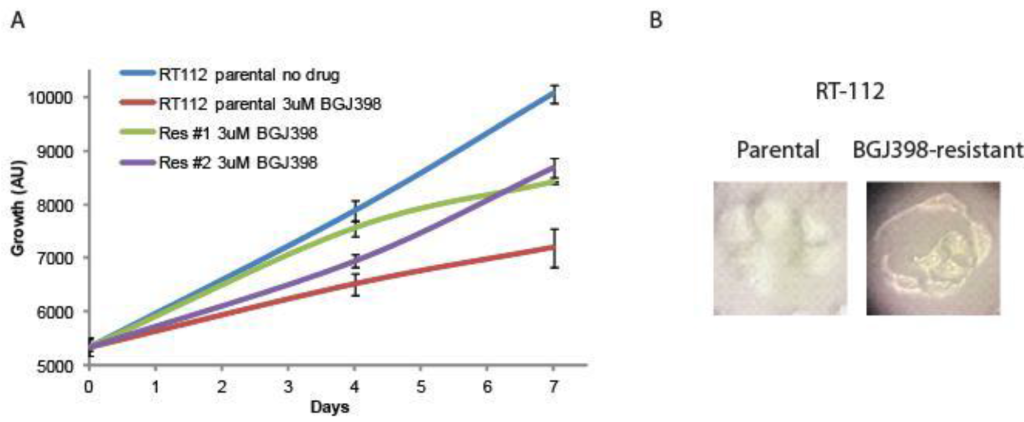
CST2017-231_F1

Figure 1. Development of NVP-BGJ398 resistant cell lines. RT-112 cells were grown in increasing amounts of NVP-BGJ398 until such time two, independent lines were able to grow in 3uM of drug. (A) Parental and resistant cell lines were plated in quadruplicate in 48-well plates and the indicated drugs were added a day 0. Cell density was measured at days 0, 4, and 7, and growth curves were created. (B) Pictures of parental and resistant lines demonstrating altered morphology.
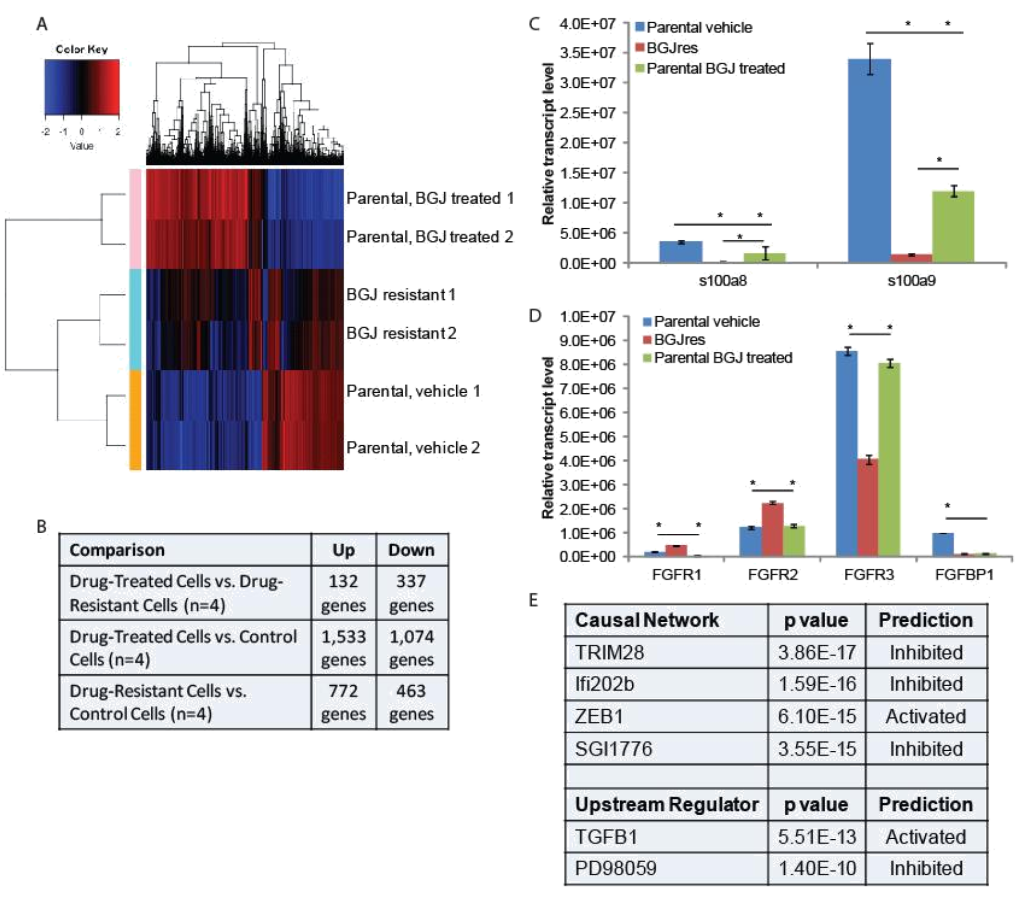
CST2017-231_F2

Figure 2. RNA-seq analysis: (A) Hierarchical clustering was performed on RNA-sequencing data from two independent untreated and BGJ398 treated parental RT-112 cell samples as well as two BGJ398 resistant RT-112 cell lines. (B) The numbers of significantly differentially regulated transcripts between treatment conditions is shown. (C,D) To validate RNA-sequencing results, RNA was extracted from the indicated cells and RT-qPCR was performed using primers for the indicated genes. S100A8 and S100A9 represent two of the most highly enriched transcripts in the drug resistant versus drug-treated parental cell datasets while the FGFR transcripts, which could play a direct role in mediating BGJ398 resistance, were also confirmed to be significantly different among treatment groups. (E) Ingenuity Pathway Analysis was performed to identify pathway signatures that were significantly different between drug resistant and drug-treated parental data sets. The most significantly different Causal Network and Upstream Regulator signatures are shown. (* p<0.05)

Ingenuity Pathway Analysis was used to identify pathways that were uniquely affected in the BGJ398 resistant cells (Figure 2E). Causal Network analysis suggested that TRIM28 (or KAP1) and Ifi202b networks, both of which regulate the interferon response [17, 18], were inhibited in BGJ398-resistant cells. Related to this, Upstream Regulatory analysis suggested that TGFβ signaling, which can repress the interferon response [19], was activated in resistant cells. Upstream regulator analysis also suggested that the pathway controlled by PD98059, a MEK1 inhibitor [20], was inhibited, which perhaps suggests that the MEK pathway is activated in resistant cells. Likewise, Causal Network analysis suggests that the pathway controlled by SGI1776, a PIM kinase inhibitor [21], was inhibited, which perhaps suggests that PIM kinases are activated in resistant cells. Finally, IPA Causal Network analysis also found the ZEB1 network to be activated in resistant cells. ZEB1 represses E-cadherin expression, driving epithelial mesenchymal transition (EMT) [22].

FGFR3 and PIM kinase mediate resistance: To determine if changes in FGFR levels affected the growth of RT-112 cells or their sensitivity to BGJ398, we transfected FGFR1 or FGFR2 expression plasmids into parental RT-112 cells or FGFR3 into BGJ398 resistant cells and performed growth assays (Figure 3). Transient expression of FGFR1 or FGFR2 alone did not affect the growth of parental RT-112 cells, nor did it affect their sensitivity to BGJ398. However, expression of FGFR3 in BGJ398 resistant cells caused decreased growth in the presence of BGJ398. This might imply a restoration of sensitivity to the drug in these cells.

Because the SGI1776 signal was found to be decreased in BGJ398 resistant cells, we examined what effect this inhibitor would have on the growth of parental and resistant RT-112 cells. We did not observe any significant differences in PIM transcript expression in drug treated or drug resistant cell lines (Figure 4A). However, treatment of BGJ398 resistant cells with SGI1776 significantly inhibited the growth of these cells (Figure 4B). Interestingly, a combination of BGJ398 and SGI1776 was significantly better at preventing growth of parental RT-112 cells than BGJ398 alone. SGI1776 displayed no overt toxicity at the concentration used to inhibit RT-112 cell growth as it did not inhibit the growth of HEK293 cells (Figure 4B).
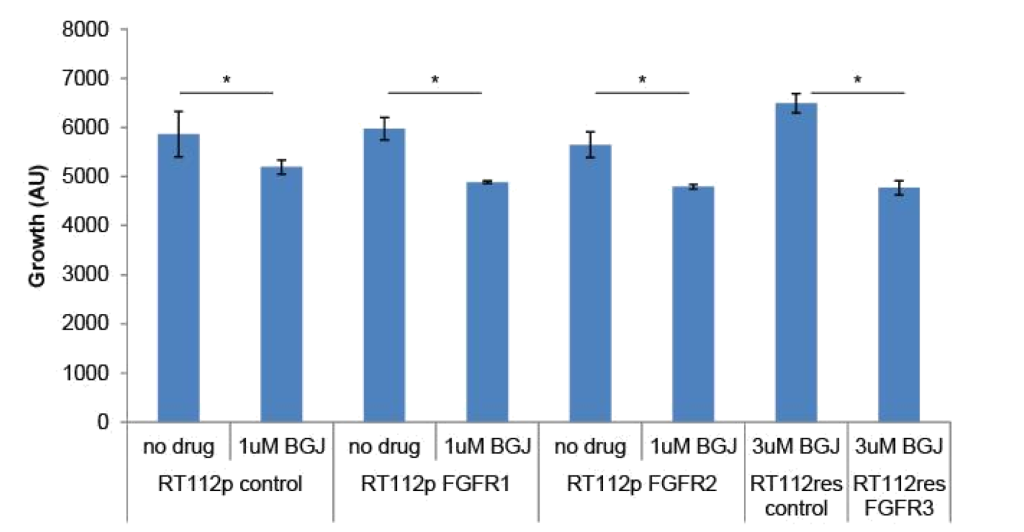
CST2017-231_F3

Figure 3. FGFR over-expression in RT-112 cells: Parental RT-112 cells were transiently transfected with a control plasmid or FGFR1 or FGFR2 expression plasmids while BGJ398 resistant cells were transfected with control or FGFR3 expression plasmids. Growth was measured over seven days by DAPI staining, and the relative cell number at day 7 is shown (AU = arbitrary units, * p<0.05).
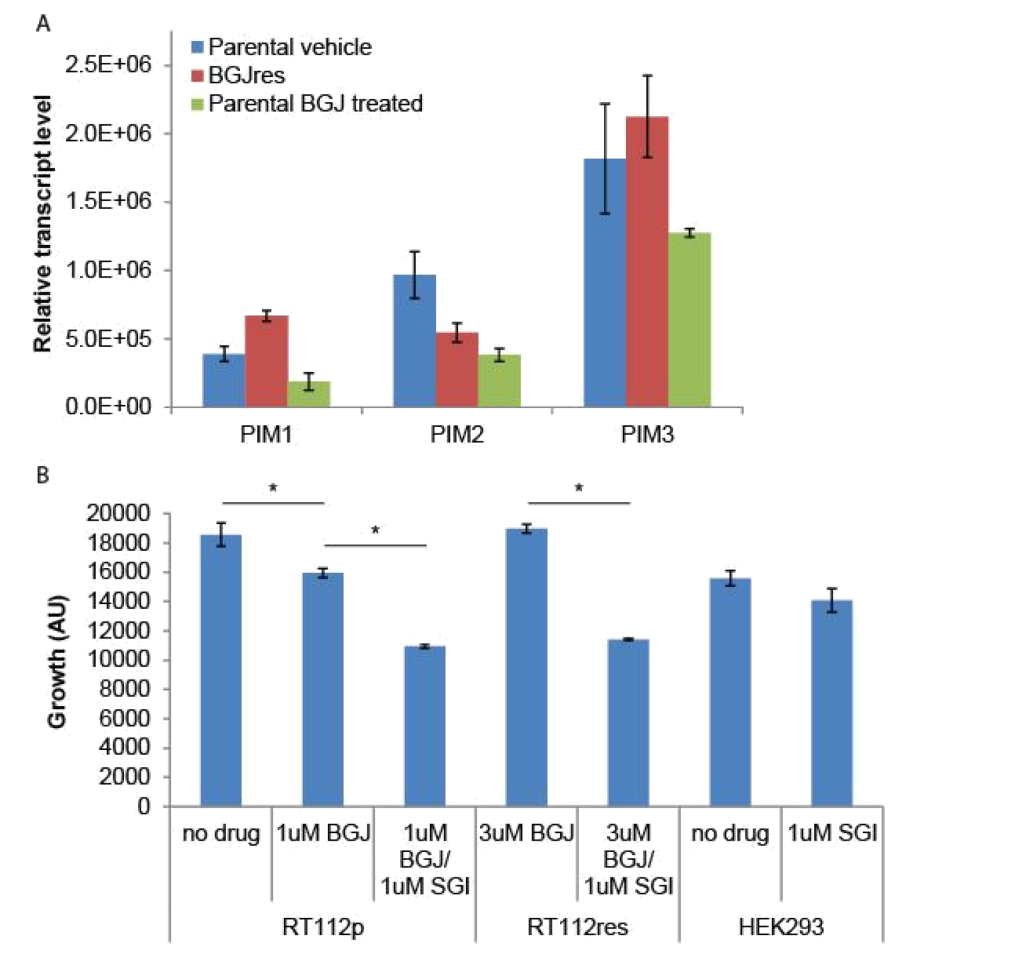
CST2017-231_F4

Figure 4. SGI1776 treatment of RT-112 cells: (A) RNA was extracted from the indicated cells and RT-qPCR was performed using primers for the three PIM transcripts. No significant differences were observed. (B) Parental and BGJ398 RT-112 cells as well as control HEK293 cells were treated with BGJ398 and/or SGI1776 as indicated and growth at day 7 is shown (AU = arbitrary units, * p < 0.05).

Discussion

Recently reported data from Phase I clinical trials with two FGFR- targeted agents are very encouraging [12, 13]. Furthermore, alterations in FGFR, including FGFR3 mutations, FGFR3-TACC3 translocations, and FGFR2 alterations have been associated with response to the FGFR inhibitors JNJ-42756493 and BGJ398. Other FGFR inhibitors, including LY2874455, BMS-582664, BIBF 112, and BAY1163877 are in development for bladder and other cancers with FGFR alterations [23]. FGFR-targeting agents will hopefully soon be approved for use in bladder and other cancers, but like most targeted agents, resistance is expected to develop. Using the RT-112 cell model, which was used in the original development of BGJ398, we developed two independent resistant cell lines, which grew in 3uM of drug, well above its IC50 in parental cells. Using an RNA-seq approach, we identified several pathways that potentially mediate resistance to BGJ-398. Two of the most promising are alternate FGFR usage and activation of PIM kinase signaling.

We found that FGFR1 and FGFR2 transcript levels were increased in resistant cells while FGFR3 levels were decreased. BGJ398 has nearly equal affinity for all three receptors so differential receptor affinity cannot explain resistance to BGJ398. However, FGFR1 versus FGFR3 expression on bladder cancer cells is indicative of an altered phenotype and has been shown to mediate BGJ398 sensitivity [24]. Chen, et al found that FGFR1 was expressed on bladder cancer cells that also expressed the mesenchymal markers ZEB1 and vimentin, whereas FGFR3 expression was restricted to the E-cadherin- and p63-positive epithelial subset. Sensitivity to the growth-inhibitory effects of BGJ398 was also restricted to the epithelial cells and it correlated directly with FGFR3 mRNA levels but not with the presence of activating FGFR3 mutations. In contrast, BGJ398 did not strongly inhibit proliferation but did block invasion in the mesenchymal type bladder cancer cells in vitro [24]. We observed a morphological change in our BGJ398 resistant cells that could very well be a reflection of a more mesenchymal state. Indeed, in our RNA-seq data vimentin levels were increased 2.5 fold (p = 0.003) in resistant cells, as were ZEB1 levels, although not significantly (p = 0.11). Furthermore, our pathway analysis suggested that ZEB1 signaling was activated in resistant cells. ZEB1 is a documented mediator of epithelial-mesenchymal transition and is known to be induced by FGF2 signaling [25], further supporting a role for altered FGFR expression in lineage transition and drug resistance. In line with the Chen, et al report, we saw that BGJ398 sensitivity correlated with FGFR3 levels, as over-expression re-sensitized the cells to growth inhibition by BGJ398 (Figure 3). Our data, combined with the Chen, et al report, strongly suggest that altered FGFR expression drives, or is at least reflects a lineage transition that mediates resistance to BGJ398. This is reminiscent of the lineage plasticity that mediates anti-androgen resistance in metastatic prostate cancer [26], and may represent a wider mechanism of resistance to targeted agents. Whether lineage plasticity mediates resistance to BGJ398 and other FGFR inhibitors and exactly how such plasticity develops should be further investigated.

We also found that the PIM kinase inhibitor, SGI1776, significantly inhibits the growth of BGJ398 resistant cells. Pim1 is a serine-threonine kinase which promotes early transformation, cell proliferation, and cell survival during tumorigenesis in several cancer types, including bladder cancer, where it was found to be over-expressed in invasive cancers compared to non-invasive cancers and normal tissues [27]. Another study found high levels of expression of all three PIM family members in both non-invasive and invasive urothelial carcinomas compared to normal tissue [28]. Furthermore Pim1 knock-down [27] or treatment with the PIM kinase inhibitor TP-3654 [28] reduced the growth of several bladder cancer cell lines in culture and in xenografts. Our data that demonstrated inhibition of both parental and BGJ398 resistant cell lines using a PIM kinase inhibitor, suggesting that PIM kinase likely remains a viable target in bladder cancer, even after FGFR inhibitor resistance develops.

Pathway analysis suggested other possible mechanisms of resistance, each of which bears further investigation. Upstream regulator analysis suggested that TGFβ signaling was activated in resistant cells. TGFβ has long been known to play an important role in bladder cancer, in part through its regulation of interferons [29]. Interestingly, the two most significantly inhibited Causal Networks in the IPA analysis were those controlled by TRIM28 (or KAP1) and Ifi202b (Figure 2C), both of which also regulate the interferon response [17, 18]. S100A8 and S100A9, two of the most inhibited genes in the resistant cells, are known to be inhibited by TGFβ and activated by interferons (in part through TRIM28 and Ifi202b) [30, 31], which fits well with the IPA analysis and strongly suggests that TGFβ activation and interferon suppression is important for growth of RT-112 cells in BGJ398. TGFβ and interferons play a complicated role in tumor development and progression, making their value as therapeutic targets questionable. Upstream regulator also suggested that the pathway controlled by PD98059, a specific MEK1 inhibitor, was inhibited, which perhaps suggests that the MEK pathway is activated in resistant cells. Activation of MEK1 has been previously reported in bladder cancer and PD98059 has been shown to reduce proliferation in bladder cancer cells in vitro [32]. This suggests that MEK1 inhibition might be useful in FGFR inhibitor resistant bladder cancer as well.

In a recent report, a RT-112 cell line was developed that had resistance to the FGFR inhibitor AZD4547 [33].The authors performed a synthetic lethality RNAi screen to identify kinases that, when depleted, increased the activity of AZD4547. They identified multiple members of the phosphoinositide 3-kinase (PI3K) pathway and found that the PI3K inhibitor BKM120 acted synergistically with inhibition of FGFR in multiple cancer cell lines having FGFR mutations. Synergy was attributed to PI3K-protein kinase B pathway activity resulting from epidermal growth factor receptor or Erb-B2 receptor tyrosine kinase 3 reactivation caused by FGFR inhibition. These pathways were not identified by our transcriptomic analysis. This could be due to a difference in approach, or it could suggest that the PI3K signaling pathway is more important in mediating the response to AZD4547 than it is for NVP-BGJ398. Regardless, there are likely multiple pathways that can lead to FGFR inhibitor resistance, and each of these reports supports studies in humans to determine if these, or other, mechanisms mediate resistance in actual patients.

Conclusions

Our results suggest that altered FGFR expression and PIM kinase activity could mediate resistance to NVP-BGJ398. These pathways should be investigated in samples from patients resistant to this drug.

Acknowledgments:
The authors would like to thank the Integrative Genomics core staff for assistance with this project.

Funding: Research reported in this publication included work performed in core facilities supported by the National Cancer Institute of the National Institutes of Health under award number P30CA033572. The content is solely the responsibility of the authors and does not necessarily represent the official views of the National Institutes of Health.

Author contributions: SKP helped with the design of the study, acquisition of materials, and writing of the paper. MH carried out experiments and edited the paper. JOJ managed the project, assisted with experimental design and execution, and writing of the paper

Competing interests: SKP is a consultant for Novartis. JOJ and MH have no conflicts to report.

References

  1. Siegel RL, Miller KD, Jemal A (2016) Cancer statistics, CA Cancer J Clin 66: 7–30. PubMed PMID: Medline: 26742998.
  2. Burger M, Catto JW, Dalbagni G, Grossman HB, Herr H, et (2013) Epidemiology and risk factors of urothelial bladder cancer. Eur Urol 63: 234–241. [crossref]
  3. Beenken A, Mohammadi M (2009) The FGF family: biology, pathophysiology and therapy. Nat Rev Drug Discov 8: 235–253. [crossref]
  4. Carneiro BA, Meeks JJ, Kuzel TM, Scaranti M, Abdulkadir SA, Giles FJ (2015) Emerging therapeutic targets in bladder cancer. Cancer Treat Rev 41: 170–8.
  5. Cappellen D, De Oliveira C, Ricol D, de Medina S, Bourdin J, et al. (1999) Frequent activating mutations of FGFR3 in human bladder and cervix carcinomas. Nat Genet 23: 18–20.
  6. Billerey C, Chopin D, Aubriot-Lorton MH, Ricol D, Gil Diez de Medina S, Van Rhijn B, et (2001) Frequent FGFR3 mutations in papillary non-invasive bladder (pTa) tumors. Am J Pathol 158: 1955–9.
  7. Cancer Genome Atlas Research N, Weinstein JN, Akbani R, Broom BM, Wang W, Verhaak RGW, et (2014) Comprehensive molecular characterization of urothelial bladder carcinoma. Nature 507: 315–22.
  8. Di Martino E, Tomlinson DC, Knowles MA (2012) A Decade of FGF Receptor Research in Bladder Cancer: Past, Present, and Future Adv Urol 2012: 429213. [crossref]
  9. Tomlinson DC, Baldo O, Harnden P, Knowles MA (2007) FGFR3 protein expression and its relationship to mutation status and prognostic variables in bladder cancer. J Pathol 213: 91–8.
  10. Lamont FR, Tomlinson DC, Cooper PA, Shnyder SD, Chester JD, et (2011) Small molecule FGF receptor inhibitors block FGFR-dependent urothelial carcinoma growth in vitro and in vivo. Br J Cancer 104: 75–82.
  11. Qing J, Du X, Chen Y, Chan P, Li H, et (2009) Antibody-based targeting of FGFR3 in bladder carcinoma and t(4;14)-positive multiple myeloma in mice. J Clin Invest 119: 1216–29.
  12. Nogova L, Sequist LV, Perez Garcia JM, Andre F, Delord J-P, Hidalgo M, et (2016) Evaluation of BGJ398, a Fibroblast Growth Factor Receptor 1–3 Kinase Inhibitor, in Patients With Advanced Solid Tumors Harboring Genetic Alterations in Fibroblast Growth Factor Receptors: Results of a Global Phase I, Dose-Escalation and Dose-Expansion Study. J Clin Oncol.
  13. Tabernero J, Bahleda R, Dienstmann R, Infante JR, Mita A, et (2015) Phase I Dose-Escalation Study of JNJ-42756493, an Oral Pan-Fibroblast Growth Factor Receptor Inhibitor, in Patients With Advanced Solid Tumors. J Clin Oncol 33: 3401–8.
  14. Guagnano V, Furet P, Spanka C, Bordas V, Le Douget M, et (2011) Discovery of 3-(2,6-dichloro-3,5-dimethoxy-phenyl)-1-{6-[4-(4-ethyl-piperazin-1-yl)-phenylamino]-pyrimidin-4-yl}-1-methyl-urea (NVP-BGJ398), a potent and selective inhibitor of the fibroblast growth factor receptor family of receptor tyrosine kinase. J Med Chem 54: 7066–7083. [crossref]
  15. Williams SV, Hurst CD, Knowles MA (2013) Oncogenic FGFR3 gene fusions in bladder cancer. Hum Mol Genet 22: 795–803. [crossref]
  16. Abuharbeid S, Czubayko F, Aigner A (2006) The fibroblast growth factor-binding protein FGF-BP. Int J Biochem Cell Biol 38: 1463–1468. [crossref]
  17. Min W, Ghosh S, Lengyel P (1996) The interferon-inducible p202 protein as a modulator of transcription: inhibition of NF-kappa B, c-Fos, and c-Jun activities. Mol Cell Biol 16: 359–368. [crossref]
  18. Kamitani S, Ohbayashi N, Ikeda O, Togi S, Muromoto R, et (2008) KAP1 regulates type I interferon/STAT1-mediated IRF-1 gene expression. Biochem Biophys Res Commun 370: 366–370. [crossref]
  19. Letterio JJ, Roberts AB (1998) Regulation of immune responses by TGF-beta. Annu Rev Immunol 16: 137–161. [crossref]
  20. Dudley DT, Pang L, Decker SJ, Bridges AJ, Saltiel AR (1995) A synthetic inhibitor of the mitogen-activated protein kinase Proc Natl Acad Sci U S A 92: 7686–7689. [crossref]
  21. Chen LS, Redkar S, Bearss D, Wierda WG, Gandhi V (2009) Pim kinase inhibitor, SGI-1776, induces apoptosis in chronic lymphocytic leukemia Blood 114: 4150–7.
  22. Eger A, Aigner K, Sonderegger S, Dampier B, Oehler S, et (2005) DeltaEF1 is a transcriptional repressor of E-cadherin and regulates epithelial plasticity in breast cancer cells. Oncogene 24: 2375–85.
  23. Morales-Barrera R, Suarez C, de Castro AM, Racca F, Valverde C, et (2016) Targeting fibroblast growth factor receptors and immune checkpoint inhibitors for the treatment of advanced bladder cancer: New direction and New Hope. Cancer Treat Rev 50: 208–16.
  24. Cheng T, Roth B, Choi W, Black PC, Dinney C, McConkey DJ (2013) Fibroblast growth factor receptors-1 and -3 play distinct roles in the regulation of bladder cancer growth and metastasis: implications for therapeutic tar PLoS One 8: e57284.
  25. Lau MT, So WK, Leung PC (2013) Fibroblast growth factor 2 induces E-cadherin down-regulation via PI3K/Akt/mTOR and MAPK/ERK signaling in ovarian cancer cells. PLoS One 8: e59083. [crossref]
  26. Mu P, Zhang Z, Benelli M, Karthaus WR, Hoover E, et al. (2017) SOX2 promotes lineage plasticity and antiandrogen resistance in TP53- and RB1-deficient prostate cancer. Science 355: 84–8.
  27. Guo S, Mao X, Chen J, Huang B, Jin C, et (2010) Overexpression of Pim-1 in bladder cancer. J Exp Clin Cancer Res 29: 161. [crossref]
  28. Foulks JM, Carpenter KJ, Luo B, Xu Y, Senina A, et (2014) A small-molecule inhibitor of PIM kinases as a potential treatment for urothelial carcinomas. Neoplasia 16: 403–12.
  29. Champelovier P, E Atifi M, Mantel F, Rostaing B, Simon A, et (2005) In vitro tumoral progression of human bladder carcinoma: role for TGFbeta. Eur Urol 48: 846–851. [crossref]
  30. Rahimi F, Hsu K, Endoh Y, Geczy CL (2005) FGF-2, IL-1beta and TGF-beta regulate fibroblast expression of FEBS J 272: 2811–2827. [crossref]
  31. Xu K, Geczy CL (2000) IFN-gamma and TNF regulate macrophage expression of the chemotactic S100 protein S100A8. J Immunol 164: 4916–4923. [crossref]
  32. Kumar B, Sinclair J, Khandrika L, Koul S, Wilson S, et (2009) Differential effects of MAPKs signaling on the growth of invasive bladder cancer cells. Int J Oncol 34: 1557–1564. [crossref]
  33. Wang L, Sustic T, Leite de Oliveira R, Lieftink C, Halonen P, et (2017) A Functional Genetic Screen Identifies the Phosphoinositide 3-kinase Pathway as a Determinant of Resistance to Fibroblast Growth Factor Receptor Inhibitors in FGFR Mutant Urothelial Cell Carcinoma. Eur Urol 71: 858–62.
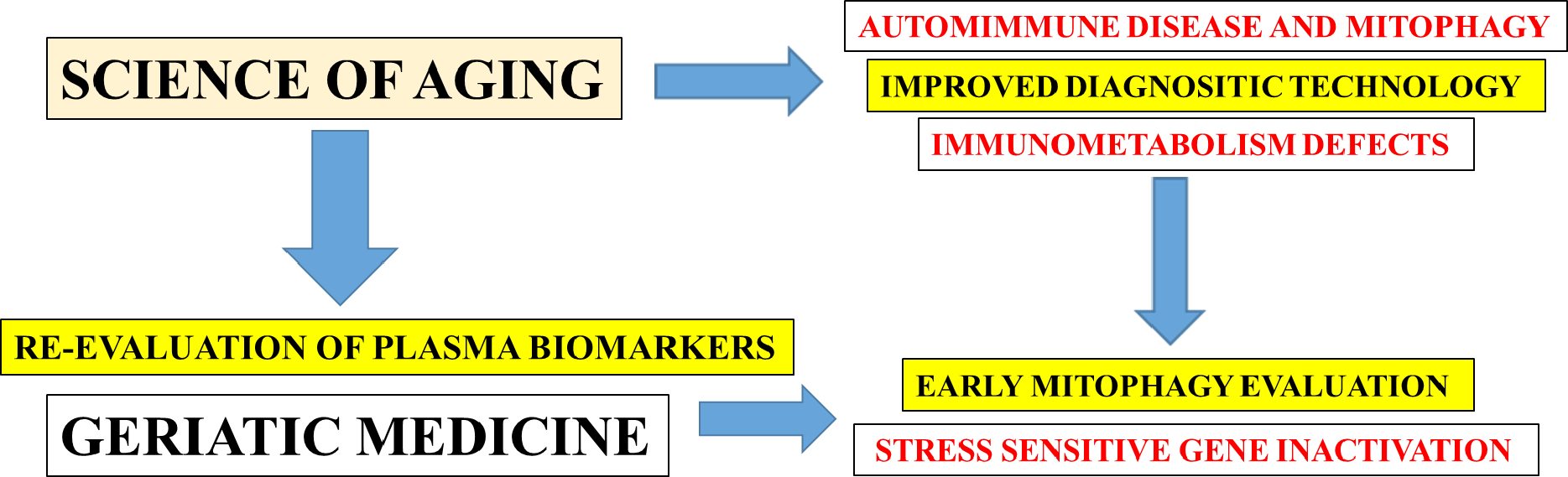

A Survey of Quantum Lyapunov Control Methods of a novel chemo-hyperstructure as a novel drug discovery dual targeting of the p53 and NF-κB pathways for the activation of the p53 tumor suppressor pathway by an engineered P44 cyclotidomimic agonisitic mechanistic pharmacoligand

Abstract

The p53 and nuclear factor κB (NF-κB) pathways play crucial roles in human cancer development. Simultaneous targeting of both pathways is an attractive therapeutic strategy against cancer. The use of pharmacologically active short peptide sequences has prooven to be a better option in cancer therapeutics than the full-lengthprotein. It has been previously report ed one such 44-mer peptide sequence of SMAR1 (TAT-SMAR1 wild type, P44) that retains the tumor suppressor activity of the full-length protein.P44 peptide could efficiently activate p53 by mediating its phosphorylation at serine15, resulting in the activation of p21 and in effect regulating cell cycle checkpoint. In vitrophosphorylation assays with point-mutated P44-derived pep-tides suggested that serine 347 of SMAR1 was indispensable forits activity and represented the substrate motif for the proteinkinase C family of proteins. In this Research Scientific Project we generated an antitumor multi-targeted hyper-molecule that bears a pyrrolo[3,4-clomifene-diamizido-c]pyrazole scaffold and functions as an enantiomeric P44 peptide mimeto inhibitor against both the p53-MDM2 interaction and the NF-κB activation. This pharmacophjoric scaffold may be a first-in-class dual targeted enantiomeric inhibitor with dual efficacy for cancer therapy with potential synergistic effect in vitro and in vivo. Docking and molecular dynamics simulation studies further provided insights into the nature of stereoselectivity. Here, we have for the first time in silico discovered a novel survey of Quantum Lyapunov Control Methods of a novel chemo-hyperstructure as a novel drug discovery dual targeting of the p53 and NF-κB pathways for the activation of the p53 tumor suppressor pathway by an engineered P44 cyclotidomimic agonisitic mechanistic pharmacoligand.

Keywords

Survey of Quantum Lyapunov, Control Methods, discovery of novel chemo-hyperstructure, novel drug discovery, dual targeting, p53 and NF-κB pathways, p53 tumor, suppressor pathway, engineered P44, cyclotidomimic, agonisitic mechanistic, pharmacoligand.