Author Archives: rajani

Risk Factors for Postoperative Nausea and Vomiting, Some Helpful Hints

DOI: 10.31038/ASMHS.2022634

Introduction

Recovery following anesthesia is usually complicated by nausea, vomiting, and retching. PONV (postoperative nausea and vomiting) is a significant concern; people frequently regard PONV as terrible than postoperative pain [1]. PONV normally clears up or is treated without repercussions, although it may need an unexpected admittance to the hospital and cause a delay in discharge [2,3].

In this article, we’ll go over a few points concerning PONV risk factors that you should be aware of.

Pathophysiology

Nausea and vomiting are mediated by five neurotransmitter receptors: neurokinin 1 (NK1) – substance P, dopamine D2, muscarinic M1, 5-hydroxytryptamine (HT)-3 serotonin, and histamine H1. PONV might be prevented or treated by targeting any of these receptors [4].

  • Central mechanisms – Higher centers of cortex connecting with the central pattern generator (previously known as the center of vomiting) in the medulla can cause nausea and emesis. Anxiety, pain, conditioned nausea which is triggered by environmental cues, fear, and vestibular system stimulation are all major stimuli that can elicit nausea and vomiting during the perioperative period. During tympanoplasty, for example, surgical activation of the vestibular system via the H1 histamine and M1 cholinergic receptors may cause severe PONV [5].
  • Mechanisms in the periphery – Direct stimulation of the stomach from gastric injuries, bleeding, or toxins causes enterochromaffin cells to produce substance P and serotonin, activating the 5-HT3 receptors in the vagal and splanchnic nerves [6].
  • Toxins and Drugs – The chemical and neurological processes by which medications and toxins elicit nausea and vomiting, including anesthetics and opioids, are complicated and poorly understood [7]. Both opioids and inhalation anesthetics can cause nausea and vomiting by activating the area postrema directly beneath of the fourth ventricle in the medulla. The postrema then transmits dopamine and serotonin to the central pattern generator, which causes the vomiting reflex to be triggered [8,9].

Risk Factors

PONV develops in roughly 30% of infants and adults following anesthesia without prophylaxis [10]. The risk of PONV varies greatly from patient to patient; in high-risk individuals, the rate of PONV might be 80% [11]. The risk of PONV varies depending on the patient, the anesthesia used, and even the type of operation.

Patient Risk Factors

  • Nausea and vomiting before surgery – PONV might be the outcome of a pre-surgery ailment that caused nausea and vomiting.
  • Female gender – Female gender is the most accurate patient-specific predictor of PONV [12,13].
  • Prior to puberty, female children do not have an increased risk of PONV [14,15].
  • Patients who have already had PONV or motion sickness – Previous PONV and/or motion sickness increase the risk of PONV in adults [16].
  • A parent or sibling’s history of PONV or postoperative vomiting (POV), as well as a parent or sibling’s history of PONV or POV, increases the risk of POV/PONV in children [17].
  • Being a nonsmoker – Being a nonsmoker is a risk factor for PONV in and of itself [12,13,16].
  • Age – The majority of research have found a minor, gradual decline in PONV in people as they get older [10,12]. The age of 50 was found to be a risk factor for PONV in a prospective trial of over 2200 patients who received general anesthesia (PDNV) [18].
  • Young age seems to be protective in children. POV is uncommon in youngsters under the age of three, and it becomes more common as they become older, with puberty it reduces again [14].
  • Chemotherapy-induced nausea and vomiting – A background of chemotherapy-induced nausea and vomiting may aggravate PONV (CINV) [19].

Anesthetic Factors

  • Anesthetic technique – When compared to simply regional anesthesia, general anesthesia is linked to a greater rate of PONV [16].
  • Total intravenous anesthesia versus Volatile anesthetics – The use of volatile anesthetics is a major factor in the development of PONV [16,20].
  • Intravenous (IV) anesthetics – At dosages routinely used for induction of anesthesia, etomidate does not raise PONV on its own [21]. Low-dose ketamine in the perioperative period has been shown to minimize PONV, as well as postoperative pain and opioid needs [22,23].
  • Nitrous oxide (N2O) – When compared to anesthesia without N2O, N2O may slightly increase the incidence of PONV, particularly in children and high-risk individuals [24].
  • Duration of anesthesia – Anesthesia for longer periods of time using volatile anesthetics may raise the incidence of PONV [12,13,25].
  • Opioid administration and decrease – Several studies have found that perioperative opioid administration increases the risk of PONV in a dose-dependent way [11,16,26].
  • Neostigmine versus Sugammadex for reversal agent – As shown in a meta-analysis of 10 randomized studies including 933 individuals, combining neostigmine with either atropine or glycopyrrolate did not significantly enhance the incidence of overall nausea or vomiting [27].
  • It’s uncertain how common PONV occurs once sugammadex is used to reverse neuromuscular blocking medications.

Type of Surgery

When compared to other general surgical operations, the best data shows that cholecystectomy, laparoscopic, and gynecologic surgeries are linked with a moderately elevated risk of PONV [12].

In children, strabismus operation is a significant, and arguably the most critical, predictor of POV [14,17]. POV also happens in up to 70% of children who undergo adenotonsillectomy without prophylaxis [28], 60% of kids who have otoplasty [29], and 40% of children who have inguinal scrotal or penile surgeries [30].

In conclusion, PONV is a condition with distinct characteristics that can be avoided by recognizing preventive causes. In our review, we have covered several noteworthy elements.

References

  1. Macario A, Weinger M, Carney S, Kim A (1999) Which clinical anesthesia outcomes are important to avoid? The perspective of patients. Anesthesia and Analgesia 89: 652-658. [crossref]
  2. Fortier J, Chung F, Su J (1998) Unanticipated admission after ambulatory surgery–a prospective study. Canadian Journal of Anaesthesia 45: 612-619. [crossref]
  3. Hill RP, Lubarsky DA, Phillips-Bute B, Fortney JT, Creed MR, et al. (2000) Cost-effectiveness of prophylactic antiemetic therapy with ondansetron, droperidol, or placebo. Anesthesiology 92: 958-967. [crossref]
  4. Bashashati M, McCallum RW (2014) Neurochemical mechanisms and pharmacologic strategies in managing nausea and vomiting related to cyclic vomiting syndrome and other gastrointestinal disorders. European Journal of Pharmacology 722: 79-94. [crossref]
  5. Becker DE (2010) Nausea, vomiting, and hiccups: a review of mechanisms and treatment. Anesthesia Progress 57: 150-156. [crossref]
  6. Spiller R (2007) Recent advances in understanding the role of serotonin in gastrointestinal motility in functional bowel disorders: alterations in 5-HT signalling and metabolism in human disease. Neurogastroenterology and Motility 2: 25-31. [crossref]
  7. Horn CC, Wallisch WJ, Homanics GE, Williams JP (2014) Pathophysiological and neurochemical mechanisms of postoperative nausea and vomiting. European Journal of Pharmacology 722: 55-66. [crossref]
  8. Bountra C, Gale JD, Gardner CJ, Jordan CC, Kilpatrick GJ, et al. (1996) Towards understanding the aetiology and pathophysiology of the emetic reflex: novel approaches to antiemetic drugs. Oncology 1: 102-109.
  9. Mitchelson F (1992) Pharmacological agents affecting emesis. A review (Part I). Drugs 43: 295-315. [crossref]
  10. Cohen MM, Duncan PG, DeBoer DP, Tweed WA (1994) The postoperative interview: assessing risk factors for nausea and vomiting. Anesthesia and Analgesia 78: 7-16. [crossref]
  11. Apfel CC, Läärä E, Koivuranta M, Greim CA, Roewer N (1999) A simplified risk score for predicting postoperative nausea and vomiting: conclusions from cross-validations between two centers. Anesthesiology 91: 693-700. [crossref]
  12. Apfel CC, Heidrich FM, Jukar-Rao S, Jalota L, Hornuss C, et al. (2012) Evidence-based analysis of risk factors for postoperative nausea and vomiting. British Journal of Anaesthesia 109: 742-753. [crossref]
  13. Sinclair DR, Chung F, Mezei G (1999) Can postoperative nausea and vomiting be predicted? Anesthesiology 91: 109-118. [crossref]
  14. Eberhart LHJ, Geldner G, Kranke P, Morin AM, Schäuffelen A, et al. (2004) The development and validation of a risk score to predict the probability of postoperative vomiting in pediatric patients. Anesthesia and Analgesia 99: 1630-1637. [crossref]
  15. Eberhart LH, Morin AM, Guber D, Kretz FJ, Schäuffelen A, et al. (2004) Applicability of risk scores for postoperative nausea and vomiting in adults to paediatric patients. British Journal of Anaesthesia 93: 386-392. [crossref]
  16. Koivuranta M, Läärä E, Snåre L, Alahuhta S (1997) A survey of postoperative nausea and vomiting. Anaesthesia 52: 443-449. [crossref]
  17. Kranke P, Eberhart LH, Toker H, Roewer N, Wulf H, et al. (2007) A prospective evaluation of the POVOC score for the prediction of postoperative vomiting in children. Anesthesia and Analgesia 105:1592-1597. [crossref]
  18. Apfel CC, Philip BK, Cakmakkaya OS, Shilling A, Shi YY, et al. (2012) Who is at risk for postdischarge nausea and vomiting after ambulatory surgery? Anesthesiology 117: 475-486. [crossref]
  19. DA Silva HB, Sousa AM, Guimarães GM, Slullitel A, Ashmawi HA (2015) Does previous chemotherapy-induced nausea and vomiting predict postoperative nausea and vomiting? Acta Anaesthesiologica Scandinavica 59: 1145-1153. [crossref]
  20. Apfel CC, Kranke P, Katz MH, Goepfert C, Papenfuss T, et al. (2002) Volatile anaesthetics may be the main cause of early but not delayed postoperative vomiting: a randomized controlled trial of factorial design. British Journal of Anaesthesia 88: 659-668. [crossref]
  21. St Pierre M, Dunkel M, Rutherford A, Hering W (2000) Does etomidate increase postoperative nausea? A double-blind controlled comparison of etomidate in lipid emulsion with propofol for balanced anaesthesia. Eur J Anaesthesiol 17: 634-641. [crossref]
  22. Laskowski K, Stirling A, McKay WP, Lim HJ (2011) A systematic review of intravenous ketamine for postoperative analgesia. Canadian journal of anaesthesia. Journal Canadien d’anesthesie 58: 911-923. [crossref]
  23. Subramaniam K, Subramaniam B, Steinbrook RA (2004) Ketamine as adjuvant analgesic to opioids: a quantitative and qualitative systematic review. Anesthesia and Analgesia 99: 482-495. [crossref]
  24. Tramèr M, Moore A, McQuay H (1996) Omitting nitrous oxide in general anaesthesia: meta-analysis of intraoperative awareness and postoperative emesis in randomized controlled trials. British Journal of Anaesthesia 76: 186-193. [crossref]
  25. Apfel CC, Kranke P, Eberhart LH, Roos A, Roewer N (2002) Comparison of predictive models for postoperative nausea and vomiting. British Journal of Anaesthesia 88: 234-240. [crossref]
  26. Roberts GW, Bekker TB, Carlsen HH, Moffatt CH, Slattery PJ, et al. (2005) Postoperative nausea and vomiting are strongly influenced by postoperative opioid use in a dose-related manner. Anesthesia and Analgesia 101: 1343-1348. [crossref]
  27. Cheng CR, Sessler DI, Apfel CC (2005) Does neostigmine administration produce a clinically important increase in postoperative nausea and vomiting? Anesthesia and Analgesia 101: 1349-1355. [crossref]
  28. Ferrari LR, Donlon JV (1992) Metoclopramide reduces the incidence of vomiting after tonsillectomy in children. Anesthesia and Analgesia 75: 351-354. [crossref]
  29. Paxton D, Taylor RH, Gallagher TM, Crean PM (1995) Postoperative emesis following otoplasty in children. Anaesthesia 50: 1083-1085. [crossref]
  30. Villeret I, Laffon M, Duchalais A, Blond MH, Lecuyer AI, et al. (2002) Incidence of postoperative nausea and vomiting in paediatric ambulatory surgery. Paediatric Anaesthesia 12: 712-717. [crossref]

Effect of Nitrogen and Phosphorus Fertilizer Rates on Yield and Yield Components Sorghum (Sorghum bicolor L. Moench) at Kersa Woreda of Oromia Region

DOI: 10.31038/AFS.2022434

Abstract

Soil fertility is among the most important constraints that threaten sorghum production in Jimma Zone in Oromia Region. Therefore, a field experiment was carried out at Kersa woreda for four consecutive cropping seasons from 2013/14 to 2016/17 to evaluate the response of various levels of nitrogen (N) and phosphorus (P) fertilizer using sorghum. The treatments consisted of factorial combinations of four rates each of N (0, 23, 46 and 69 kg N ha−1) and P (0, 11.5, 23 and 34.5 kg P2O5 ha−1) laid down in a randomized complete block design (RCBD) with three replications. For data analysis, correlation coefficient and ANOVA were used. The result showed that the yield and yield components of the sorghum crop were highly significant response to impacts of inorganic N-P fertilizer nutrients. Parameters, such as, plant height, head weight, grain yield, biomass yield and stover yield, were statistically significantly different by nitrogen and phosphorus different fertilizer rates. Also, these parameters were significant and positive correlation to each other. This result revealed that the highest (4.14 t/ha) grain yield was obtained from 69 kgh-1 N and 23 kgha-1 P2O5 inorganic fertilizer, whereas the lowest (1.37 t/ha) grain yield was recorded from control treatment. Compared to the control treatment, the highest rate of N/P (69/23 kg ha-1) increased sorghum grain yield by about 202.2%. It is concluded that nitrogen and phosphorus at the rate of 69 kgh-1 N and 23 kgha-1 P2O5 has the best performance in obtaining maximum grain yield of sorghum crop. Therefore, N-P at the rate of 69 kgh-1 N and 23 kgha-1 P2O5 is highly recommended for optimum grain yield of sorghum crop in the study area.

Keywords

fertilize, Grain yield, Nitrogen, phosphorus, sorghum

Introduction

Globally, sorghum (Sorghum bicolor L. Moench) is the fifth most vital rice, wheat, barley and cereal crop after maize [1,2]. It is an important crop staple food crop in the semi-arid tropics of Africa, south Asia and Central America [3]. In Ethiopia, sorghum is a major staple food crop, ranking second after maize in total production. It ranks third after wheat and maize in productivity per hectare, and after Teff and maize in area cultivated. It is grown in almost all regions, covering a total land area of 1.8 million ha [4]. Sorghum grain is as nutritious as other cereal grains; contains about 11% water, 340 k/cal of energy, 11.6% protein, 73% carbohydrate and 3% fat by weight [5,6].

Despite the large-scale production and various merits, Sorghum production and productivity have been far below the potential. Currently the average regional productivity is 2.1 t ha-1 but, the study area productivity is below 1.3 t ha-1 which is very low as compared to other small grain cereals grown in Ethiopia [4]. Low productivity of crops has been attributed to abiotic stress for drought and low soil fertility and biotic stress for the disease, insect and weeds [7,8].

Soil fertility is one of the major production constraints in the Ethiopia. Deficiency of nitrogen and phosphorus is the main factor that severely reduces the yield of sorghum [9]. According to [10], although soil fertility status is dynamic and variable from locality to locality, and it is difficult to end up with a blanket recommendation invariably, some soil amendment studies were undertaken at different times and places. In addition to fertilizer rates, soil acidity also affects the productivity of the land by affecting availability of nutrients and hindering the activity of microorganisms. Also nitrogen is commonly the most limiting nutrient for crop production in the major world’s agricultural areas and therefore adoption of good N management strategies often result in large economic benefits to farmers. The various factors accounting for the poor soil fertility include topography, soil erosion, deforestation, population pressure, and continuous cultivation without proper soil fertility maintenance [11-13]. Among the major constraints on increased production of sorghum are poor soil fertility, limited supply of production inputs, low prices for the produce, and undeveloped markets [7]. The application of inorganic P fertilizer increased the efficient utilization of inorganic N fertilizer by the plants in grain yield and total biomass production; also, P nutrition of soils is critical for the efficient use of inorganic N fertilizer, thus deficiency in soil P limited the efficient use of applied N by the plant [14]. There was limited research conducted concerning fertilizers rates as a result of this fact, the farmers rely on traditional practices. Most of the farmers in experiment site do not use NP combination above the recommended rate. Therefore, there is a need to study the effect of different NP rates on the yield and yield components of sorghum.

Materials and Methods

Description of the Study Area

The experiment was conducted at Kersa woreda, Jimma zone of the Oromia national state for four consecutive cropping seasons from 2013/14 to 2016/17. The site is located at about 28 km east from Jimma town and 7° 40′ 0″ N latitude and 36° 50′ 0″ E longitude at an average elevation of 1740 to 2660 m amsl and average maximum and minimum temperature is 28.8°C and 11.8°C respectively and reliably receives good rains, ranging from 1,200 – 2,800 mm per annum cropping season. The middle and high altitude soils are less rich in nutrients due to the fact that they have been under human land use for long. The zone is one of the major coffee growing areas of Oromia region well-endowed with natural resources contributing significantly to the national economy of the country. The major crops grown, other than coffee, are maize, teff, sorghum, barley, pulses (beans and peas), root crops (enset-false banana and potato) and fruits.

Description of the Experimental Materials

Plant Materials

In the present study, Sorghum varieties Abamelko which adapted to the agro-ecology of the area were used. Varieties Abamelko is the most promising released by Jimma Agricultural Research Centre. It has wider adaptability and grows well at altitudes ranging from 1740 to 2660 meters above sea level with annual rain fall of 1,200 – 2,800 mm.

Experimental Design and Treatments

The experiment was conducted in Kersa district of Oromia Region in 2013/204 to 2016/2017 cropping seasons. The treatments consisted of four N levels (0, 23, 46 and 69 kg N ha-1) and four P levels (0, 11.5, 23 and 34.5 kg P2O5 ha-1). The experiment was arranged in randomized complete block design (RCBD) with three replications in a factorial arrangement. The plot size was 14.25 m2 (3.75 m × 4 m) and consisted of 5 rows. A distance of 0.5 m and 1 m were left between plots and blocks, respectively. The spacing of 75 × 15 cm was used between rows and plants, respectively and there were 26 plants planted per row with a total of 133 plants per plot. Urea and Triple supper phosphate (TSP) were used as a source nitrogen and phosphorus fertilizer, respectively. Nitrogen fertilizer was applied by split; application method in the form of urea half at planting and the remaining 45 days after planting. Phosphorus was applied once in the form of TSP at the time of planting. Agronomic practices such as weeding and cultivation were done uniformly for all treatments as per need.

Data Collection and Measurement

Plant height (cm) was measured at physiological maturity from the ground level to the tip of head from ten randomly taken plants and was averaged on per plant basis. Head weight (g): samples of ten heads were weighed after harvesting and sun drying to determine weight per head. Weight was adjusted to 12.5% moisture level. Grain and stover yields (t/ha) were determined by harvesting the entire net plot area and converted into tons per hectare. Grain yield was adjusted to 12.5% moisture level; whereas stover yield was weighed after leaving it in open air for 7 days. The biomass yield (t/ha) was calculated as the sum of the grain and stover yields.

Data Analysis

Collected data were subjected to analysis of variance (ANOVA) by using Statistical Analysis System Software Version 9.3 [15] and significant treatment means was separated using Least Significance Difference (LSD) test and correlation coefficient within and between yield and agronomic parameters was done.

Results and Discussion

Effect NP Fertilizer Combination on Plant Growth, Yield and Yield Components Sorghum

Plant Height

The mean of plant height and the analysis of variance are shown in Table 1. There were highly significant variations (p ≤ 0.001) among the fertilizers types on sorghum height. The Application of NP fertilizer linearly and significantly increased plant height as compared to the control (no application any fertilizer). Similarly, the highest mean value (197.42 cm) was obtained from the application of 69 kg ha-1 N and 34.5 kg ha-1 P2O, while the lowest mean value (157.57 cm) was recorded from the control treatment (Table 1). The treatment increased mean value of plant height by about 25.29% as compared with unfertilized plots. Plant height was significant and positive correlation with stover yield (Table 2). This result suggests that Plant height increased with increasing application of NP fertilizer rates.

Table 1: Effect nitrogen and phosphorus fertilizer rates on sorghum height

Treatment (NP)

Plant height (cm)
2013/2014 2014/2015 2015/2016 2016/2017

Over year

0/0

171f

1.32e 149h 177.93e

157.57i

0/11.5

178ef

135e 156h 179.33e

162.16i

0/23

184edf

140de 165g 197.80cab

171.72h

0/34.5

190cedb

153cdb 169gf 181.38de

173.51hg

23/0

186cedf

146cde 168g 188.80cde

172.12h

23/11.5

192cedb

159cba 169gf 195.07cb

178.57hfg

23/23

200cadb

155cdb 170gef 197.71cab

180.54defg

23/34.5

206ab

156cdba 178dec 200.53cab

185.02debfc

46/0

190cedb

160cba 176def 192.78cdb

179.56efg

46/11.5

202cab

154cdb 177def 194.89cb

181.78defc

46/23

202cab

167ab 185bc 190.67cdbe

186.08debc

46/34.5

206ab

163ab 181dbc 198.56cab

186.93dbc

69/0

203cab

164ab 184dbc 200.36cab

187.76bc

69/11.5

207ab

166ab 188ba 187.67cde

187.16dbc

69/23

209a

167ab 189ba 202.62ab

191.99ba

69/34.5

213a

171a 196a 209.78a

197.42a

LSD (0.05)

17.4

16.03 6.18 13.332

7.1082

CV (%)

5.32

6.18 2.81 4.13

2.36

Values followed by the same letter within a column are not significantly different at P<0.05

Table 2: Pearson correlation coefficients between selected sorghum plant parameters

Sorghum Plant Parameters

PH HW GY TBMY

STY

PH

1

HW

0.39*

1

GY

0.46**

0.91**

1

TBMY

0.37*

0.94** 0.90**

1

STY

0.35*

0.91** 0.85* 0.97**

1

**P ≤ 0.001; *P ≤ 0.05; PH: Plant Height; HW: Head Weight; GY: Grain Yield; TBMY: Total Biomass Yield

The possible reason for the increased plant height of sorghum over the control in response to the mixed application of the fertilizers might be attributed to the released major nutrients and improved soil physical property in enhancing plant growth owing to their contribution to enhanced cell division, stem elongation, promotes leaf expansion and vegetative growth of plant. This result is in agreement with [16] who reported that plant height of sorghum was increase with increasing rates of NP from 0/0 to 69/46 kg ha-1. This study is in agreement with [17] who reported that application of NP fertilizer at rate 49/46 kgha-1 significantly increases the plant height of sorghum, and height of sorghum was 18.21 cm greater than control treatment at rate 69 kg N and 46 P2O5 ha-1 fertilizer. It can be concluded the increased rates of N, and P increased the plant growth and biomass, and also the increased amounts of N-P increases the production of sorghum crop [18].

Head Weight

Head weight was highly significantly affected (p≤ 0.001) by different rates of NP application (Table 3). The results indicated that head weight was linearly increased with increasing levels of NP fertilization from 0/0 to 69/23 kg NP2O5 ha-1. The maximum head weight (93.17 gm) was recorded from application of 69/23 kg NP2O5 ha-1, whereas zero the minimum (29.13 gm) was obtained zero application, which was significantly lower than the effect of other rates. Thus, the combination of N and P at 69/23 kg ha−1 resulted in about 219.7% higher head weight compared with the application of no fertilizer (Table 3).

Table 3: Effect nitrogen and phosphorus rates on head weight of sorghum

Treatment (NP)

Head Weight (t/ha)
2013/2014 2014/2015 2015/2016 2016/2017

Over year

0/0

25.43j

21.1d 43.16g 26.85e

29.13e

0/11.5

33.13ij

21.7cd 46.01fg 34.76de

33.90e

0/23

35.19ihj

41.44cbd 47.74fg 48.26cde

43.16de

0/34.5

39.48ihfgj

51.91cabd 62.28efg 59.87cdbe

53.39dc

23/0

38.31hgj

55.18cabd 67.80ed 52.83cde

53.53dc

23/11.5

41.99iehfg

56.42cabd 64.64efd 57.76cdbe

55.20dc

23/23

48.07ehfgd

60.04ab 82.50cd 72.77cba

65.84bc

23/34.5

53.84ed

60.77ab 81.40ecd 63.65cdba

64.91bc

46/0

44.15iehfgd

55.79cabd 97.31cb 74.35cba

67.90bc

46/11.5

50.67ecfgd

60.21ab 88.84c 57.94cdbe

64.41bc

46/23

82.89a

79.79a 116.41ab 90.35ba

92.36a

46/34.5

57.29cd

60.93ab 115.88ab 75.57cba

77.42ba

69/0

56.79cd

58.79cab 82.57cd 67.9cdba

66.51bc

69/11.5

52.90ecfd

80.15a 116.59ab 79.23cba

82.22ba

69/23

75.79ab

83.27a 118.58a 95.06a

93.17a

69/34.5

62.40ab

83.41a 89.72c 73.95cba

77.37ba

LSD (0.05)

14.31

37.524 19.321 33.431

18.565

CV (%)

17.2

38.67 14.02 31.11

17.45

Values followed by the same letter within a column are not significantly different at P< 0.05

This might be attributed to large quantities of nitrogen and phosphorus is translocated from the other plant parts to the grain as it develops heads. This current result is in agreement with [19] who indicated that Sorghum with headings increased consistently with increasing rates of application of inorganic N-P fertilizers from 58 to 121.67. In the same way, head weight was significant and positive correlation with grain yield (Table 2). The present study is similar to the findings of [20] who reported that head weight had the highest direct effect on grain yield sorghum, and also there is significant and high positive correlation between grain yield and head weight (r=0.976).

Grain Yield

Application of nitrogen and phosphorus fertilizers highly significantly (p ≤ 0.001) influenced grain yield. Mean values of the data showed that maximum grain yield (4.14 t/ha) was produced by the treatments of 69/23 kg ha-1 NP inorganic fertilizers. However, the control plots resulted in minimum grain yield (1.37 t/ha) (Table 4). Compared to the control treatment, the highest rate of N/P (69/23 kg ha-1) increased sorghum grain yield by 202.2%. Hence, application of 69/23 N and P fertilizer rate gave the highest sorghum yield all years (Table 5). Also, grain yield was significant and positive correlation growth parameters, yield and yield components of sorghum (Table 2).

Table 4: Effect nitrogen and phosphorus rates on grain yield of sorghum

Treatment (NP)

Grain Yield (t/ha)
2013/2014 2014/2015 2015/2016 2016/2017

Over year

0/0

1.40j

1.42h 1.56i 1.30f

1.37h

0/11.5

1.88ij

1.50h 1.74i 1.41ef

1.47h

0/23

2.01ij

1.51h 2.33h 1.63def

1.90g

0/34.5

2.28hifjg

2.35g 2.58hg 2.50cadbef

2.55fe

23/0

2.21hijg

2.63gf 2.85fg 1.93cdef

2.46f

23/11.5

2.44heifg

2.63gf 2.98f 2.57cdbe

2.76fed

23/23

2.82hefdg

2.66gfe 3.01fe 2.68cadb

2.81fed

23/34.5

3.19ecd

3.03dfe 3.07fe 2.26cdbef

2.83ed

46/0

2.58heif

3.10cdfe 3.09fe 2.62cadbe

2.95d

46/11.5

2.99ecfdg

3.22cdbe 3.29de 2.33cdbef

2.98d

46/23

5.01a

3.68ba 4.31a 3.40ab

3.95ba

46/34.5

3.40cd

3.52cdba 3.46dc 3.04cab

3.53c

69/0

3.37cd

3.52cdba 3.59c 2.97cab

3.35c

69/11.5

3.13ecfd

3.43cdba 4.14ba 3.26cab

3.52c

69/23

4.57ab

3.80a 4.33a 3.56a

4.14a

69/34.5

3.72cb

3.66ba 4.01b 2.62cadb

3.61bc

LSD (0.05)

0.9013

0.5747 0.2877 1.2097

0.3636

CV (%)

18.39

12.07 5.48 28.96

7.55

Values followed by the same letter within a column are not significantly different at P<0.05

Similar result was observed in [17] that there is significant increase in grain yield of sorghum when supplied with higher rates of NP fertilizer. This result is in agreement with [19] who reported that application of 92/30 kg ha-1 NP fertilizer rate increased the grain yield of sorghum. Also, this study is in agreement with the finding of [14] who stated that increasing N rates significantly increased grain and total dry biomass production, whereas the application of inorganic P fertilizer increased the efficient utilization of inorganic N fertilizer by the plants in grain yield and total biomass production.

Total Biomass Yield

The total biomass yields of sorghum were highly significantly (p≤ 0.001) affected by inorganic N-P fertilizers rates (Table 5). Total biomass yield was increased with applying NP fertilizers. Accordingly, the maximum mean total biomass yield (10.27 t/ha) of sorghum was recorded from application of 69/23 NP fertilizer, while the lowest mean total biomass yield (3.52 t/ha) of sorghum was recorded from control without application of any fertilizer (Table 5). The current result indicated that NP fertilizer increased the biomass yield by 191.76% over control treatments.

Table 5: Effect nitrogen and phosphorus rates on total biomass yield of sorghum


Treatment (NP)

Total Biomass Yield (t/ha)
2013/2014 2014/2015 2015/2016 2016/2017

Over year

0/0

4.30i

3.45f 5.90i 3.17c

3.52g

0/11.5

5.07hi

4.06ef 6.18i 3.65c

4.07fg

0/23

5.89ghfi

4.27def 6.95h 6.42bc

5.07efg

0/34.5

6.61ghf

6.15dec 7.78g 7.68bc

6.13edf

23/0

6.38ghfi

6.42dc 7.87g 6.75bc

6.00edf

23/11.5

6.42ghfi

6.92bc 8.52f 8.80ba

6.69ed

23/23

7.79gdfe

7.26abc 9.73e 9.05ba

7.26edc

23/34.5

10.09cab

7.71abc 10.04de 7.70ba

7.64dbc

46/0

5.763ghi

7.83abc 10.14de 9.13ba

6.99edc

46/11.5

6.793ghe

7.90abc 10.56dc 7.47ba

6.91edc

46/23

12.20a

8.79ab 12.82a 10.60ba

9.70ab

46/34.5

8.85cdbe

8.92ab 10.88c 9.38ba

8.36adbc

69/0

7.94dfe

8.93ab 10.89c 9.08ba

8.17adbc

69/11.5

8.033dfe

8.92ab 12.06a 12.92a

9.23abc

69/23

10.323ab

9.40ab 13.10a 13.34a

10.27a

69/34.5

9.61db

9.16ab 13.07a 9.81ba

9.12abc

LSD (0.05)

2.154

2.335 0.4632 36.17

2.4202

CV (%)

16.93

19.30 2.84 5.0874

20.17

Values followed by the same letter within a column are not significantly different at P<0.05

The maximum mean total biomass yield recorded from 69/23 NP over the control might be due to more nutrients gained from both NP combined fertilizers. The result was in line with [17] who reported that application of NP fertilizer at rate 69/46 kg ha-1 increases the grain yield of sorghum significantly. In the same way, study conducted by [19] observed that NP fertilizer application at rate 92/30 kgha-1 increases the total biomass yield of sorghum by 68.21% advantage over control treatment. This current study is supported by [14] who reported that the application of inorganic P fertilizer increased the efficient utilization of inorganic N fertilizer by the plants in grain yield and total biomass production; also, P nutrition of soils is critical for the efficient use of inorganic N fertilizer, thus deficiency in soil P limited the efficient use of applied N by the plant.

Stover Yield

The stover yield of sorghum was showed highly significant (p≤ 0.001) difference due to treatments (Table 6). Accordingly, the maximum stover yield (8.05 t/ha) of sorghum was recorded from application of 69/23 kgha-1 NP inorganic fertilizer, while the lowest stover yield (3.58 t/ha) of sorghum was obtained from the unfertilized plot. This 69/23 kgha-1 NP treatment gave stover yield advantage of 4.47 t/ha (124.86%) compared to unfertilized plots (Table 6).

Table 6: Effect nitrogen and phosphorus rates on stover yield of sorghum

Treatment (NP)

Stover Yield (t/ha)
2013/2014 2014/2015 2015/2016 2016/2017

Over year

0/0

6.47d

2.03d 4.33i 1.87e

3.58g

0/11.5

6.55cd

2.56cd 4.44i 2.24de

3.85fg

0/23

6.71cd

2.75cbd 4.62i 4.78cde

4.61feg

0/34.5

6.80cd

3.80cabd 5.20hg 5.18cde

5.13fdeg

23/0

6.80cd

3.79cabd 5.02h 4.82cde

4.99fdeg

23/11.5

6.74cd

4.28cab 5.53g 6.23cdba

5.57cfde

23/23

6.78cd

4.60ab 6.73f 6.37cdba

5.97cdeb

23/34.5

6.94cd

4.68ab 6.97fe 5.44cdbe

5.85cdeb

46/0

6.76cd

4.72a 7.06fed 6.51cba

6.10cdeb

46/11.5

6.84cd

4.68ab 7.27ed 5.14cde

5.82cdeb

46/23

8.22cab

5.11a 8.51b 7.20cba

7.07cab

46/34.5

8.10cabd

5.40a 7.42d 6.34cdba

6.64cadb

69/0

7.06cd

5.42a 7.30ed 6.11cdba

6.31cadeb

69/11.5

7.14cbd

5.48a 7.92c 9.66ba

7.37ab

69/23

8.85ab

5.61a 8.76ba 9.78a

8.05a

69/34.5

9.05a

5.50a 9.06a 7.19ba

7.49ab

LSD (0.05)

1.7274

1.9371 0.3709 4.2371

1.7831

CV (%)

14.31

26.39 3.35 42.86

18.12640

Values followed by the same letter within a column are not significantly different at P<0.05

This indicates that presence of greater stover yield of sorghum might be due to the fact that crops supplied with adequate nutrients have more vegetative growth, longer linear growth rate and more dry matter accumulation which directly related to an increment in stover yield. This result is supported by [17] who reported that application of nitrogen with phosphorus increase on plant height, grain yield and biomass yield of sorghum. The increase in stover yield with higher N levels might be due to the increase in grain and total dry biomass of maize with higher N rates [14].

Correlation between Growth Parameters, Yield and Yield Components of Sorghum

A summary of the correlation coefficients of the relationships between selected growth parameters, yield and yield components of sorghum in kersa woreda farmers farm, are presented in Table 2. Accordingly, the result indicates all selected parameters of sorghum were significant and positive correlation with one another. Hence, this result suggests that, sorghum grain yield, plant height, head weight, total biomass yield and stover yield is highly influenced NP inorganic fertilizer. The current study is in agreement with [20] who revealed that there was significant and positive correlation between grain yields, head weight and 1000 grain mass, whereas significant but negative correlation exists between panicle count and panicle length.

Conclusion

Overall, the present study showed that the yield and yield components of the sorghum crop were significant response to impacts of inorganic N-P fertilizer nutrients. Parameters, such as, plant height, head weight, grain yield, biomass yield and stover yield, were statistically significantly different by nitrogen and phosphorus different fertilizer rates. Also, these parameters were significant and positive correlation to each other. Therefore, N and P fertilizers are very vital nutrients in limiting the growth, development and the production of the crops in the study area.

This result revealed the highest (4.14 t/ha) grain yield was obtained from 69 kgh-1 N and 23 kgha-1 P2O5 fertilizer, whereas the lowest (1.37 t/ha) grain yield was recorded from control treatment. Compared to the control treatment, the highest rate of N/P (69/23 kg ha-1) increased sorghum grain yield by about 202.2%. It is concluded that nitrogen and phosphorus at the rate of 69 kgh-1 N and 23 kgha-1 P2O5 has the best performance in obtaining maximum grain yield of sorghum crop. Therefore, N-P at the rate of 69 kgh-1 N and 23 kgha-1 P2O5 is highly recommended for optimum grain yield of sorghum crop in the study area.

References

  1. FAO (2014) Food and Agriculture Organization of the United Nations.
  2. El-Mageed TAA, Mohammed SA, El-Samnoudi IM, Ibrahirm AEM (2018) Interactive effects of soil salinity and water table depth on soil properties and sorghum (Sorghum Bicolor L. Moench) production. Archives of Agriculture and Environmental Science 3: 15-24.
  3. Kumar V, Chopra AK (2013) Response of sweet sorghum after fertigation with sugar mill effluent in two seasons. Sugar Tech 15: 285-299.
  4. CSA (2015) Area and production of major crops. Addis Ababa.
  5. Thimmaiah SK (2002) Effect of salinity on biochemical composition of sorghum (Sorghum bicolor L.) seeds. Indian Journal of Agricultural and Biochemistry 15: 13-15.
  6. Taylor J, Schober TJ, Bean SR (2006) Novel food and non-food uses for sorghum and millets. Journal Cereal Science 44: 252-271.
  7. Olanite JA, Anele UY, Arigbede OM, Jolaosho AO, Onifade OS (2010) Effect of plant spacing and nitrogen fertilizer levels on the growth, dry-matter yield and nutritive quality of columbus grass (Sorghum Almum Stapf) In Southwest Nigeria. Grass Forage Science 65: 369 375.
  8. Mbwika J, Odame H, EN (2011) Feasibility study on striga control in sorghum.
  9. Ashiono GB, Gatuiku S, Mwangi P, Akuja TE (2005) Effects of nitrogen and phosphorus application on growth and yield of dual purpose sorghum in the dry highlands of Kenya. Asian Journal of Plant Sciences 4: 379-382.
  10. Alemu Lelago, Tekalign Mamo, Wassie Haile and Hailu Shiferaw (2016) Assessment and Mapping of Status and Spatial Distribution of Soil Macronutrients in Kambata Tembaro Zone, Southern Ethiopia. Advances in Plants and Agriculture Research 4: 144.
  11. International Food Policy Research Institute (IFPRI) (2010) Fertilizer and Soil Fertility Potential in Ethiopia. IFPRI, Washington DC, USA.
  12. Kehali Jembere, Tekalign Mamo, Kibebew Kibret (2017) Characteristics of agricultural landscape features and local soil fertility management practices in Northwestern Amhara, Ethiopia. Journal of Agronomy 16: 180-195.
  13. Mohammed Kedir, Taye Kufa, Bayu Dume (2021) Assessment of Soil Chemical Properties and Coffee Leaf Analysis in Goma Woreda of Oromia Region. Agriculture, Forestry and Fisheries 10: 93-101.
  14. Benedicta Y, Fosu‑Mensah, Michael Mensah (2016) The effect of phosphorus and nitrogen fertilizers on grain yield, nutrient uptake and use efficiency of two maize (Zea mays L.) varieties under rain fed condition on Haplic Lixisol in the forest‑savannah transition zone of Ghana. Fosu‑Mensah and Mensah Environ Syst Res 5: 22.
  15. SAS Institute, Inc (2012) The SAS System for Window Release 9.3; SAS Institute, Inc. Cary, NC, USA.
  16. Legesse H, Gobeze L (2015) Growth and grain yield response of sorghum (Sorghum Bicolor L. Moench) varieties to moisture conservation practices and NP Fertilizer at moisture stress area of Amaro, Southern Ethiopia. Ashese Journal of Agricultural Science 1: 001-005.
  17. Sebnie W, Mengesha M (2018) Response of nitrogen and phosphorus fertilizer rate for sorghum (Sorghum bicolor L. Moench) production in Wag-Lasta area of Ethiopia. Archives of Agriculture and Environmental Science 3: 180-186.
  18. Bayu W, Rethman NFG, Hammes PS, Alemu G (2006) Effects of Farmyard Manure and Inorganic Fertiliz- ers on Sorghum Growth, Yield, and Nitrogen Use in a Semi-Arid Area of Ethiopia. Journal of Plant Nutrition 29: 391- 407.
  19. Masebo N, Menamo M (2016) The effect of application of different rate of N-P Fertilizers rate on yield and yield components of sorghum (Sorghum Bicolor): Case of Derashe Woreda, Snnpr, Ethiopia. Journal of Natural Sciences Research 6: 88-94.
  20. Ezeaku and Mohammed (2006) Character association and path analysis in grain sorghum. African Journal of Biotechnology 5: 1337-1340.
fig 2

Detection of Wheat Stem Rust (Puccinia graminis f.sp. tritici) Physiological Races from Major Wheat Producing Regions of Ethiopia

DOI: 10.31038/AFS.2022433

Abstract

Wheat is important crop in globally both in production and productivity. It is sourced as food for global population. Due to un-matched wheat production and population growth it is not able to meet the feed. The low production and productivity it is due to fungal disease specially rust (stem rust) disease. The objective of the experiment was to identify and detect Pgt across surveyed areas. The experiment was conducted in 2019/20 main rainy season East Shewa zone, North Shewa zone and Hadiya Zones which has high wheat production potential with suitability environment for the disease development. A total of fifty five infected wheat stem rust samples were collected from the three regions. Only 35 isolates have given produced infectious pustules. Races: TKTTF, TTKTF, TTTTF, TKPTF, TKKTF and TTKTT have been identified. TTTTF, TKTTF and TKKTF are found at all assessed regions of Ethiopia. The collected samples were analyzed at Ambo Agricultural Research Center (AmARC) laboratory for race identification.

Keywords

Distribution, Cultivars, Diversity, Incidence, Races, Rust and severity

Introduction

Wheat is a cereal grains produced and consumed globally [1]. It is one of strategic crop for food security and a source of livelihood in emerging countries [2]. Wheat also remains a major source of dietary calories and proteins [2]. As a result, yield and its cultivation area of wheat have been increased to contribute to total production increase [3]. Ethiopia is experienced and largest wheat producer in sub-Saharan Africa with about 0.75 million hectare. Ethiopia can produce both bread and durum wheat cultivated in the highlands of the country largely in the areas like North West, East and Central parts [4]. However, the relations of yield and production in Ethiopia were not well understood in quantitative terms. At present, wheat is produced both in rain fed and irrigated conditions with an average yield of 2.764 t/ha in 2019 [5], but the yield is still lower the global wheat production about 3.56 t/ha. Wheat stem rust is the major constraints for wheat production in the world and in the Eastern part of Africa particularly Ethiopia and Kenya. Yield loss of stem rust reaches 100% in conducive environment and susceptible varieties during year of epidemics. Countries such as Kenya and Ethiopia experience recurrent epidemics of stem rust due to evolution of new stem rust races [6]. The alternate hosts of P. graminis include Berberis spp., Mahonia spp., P. recondita and Clematis [7]. The sexual cycle produces a great genetic diversity with a large number of virulence genes [8]. Evidence points to the recombination of wheat stem rust and the scabrum rust (P. graminis f. sp. secalis) [9, 10]. Puccinia graminis tritici, evolves and mutates, the popularly grown wheat varieties remain at constant stake of losing their resistance to break the strongest of resistant genes [11]. The first virulent stem rust race which was designated as Ug99 in Uganda in 1999 has threatened wheat production globally [12]. The emergence of new virulent races in East Africa are continue to pose a threat to global wheat production and food security [13]. Most highlands of Ethiopia are considered as a hot spot for the development of stem rust complex [14]. Stem rust race are dominant and widely distributed in different regions with high frequency [15]. Several historical events were happened in parts of Ethiopia in recent stem rust caused great losses: stem rust epidemics in 1975 on variety Laketch; in 1992/93, on variety Enkoy; in 1994, on variety Kubsa; and, in 2013, on variety Digelu. The epidemics are due to the appearance of new races as a result of mutation and sexual recombination. To minimize the threat of epidemics, it is important to characterize the race composition of the pathogens and the appearance of new races in the Ethiopia. So it is aimed to identify the Puccinia graminis f.sp. tritici physiological races distribution across different areas and identify seedling resistance test.

Materials and Methods

The field assessment was carried out during 2019/20 main cropping season in three major wheat growing areas such as East Shewa zone, North Shewa zone and Hadiya Zones which are selected based on wheat production potential and highly suitable environment for the disease development. During assessment farmer’s field, Farmer’s Training Center (FTC) and agricultural research wheat stations with different crop growth stages based on Zadoks growth stage (0-9) key (Table 1).

Table 1: Agro-ecological descriptions of areas

Zone

Districts Coordinates Altitude (m.a.s.l) Temperature (°C) RF (mm)
N E Min.

Max.

East shewa zone Ada’a

08°44′′

38°58′′ 1950 8°C 28°C

851

Gimbichu

08°58′′

39°06′′ 2450 9°C 29°C

1200

Lume

08°12′′

39°17′′ 1900 9.2°C 29.3°C

951

Hadya zone Lemo

07°30′′

37055′′ 2001 13°C 26°C

1150

Misha

07°56’′

38°52′′ 2143 10.5°C 22.5°C

869

Duna

07°20′′

37°39′′ 2453 12°C 24°C

932

North shewa zone Moret ena Jiru

09°36′′

39°38′′ 2828 6.1°C 24°C

890

Basona werana

10°41′′

39°47′′ 2828 13.5°C 21.5°C

1000

Minjar

08°45′′

39°15′′ 2120 13°C 29°C

854

Stem rust severity and incidence was made at five points along the two diagonals (in an “W” pattern) of the field using 1m x 1m (1m2) quadrant and used to calculate average values. The stem rust incidence was calculated using the number of infected plants and expressed as a percentage of the total number of plants assessed.

formula

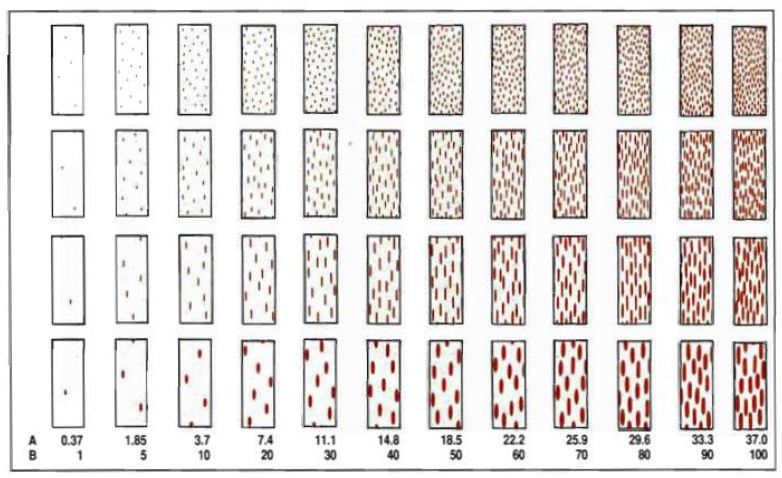
The disease severity was measured as a percentage of stem area infected by rust disease according to Modified Cobb’s scale (Figure 1). The severity of the disease was examined on randomly selected five plants in quadrant.

fig 1

Figure 1: Rust severity estimation on leaves and stem of wheat. A. Percentage occupied by uredinia. B. Rust severities by Peterson et al. (1948). Source: Roelfs et al. (1992)

In addition to the disease parameters, agronomic and geographical data were recorded. Data on geographical information including latitude, longitude and elevation of each field were recorded using Garmin 600 model GPS. 

Sample Collection, Isolation and Multiplication of Single-pustules Pathogen

Infected wheat stem sheath and leaf were cut into pieces of 5-10 cm in length using scissors then placed in paper bags. The collected samples were labeled with the zone, district, variety and date of collection then transported to Ambo Agricultural Research Center (AmARC) laboratory for race identification. Sterilized soil composed of three growing Medias; sand, soil and farmyard manure mixed at the ratio of 2:1:1 by volume were used. “McNair” seeds were raised in 5cm diameter pots by spreading the seeds on filter paper in Petri dishes, moisten with water to allow the radicles sprout and sprouted seeds were planted in to growing pots.

Spores collected from rust infected sample after suspension then inoculated onto a week old McNair seedlings [16]. The inoculated seedlings were placed on a table for 30 minutes until the Soltrol evaporate then the seedling is moistened with fine droplets of distilled water and placed in the incubation chamber in a dark at 18-22°C followed by exposure to light for 3-4 hours to facilitate infection. The humidifier switched on for about 1:30 hours, so the seedlings have enough moisture for the whole dark period to condition facilitate the initial infection. Then after, the seedlings were transferred to glass compartments in the greenhouse a temperature of 18-25°C and relative humidity of 60-70%.

Inoculation of Wheat Stem Rust Differential Host Lines

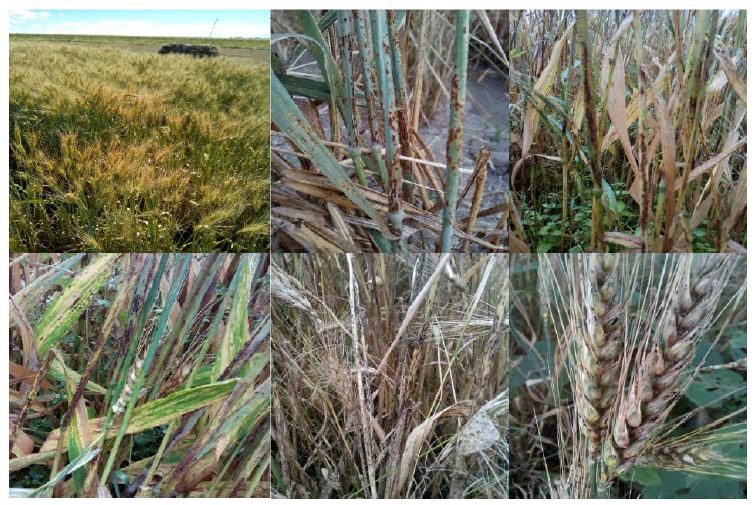
Five seeds of the twenty wheat stem rust differentials with known resistance genes and susceptible variety McNair were grown in 5 cm diameter pots. The required amount 4 mg of spore was prepared in 1ml lightweight mineral oil suspension and inoculated onto a week old seedlings of the differentials. Inoculated plants were moistened with fine droplets of distilled water and placed in an incubation chamber 18-22°C and 98-100% RH. Inoculated seedlings were placed in separate glass compartments greenhouse temperature adjusted with 18°C and 25°C. Natural daylight was supplemented with an additional 4 hrs/day that emitted by cool white fluorescent tubes arranged directly above plants (Figure 2) [7].

fig 2

Figure 2: Picture captured during the sample collection on severely infected wheat varieties

Determination of Stem Rust Races

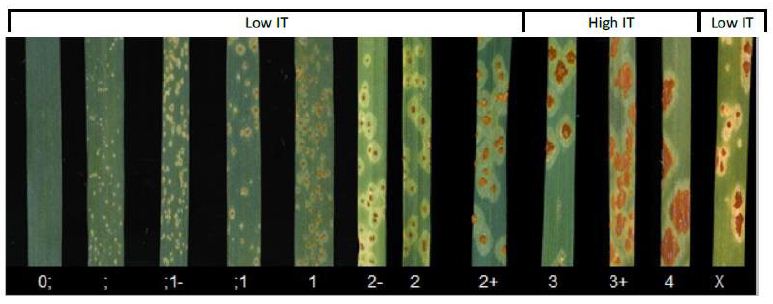
Seedling infection types (ITs) were scored 14 days after inoculation using 0 to 4 scoring scale described by [17]. The IT readings of 3 (medium-size uredia with/without chlorosis) and 4 (large uredia without chlorosis or necrosis) were regarded as susceptible. Other readings, i.e. 0 (immune or fleck), 1 (small uredia with necrosis) and 2 (small to medium uredia with chlorosis or necrosis) were resistant (Figure 3).

fig 3

Figure 3: Infection types of Pgt and host response. Source: Stackman et al. (1962)

Race identification and designation was done using the North American’s nomenclature system for Pgt and grouped the differential lines into five subsets (Table 2). Each isolate was assigned five letter of designation code of [7]. Based on low IT′s isolate that produces on 20 differential lines; the race was designated with a five letter race code BBBBB. Conversely, an isolate that produces a high IT on the 20 differential lines races coded as TTTTT. If an isolate produces a low IT on Sr31 and Sr24, but high infection type on the remaining 18 differential lines, the race was designated as TTTTF. 

Table 2: North American’s nomenclature system for Pgt differential wheat lines

Wheat Pgt gene differential sets and infection phenotype coding

Set

Differential lines identified by Pgt resistance gene

Set 1

5

21 9e

7b

Set 2

11

6 8a

9g

Set 3

36

9b 30

17

Set 4

9a

9d 10

Tmp

Set 5

24

31 38

McN

gt-code Infection phenotype: High: virulent (susceptible); low=avirulent (resistant).
B

Low

Low Low

Low

C

Low

Low Low

High

D

Low

Low High

Low

F

Low

Low High

High

G

Low

High Low

Low

H

Low

High Low

High

J

Low

High High

Low

K

Low

High High

High

L

High

Low Low

Low

M

High

Low Low

High

N

High

Low High

Low

P

High

Low High

High

Q

High

High Low

Low

R

High

High Low

High

S

High

High High

Low

T

High

High High

High

Source: [7]

Disease Data Collection

Seedling infection types (ITs) data obtained from the race analysis study was used for the identification of races using the North American′s nomenclature system for distribution of Pgt races percentage across the study area (zones), altitude ranges and cultivated varieties was analyzed using descriptive statistics by using Microsoft excel. Infection type data obtained from the seedling resistance analysis of the greenhouse experiment was used to group cultivars under different resistance categories according to [17]. Percentage of durum wheat cultivars having resistant vs. susceptible reaction to selected stem rust races was computed using descriptive statistics in by using Microsoft excel.

Result and Discussion

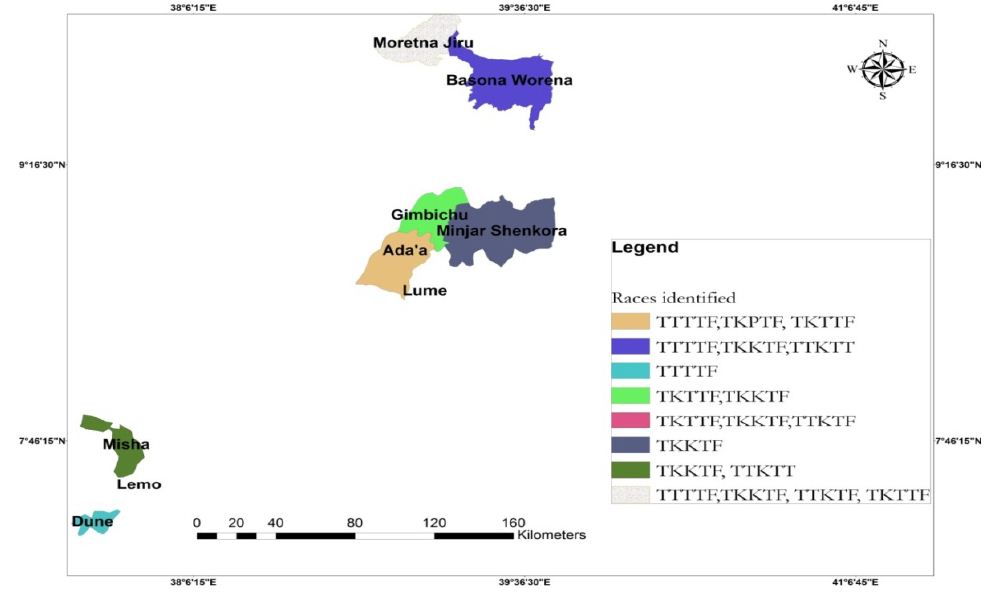
A total of fifty five infected wheat stem rust samples were collected from the three regions. Of those samples collected, 35 isolates have given produced infectious pustules, but 20 samples didn’t yield viable isolates. Of these isolates, 6 races namely TKTTF, TTKTF, TTTTF, TKPTF, TKKTF and TTKTT were identified (Figure 3). TTTTF, TKTTF and TKKTF are found at all selected regions of Ethiopia while; race TTKTF is only found at North shewa and Hadiya zone of wheat potential production area (Figure 4).

fig 4

Figure 4: Distribution of Puccinia graminis f.sp. tritici races in assessed areas. Prevalence of puccinia graminis f.sp. tritici races

The diversified distributions of races were prevalent at northern shewa. Out of the samples 35 viable stem rust samples collected; TKKTF race is identified from 17 isolates at about 48.57%; while TTTTF is isolated 8 times. This implies that that TKKTF and TTTTF are the dominantly diversified races in the areas. The race variation at different location wheat varieties grown and environmental conditions [16, 18, 19]. TKKTF was identified form Hidase variety which is wiped out by this race in 2017/18. From the study indicated that race TTTTF was the second most diversified races in the study locations. The second most everyday identified races were TTTTF and TKTTF at a rate of 14.81% each. Race TKKTF was found at all surveyed locations except Ada’a district (Table 3).

Table 3: Amount of races isolated from assessed fields related to cultivated varieties

Race

Field inspected Percentage of races

Variety

TKKTF

17

30.91%

Mangudo, Kubsa, Kakaba, Land races and Hidase
TTTTF

8

14.55%

Hidase, Kubsa, Mangudo and Tesfaye
TKTTF

4

7.27%

Mangudo and kubsa
TTKTF

3

5.46%

Kakaba and Kubsa
TTKTT

2

3.64%

Kubsa and Mangudo
TKPTF

1

1.82%

Uknown

Altitudinal Variation Influence on Pgt Races Distribution

Altitudinal ranges have influence on distribution of stem rust races diversity. The result revealed that there are variations in stem rust incidence, severity levels and races as well. Much more in number about 22 races with the percentage of 62.86% were identified from high altitudes ranging from 2300-2863 m.a.s.l, conversely; lower number of races was identified at low altitudes ranging from 1500-2300 m.a.s.l. Wide ranges of incidence 0-100% was recorded at higher altitude between 2300-2863 m.a.s.l while the narrow incidence 20-100% was recorded at low altitude between 1500-2300 m.a.s.l (Table 4).

Table 4: Altitudinal variation influence on Pgt races distribution in 2018/2019

Altitude (m.a.s.l)

No. of identified races Percentage % Incidence range Severity range

Host response

1500-2300

13

37.14% 20-100 5-70

MS-S

2300-2863

22

62.86% 0-100 0-70

MS-S

Mean

17.5

50 0-100 0-70

MS-S

Effect of Growth Stage on Pgt Races Distribution

Wheat stem rust distribution is affected by wheat growth and maturity stage depending on food accumulated and prepared in the host plant. Races about 21 in number were identified were detected at dough full growth stage in enough food accumulated (Table 5). Wider ranges of disease incidence 0-100% were recorded at dough stage, while narrow range disease incidence 15-80% was at milk stage. Higher rust severities were recorded at maturity stage 15-70%, but lower severity 5-40% was at milk stage. This implies that wheat growth and maturity stage have influences on rust epidemics.

Table 5: Effect of growth stage on Pgt races distribution in 2018/2019

Maturity stage

No. of identified races Percentage % Incidence range Severity range

Host response

Milk

9

25.71 15-80 5-40

MS-S

Dough

21

60.00 0-100 0-70

MS-S

Maturity stage

5

14.29 100 15-70

MS-S

Mean

11.67

33.33 0-100 0-70

MS-S

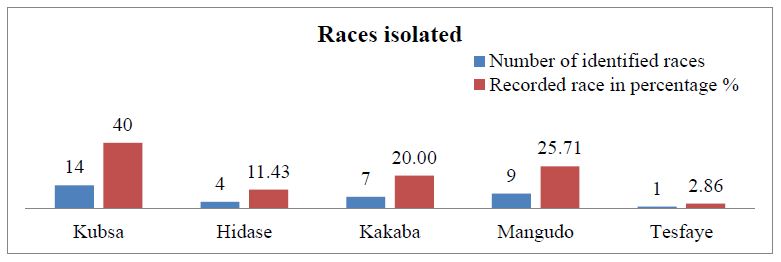
As shown in the graph below more races were detected on kubsa with high percentage record. Races about 14 times were identified sample collected kubsa bread wheat variety. Hidase is one of the popular varieties which is one of the severely infected currently about four races with a percentage of 11.43% (Figure 5) have been recorded on samples collected. One of detected variety is kakaba about 7 races has been identified with percentage of 20%. Among this lesser race about 1 and 2.86% was identified on Tesfaye variety. Mangudo is found to be the second variety infected by nine races with percentage 25.71% among others (Figure 5).

fig 5

Figure 5: Number of races identified and recorded percentage

Summary and Conclusion

Thirty five stem rust isolates were analyzed on twenty stem rust differentials and six stem rust races namely: TKTTF, TTKTF, TTTTF, TKPTF, TKKTF and TTKTT are identified. Race TKPTF was prevailed only at East Shewa zone Ada’a districts, while races TKKTF and TTTTF were dominant isolate from all assessed zones of regions and collected samples which receive the first and second ranks of samples. This implies that TKKTF and TTTTF are the dominantly diversified races at surveyed fields at a rate of 48.15 and 14.55% respectively. Race TKKTF was found at all surveyed locations except Ada’a district. Much more in number about 22 races with the percentage of 62.86% were identified from high altitudes ranging from 2300-2863 m.a.s.l, conversely; lower number of races was identified at low altitudes ranging from 1500-2300 m.a.s.l. Wide ranges of incidence 0-100% was recorded at higher altitude between 2300-2863 m.a.s.l while the narrow incidence 20-100% was recorded at low altitude between 1500-2300 m.a.s.l. In addition to this agro-ecological variation and types of wheat varieties cultivated has greater influence in the presence of races. Survey and surveillance is required to clearly indicate the available Pgt race available in Ethiopia. To develop management methods for each races the breeder is intended to upgrade research on resistance protocols.

Acknowledgment

I would like to thank Ethiopian Institute of Agricultural Research and Debre Zeit Agricultural Research Center for the release of Budget.

Conflict of interest

The author has no declared any conflict of interest

References

  1. Igrejas G, Branlard G (2020) The importance of wheat. In Wheat quality for improving processing and human health.(1-7). Springer, Cham.
  2. Shiferaw B, Smale M, Braun HJ, Duveiller E, Reynolds M, et al. (2013) Crops that feed the world 10. Past successes and future challenges to the role played by wheat in global food security. Food Security5: 291-317.
  3. Tesfaye B, Mesfin K, Tolera A, Gebresilasie H, Gebreyes G, et al. (2019) Some maize agronomic practices in Ethiopia: A review of research experiences and lessons from agronomic panel survey in Oromia and Amhara regions. African journal of agricultural research 14: 1749-1763.
  4. Addis Ababa Chamber of Commerce and Sectoral Associations (AACCSA) (2017) Value chain study on wheat industry in Ethiopia by afro-universal consultant and general trading P.L.C. final report Addis Ababa, January, 2017: 12-59.
  5. CSA (2019) Report on area and production of major crops (For private peasant holding, Meher Season Volume 1). Addis Ababa, Ethiopia: Central Statistical Agency.
  6. Eshete BB (2018) Status and challenges of wheat stem rust (Puccinia graminis F. sp. Tritici) and threats of new races in Ethiopia. Int J For Hortic 4: 22-31.
  7. Jin Y, Szabo LJ, Pretorius ZA, Singh RP, Ward R, et al. (2008) Detection of virulence to resistance gene Sr24 within race TTKS of Puccinia graminis f. sp. tritici. Plant Disease 92: 923-926. [crossref]
  8. Roelfs AP (1992) Rust diseases of wheat: concepts and methods of disease management. Cimmyt.
  9. Burdon JJ, Marshall DR, Luig NH (1981) Isozyme analysis indicates that a virulent cereal rust pathogen is a somatic hybrid. Nat 293: 565-566.
  10. Luig NH, Watson I (1972) The role of wild and cultivated grasses in the hybridization of formae speciales of Puccinia graminisAust J Biol Sci 25: 335-342.
  11. Ambika R, Meenakshi D (2018) Wheat Stem Rust Race Ug99: A Shifting Enemy. Int J Curr Microbiol App Sci 7: 1262-1266.
  12. Pretorius ZA, Singh RP, Wagoire WW, Payne TS (2000) Detection of virulence to wheat stem rust resistance gene Sr31 in Puccinia graminis f. sp. tritici in Uganda. Plant Dis 84: 203. [crossref]
  13. Olivera P, Newcomb M, Szabo LJ, Rouse M, Johnson J, et al. (2015) Phenotypic and genotypic characterization of race TKTTF of Puccinia graminis sp. triticithat caused a wheat stem rust epidemic in southern Ethiopia in 2013–14. Phytopathology 105: 917-928. [crossref]
  14. Abebe T, Woldeab G, Dawit W (2012) Distribution and Physiologic Races of Wheat Stem Rust in Tigray, Ethiopia. Journal of Plant Pathology and Microbiology 3: 142.
  15. Hailu A, Woldeab G, Dawit W, Hailu E (2015) Distribution of wheat stem rust (Puccinia Graminis F. Sp. Tritici) in West and Southwest Shewa Zones and identification of its physiological races. Advances in Crop Science and Technology 3: 189.
  16. Roelfs AP (1992) Rust diseases of wheat: concepts and methods of disease management. Cimmyt.
  17. Stakman EC, Stewart DM, Loegering WQ (1962) Identification of physiologic races of Puccinia graminis var. tritici. Washington: USDA 5-50.
  18. Tesfaye L (2016) Seedling resistance to stem rust (Puccinia graminissp. tritici) and molecular marker analysis of resistance genes in some wheat cultivars. plant 6: 16-23.
  19. Peterson RF, Campbell AB, Hannah AE (1948) A diagrammatic scale for estimating rust intensity of leaves and stem of cereals. Can J Res Sect C 26: 496-500.
fig 3

Breeding and Culture of Macrobrachium rosenbergii; Giant Freshwater Prawn (Scampi), Practiced along the Coast of Kerala, India

DOI: 10.31038/AFS.2022432

Abstract

The Giant freshwater prawn, Macrobrachium rosenbergii (De Man, 1879), commonly known as Scampi, is one of the most important freshwater prawn species widely cultured in several tropical and sub-tropical countries around the world. It has several attractive attributes as a candidate species viz., fast growth rate, compatibility to grow under poly-/mixed-culture, hardy nature, high market price and demand in both domestic and export markets. Besides, it can also be cultured in low saline brackish water areas (salinity < 10 ppt). It is an indigenous species of India and is naturally occurring in most of the river systems along both coasts of India. It can be cultured alone or with compatible fish species such as Catla (Catla catla) and Rohu (Labeo rohita). It is also a suitable species for incorporating in paddy-cum-fish culture (rice-prawn farming) system. Culture of Scampi can be carried out in earthen ponds, cement tanks and pens.

Keywords

Macrobrachium rosenbergii, Broodstock culture, Seed production, Management

Introduction

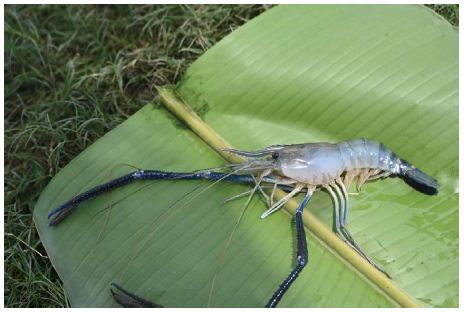
The species is characterized by the overlapping of pleura of second abdominal segment over those of first and third segment [1]. It can easily be identified by its large second pair of thoracic legs in male. Rostrum is long and is bent in the middle and upturned distally. The rostral teeth formula is 12-13/11-13 (most common). There are distinct black bands on the dorsal side at the junction of all abdominal segments. In the juveniles, on the lateral sides of the carapace, several horizontal blue/black bands are characteristics of this species (Figure 1) [2-14].

fig 1

Figure 1: External appearance of Macrobrachium rosenbergii

Distribution

Macrobrachium rosenbergii, a tropical species, is widely distributed in the Indo-Pacific region, ranging from the Indus River Delta through India, Shri Lanka, Bangladesh, Myanmar, Malaysia, Thailand, Vietnam, Indonesia and the Philippines, to Australia and New Guinea. Natural distribution of the species is limited to estuarine and freshwater zones of river mouths and backwaters having temperature usually ranging from 25-34°C and salinity from 0-20 ppt. The species is distributed in the lower stretches of most of the river systems of both the coast of India. It has been introduced in many parts of the world for commercial farming [13].

Habit and Habitat

It is benthic in its habit, sluggish by nature and hides under shades and shelters in the shallow areas of rivers, canals, lakes and ponds during day time to avoid direct sunlight and is very active during night time. It moves slowly and continuously and with slight disturbance jerks backwards and retreats. It is omnivorous, becomes cannibalistic when hungry and has territorial instincts [1,10].

Life Cycle

The giant freshwater prawn has five distinct phases in its life cycle: egg, larva (zoea), post-larva, Juvenile and adult. In nature, juvenile to adult stages are spent in freshwater habitat. Attainment of maturity and mating takes place in freshwater/habitat [1,6]. The egg-bearing (berried) females migrates to brackishwater environment for incubation of fertilized eggs and embryonic development. Hatching and growth of larvae through eleven stages, till they metamorphose to post-larvae, takes place in brackishwater environment. The post-larvae/juveniles ascend to the freshwater zones of the rivers, backwaters, lakes, canals, etc., which are subjected to the tidal influence.

Materials and Methods

Hatchery Production of Seed

Good quality seed is the single most critical input in successful prawn farming as the survival, growth and overall production depends on it. Due to the obligatory requirement of brackish water for hatchery operations, most of the prawn hatcheries are located nearer to the coast. Inland hatcheries mostly use diluted brine (concentrated seawater transported from salt-pans) or synthetic salts to prepare artificial brackish water. After the breakthrough in closing the life cycle of the species in captivity by Dr. SW Ling in 1962, several researchers have developed different types of larval rearing techniques for hatchery production of post-larvae (PL). The most widely used method is clear water technique originally developed by AQUACOP [2-5,8].

ICAR-CIFA has developed and standardized a semi-closed two-phase clear water technology for larval rearing of Scampi. In this technique larval rearing is carried out in two phases (9). In the first phase high density (>200-300 larvae/l) rearing is carried out in smaller tanks (500-1000 L) for 10 to 12 days. In second phase low density (50-60 larvae/l) rearing is carried out in larger tanks (>2000 L) till the entire batch metamorphoses to post-larvae (in 20-25 days). During the first phase the larvae are fed exclusively on live feed Artemia nauplii, whereas during the second phase the dominant feed item is the inert feed such as egg custard, while live-feed is a minor component. Water is exchanged at 50% once every alternate day to maintain water quality. This technique is simple to operate and helps in optimum utilization of space and feed and gives good results with PL output of >35/l.

Steps Involved in Establishing a Hatchery

The following section gives a brief account of the steps involved in establishing a Scampi Hatchery.

Site Selection

A careful selection of site is essential for the successful operation of hatchery in a particular locality. It is also equally important to consider the following essential factors to ensure success in achieving the production target.

Climatic Conditions

Temperature is a key environmental factor for successful operation of hatchery as Scampi is a tropical species. Since the optimum temperature range required during seed production is 28-31°C, the hatchery should be located in tropical or sub-tropical zones. Area selected should have temperature near the optimum range over a minimum period of eight months for profitable operation of hatchery. Besides temperature, rainfall, sunlight, humidity and wind speed at the site are also considered before selecting it for hatchery. Areas vulnerable to natural calamities such as floods, cyclones and earthquakes are not suitable for hatchery construction.

Topography

Assessment of transects, evaluation of slope and determination of the most economic way of constructing hatchery are important. Flat or slightly sloping lands are good and slope close to 2% minimizes the construction cost for broodstock ponds associated with hatcheries. In addition, gravity water-filling and draining from the pond becomes cost-effective and easy.

Soil

Soils that sustain biological activities and have water retention capacity apart from structural stability are considered suitable.

Availability of Adequate Freshwater and Seawater

The hatchery site should preferably be near the coastal areas. Seawater used in the hatchery should be free from pollutants. Seawater can be pumped from surface of the sea or estuary during high tide phases through an in situ filter bed [5]. Saltwater also can be drawn from underground source by sinking deep tube-well fitted with suitable pumps. Freshwater can be drawn from a river/canal/shallow groundwater source. Un-contaminated freshwater is essential for hatchery operations, mainly for broodstock management, for diluting seawater (larval medium) and for general use.

Good Physical Access to the Site

Site should have good all-weather approach-road for facilitating easy and low-cost transportation of construction material, pond and hatchery inputs and for marketing seed.

Uninterrupted Power Supply

Adequate power supply is most important consideration during hatchery activity. Therefore the site should have good proximity to uninterrupted power source.

Hatchery Facilities

The following section give a brief account of the facilities required for a Scampi Hatchery:

Hatchery Building

A proper building or shed based on the scale of operation to house the larval rearing tanks, post-larval holding tanks and Artemia tanks is essential for the successful operation of the hatchery. Small hatcheries may be set up in a shed made up of palmyrah trunk and leaves, or a bamboo framework, but large hatcheries are to be constructed in permanent shed. A low-cost permanent shed should have side walls of brick and cement and flooring with proper drainage facility and should have a mix of asbestos- and translucent fibre-sheets fitted over the roof. The translucent sheets meant for good light penetration should cover around 15% of the total roof area. A common drain of around 24’’ to 30’’ wide and 15’’ to 20’’ deep may be constructed to drain water from all the tanks by gravity.

Water Storage Tanks

Separate cement tanks for storing seawater, freshwater and mixed water (larval rearing water) are required. The tanks for the first two types of water may be constructed outside the hatchery shed, whereas the tank(s) for larval rearing water (salinity 12 ppt) are better located either under a temporary shed or even inside the hatchery proper (in small hatchery) to get water of ambient temperature in the larval rearing tanks. The size and capacity of above three types of tanks will depend on the overall production capacity of the hatchery. Huge quantity of larval rearing water is normally required in a flow through hatchery. Larval rearing medium of about 12-times the total volume of rearing tanks are required for each seed production cycle. The hatchery should have water storage facility of at least 3-times the volume of its larval rearing tanks to allow for adequate water storage, treatment and mixing time for preparation of larval medium. To minimize the costs, tanks are better constructed at ground-level and provision for pumping the water at required place should be made.

Broodstock Holding Unit

Broodstok holding facility may comprise of FRP or cement tanks, the size depends on the capacity of hatchery. These tanks inside the hatchery are for keeping both mature male and female prawns for breeding and for final maturation of eggs, or keeping berried females collected from the wild/grow-out facilities for acclimatization to hatchery conditions. This facility should be separate and away from the larval rearing unit as prawns collected from outside may be infected and need to be given prophylactic treatments.

Larval Rearing Unit

Larval rearing unit should be established as a separate unit so that it is safe and free from any likely outside infection. In large hatcheries, several such small units may be established instead of making a single very large unit to prevent spreading of infection. Larval rearing unit may comprise of large number of tanks made up of FRP, ferro-cement, or cement. Tanks can be circular, rectangular or cylindrico-conical in shape. Usually rectangular tanks of 2 to 10 t capacity are preferred. All right-angled corners should be rounded off to facilitate cleaning and to prevent algal growth. The tank bottom should preferably be ‘U-shaped’ and have sufficient slope so as to drain completely. The interior of the tanks should be painted with several layers of dark coloured pure epoxy resin to prevent leaching of toxic chemicals and to provide smooth surface. The depth of the tanks should be approximately 1.0 m and the water column not more than 0.9 m. The number of larval rearing tanks (LRTs) depends on the hatchery capacity.Tanks should be provided with vigourous aeration from a grid of air-blowers and pipes. The air-stones of all the aeration points should be close to the tank bottom. The tanks should have provision for inlets to receive larval rearing water through pipeline from the larval water storage tanks [6,7,11].

Post-larval Holding Tanks

Rectangular cement or concrete tanks of 2 to 10 t capacity are suitable for holding post-larvae till disposal. The number of such tanks depends on the hatchery capacity. Post-larval Rearing Tanks (PLRTs) also can function as broodstock holding tank. These tanks are better placed outside the main hatchery building to reduce and offset the construction cost, but should be provided all around with green shade-netting (commonly used in green-houses) and covered over a pipe framework fitted at a height of approximately 8-10 feet. Such arrangement will keep tank water free from algal growth and also from dust. The tanks should be provided with separate inlets for freshwater supply and an aeration system.

Artemia Cysts Hatching Tanks

Artemia or Brine Shrimp cysts are a source of pathogens and hence there should be a separate unit for their hatching. The size of the tanks depend on the overall requirement of Artemia nauplii (AN) per day in the hatchery. Cylindro-conical shaped tanks are better from operational point of view. They should have transparent bottom where nauplii could be easily attracted by artificial light (lamp) and drained from bottom outlet. Cylindrico-conical fibreglass reinforced plastic tanks of 100 to 500 litre capacity with a central drain and water control structure can be used as Artemia cysts hatching tanks.

Aeration System

A reliable 24-hour oil-free aeration system is essential for hatchery in order to maintain dissolved oxygen levels in excess of 5 ppm in various units of the hatchery. The air supply is essential in all the tanks used for broodstock holding, hatching, larval rearing, post-larval rearing and Artemia hatching. Although majority of the units require mild aeration, it should be vigorous or rather bumping particularly in larval rearing and Artemia hatching tanks. Three-phase electrically operated air-blowers both roots-type and fan-type can be used but fantype provide better aeration and create relatively less noise. Diesel operated air-blowers could also be used where power supply is either not available or there is frequent failure. The capacity of air-blower should depend on the overall requirement of air in different units or the size of the hatchery. A 200 CFM (5.66 m3/minute) air-blower is sufficient to supply air for a hatchery capable of producing 20 million post-larvae/year. The air-blower or a set of air-blowers should be used at a stretch for a maximum period of 8 hours and switched off, followed by supply from a second set of similar blowers. This practice reduces losses from early wear and tear and avoids sudden aeration failure in the hatchery. The aeration pipeline grid should be installed in such a way and place that it cannot breakdown due to movement of people and other hatchery items. It is better to arrange pipelines overhead and each tank may be provided separate pipeline of smaller diameter pipe of 0.5 to 1.0 inch PVC pipe (dropping from the main pipeline). Each dropping pipeline in turn ought to be provided with small holes for fixing plastic joints and fixing aeration tubings of 1/8 inch diameter, which are provided with air-stones and dropped into the tanks for aeration.

Water Supply System

A separate pipeline both for freshwater and larval-rearing water is essential in the hatchery. Freshwater is required in almost all the hatchery sections, i.e. broodstock holding tanks, hatching tanks, larval-rearing tanks and post-larval tanks for use as media and also for washing the tanks, whereas, larval-rearing water of 12 ppt salinity is required only in the larval tanks (LRTs). Accordingly, separate pipeline for both types of waters would be required with provision for separate inlet near one side of the tank. The pipeline and all other fittings including ball valves should be made up of PVC rigid pipe as metal pipes and fittings are likely to be corroded by saline water and leaching of metal ions may take place in the tanks which may harm the prawn larvae.The diameter of water pipeline shall depend on the volume of water required every day in the hatchery. As a thumb rule, initially from pump side, it may start with 3-6 inch diameter pipe and subsequently reduced to 1-2 inches at the tank inlet. Complete pipe line is to be laid inside the hatchery building so that temperature fluctuations are minimized.The water system is simple and all the storage tanks should be sufficiently elevated above the larval rearing tanks (LRTs) so that brackish water can be introduced by gravity.

Power Back-up System

The hatchery needs round the clock power supply for the operation of aeration and water grids. Power breakdown even for a short duration may cause mortality of hatchery live-stock. Therefore, a back-up power system of sufficient capacity is essential for the hatchery. The diesel generators can support power back-up for sufficient duration. The generators are to be installed at a suitable place slightly away from the main hatchery building to minimize sound and air pollution.

Laboratory

A small laboratory, having working platform for keeping equipment/chemicals/glassware/plasticware, should be established possibly within the main hatchery building for easy approach. The laboratory should be provided with necessary equipment and facilities like refrigerator, salinity refractometer, pH meter, dissolved oxygen (DO) meter, weighing scales (chemical/digital/dial/spring balances), hand lens, different types of microscopes (field/dissection/low-power binocular/compound), pressure cooker, mixie, necessary glassware, plastic-ware and chemicals for estimation of DO, hardness, alkalinity, etc.

Broodstock Management

Scampi broodstock may be procured both from wild and grow-out ponds, in later case, care should be taken that the stock is not under severe inbreeding depression. Raising healthy brooders in the close vicinity or at the hatchery site is ideal. If reared at the hatchery site, the stocking density should be <10,000/ha. Half of the feed ration may be substituted with the equivalent amount of pieces of fresh feeds, such as mussels flesh, cut to the appropriate size, at least twice per week. 1 kg of wet feed is roughly equivalent to 200 g of pellet diet. The feed ration should be given in two equal portions, normally early in the morning and late evening. The pond water should maintain optimum water conditions with partial exchange (30-40%) every fortnightly in case of earthen ponds.

Only berried females in an advance stage of egg-incubation (those carrying grey egg-mass) should be brought to the hatchery for hatching eggs so as to minimize cost of maintenance at the brood holding tanks. The berried females having entire egg mass should be selected and stocked in these tanks .The size of the brood prawn should preferably be 60-100 g in weight. It should be apparently healthy and free from diseases particularly from epibiont fouling, lesions, spots, infected appendages, etc. Brooders should be procured and transported with utmost care so that it does not lead to injury and loss of egg mass. Transport of berried females over shorter duration can be undertaken in buckets or tubs containing water of the same pond. For two to three hours journeys, the broodstock can be transported in open containers having water of the same pond along with some aquatic weeds. The container(s) may be provided aeration from a battery operated portable aerator. For long distance transportation (>12 hours), brooders may be packed in 9 inches (23 cm) long 50 mm dia slotted PVC pipes, tide on both ends with meshed cloth. 3-5 such pipes may then be kept in one polythene bag having 5-6 litre of water and packed with oxygen and transported in a carton. It is recommended to transport the bags in insulated containers to avoid temperature fluctuations and movement. The temperature should be maintained at 25-27°C. The rostrum of each prawn should be blunted with scissors or a rubber cap should be placed on it so that the polythene bag does not get punctured. For transporting in PVC tanks with aeration, a maximum stocking rate of one prawn per 40 litre of water should be maintained.

The berried females should be handled with utmost care after their arrival in the hatchery and also while shifting from one tank to the other. The female should be caught under water using a bucket and keep them immersed in water while shifting to the other tanks. Catching with hands or scoop net result in shedding of egg mass and injury to the female and hence poor hatching performance. The female should be disinfected with formalin (@ 50 ppm) under vigorous aeration for 8-10 hours followed by complete change of tank water for the control of epizoan parasites before putting them in the hatching tank.

Hatchery Operation

Operation of hatchery involves different activities starting from preparation of water till post-larval disposal. The following section briefly describes the steps involved in hatchery operation.

Preparation of Larval Rearing Water

Seawater for larval rearing should preferably be collected from a sea coast having little pollution impact. For transportation of seawater, plastic barrels or FRP tanks are desirable. Transporting by truck-tankers having tank made up of iron may increase iron contents in the water and hence should be avoided. Seawater need to be disinfected for probable pathogens by active chlorine and potassium permanganate @ 5 ppm and 2 ppm respectively after shifting into the treatment tanks under vigorous aeration. Good quality freshwater is also required for preparing larval rearing water of 12-13 ppt salinity from seawater. The prepared mixed water should be disinfected with active chlorine @ 5 ppm under vigorous aeration for at least for 48 hours and the residual chlorine may be removed by adding sodium thiosulphate. The water should then be filtered with 5µ bolting silk cloth bag and used in the larval rearing tanks.

Larval Production and Rearing

The usual practice followed in most commercial hatcheries is stocking a large number of berried females of similar egg colour for hatching in a large tank. However, this is unsafe for many reasons particularly heterogenous size of larvae (zoea), disease spreading, mixing of healthy and unhealthy larvae that would cause problems at later stages. Hence only few berried females required to supply enough larvae for larval rearing tanks should be kept in each hatching tank for minimising chances of spreading pathogens and for production of healthy batch of larvae [11,12].

Hatching tanks should be provided aeration round the clock. Hatching generally takes place in the night and hence freshly hatched larvae (length about 2 mm) are to be harvested as soon as possible through siphoning as the female may consume them if kept for prolong period. Fresh or low salinity water (salinity 3-4 ppt) having pH below 8.3 and temperature 28-3°C should be used in these tanks. The larvae should be disinfected with 15 ppm formalin for 5-10 minutes before shifting to larval rearing tanks.

Larval rearing tanks (LRTs) should be thoroughly cleaned and disinfected with bleaching powder at least two days prior to larvae stocking. The tanks are filled with filtered larval water (salinity 1213 ppt) prepared at least 48 hours before use preferably in indoor conditions of the hatchery. The tanks should be provided with vigorous aeration throughout the tank area and care should be taken to minimize dead ends. This practice helps in uniform circulation of food particles in the tank for easy feeding by the larvae as well as to reduce larval cannibalism due to continuous movement. The stocking density of larvae in the tanks will depend on the rearing methodology adopted. In single stocking method in which zoea larvae are reared to post-larvae, they are stocked at 50-60/litre; in two-phase stocking method, initial larval stocking density is 100 larvae/litre, which is reduced to 50-60/litre, by thinning/shifting, when they reach Stage-V Zoea. Freshly hatched Artemia nauplii (AN) should be fed all the time to all the eleven Zoea Stages (I-XI); however, feeding exclusively nauplii may be cut down after Stage-V Zoea, when egg custard is incorporated in the diet. The quantity of Artemia nauplii and egg custard should be given according to the area of the tank and not by the number of larvae being reared. This is essential because the larvae prey on the food by touching and not by seeing.

The larval tanks should be cleaned daily to remove accumulated debris, left over feed and faecal matter through siphoning. Around 50% of the tank water should be replaced with fresh larval water after cleaning. The larval tanks may be provided with 5-10 g of EDTA (Ethylene diamine tetra acetic acid) per tonne of water for chelation of heavy metals after every 3-5 days. Antibiotics should not be used in the larval tanks and instead use of probiotics is considered ideal. Both live and formulated diets are used in the hatchery for feeding larvae and post-larvae. The live feed used in prawn hatchery are Artemia nauplii and Moina macrura. The later is used only in few hatcheries, where it is cultured in the pure form separately. The formulated diet comprises of egg custard.

Preparation of Live Feed (Artemia nauplii)

Artemia, commonly known as Brine Shrimp, is a small crustacean living in salt pans and high saline water bodies. During unfavourable conditions they produce hard shelled cysts (fertilized eggs). These cysts hatch when provided with favourable conditions. Newly hatched microscopic free-swimming larvae are called nauplii. They form a highly nutritious live diet containing more than 50% crude protein and 12% lipid. The size of nauplii is important for proper use in the larval tanks. Nauplii of Artemia salina of San Francisco Bay and Great Salt Lake (USA) are comparatively very small (~400 µm in length) and considered best for use in the prawn hatchery. Artemia cysts are sold in the market in tin packs of generally one pound weight (454 g). Based on the hatching rates, it is categorized generally into three qualities ranging from 70-95%. Better the hatching rates, less the chances of contamination. Artemia cyst tins are to be stored in deep freezer immediately after the procurement otherwise its nutritional and hatching quality get deteriorated.

Artemia cysts are usually contaminated with bacteria, fungal spores, other micro-organisms and organic impurities that may infect the water of larval rearing tanks if not treated properly. Hence, cysts need to be disinfected before stocking for hatching. The disinfection eliminates the chances of infection. The number of Artemia per unit weight depends on the type of artemia. On an average, Artemia of Great Salt Lake may yield 2.7 lakh and that of San Francisco Bay 3.2 lakh nauplii per gram weight. Find out the hatching rate of Artemia from instructions written on the tin for the first time and subsequently after observing the hatching percentage by manual counting. The Artemia cysts are stocked in the hatching tanks @ 2 g/l seawater, where they hatch out between 12-24 hours. After harvesting, nauplii need to be acclimatized to the salinity of larval rearing water by gradually mixing freshwater. The nauplii should also be treated with 15 ppm formalin for disinfection. Freshly hatched nauplii are to be fed to the prawn larvae as they are rich in nutritional contents in the beginning which gradually reduces with time.

Artemia Enrichment

The nutritional quality and physical size of nauplii vary enormously from source to source and even between individual batches from a single source. Of particular importance is the level of essential polyunsaturated fatty acids, eicosapentaenoic acid (EPA, 20:5n-3) and docosahexaenoic acid (DHA, 22:6n-3), which depends on the composition of primary food available to the brine shrimp in the locations where they originate and is generally found low. In order to provide sufficient quantity of these essential fatty acids, the nauplii are to be enriched with both EPA and DHA. There are various enrichment products available in the market, such as Super Selco, DHA Selco (INVE, Aquaculture), Super artemia (Catvis BV., 5222 AE, Netherland), Super HUFA (Salt Creek Inc, USA), Algamac-2000, Algamac-3050 (Biomarine Inc., USA). The methodology for enrichment is provided with these products.

Egg Custard

Egg custard is provided to advanced larvae (Zoea Stage-V and above). A good quality egg custard can be prepared by mixing whole egg, skimmed milk powder, corn flour/wheat flour, mussel/shrimp/prawn/squid meat, yeast, agar, cod liver oil and vitamin-mineral mixture. All the ingredients are blended in a mixer-grinder and cooked under steam in a pressure cooker for maximum of 15-20 minutes. It should not be over cooked as it will lose its flavour and nutritional quality. The egg custard should be used within 4-5 days of its preparation and the left over portion to be kept in a refrigerator. A measured quantity of egg custard is seived through strainers of different mesh sizes.

The mesh of sieve may be selected from fine to coarse depending on the mouth size of the larvae. Smaller larvae need smaller particles whereas larger larvae require bigger particles of egg custard and accordingly selection of sieve is done. The egg custard is then pressed through the sieve held in some water, just sufficient to accommodate the sieve mesh. Water is then drained leaving particles of egg custard in the container. The particulated custard is again washed with freshwater so that finer particles are drained off completely. Vitamin-mineral mixture is added to the egg custard mash and feed to prawn larvae. Egg custard should be fed 3-4 times during day time and left over particles should be drained out in the evening so that they do not foul the water during long stay in the tank.

Collection of Post-larvae from Larval Tanks

The first post-larva (PL) could be seen in the tank (LRT) after around 18 days of rearing; however, majority of them appear after 25 days depending on the water temperature. When sufficient numbers of Zoea Stage-XI larvae (say 40%) metamorphose to post-larvae they should be harvested and stocked in the post-larval tanks. Delay in harvesting results in cannibalism of the larvae by the post-larvae which are highly cannibalistic in nature. Post-larvae have to be harvested from the larval rearing tanks whenever sufficient numbers appear in LRTs. For collection of postlarvae from the larval tanks, aeration in the larval tanks is to be stopped. By doing this, all the larvae will come to the surface and post-larvae being photo-negative will settle at the bottom from where they could be siphoned out with the help of a flexible tubing. Post-larvae have to be checked for any probable infection at the time of harvesting and if stock is found free from any infection, they should be released in the post-larval tanks. After harvesting from the larval tanks, the postlarvae need to be acclimatized to freshwater conditions gradually.

Post larvae (PLs) should be reared in freshwater tanks (PLRTs) till they attain the desired size/age. They may be fed on commercial prawn starter diet specially prepared for them. Around 50% tank water is to be changed daily and all leftover feed, faecal matter and debris to be removed at the same time. The growth of post-larvae may be checked by observing their moulting on a regular basis. Harvesting of post-larvae should be done when they attain the desired size in terms of length. The post-larvae of size above 10 mm is considered ideal for harvesting and stocking in the nursery ponds. The seed of more or less same size should be supplied for stocking in the nursery pond. Post-larvae can be packed in polythene bags containing 4-5 litre water and oxygen and kept in cardboard cartons for transport. For long distance transportation of >12 hours, a sachet of cooling gel is placed in each seed pack container for maintaining temperature.

Hatchery Hygiene and Prophylactics

Prawn larvae are highly susceptible to pathogens and lot of mortalities are often observed in the hatcheries.

Therefore, strict surveillance is needed to avoid entry of pathogens that come both from outside and inside. As a first and foremost control measures, the entry of people in the hatchery should be restricted only to the workers of the hatchery. Soak pits to be constructed at all the entry points which are cleaned daily and filled with water containing disinfectants like bleaching powder. Similarly, wash basins containing sanitizers should also be available at the entry points. Everyone should wash their hands and feet before entering the hatchery. Lot of tools like hapa, hand nets, sieves, cloth pieces, etc, which are used in the hatchery tanks should be washed and disinfected before using in other tanks. The entry of such items should be limited to one unit of the hatchery only and should not be allowed to be used in the other unit. All the tanks of the hatchery should be washed before and after use with clean freshwater and disinfected with bleaching powder or iodophor substances. The components and equipment used in the hatchery should be washed and disinfected after every use.

V.Grow-out Culture

Scampi can be cultured either alone (mono culture) or in combination with compatible fishes like Carps, Tilapia, etc (polyculture). Culture can be carried out by direct stocking of post-lavae or stocking juveniles after a nursery phase of 45-60 days. Incorporating a nursery phase has shown improved survival and production during grow-out culture (Figure 2).

fig 2

Figure 2: Grow out culture ponds with paddle wheel aerators

Nursery Phase

Nursery is the intermediate phase between hatchery and grow-out of freshwater prawn. It involves rearing of the delicate 25-day or older post-larvae (10-20 mm), obtained from hatcheries, in well prepared earthen ponds (0.01 to 0.1 ha) or concrete tanks for a period ranging from 45-60 days till they grow to juveniles (1-2 g). Stocking density ranges from 20 to 50/m2. Higher stocking densities would require aeration or water exchange. Stocking nursery reared larger juvenile prawns in grow-out ponds gives better yield and predictable production than direct stocking of post-larvae. Hence nursery rearing phase is always recommended prior to grow-out culture. Pond preparation and management are similar to that of grow-out ponds except that hide-outs are not provided in nursery ponds. Floating aquatic plants such as Eichhornia sp. may be introduced in a floating bamboo or PVC frame to cover 5-10% of pond surface area. The dense root system of these plants provides shade, shelter and food to growing post-larvae. Good quality commercial pellet feed (Starter-I) is recommended for feeding the post- larvae twice daily. If it is not available, then powdered oilcake and ricebran mixture can also be fed to post-larvae at 100% biomass per day for the first 10 days and slowly reducing the quantity as the prawns grow. Survival rates of 75 to 80% can be achieved during nursery phase under good management practices.

Grow-out Phase

Grow-out phase follows nursery phase where the juveniles harvested from nursery ponds are stocked in well prepared earthen grow-out ponds at a stocking density of 3/m2. As stocking density shows a strong negative relationship with growth, lower stocking densities are preferred if the farmer wishes to harvest larger prawns. Higher stocking densities (>5/m2) will lead to smaller prawns at harvest. The prawns are fed daily with formulated pellet diet (2-3 mm) at 10% of the biomass initially and then reduced to 3% of the biomass at the end of culture period. Monitoring important water quality parameters such as dissolved oxygen, pH and temperature is recommended to prevent loss of stock due to poor water quality. Regular monthly sampling needs to be carried out to assess the growth and health of the prawns as well as to revise the feed ration. After four months, marketable size prawns (>40 g) may be harvested by using large mesh net and this selective harvesting should continue once every 3-4 weeks for another 3-4 months and finally the prawns can be harvested by completely dewatering the pond.

Site Selection

The selected site should have warm climate for nearly 6-8 months (temperature >20°C). It should have a supply of good quality, pollution free freshwater or brackish water (<7 ppt) for at least 6 months. It should have soil with good water retention capacity.

Pond Construction

  • Ponds should preferably be embankment-type that can be fully drained by gravity.
  • Ponds should have an inlet and outlet.
  • Pond bottom should have a gradient/slope (1:200) towards the outlet.
  • Pond bund should have a suitable slope (1:2, 1:3).
  • Water control structure should be installed at inlet and outlet to aid water exchange.
  • Pond size – 0.2 to 1.0 ha (preferably 0.2-0.5 ha).
  • Rectangular shaped ponds with the long axis oriented in the direction of prevailing wind are most suitable.
  • Soil – clayey loam, sandy loam. Depth – 2 m.

Eradication of Competitors and Predators

  • This step may not be necessary in newly constructed ponds but in old ponds, all unwanted species such as predatory fishes, weed fishes and aquatic weeds should be removed.
  • Drying and exposing the pond bottom until cracks developed is the best way of eradicating predators and competitors.
  • Drying and exposing the pond bottom also kill pathogenic microbes and helps in oxidizing the pond bottom.
  • Poisons of plant origin such as mahua oil cake, tea seed cake or derris root powder may be applied in un-drainable ponds to kill predators and unwanted fishes.

Liming

  • Liming is an important step in pond preparation and is done after drying the pond by spreading the lime uniformly on the pond bottom.
  • The rate of application varies with soil pH; to a pond having soil pH above 6 agricultural lime (Calcium carbonate) is applied @ 200250 kg/ha.
  • Application of lime helps to correct pH; increases the buffering capacity of water; disinfects the pond bottom as well as acts as a source of calcium which is important for exoskeleton formation in prawns.

Fertilization

  • After liming, the pond is filled with water up to 1-2 feet and manure or fertilizers are applied for development of plankton.
  • Surface waters from rivers, canals or reservoirs or groundwater from bore-well may be used for culturing freshwater prawns.
  • A fine-mesh net should be used to screen the inlet water to prevent entry of eggs and larvae of predatory and weed fishes that may colonize the pond and lead to poor growth and survival of the stocked prawn juveniles.
  • Cow dung @1000 kg/ha or poultry manure @500 kg/ha and super phosphate @100 kg/ha may be applied to initiate plankton development.
  • The pond can be filled up to the desired level (4-5 feet) after initial manuring.
  • Manures or fertilizers helps in development of phytoplankton which in turn prevents development of benthic algae and rooted vegetation.
  • It also helps in development of bottom living animals on which the prawn feeds.

Provision of Hideout and Bird Netting

  • Prawn needs shelter/hideout during moulting to avoid predation by other prawns. Hence cut branches of trees, nylon screen, earthen pipes etc can be provided as hideout. Hideout materials also provide more surface area for the prawns.
  • Birds are one of the major predators and can cause significant reduction in survival, so tying nylon ropes or large mesh gill net above the water surface provide some protection from bird predation.

Stocking the Pond

  • Ponds can be stocked with post-larvae or juveniles after preparing and laying hideouts.
  • Prawn seed from hatchery needs to be acclimatized at the farm site by floating the transport bag in the pond for 15 minutes. After opening the bag, pond water should be allowed to flow into the bag and post-larvae/juveniles should be slowly released into the pond.
  • Stocking should be done early morning or late evening which is the ideal period.
  • A stocking density of 3/m2 is desirable, which however may be reduced to 50% in polyculture pond with compatible fish species such as Catla, Rohu, Silver Carp and Grass Carp.

Water Quality Management

  • Visibility/transparency and colour of the pond is an important indicator of the health of pond ecosystem. In unproductive ponds the visibility can be up to the bottom which will lead to growth of bottom algae that adversely affect the growth and survival of prawns. Low visibility (<10 cm) indicate high blooming or turbidity that could cause problem of oxygen depletion and mortality of stocks. Ideally, the visibility should be maintained in the range of 30-40 cm to avoid water quality deterioration.
  • Daily monitoring of water quality parameters such as dissolved oxygen, pH and temperature is recommended to prevent loss of stock due to poor water quality. Loss of prawn is usually associated with low dissolved oxygen level in the pond. Therefore it is essential to maintain dissolved oxygen at optimum level of >4 ppm at all times. Provision of aerators (paddle wheel or any other such devices) is recommended especially during the final 2-3 months when the biomass in the pond is high. When the oxygen level in the pond is critically low, the prawns come to the surface along the periphery which indicates the need for taking immediate remedial measures such as water exchange or operation of aerators to avoid mortality of stock.
  • Water should be free of pollutants and toxic chemicals and the optimum ranges for a few most important water quality parameters for freshwater prawn culture are as follows (Table 1)

Table 1: Optimum Water Quality Parameters for Scampi Farming

Water Parameter

Optimum Range

Temperature (°C) 28-31
Salinity (ppt) Freshwater/low-saline (<7 ppt)
pH 7.0-8.5
Dissolved Oxygen (ppm) >4.0
Total Hardness (ppm) 40-100

Feed Management

  • Freshwater prawns are omnivorous and feed on both animal and plant materials, found on the pond bottom, such as algae, aquatic insects and their larvae, worms, crustaceans, small mollusks, etc.
  • Farmers may use commercial pellet feed having good water stability or farm made feed. Most commonly used ingredients for farm made feed includes ricebran, broken rice, groundnut oil cake, tapioca powder, fishmeal, apple-snail meat, etc.
  • Prawns are fed daily at 25% of the biomass during the first two months which is gradually reduced to 3% of the biomass at the end of culture period.
  • Although feed is usually broadcasted around the periphery of the pond in shallow area, providing of feed in checktrays kept in different areas of the pond will help in determining the quantum of feed required per day.
  • Feeding should be done during late evening or early morning since prawns are more active during night time.
  • Feed rate should be revised once every three weeks depending on the average body weight obtained during monthly sampling. Weight dependent feeding rates is given in table as follows (Table 2)
  • Regular sampling of prawns using cast net or small mesh seine net at 3-4 week interval is essential to assess the growth of prawns. Feed rate is revised after every sampling based on the body weight and estimated biomass in the pond.

Table 2: Optimum Feeding Rate for Scampi in Grow-out Pond

Body Weight of Prawns (g)

Feeding Rate (% Prawn Biomass)

< 2

> 25
2-5

10

5-10

8
10-15

6

15-20

4
20-25

2.5

25-30

2
> 30

1

Health Management

  • Diseases in freshwater prawn grow-out culture are usually found to be associated with poor rearing conditions (over-feeding, water shortage, silting etc).
  • Bacteria and fungus are the most common disease causing organisms. Loss of appendages, brown or black colouration of exoskeleton, fouling on the body are some of the symptoms seen in diseased prawns.
  • If disease symptoms are noted, water should be replaced, water quality should be tested and necessary steps should be taken. Immediate consultation of experts will help in avoiding loss of stock due to diseases.
  • Following good rearing practices mentioned below will help avoid diseases to a great extent:

– Use good quality seed and avoid high density stocking.

– Use good quality pellet feed, monitor the feeding using check-tray and avoid overfeeding.

– Dry out the ponds between production cycles so that the pond bed can be reoxidized.

– Water exchange (30-50%) helps in rinsing the pond and induces moulting.

– Regular monitoring of water quality especially dissolved oxygen is essential.

Yield and Production Cost

  • Good quality post-larvae stocked at moderate density 3/m2 and fed with good quality pellet diet will grow to an average size of 50-60 g in 6-8 months.
  • Periodic harvesting of prawn is always suggested due to heterogeneous growth among prawns. Large prawns (>40 g) may be harvested using seine net of suitable mesh size after four months of culture, which should continue once every 3-4 weeks thereafter for the next 3-4 months.
  • Final harvesting of the prawns may be done after 8 months of culture by complete dewatering and the pond should be freshly prepared for the next production cycle.
  • A survival rate of 65 to 70% is expected and prawn yield may range from 800 to 1000 kg/ha (320 to 400 kg/acre).
  • The cost of production per kg of prawn may range from Rs.150 to Rs.175/-. Major components of cost of production include cost of seed, pellet feed, energy and labour (Figure 3).

fig 3

Figure 3: Post-harvest quality Macrobrachium rosenbergii brooders

Post-harvest Handling

  • Processing yield (tail weight percentage) of freshwater prawns (<50%) is less than that of marine shrimps (>60%) and decreases with the increase in size of the prawn and is better for females than males.
  • Prawns are sold either head-on or head-less. Sometimes they are sold live also. Ice-chilled uncooked prawns have a short shelf life (3 days) before they become mushy. ‘Kill chilling’ by dipping prawns in iced water prior to blanching at 65°C for 15-20 sec before icing for transport to market, significantly improves quality.
  • Usually harvested prawns are washed and iced immediately to prevent quality deterioration. In the processing plants they are removed from ice and washed again. The washed and drained prawns are weighed and sent for de-heading.
  • The iced headless prawns are then size-graded by weight.
  • After size-grading the product then goes for further value addition according to the requirement of the buyer, such as ‘peeled and deveined’ (PD) and ‘peeled deveined tail-on’ (PDTO). Most of the Giant Freshwater Prawn farmed in India is exported in a headless tail-on style.
  • Prawns are either bulk frozen or individually quick frozen at -40°C. Packed material is finally stored at -20°C.
  • Removal of head and intensive washing decreases initial microbial load and improves the post-storage quality of prawns which can be stored frozen for up to six months without any deterioration of flavour.

Results and Discussion

Constraints – Pitfalls and Precautions

  • The major problem during freshwater prawn culture is size heterogeneity in harvested crop, which demands additional effort to market them.
  • Tail yield of freshwater prawns (40-50%) is less than that of marine shrimp (60%)and freshwater prawns require more care in processing than marine shrimp.
  • There are reports of reduced growth rate in grow-out phase from some parts of India which has been attributed to ‘inbreeding depression’.
  • Freshwater prawns are very sensitive to low dissolved oxygen levels and mortality of stock due to low levels of oxygen in the pond is one of the major reasons of low yield.
  • Body weight of this prawn shows a very strong negative relationship with stocking density. Therefore, this species cannot be stocked at higher densities and moreover the price is sizedependent.
  • Low seed quality from hatcheries has resulted in low production.

Polyculture

  • Freshwater prawns can be easily integrated with existing carp culture bringing additional income to farmers without much additional cost.
  • Macrobrachium rosenbergii (Scampi) can be cultured with compatible fish species such as Catla (Catla catla), Rohu (Labeo rohita), Silver Carp (Hypophthalmichthys molitrix) and Tilapia.
  • Polyculture of carp and prawn has the advantage that both prawn and carp can utilize different food niches in the pond efficiently.
  • Polyculture of prawn without bottom feeders like Common Carp and Mrigal allows the prawns to obtain their share of the pellet feed that will sink to the bottom. In addition, it allows the prawn to graze on bacterial films on the bottom substrate which results in better growth performance of prawn. Further, polyculture improves the ecological balance of the pond water, preventing the formation of massive algal blooms.
  • Polyculture of Scampi can be carried out in earthen ponds and pens of varying sizes.
  • Stocking size of prawn should preferably be 2-5 g for better yield and income.
  • Stocking density of prawn recommended in polyculture range from 10,000 to 15,000/ha or 1 -1.5/m2 and that of fish range from 6,000 to 8,000/ha.
  • Fish can be fed with traditional feed (mash feed of ricebran and oilcake) or floating pellet feed. The prawns need not be fed separately as they will consume the left over feed that finally sink to the pond bottom.
  • Monitoring of important water quality parameters such as dissolved oxygen, pH and temperature is recommended to prevent loss of stock due to poor water quality especially during last 3 to 4 months of culture.
  • After four months, marketable size prawns (>40 g) may be harvested by using large mesh cast net or bag net and this selective harvesting can be continued once every 3-4 weeks for another 3-4 months.
  • Fish can be harvested by netting after 8-10 months and finally the prawns can be harvested by complete dewatering.
  • At 8,000/ha stocking density the average final size of fish after 10 months of culture would range from 800 g, to 1 kg at a survival rate of 70-75%. The expected production of fish would be 5,000 kg/ha.
  • At 1/m2 stocking density the average final size of Scampi after 8 months of culture would be 50 to 80 g if good quality scampi seed are used. Final survival rate of 60 to 70% is expected and the production of Scampi may range from 480 to 600 kg/ha (200 to 250 kg/acre).

Acknowledgements

Author wish to thank the family members( Mr. Sali V A, Mrs. Girija K R, Mr. Ambady V S, Mr. Anandu VS) for giving the essential facilities, and their thoughtful support and direction throughout the investigation.

References

  1. FAO (2007) The next frontier in genetic research: under water FAO News Room.
  2. Jhingran VG (1956) The capture fishery of river Ganga at Buxar (Bihar, India) in the years 1952- 1954. Indian Journal of Fisheries 1: 197-215.
  3. Kanaujia DR, Mohanty AN (1992) Breeding and large scale seed production of the Indian river prawn Macrobrachium malcolmsonii (H. M. Edwards). J Aqua 2: 7-16.
  4. Kanaujia DR, Pani KC, Mohanty AN (1996) Seed production of Macrobrachium malcolms onii (H.M. Edwards) in synthetic sea-water. Aqua. Trop 11: 259-260.
  5. Kanaujia DR, Mohanty AN, Das KM (1998) Recycling of used water for the seed production of Macrobrachium malcolmsonii (H. M. Edwards). J Aqua Trop 13: 223-232.
  6. Kanaujia DR, Das BK, Mohanty AN (1998) Mass larval mortalities in Indian river prawn Macrobrachium malcolmsonii under hatchery conditions and their control by application of antibiotics. J Aqua Trop 13: 171-179.
  7. Kewalramani HG, Sankolli KN, Shenoy SS (1971) On the larval life history of Macrobrachium malcolmsonii (H. M. Edwards) in captivity. J Indian Fish. Assoc 1: 1-25.
  8. Maria Lourdes A, Cuvin-Aralar, Manuel Laron A, Emiliano V, Aralar, et al. (2011) Aquaculture Extension Manual, Breeding and seed production of the giant freshwater prawn (Macrobrachium r osenbergii) Southeast Asian Fisheries Development Center Aquaculture Department Tigbauan, Iloilo, Philippines 33.
  9. New MB, Singholka S (1985) Freshwater Prawn Farming. A Manual for the Culture of Macrobrachium ro senbergii. FAO Fisheries Technical Paper 1: 118.
  10. Rajyalakhsmi T (1980) Comparative study of the biology of the freshwater prawn Macrobrachium malcolmsonii of Godavari and Hooghly river system. Proc Indian Nat. Acad., B 46: 72-89.
  11. Saeed Ziaei-Nejad, Gholamreza Rafiee, Mehdi Shakouri (2009) Culture and breeding of fresh water prawn Macrobrachium ro senbergii as an exotic species in Iran, present status and future perspective, Department of Fisheries Natural Resources Faculty Behbahan high educational complex Behbahan, Iran, Asian Pacific Aquaculture.
  12. Tiwari KK (1949) On a new species of Palaemon from Banaras with a note on Palaemon lanchesteri (de Man). Records Indian Museum 45: 333-345.
  13. Tiwari KK (1955) Distribution of the Indo-Burmese freshwater prawns of the genus Palaemon (Fabr) and its bearing on the Satpura hypothesis. Bulletin National Institute Sciences India 7: 230-239.
  14. Tiwari KK, Holthuis LB (1996) The identity of Macrobrachium gangeticum Bate, 1868 (Decapoda, Caridea, Palaemonidae). Crustaceana 69: 922-925.
fig 2

Reaching a Meaningful Agreement among Diverse Parties: The Potential Contribution of Mind Genomics to an Iterated, Optimal Policy

DOI: 10.31038/MGSPE.2022221

Abstract

Mind Genomics was used to assess the response of ordinary people to different prospective strategies involved with the nuclear deal with Iran, in 2016. Each respondent read a unique set of 25 small vignettes comprising systematically varied messages about the nuclear deal, rating each on likelihood for an agreement, and expected emotional response from Iran. From the set of 20 elements only seven elements performed strongly, but not among the total panel, only among emergent mind-sets. These were MS1 (Focus on military aspects, specifically prevention, n=29 respondents), MS2 (Focus on economic development, n=45), and MS 3 (Focus on effective negotiations and diplomacy, n=11). Most of the emotional reactions were negative. The paper suggests that Mind Genomics be used as an iterative, low cost, rapid fashion, to identify strong negotiating points, base upon the mind of the average citizen. The iterations each lasting 3-4 hours, with several iterations possible in a day at low cost, and with deep learning may radically change the process of negotiation. Mind Genomics identifies what specific messages ‘work’. The process can evolve to a joint effort by both parties to the disagreement, and by so doing craft an agreement attractive to both sides, an agreement emerging from the positive responses of the citizens of both sides.

Introduction

The world of US policy the domain of the three branches of the government, and in practice the domain of a host of consultants and others helping to formulate the policy. Often the policy seems well thought out, other times the policy seems to be either poorly thought out, or more of concern, the influence of various parties which dictate aspects of policy for their own interest.

The topic of this paper is the introduction of a tool, Mind Genomics, to help formulate policy by understanding the ‘mind’ of the average citizen, in a way that could tap into the ‘wisdom of the crowd’, and become an iterative, affordable, rapid tool to help policy formulation.

We illustrate the approach by a study run five years ago on responses to policy about Iran. The objective of the study was to demonstrate the potential of what one could learn in a matter of two days, a time that would be shortened to period of 2-4 hours as of this writing (Fall, 2021). The topic of what to do with the fractious government of Iran continues to rear its head. At the original time of the experiment, the last months of the Obama administration, the issue was raised as to what could be done to deal effectively with Iran. Donald Trump was in the midst of pre-election efforts. The research was done to identify key issues and what people wanted as support for the Republican party.

Formulation of Public Policy with the Aid of Polls

Public policy is often announced by a spokesperson for the committee putting forward that policy. It is obvious from the reports both before, and during the birth of the policy, that the policy was ‘crafted’ by a group, and that often the group is bipartisan. There is the phrase ‘horse-trading’ to discuss the back-and-forth negotiations.

At the same time, in the world of politics, whether for candidates or for political issues there are two worlds intertwined. One world is the world of experts, such as individuals from so-called think tanks, who come up with the recommendations. In the United States these individuals are disparaging called ‘Beltway Bandits’, because are housed near Washington. The experts are highly paid to work with the lawmakers and policy makers, to give advice. Occasionally, scientists enter the process as well because the issue is technical [1,2].

At the same time there are the pollsters, who measure public opinion, attitude. The emphasis here is on accurate measurement. Occasionally these pollsters might be asked to consult on policy, but their expertise is accurate measurement. The measurement may occur with well conducted local and national polls, focus groups, individual depth interviews, perhaps coupled with their own observations of what is happening at the time they are doing the research [3].

There are two languages in policy, the language of artisanship in the creation, and the language of statistics and measurement in people’s response to the creating. The language of policy creation is the language of the artisan shop, where the policy is ‘crafted,’ ‘hammered out’, etc., through the interactions and efforts of the individuals involved. The policy is ‘created’ by those tasked with the job. We can contrast this policy of ‘artisanship’ with the language used in measuring responses to the policy, the language of statistics, polls, degree of confidence, measurement of trends, and assignment of reasons for specific patterns of people’s response to the policy. Furthermore, he two languages do not overlaps. There is not much published in terms of scientifically guided iterations in the development of the artisan-crafted policy. The two worlds are different, creation and measurement.

In contrast to the above is the world of product design, especially the world of software design, but engineering in general. The product may be created by an artisan, but that product is special, one time. The true effort is to create products which work, products that have been created by iterations, with the creation coming first, then the testing, then the revision, and the testing again [4]. The key word is ‘testing as part of the iteration,’ something that is not heard publicly in the world of government policy.

A search through the literature reveals a moderate number of papers on policy, but almost none on measurement during the course of policy development in the way that one might iterate in the creation of software. We might we be in different worlds. Policy again and again seems to be crafted as a one-tine reaction, rather than being quickly evolved from iterations and testing propositions in the policy. It is that opportunity, creation and optimization through iteration, which constitutes the contribution of this paper.

Beyond Polls to Experimentation

The notion of experimentation in political science seems at first strange, simply because one thinks of the political order as an emergent, resulting from the confluences of forces and the ‘Zeitgeist,’ the spirit of the times. Philosophers have debated the nature of the political orders, the classes of political orders, and of course both the assumed ‘original political order of man’ (if there ever was one), and the most appropriate political order for a society. The important thing to note is that political order is so critical that it begs for study, whether for itself or knowledge of which allows one to achieve one’s goals.

At the same time, during the past decades there has emerge a notion of experimentation, and the idea of an experimental political science, perhaps of the same type as experimental psychology. The difference is where the material is published, and the nature of the published material. Experimental psychology began to emerge in Germany almost two centuries with the publication of Ebbinghaus’ book ‘On Memory’. The book was filled with the results of experiments, with data that could be studied, reanalyzed, challenged, and ultimately replicated or not.

We can contrast the early beginnings of experimental psychology with the beginnings of experimental political science, whose material appears in book after book, as points of view, substantiated with one or two experiments, or better rethinking of data [5,6]. There are no standard experiments in political science, experiments which constitute the basis of the science. Rather, there is talk, philosophical point of view, the need and from time-to-time re-presenting data, cast in this new light of experimentation. In other words, experimental political science is very much alive, but as hope for the future, not as a daily, simple, scalable system for producing data and knowledge. We are just not ready although the interest is certainly real, as shown by the intellectual vibrancy of the topic, a ‘must’ for breaking through into new territory [7-9].

The Mind Genomics Approach

Mind Genomics is an emerging science with roots in experimental psychology, marketing research and public polling. The fundamental nature of Mind Genomics is of a science of experimentation which discovers the mind of people with respect to a specific micro-topic. The key word is micro-topic, a focus on easy-to-understand ideas. The objective is to quantify decision making from the bottom up, and identify coherent groups, ‘mind-genomes’, based upon different, recurring patterns describing how individuals make judgments about the world of the everyday [10,11].

The part of Mind Genomics emerging from experimental psychology is the focus on the measurement of ideas, the inner psychophysics as it was called by modern day psychophysics pioneer, S.S. Stevens of Harvard University. Psychophysics itself is the search for lawful relations between physical stimuli and subjective responses, so-called outer psychophysics. It is the aspects of psychophysics to which most scientists familiar with psychology and referring to when they refer to psychophysics. Inner psychophysics, Stevens’ dream, was to apply metrics to ideas, to measure ideas.

The part of Mind Genomics emerging from consumer is the use of mixtures of test stimuli which simulate real world stimuli have cognitive meaning. One of the tools of consumer research, coincidentally developed by experimental psychologists Luce and Tukey is ‘conjoint measurement,’ the evaluation of mixtures of stimuli, and the estimation of the contribution of each element in the mixture to the overall response. In the world of commerce, mixtures are importance. They are the substance of which products and services are composed. We don’t buy single ideas, but rather combinations of features and benefits embedded in a product or a service.

The Seven Steps

Mind Genomics follows a templated process comprising seven steps. The steps begin with the creation of raw material, and finish with the identification of strong performing elements, among defined groups of respondents, including new-to-the-world groups of respondents who can be shown to think alike on this topic. The output of the Mind Genomics study may find use in driving a better program of communication of one’s product, or part of an academic effort to create the ‘wiki of the mud for a set of related issues’

Step 1: Define the Problem, Create the ‘Raw Material’, Defined as a Set of ‘Questions’, and a Specified Number of Answers to Each Question

The Mind Genomics effort is an experiment, rather than a questionnaire, although Mind Genomics has often been defined in public terms as a survey’.

The essence of Mind Genomics is to measure responses to defined stimuli, viz., combinations of messages, and these combinations called vignettes. The vignettes are combinations of statements about the topic, in our case policy towards Iran. As a consequence, the Mind Genomics process prescribes the raw material, namely the topic (Iran), a set of ‘questions’ or ‘categories’ which in sequence describe or tell a story, and for each question or category, an equal number of ‘answers.’

The approach for finding the raw material may range from sheer expertise and ‘off the cuff’ to serious research into what is in published. With the growing interest in Mind Genomics as a fast, iterative process, the movement is towards simple, superficial ideas, some based upon what has been seen or read in public sources, the others based upon one’s own ideas, or the ideas of a creative group, thinking about the topic.

Table 1 shows the list of elements. The structure of the table, four questions, five answers per question, is based on the one of the designs of the Mind Genomics system. The elements were created by author Bitran based upon his on strategic analysis work with his program, Enterprizer(r). It is important to keep in mind that Mind Genomics is a tool which puts the elements to a hard test, as we will see below. The iterative nature of Mind Genomics will allow strong elements to emerge. At the same time, however, the Mind Genomics system is not ‘creative’. And so, a good knowledge of the topic is helpful but not a requirement.

Table 1: The five questions (categories) and four answers (elements) for each question

table 1

Step 2: Create Short Vignettes Using Experimental Design

The world of science works by identifying a phenomenon of interest, defining aspects of the phenomenon to be studies, and when possible, isolating those aspects of interest, and measuring them. The aim is to determine the nature of the variable of interest. Doing so means reducing the haze around the variable, the random variation which hides that nature of the variable. The variability itself is unwanted and eliminated through research. The two strategies are to isolate the variable, eliminating extraneous forces which lead to variation, or measure the variable many times, under different situations, and average out the unwanted variation.

When we deal with issues of foreign policy and break out the issues into elements such as those shown in Table 1, the typical research strategy would be to polish each element so that each element is as clear as possible, and as simple to understand as possible. That corresponds to the first effort, measuring the variable which has been made as simple as possible, so other factors do not affect the results. The second is to test that single idea with hundreds of people, one idea at a time with each of the hundreds of people. Averaging the results from the large group should provide a stable measure of the response to the variable.

The one-at-a-time method dictates that the researcher presents the respondent with each of the elements, one element at a time as the phrase says. The respondent is instructed to maintain the same criterion, and with that one criterion rate the element. It does matter whether the element is positive, negative, deals with peace, deals with conflict; the respondent is to use the same rating scale all the time.

An ongoing problem in the on-at-time research is the unnaturalness of single elements. There is no context. The rating is easier when all of the test stimuli, the elements, are of the same type, such as military alliances, or economic alliances, educational strategies, and so forth. The respondent reads the elements, all of the same time, and has no problem evacuating the elements themselves. They are commensurate with each other. The problem arises when the elements are different. The differences may be vast, such as economic policy versus military policy. Although the researcher can instruct the respondent to use the same criterion, it is not clear that the respondent can actually do so.

A better approach, one which removes some of the artificiality of the one-at-a-time method, works by creating combinations of ideas. This is the approach used by Mind Genomics. Rather than forcing the respondent to maintain the same criterion with palpably different types of statements, Mind Genomics puts together the ideas or statements into small easy to read combinations, such as that shown in Figure 1. There is no effort to polish the combination, or to create connectives so that the combination is even more natural looking, appearing like the paragraphs that the respondent is comfortable evaluating. Although the critic might aver that the combination is not polished, that there are no connectives, that some of the laws of grammar are violated, the reality is that the combination forces the respondent to adopt one criterion and keep it because it is impossible in a Mind Genomics experiment to continue to shift judgment criteria to match what ends up seeming to be an ever-changing set of random combinations of ideas. The easiest way is to maintain one’s judgment criteria in the face of ever-changing combinations.

fig 1

Figure 1: Example of a four-element vignette. Each respondent evaluates 25 unique vignettes. The vignettes for each respondent differ from each other

The combinations themselves may appear to the respondent to be utterly random. Nothing can be further from the truth. The combinations are created according to an experimental design [12]. The experimental design comprises specific combinations, allowing the variables to interact, but making sure that the 20 elements in this particular case are presented so that they are statistically independent of each other. That statistical independence is accomplished by the specific combinations. The design comprises 25 combinations or vignettes. Each vignette has a specified number of elements, at most one element or answer from any question. The vignette structure is:

Two elements in the vignette – 2 of 25 vignettes

Three elements in the vignette – 4 of 25 vignettes

Four elements in the vignette – 11 of 25 vignettes

Five elements in the vignette – 8 of 25 vignettes.

Although some critics might aver that the vignette has to be complete, with one element from each of the five categories, the reality is that respondent has no problem dealing with the sparser vignettes. The problem is the attitude of the researcher who wants completeness.

The basic design of 20 element embedded in 25 vignettes is a very efficient design. The breakthrough is design came around 1998, when the notion emerged of a permutable design. That is, one could create the basic mathematical structure of the design, specifying the combinations, and so forth. Once this was done, I was simple and straightforward to create a basic design, and then permute it, changing the elements, but maintaining the design structure. That meant renumbering the elements but keeping the elements in the same category. Thus, A1 would become A2, A5 would become A4, and so forth. The renumber would be done for all elements. This strategy, described in detail by Gofman & Moskowitz (2010), maintained the structural integrity of the experimental design, but recrafted the design slightly to cover many more of the possible combinations.

Figure 1 shows an example of a four-element vignette. The physical layout is simple, one phrase atop the other. There is no indication of categories or questions, simply a combination of the elements. No effort is made to connect the combinations.

Step 3: Execute the Study (viz., Experiment) Online

The actual study was executed through an on-line panel provider, specializing in recruiting respondents and providing them for these studies. The company, Luc.id Inc., in Louisiana, USA, is an aggregator of respondents from various panels. Working with a panel provider such as Lucid. makes the process easy. Over the past two decades it has become increasingly difficult to recruit one’s own panelists, especially for interview or experiments lasting 10+ minutes. The refusal rate has skyrocketed. As a consequence, the panel providers can deliver a group of respondents, generally filling easy specifications, for a reasonable price.

The respondents were invited to participate. The respondents were shown the following orientation. Note that a link was given for further reading about the JCPOA

survey

By way of background Wikipedia as this this writing (Fall 2020) presents a background to the JCPOA, the Joint Comprehensive Plane of Action, which was signed in 2015.

Under the JCPOA, Iran agreed to eliminate its stockpile of medium-enriched uranium, cut its stockpile of low-enriched uranium by 98%, and reduce by about two-thirds the number of its gas centrifuges for 13 years. For the next 15 years, Iran will only enrich uranium up to 3.67%. Iran also agreed not to build any new heavy-water facilities for the same period of time. Uranium-enrichment activities will be limited to a single facility using first-generation centrifuges for 10 years. Other facilities will be converted to avoid proliferation risks. To monitor and verify Iran’s compliance with the agreement, the International Atomic Energy Agency (IAEA) will have regular access to all Iranian nuclear facilities. The agreement provides that in return for verifiably abiding by its commitments, Iran will receive relief from the U.S., European Union, and United Nations Security Council nuclear-related sanctions. https://en.wikipedia.org/wiki/Joint_Comprehensive_Plan_of_Action

The study was complete by 85 respondents, recruited by Luc.id. The base size of 85 suffices for a simple but often deep focus on the topic. The reason for the need for fewer than the hundreds of respondents in conventional survey work is that the research is searching for patterns, not for a precise measure of one point.

Step 4: Prepare the Data for Analysis by Creating New Binary Variables

The Mind Genomics exercise produces a great deal of data, since each of 85 respondents evaluated 25 different vignettes on two types of attributes, a degree of belief in the meaningful agreement (1=Definitely No … 9=Definitely yes) and a selection of the emotion that would be felt by Iran, if Iran were a person.

Our goal is to link the 20 elements to the ratings and the emotions. We do that in the next section. in this first section we transform the 9-point rating to a no/yes scale. Managers find it easier to work with binary scale, rather than to talk in percentages. Following the convention of previous efforts with Mind Genomics and the 9-point scale, we recode ratings of 1-6 to 0 (low probability), and ratings of 7-9 to 100 (high probability). The recoding could be made more stringent or less stringent. There is no ‘right answer,’ just appeal to previous processes. We do the same type of recoding for the emotions. We recode emotions as positive) negative). (Positive: Happy, Relieved, Victorious; Negative: Defeated, Fearful).

Thus, each vignette ends up with three numbers. One for the binary recode for probability of meaningful agreement, one for a positive emotion, and the complement for a negative emotion. The numbers are either 0 or 100. When it comes to the positive versus negative emotion, one of the two variables will take on the value 100, and the other by definition will take on the value 0.

Finally, vanishingly small random number is added to every newly created binary scale. this random number does not affect the results but does avoids a problematic statistical issue emerging from OLS (ordinary least0squares) regression occurring when the respondent selects all ratings for question 1 (meaningful agreement) either 1-6 or 7-9 (all 0’s or all 100’s across the 25 vignettes) or select all emotions as positive or all emotions as negative.

Step 5: Compute Means for to Better Understand the Patterns of Responses

By Step 5 we have already put the data into a form that makes it easy to compare average ratings (the focus of this step), and to link the elements to response (focus of Step 6).

We can explore the quality of the data by computing averages, considering both the number of elements in a vignette as a stratifying variable, and considering the order of testing as a stratifying variable. Even without knowing which elements are present in a vignette, we can ask whether there are any differences in the average ratings assigned to vignettes of 2,3,4 or 5 elements respectively, in terms of the binary transform of likelihood of agreement (TOP 3), and for the average Positive and average Negative emotions.

To answer the foregoing questions means simply to identify each vignette in two ways, first by the number of elements (2, 3, 4 or 5, respectively), and second by the position in the respondent’s sequence (first third, second third, final third).

Table 2 that there is no difference by position in terms of how it covaries with either likelihood to reach agreement (Q1) of emotion selected.

Table 2 also shows no effect of number of elements in terms of affecting the likelihood to reach agreement. There is, however, a quite strong and inverse covariation between the number of elements in the vignette and the selection of a positive emotion. Shorter vignettes are perceived as more likely to generate a positive emotional response by Iran, perhaps because the terms are defined, and the permission is direct. That is, shorter vignettes may leave less ‘wiggle room’, ‘and less ‘fine print’ in the agreement.

Table 2: Average values for TOP3 (likelihood of an agreement), and emotions selected (positive, negative) versus order of testing, and the number of elements in a vignette

table 2

The final topic of our surface is analysis is to get a sense of how the respondents feel about what they are reading. Question 1 allows us a sense of whether respondents feel optimistic about the process, viz., that it will happen, or feel pessimistic. Question 2 gives us a sense of their emotions. Let us average the ratings from their reactions to their own 25 vignettes, independent of what is in the vignettes. (Although, we know that each element appears equally often in the 25 vignettes; it’s just the combinations which vary).

Figure 2 shows a scatterplot of the average score for ‘reach agreement’ (% rating 7-9) vs. the average percent of selections of a positive emotion. Figure 2 shows a concentration of respondents on the left, with low average value of TOP3. We conclude from this that the individual respondents, on average, feel that the agreement will not be reached. There is no sense, however of a preponderance of emotions. Respondents simply do not seem to be able to figure out what the feelings of the Iranians will be a finding which should not surprise. Response can feel strongly about the outcome but not feel strongly about the expected feelings emerging from that outcome.

fig 2

Figure 2: Scatterplot showing the average ratings for reach agreement (abscissa, TOP3) versus the percent of times that a positive emotion will be experienced by the Iranians

Step 6: Relate the Elements to the Ratings

As of today’s state-of-the-art, the pinnacle of the analysis is the ability to relate the presence / absence of the 20 elements to the response, whether the response be the TOP3 (strong likelihood of that there will be an agreement), or the selection of a positive emotion, and finally the selection of a negative emotion. Mathematically, the selection of positive versus the selection of negative emotions is complements of each other. We will be dealing with both, because in our presentation of data will look only at strong performing elements driving positive emotions, and strong performing emotions driving negative emotions, and in turn NOT presenting data from elements which do not strongly engage of or the other.

The experimental design allows us to create both group models and individual-level models relating the presence/absence of the 20 elements to the response. The original design was set up to allow a simple regression equation to describe the data: Response=k0 + k1(A1) + k2(A2) … k20(E4). Recall that each respondent evaluated a unique set of 25 vignettes, comprising a permuted variation of the original design, a variation known to ‘work’, viz., to mathematically identically to the original design.

The first analysis created models relating the presence/absence of the elements to the actual rating of Question 1 on the 9-point scale. Although we will be looking at a transformed variable (TOP3 instead of the 9-point rating), it is instructive to see the degree to which our 85 respondents generate data which is consistent. We measure consistency by estimating the equation, and computing the goodness of fit, the multiple R, the multiple correlation. The multiple R goes from 0.00 (no fit of the variables to the ratings; totally inconsistent results) to +1.00 (perfect fit of the variables to the ratings, totally consistent results which trace the ratings precisely to the presence/absence of the elements).

Figure 3 shows the distribution of the 85 ratings. We can feel confident about the data. Even though most respondents feel that they are ‘guessing,’, that they cannot figure out the ‘correct answer,’ our estimation of consistency suggests that the results are reasonably consistent.

fig 3

Figure 3: Consistency of the results for the 85 respondents, shown by the Multiple R statistic estimated from the individual-level multiple linear regressions

Step 6: Divide the Respondents by the Pattern of the Coefficients to Create Mind-sets

Our last analysis divides the respondents by the pattern of their coefficients. For each respondent we create a model or equation whose dependent variable is TOP3, previously defined as taking on one of two values. The values depend upon the original rating of Q1, the probability of reaching an agreement. Recall that ratings of Q1 1-6 were coded 0, ratings of 7-9 were coded 100.

The database generated from the individual-level regressions comprises 85 rows, one row corresponding to each respondent. Each row comprises 21 columns, one column for the additive constant, and 20 columns for the 20 coefficients. The objective of clustering is to divide this group of 85 ‘objects,’ viz respondents into a limited number of non-overlapping groups, the clusters or mind-sets, based upon a mathematical criterion. The criterion does not require the researcher to know the ‘meaning’ of the measures, viz., in this case the coefficients, but simply to have each object quantified on each measure. Thus, we have 85 objects (people) on 20 measures (coefficients). We do not consider the additive constant in the process.

The clustering program is a heuristic. There are many different clustering programs. The program used here is k-means [13], with the objective of putting the 85 people into either two groups (analytic pass 1) or three groups (analytic pass 2). The criteria are that the profiles of the 20 averages (one per coefficient A1-E4) should be ‘far away from each other’, and the distance between the objects or people in a cluster should be as small as possible. The criterion for distance is (1-Pearson Correlation Coefficient, R). The Pearson R shows the strength of a linear relation between two variables, taking on the value +1 (viz., Distance=0) when they are perfectly linearly related, and taking on the value -1 (viz., distance=2) when they are perfectly inversely related.

Our criteria for choosing the ‘best’ number of clusters combines a desire for parsimony (fewer clusters are better than more clusters), and interpretability (the clusters must tell a coherent story, and the stories of the clusters must differ from one another).

The two-cluster solution, although parsimonious, seemed too jumbled. There was no clear story. The three-cluster solution seemed a bit better. A four-cluster solution was virtually no different in types of groups than the three-cluster solutions. That is, two of the clusters in the four-cluster solution seemed quite similar. The decision was to work with a three-cluster solution.

In the language of Mind Genomics, the cluster becomes a mind-set, a way of responding to a limited set of related stimuli. The min-sets are constructed from the patterns of the coefficients form the 85 respondents who participated in this study. Over the years, the mind-sets which emerge from these focused, quite small studies, continue to repeat. The repetition comes about because when we abstract the type of individual based upon the pattern of responses, we end up with just a few really quite different groups. The psychologists called the ‘archetypes’, but the archetypes emerging from Mind Genomics are based on small, single-focus studies. Yet, again and again, these mind-sets continue to appear in many different ways. The great anthropologist, Joseph Campbell [14], would call this the ‘hero with a thousand faces.’

Step 7: The Total Panel and the Mind-sets

The Mind Genomics effort naturally brings with it many numbers for the study 21 numbers for each group, or 84 numbers for the combination of total panel and the three mind-sets. The objective of these studies is to find patterns, and not to overwhelm ourselves with numbers which may end up disguising the patterns in the dense undergrowth of numbers. To counteract the death by wall of numbers were show only positive coefficients of 8or higher. These strong performer in a Mind Genomics study. We may be losing some information by this stringent cutoff, but a coefficient of +8 or higher is strongly significant from the regression modeling, with a t statistic approaching 2.0.

Table 3 shows the total panel and the three mind-sets, created for the results from Question 1, on the likelihood of an agreement. The cluster uses the coefficient emerging when TOP3 is the dependent variable. The table shows base size first, then the additive constant, and then the strong performing elements for each mind-set.

Table 3: Performance of the strong performing elements for total panel and three emergent mind-sets. Only the seven elements with coefficients of +8 or higher are shown

table 3

The additive constants are 32-38 meaning that without additional information, but just knowing that there are negotiations, about one in three responses to the vignettes are 7-9. We know this because the additive constant tells us the likelihood of a rating of 7-9 in the absence of elements, and is a purely theoretical, computed value. Nonetheless, the additive constant gives us a good sense of basic response. It is remarkable that all three mind-sets agree so well. This is unusual. The agreement means we are dealing with specifics.

When we look at the column for total panel, we find NO strong performing elements that disappointing finding does not mean that we failed in this attempt, although it might mean failure. Our success in the study comes after we deconstruct the total panel into the three groups, based upon patterns of coefficients, not upon magnitude of coefficients. That is, our three mind-sets would have emerged if all of the coefficients were equally reduced by 20 points. In such a case three mind-sets would emerge from the patterns, but NO elements would emerge as being strong.

Before we go into the three mind-sets, which is now quite simple, its worth remarking that we began with 20 elements, the best guesses from people involved. Yet, only seven of the 20 elements emerged as strong, no elements emerged as strong for total, and surprisingly, each strong performing element appeared strong only in one of the three mind-sets.

The min-sets are easy to describe. One simply looks at the strongest element.

Mind-Set 1=Focus on military aspects (prevention) – 29 of the 85 respondents

Mind-Set 2 Focus on economic development – 45 of the 85 respondents

Mind-Set 3 – Focus on effective negotiations and diplomacy – 11 of the 85 respondents.

We move now to the elements which drive strong positive and strong negative responses. The coefficients in Table 4 emerge from six regressions. The six regression comprised three regressions for the selection of a net positive emotion, and three regressions for the selection of a net negative, in both cases two regressions for each mind-set, respectively. The regression model was run without the additive constant, because of the previously conventions in Mind Genomics practice, that emotions and other selections emerging from the nominal scales are estimated without coefficients.

This time we look only the elements which drive a percent selection of 16% or more, for either a positive or a negative emotion. Table 4 shows us that only one mind-set, MS1 (focus on military aspects, prevention) feel that there will a strong positive response. All three mind-sets feel that there will be a strong negative emotion from Iran.

Table 4: Strong positive and negative emotions selected by the respondents from the three mind-sets as they think about the feeling emerging from Iran, as driven by the element. Only coefficients of +16 or higher are shown

table 4

Discussion and Implications

When this study was executed in 2016, Mind Genomics was just beginnings its broader application to international relations, having begun in 2012 with studies of the Israeli Palestinian conflict. The realization at that time, confirmed by many subsequent studies in a variety of areas, is the relative paucity of solid information about the mind of the citizen in the world of social issues, the mind of the customer in the world of commerce, the mind of the patient in medicine, the mind of the client in legal and business issues, and so forth. There were dozens of polls, dozens of learned volumes on key issues, the ongoing broadcasting, and increasing ‘natter’ of the media with ‘talking head’ proclaiming the same new, spun one or another way.

A cursory content analysis of the literature, of the media, and so forth brings out facts, histories, opinions, and the voice of the citizen. The voice of the citizen, however, appears to be limited to simple factoids, statements, voting on issues. Furthermore, there seemed to be a desire to compare changes, and by that comparison to get a sense of where things were going. In other words, the focus was on the macro, with little content, and the depth was assumed to emerge by observing the path of the macro trends over time, perhaps with an effort to see how the trend covaries with exogenous factors, like world order world economics, and so forth. And perhaps even the world’s ‘Zeitgeist’ although Zeitgeist might be more the bias of the analyst than the reality of the items. There are examples of iterated efforts, such as China’s policy [15], but these iterations are large-scale, in the manner of iterating products, rather than ideas.

Enter Mind Genomics, here presented as the first experiment on international relations, at a time when Mind Genomics was conceived of as a one-off process, requiring a lot of thinking, a great deal of expertise for choosing the ‘right material’, and the careful efforts which accompany a scientific project. There were 85 respondents, rather than the customary hundreds of respondents, but that is not a problem. the problem here is the fact that the Mind Genomics study at that time was considered as a final effort, a one time ‘deep dive’ into the mind of the citizen. And the results are what they were, pointing to different mind-sets, but with remarkably few elements performing strongly, either in terms of driving agreement or driving emotions.

The methods of Mind Genomics have been proven again and again, in the legal, medical and commercial realms [16-18]. In those realms, the efforts of Mind Genomics have evolved from one-off, large-scale studies with 36 elements down to the current size of 16 elements (four questions and four answers to each question). The notion of the ‘final experiment’ has given way to Mind Genomics as a fast, iterative, learning=based process. Within that world-view, this study would be updated by a series of short studies, each requiring about 60 minutes to set up on publicly available program (www.BimiLeap.com), and then executed with 50-100 respondents automatically with 60-90 minutes, and the entire data set totally analyzed 10 minutes, and returned to the researcher. One might imagine the use of the iteration as a way both to arrive at good ideas, acceptable to both sides, as well as a consensus-building method, wherein both sides cooperate, and thus build good will.

In the evolution of political science, and the evolution of knowledge of people, these early studies by Mind Genomics of political issues show the potential of a systematic exploration of a topic. When that exploration becomes inexpensive, quick, easy to execute on the internet, and most importantly, ITERATIVE, we have the potential a new political science, one based upon data, extending across many countries, many people, over time, and many topics [19-21]. What was one study in 2016 could well generate a wiki of the mind for the topic of dealing with Iran, that ‘wiki’ filled with data, topic-related, and searchable for specific results and for general patterns.

Acknowledgments

The author would like to acknowledge the help of four associates who helped to design the study.

Joseph Bitran of Enterprizer®

Alice Duggan

Tawfik Hamid

Richard Sciacca

References

  1. Garrison JA (2003. Foreign policy analysis in 20/20: a symposium. International Studies Review. 5: 155-202.
  2. Rametsteiner E, Pülzl H, Alkan-Olsson J, Frederiksen P (2011). Sustainability indicator development—Science or political negotiation? Ecological Indicators. 11: 61-70.
  3. Gadarian SK (2010) The politics of threat: How terrorism news shapes foreign policy attitudes. The Journal of Politics. 72: 469-483.
  4. Wynn DC and Eckert CM (2017) Perspectives on iteration in design and development. Research in Engineering Design 28: 153-184
  5. Druckman JN, Greene DP, Kuklinski JH, Lupia A (2011). Cambridge Handbook of Experimental Political Science. Cambridge University Press.
  6. Morton RB, Williams KC (2010) Experimental political science and the study of causality: From nature to the lab. Cambridge University Press.
  7. Kinder DR, Palfrey TR (1993) On behalf of an experimental political science. In: Experimental Foundations of Political Science 1-39.
  8. Kittel B, Luhan W, Morton R (2012). Experimental political science: Principles and practices. Springer.
  9. McDermott R (2002) Experimental methods in political science. Annual Review of Political Science. 5: 31-61.
  10. Gere A, Radvanyi D, Moskowitz H (2017). The Mind Genomics Metaphor-From Measuring the Every-Day to Sequencing the Mind. International Journal of Genomics Data Minin. IJGD
  11. Radványi D, Gere A, Moskowitz HR (2020) The Mind of Sustainability: A Mind Genomics Cartography. International Journal of R&D Innovation Strategy (IJRDIS). 2: 22-43.
  12. Moskowitz HR, Gofman A, Beckley J, Ashman H (2006) Founding a new science: Mind Genomics. Journal of Sensory Studies, 21: 266-307.
  13. Likas A, Vlassis N, Verbeek JJ (2003) The global k-means clustering algorithm. Pattern Recognition 36: 451-461.
  14. Campbell J (1949). The Hero with a Thousand Faces, New York, Pantheon
  15. Leutert W (2021) Innovation through iteration: Policy feedback loops in China’s economic reform. World Development. 138: 105-173.
  16. Wren JE and Williams TC (2009) Selling blue elephants to the jury: Potential application of rule developing experimentation in litigation. Baylor Law. 61: 1
  17. Gabay G, Moskowitz HR (2019) “Are we there yet?” Mind-Genomics and data-driven personalized health plans. In: The Cross-Disciplinary Perspectives of Management: Challenges and Opportunities. Emerald Publishing Limited.
  18. Milutinovic V, Salom J (2016) Mind Genomics: A Guide to Data-Driven Marketing Strategy. Springer.
  19. Kaarbo J (2003) Foreign policy analysis in the twenty-first century: back to comparison, forward to identity and ideas. International Studies Review. 5: 156-202.
  20. Horiuchi Y, Smith DM, Yamamoto T (2018) Measuring voters’ multidimensional policy preferences with conjoint analysis: Application to Japan’s 2014 election. Political Analysis. 26: 190-209.
  21. Rapport A (2017) Cognitive Approaches to Foreign Policy Analysis. In Oxford Research Encyclopedia of Politics.

The Effect of Preoperative Cardiopulmonary Rehabilitation on Pulmonary Infection after Cardiac Surgery

DOI: 10.31038/JCCP.2022515

Abstract

In recent years, the incidence of heart disease remains high, which is closely related to people’s diet and living habits, and in cardiac surgery due to tracheal intubation, bed rest and other problems easy to cause postoperative pulmonary infection, we all know that cardiopulmonary rehabilitation training can improve the cardiopulmonary function of patients, our article on preoperative cardiopulmonary rehabilitation training on pulmonary infection after cardiac surgery to review.

Cardiovascular disease has become an important disease endangering the health of Chinese people, and its mortality rate accounts for 67.1% of the total number of cardiovascular disease deaths. In recent years, with the progress of medical technology such as various cardiac surgeries, the mortality rate has gradually decreased, but due to the inability to recover postoperative cardiopulmonary function, it is still unable to live normally or be weaned from the ventilator, and the quality of life has decreased.

A large number of evidence shows that cardiopulmonary rehabilitation can effectively improve the cardiopulmonary function of patients, mainly through respiratory rehabilitation and exercise training to improve the overall cardiopulmonary function of patients, and can improve the mental status of patients and improve exercise capacity, and cardiopulmonary rehabilitation also allows us to rehabilitation of heart disease from treatment to prevention, this paper mainly from the overview of cardiopulmonary rehabilitation and exercise methods to prevent pulmonary infection in patients after cardiac surgery.

Overview of Cardiopulmonary Rehabilitation

Definition of Cardiac Rehabilitation

Cardiac rehabilitation is to relieve the clinical symptoms of patients through comprehensive rehabilitation medical treatment, improve the daily life ability of patients, improve the quality of life, return to normal social life, and prevent the recurrence of cardiovascular disease. It is currently an important means of treating the chronic phase of the heart. The contents of cardiac rehabilitation include regular medication, exercise therapy, psychotherapy, diet therapy, and behavior therapy [1-14].

Definition of Pulmonary Rehabilitation

Pulmonary rehabilitation is an intervention for patients with discomfort symptoms and reduced daily activities, or decreased activities of daily living, chronic respiratory diseases. Pulmonary rehabilitation intervention modalities are comprehensive assessment and rehabilitation programs and implementation strategies involving multidisciplinary teams on the basis of evidence-based medicine. Pulmonary rehabilitation can stabilize and reverse the systemic manifestations of the disease, reduce symptoms, optimize functional status, increase activities of daily living and social participation, reduce the rate of acute onset and rehospitalization, and reduce the cost of medical care. Pulmonary rehabilitation has two main goals, to maximize physical, psychological, and social function, to educate patients how to improve mobility and self-care ability in daily life, to improve quality of life, and to reduce dependence on hospitalization.

Cardiopulmonary Rehabilitation Exercise Mode

Respiratory Training

Abdominal respiratory training quiet, supine, the abdomen put a sandbag of moderate weight, self-control of the thorax through the abdominal undulation uniform respiratory training.

Inspiratory resistor breathing training to control inspiratory volume and time.

It is required that after deep inspiration, the expiration is as thin and slow as a whistle, the airflow is gradually exhaled, and respiratory training should be done, and the training volume should be grasped, generally less than ten seconds each time, about ten times, and three groups should be done continuously, and the speed should be slow.

Passive training, requiring manual training by professional therapists, such as thorax, back, and scapular extrusion.

Aerobic Exercise and Resistance Training

Aerobic training belongs to the training of long-distance endurance, also known as “cardiopulmonary function training”. It is through continuous and repeated activities, and in a certain period of time, with a certain speed and a certain training intensity, it is required to complete a certain amount of exercise, so that the heartbeat rate is gradually increased to the specified highest and lowest safe heartbeat range. Common training methods are brisk walking, jogging, Tai Chi and bicycle.

Resistance training, also known as resistance training, is a movement against resistance, the main purpose is to train the muscles of the human body, and traditional resistance training includes push-ups, dumbbells, barbells and other items.

Effect of Cardiopulmonary Rehabilitation on Pulmonary Infection after Cardiac Surgery

Study on the effect of cardiopulmonary rehabilitation on pulmonary function after cardiac surgery found that respiratory training can enhance the muscle strength and endurance of respiratory muscles, improve pulmonary ventilation, improve pulmonary function, but also increase the blood flow and activity of diaphragm, while reducing the standby time, can pull out the endotracheal tube as soon as possible, transfer out of ICU, return to the general ward and get out of bed as soon as possible.

Effect of cardiopulmonary rehabilitation on cardiac function after cardiac surgery Aerobic exercise enhances the ability of the cardiovascular system to deliver oxygen to muscles, allowing the body to adapt to higher intensity and longer lasting exercise, while reducing heart rate at rest, improving cardiac function, and improving quality of life.

Effect of cardiopulmonary rehabilitation on quality of life. Cardiac rehabilitation can enhance exercise tolerance and improve quality of life in patients. Moreover, exercise training can promote patients with coronary heart disease to maintain a positive and optimistic attitude to life, respiratory and exercise-based cardiopulmonary rehabilitation can shorten the length of hospital stay, promote patients to return to normal life as soon as possible, and improve the quality of life.

Conclusion

Respiratory training and exercise training are the core contents of cardiopulmonary rehabilitation, respiratory training can improve pulmonary ventilation, improve pulmonary function, in order to reduce hypoxia, and regular exercise training can increase myocardial oxygen supply, improve the work ability of the heart and arterial blood flow reserve capacity, and improve the quality of life of patients with disease. As rehabilitation workers, we should carry out detailed evaluation for patients and intervene in precise treatment after evaluation, so as to reduce the probability of postoperative pulmonary infection, reduce the cost and hospital stay, and return to the family as soon as possible.

References

  1. Ashtonre, Tew GA, Aning JJ, et al. (2020) Effects of shortterm, medium-term and long-term exercise training on cardio-metabolic health outcomes in adults: systematic review with meta-analysis [J]. Br J Sports Med 54: 341-348. [crossref]
  2. Zhang H, ChangR (2019) Eflects of Exercise after Percutaneous Coronary Intervention on Cardiac Function and Cardiovascular Adverse Events in Patientswith Coronary Heart Disease: SystematicReview and Meta-Analysis [J]. Journal of sports once& medicine 18: 213-222. [crossref]
  3. Rezaei-Hachesu P, Oliyaee A, Safaie N, et al. (2017) Comparison of coronary artery disease guidelineswith extracted knowledge from data mining [J]. J Cardiovasc ThoracRes 9: 95-101.
  4. Lanz J, Wyss D, R ber L, et al. (2019) Mechanical complications in patients with ST-segment elevation myocardial infarction: a single centre experience [J]. PLoS One 14: 209502. [crossref]
  5. Gomes Neto M, Duraes AR, Conceicao LSR, et al. (2018) High intensity interval training versus moderate continuous intensity training on exercise capacity and quality of life in patients with heart failure with reduced ejection fraction: a systematic review and meta-analysis [J]. Int J Cardiol 261: 134-141. [crossref]
  6. Wu Yan, Wang Xiujuan, Kang Xiaoyan, et al. (2018) Effect of preoperative rehabilitation training on cardiopulmonary function in patients with early stage cancer undergoing thoracoscopic surgery [J]. Journal of Clinical Pulmonary Medicine 23: 1217-1221.
  7. Gao Zhenzhen, Ji Peng, Xia Yueqing, et al. (2015) Effects of different intensity aerobic exercise on cardiac function and exercise tolerance in patients after percutaneous coronary intervention [J]. Chinese Journal of Rehabilitation Medicine 30: 344-348.
  8. Li Xue, Shanyan, Jiang Tingting, et al. (2021) Research progress of resistance exercise in nursing care of maintenance hemodialysis patients complicated with sarcopenia [J]. Nursing Research 35: 643-647.
  9. Wang Lei, Gao Zhenzhen, Pan Huaping (2015) Effect of individualized aerobic exercise on heart rate recovery and exercise capacity in patients with coronary heart disease [J]. Chinese Journal of Rehabilitation Medicine 30: 242-246.
  10. Zhang Lingyun, Bai Chuanchuan, Shu Bin (2018) Research progress on the protective effect of exercise training on heart after myocardial infarction and its mechanism [J]. Chinese Journal of Rehabilitation 33: 53-55.
  11. Jiao Haixu (2020) Research progress on cardiac rehabilitation of patients with cardiovascular disease by resistance exercise [J]. Journal of Qiqihar Medical College 41: 1140-1141.
  12. McMahon SR, Ades PA, Thompson PD (2017) The role of cardiac rehabilitation in patients with heart disease [J]. Trends Cardiovasc Med 27: 420-425. [crossref]
  13. SIMON M, KORN K, CHO L, et al. (2018) Cardiac rehabilitation: A class1 recommendation [J]. Cleve Clin J Med 85: 551-558. [crossref]
  14. Anderson L (2014) Cardiac rehabilitation for peoplewith heart disease: an overview of Cochrane systematic reviews. Cochrane Database Syst Rev 2014: 011273 [crossref]

Appraisal of Abnormal Movement Disorders among Aged Schizophrenics: A Pilot Study

DOI: 10.31038/ASMHS.2022633

Abstract

Introduction: Tardive dyskinesia (TD) includes involuntary choreiform or athetoid movements of the jaw, lower face, tongue, and extremities, developing in association with the use of an antipsychotic medication, and may develop in about 20 to 40 percent of patients who require long-lasting hospitalization. In the present study, the prevalence of this condition has been measured among an elderly group of schizophrenic patients.

Methods: One hundred and one elderly schizophrenic patients, who were hospitalized in the chronic section of a community psychiatric hospital, were selected for the present cross-sectional study. Abnormal Involuntary Movement Scale (AIMS) was employed to screen for patients with schizophrenia who also had TD. Scale for Assessment of Positive Symptoms, Scale for Assessment of Negative Symptoms, Schedule for Assessment of Insight, and Clinical Global Impressions – Severity of illness, as well, had been used as ancillary scales for evaluation of severity of general psychopathology of schizophrenia, and comparing the TD patients with the group of patients without TD, for probing the intervening parameters.

Results: While abnormal movements were clear in 38.61% (n=39) of elderly schizophrenic patients, only seven of them (6.93 %) could be diagnosed as TD, based on the above-mentioned criteria. All of them were using conventional antipsychotic medications, accompanied with anticholinergic medications. Among TD patients, three cases had only abnormal facial and oral movements, one patient had atypical facial and oral movements as well as anomalous extremity movements, one patient had irregular facial and oral movements in addition to unusual trunk movements, and lastly, two patients had nonstandard extremity movements. In addition, around 71% of patients with TD were aware of their unusual movements. Between-group analysis did not show any significant difference between patients with TD and patients without TD in age, duration of illness, positive symptoms, negative symptoms, insight, and general psychopathology.

Conclusion: According to the findings of the present study, the prevalence of Tardive Dyskinesia among elderly schizophrenic patients, who were using typical antipsychotic medications, is very lower than what has been indicated thus far.

Keywords

Schizophrenia; Typical antipsychotic drug; Atypical antipsychotic drug; Extrapyramidal symptoms; Tardive Dyskinesia; Medication induced movement disorder

Introduction

Tardive dyskinesia (TD) includes involuntary choreiform or athetoid movements of the jaw, lower face, tongue, and extremities, developing in association with the use of an antipsychotic medication for at least a few months, though symptoms may appear after a shorter period in older persons. In some patients, movements of this kind may appear after cessation, or after alteration or decrease in dosage of antipsychotic drugs. Tardive syndrome includes other forms of movement complications, such as akathisia or dystonia, which are distinguished by their late appearance in the course of management and their potential perseverance for months to years, even despite antipsychotic discontinuation or dosage lessening [1]. TD can appear in various ways. Initial clinical symptoms are primarily messy movements in the facial areas, mouth and tongue, which seem uncontrollable and repetitive. Also, TD symptoms can affect movement of the torso, limbs, head and neck, and patients with severe disorders may also suffer from vague speech, abnormal postures and problematic swallowing [2]. The severity of the movements may range from slight to obviously incapacitating. TD is worsened by stress and vanishes during sleep [3]. TD develops in about 10 – 20 percent of patients who are treated for more than a year. About 20 – 40 percent of patients who require long-standing hospitalization have TD [4,5]. The occurrence of TD can also depend on whether the antipsychotic drug is atypical or typical, with around 13.1% incidence with atypical antipsychotic medications and about 32.4% rate with typical antipsychotic drugs [6,7]. Females, children, patients who are more than fifty years of age, and patients with brain injury or affective disorders are at higher risk [3,9]. Increased antipsychotic medication exposure (particularly typical antipsychotics), African-American ethnicity, cognitive disturbance, alcohol or substance abuse, early occurrence of drug-induced parkinsonism, diabetes, and HIV, as well, have been accounted as other risk factors for the development of TD [10,11]. Moreover, drugs used to treat Parkinson’s disease can cause TD [12,13] (Table 1). Up to now, sustained D2 receptor blockade resulting in receptor hypersensitivity is the most common theory explaining the development of TD. Besides, genetic studies have indicated a possible relationship with polymorphisms in the DA2 receptor, DA3 receptor, dopamine transporter (DAT1), and the serotonin 2A receptor genes. Oxidative stress and cell demise secondary to augmented glutamatergic neurotransmission triggered by blockade of presynaptic dopamine receptors is also hypothesized [14-18]. Although proof proposes a genetic susceptibility to TD [19], evidence suggests that a genetic protection against TD exists [20]. Furthermore, some studies suggest that D3, D4, and D5 receptors are also involved in the pathogenesis of TD [21,22]. Since anticholinergic agents are also associated with TD, an imbalance of acetylcholine and dopamine is likely involved in TD pathogenesis [23]. While usage of adjunctive agents, like vitamin B6, procholinergic agents (e.g., donepezil [Aricept]), Ondansetron (Zofran), a selective 5-HT3 receptor antagonist, cyproheptadine (Periactin), a 5-HT and histamine antagonist, and levetiracetam (Keppra) is of limited benefit [24] (Table 1), the use of deep brain stimulation for severe and refractory TD offers hope to those who are rigorously incapacitated [24]. Among patients with schizophrenia, the life quality of patients with TD may drop radically [25], and leads to a decline in patients’ social functioning, and may affect quality of life and treatment compliance meaningfully [26]. Additionally, TD can increase the difficulty in handling the primary disorder, thus increasing the economic burden on the patient’s family [27]. Currently, appropriate proof for effectiveness exists for two Vesicular monoamine transporter 2 (VMAT2) inhibitors, valbenazine and deutetrabenazine [28,29]. Among them, Valbenazine was the first drug that has been approved for TD in the United States [30,31].

Table 1: Medications that may induce or alleviate TD

Medications That Can Induce TD

Medications and Supplements Used to Treat TD

Antipsychotic Drugs Cholingergic Agents
Anticholinergic Agents Clozapine, Quetiapine, Olanzapine
Antidepressants (Trazodone, doxepin, clomipramine, and amitriptyline, Fluoxetine, sertraline, Selegiline, Rasagiline, Phenelzine) Apomorphine

Vesicular monoamine transporter 2 (VMAT2) inhibitor

Antiemetics [Tetrabenazine, Tetrabenazine Analogs
Anticonvulsants (Phenytoin carbamazepine and lamotrigine) (Valbenazine and Deutetrabenazine)]

Clonazepam

Antihistamines Propranolol
Decongestants (Phenylpropanolamine) Amantadine
Antimalarials Branched-Chain Amino Acids
Antiparkinson Agents Ginkgo Biloba
Anxiolytics (Barbiturates, meprobamate benzodiazepines) Antioxidant Medications and Supplements (zonisamide, yi gan san (a Chinese herb),
Biogenic Amines(Tyramine) Mood Stabilizers (Lithium) Stimulants Levetiracetam, melatonin, omega-3 fatty acids, piracetam, resveratrol, vitamin B6, and vitamin E)

Methods

One hundred and one elderly patients (≥55 years old), who received a diagnosis of schizophrenia, according to the ‘Diagnostic and Statistical Manual of Mental Disorders, 5th edition (DSM-5)’ [1], and were hospitalized in the chronic section of a community psychiatric hospital in south of Tehran, had been selected for the present cross-sectional study, which had been performed in June 2006. While the study was carried out consistent with the ‘Declaration of Helsinki and Ethical Principles for Medical Research Involving Human Subjects’ [32], the patients were informed about the procedure, and a signed informed consent was received from those who were interested in participating in the study or from a legal guardian or representative. Abnormal Involuntary Movement Scale (AIMS) was employed to screen for patients with schizophrenia who also had TD. AIMS is a 12-item tool developed at the National Institute of Mental Health (NIMH) and has been utilized by clinicians to give a numeric measure to the observed atypical movements in various sections of the body [33,34]. The AIMS has a global rating of severity, a rating of incapacitation because of the irregular movements, and an evaluation of the patient’s attentiveness to the atypical movements. Moreover, it can be used to measure anomalous movements in different types of patients, including adults, children, and adolescents. The entire test can be completed in about 10-15 minutes. These items are rated on a five-point scale of severity from 0–4. The scale is rated between 0 (none), 1 (minimal), 2 (mild), 3 (moderate), and 4 (severe). Two of the 12 items denote dental care. The remaining 10 items denote body movements. Test-retest reliability at 6-8 weeks ranges from 0.40-0.82 for each item and is 0.71 for overall severity. The scale can be done as part of a physical-neurological examination by a trained clinician. The AIMS does not make the diagnosis of the disorder causing the movement abnormality unless some criteria have been established already to ease the diagnostic process. The Schooler–Kane research criteria are commonly used to find probable antipsychotic-induced TD, and need that three criteria are met: [1] symptoms occur after at least 3 months of treatment with an antipsychotic, [2] abnormal, involuntary movements must occur in 2 or more body regions if mild, or 1 body region if moderate to severe, as determined by a rating scale such as the AIMS, and [3] there are no other conditions that may have caused the abnormal movement patterns [35]. So, in the present appraisal, patients whose abnormal involuntary movements were induced by medical or neurological diseases were excluded. Scale for Assessment of Positive Symptoms (SAPS) [36], Scale for Assessment of Negative Symptoms (SANS) [37], Schedule for Assessment of Insight (SAI) [38], and Clinical Global Impressions – Severity of illness (CGI-S) [39], as well, had been used as ancillary scales for evaluation of severity of general psychopathology of schizophrenia, and comparing the TD patients with the group of patients without TD, for probing the intervening parameters.

Statistical Analysis

Baseline characteristics were compared by ‘t tests’ for continuous variables. Between-group analysis, too, with respect to ancillary scales, like SANS, SAPS, SAI, and CGI-S, was performed by ‘t tests’. Statistical significance is defined as P-value ≤0.05. ‘Med-Calc’ statistical software, version 15.2, was the statistical software tool for analysis.

Results

While abnormal movements were clear in 38.61% (n=39) of elderly schizophrenic patients, only seven of them (6.93 %) could be diagnosed as TD, based on the above-mentioned criteria. Medication induced Extrapyramidal adverse effects, like Parkinsonism or tremor, and other abnormal movements like Tic, Chorea, Myoclonus, Ballismus and rigidity, which were present either before initiation of illness or in advance of prescription of neuroleptic, or were generated later due to comorbid medical or neurological ailments, constituted the rest of abnormal movements in the present sample of aged schizophrenic patients. Among the said group with TD, and based on the assessment by AIMS, three patients had only abnormal facial and oral movements with minimal to mild severity (code: 1-2), one patient had atypical facial and oral movements in addition to odd extremity movements with mild to moderate (code: 2-3) and minimal to mild severity (code: 1-2), respectively, one patient had anomalous facial and oral movements in addition to irregular trunk movements with minimal to mild (code: 1-2) and mild to moderate severity (code: 2-3), respectively, and lastly two patients had unusual extremity movements with minimal to moderate severity (code: 1-3). While two of them, one patient with abnormal extremity movements and the other patient with atypical facial and oral movements, had problems with teeth, the rest of the patients usually wore dentures. In addition, in the present survey, around 71% of patients with TD were aware of their unusual movements. In this regard, while two patients with only anomalous facial and oral movements had no awareness of their odd movements (code: 0), one of the patients in the said cluster was aware of mild distress (code: 2). Two patients with irregular extremity movements were aware of the uniqueness of their atypical movements, with mild distress in one of them (code: 2) and no distress in the other one (code: 1). The patient with abnormal facial and oral movements plus atypical trunk movements was aware of moderate distress (code: 3). The same was applicable, as well, for the patient with nonstandard facial and oral movements in addition to strange extremity movements. Nevertheless, none of them could be considered as severely incapacitated due to the said abnormal movements. All of them were using conventional antipsychotic medications, like chlorpromazine, haloperidol, perphenazine and trifluoperazine [Mean ± SD mg/d Chlorpromazine equivalent = 464.28 ± 118.66], in companion with anticholinegic medications (biperiden or trihexyphenidyl). While between-group analysis did not show any significant difference between patients with TD and patients without TD about some demographic parameters, like age and duration of illness, no significant difference, as well, was evident between them with respect to measuring positive symptoms, negative symptoms, insight, and general psychopathology, which had been assessed by the said ancillary scales (Table 2).

Table 2: Comparative Analysis of Demographic and Psychopathologic Parameters

Variables

Patients with TD

(n=7)

Patients without TD

(n=94)

T P

CI

Age (y/o)

66.14 ± 4.99

66.01 ± 7.36 0.046 0.96

-5.50, 5.76

Duration of illness (years)

33.57 ± 3.06

31.79 ± 6.93 0.672 0.50

-3.47, 7.03

Mean (sd) mg/d

Chlorpromazine equivalent

464.28 ± 118.66

431.96 ± 159.03 0.526 0.60

-89.64, 154.28

SAPS

63.71 ± 9.62

57.44 ± 10.16 1.580 0.11

-1.60, 14.14

SANS

55.38 ± 6.40

49.96 ± 8.37 1.674 0.09

-1.00, 11.84

SAI

7.61 ± 2.97

8.83 ± 3.11 1.004 0.31

-3.63, 1.19

CGI-S

4.10 ± 2.35

3.22 ± 1.16 1.776 0.07

-0.10, 1.86

Abbreviations: SAPS: Scale for Assessment of Positive Symptoms; SANS: Scale for Assessment of Negative Symptoms; SAI: Schedule for Assessment of Insight; CGI-S: Clinical Global Impressions – Severity of illness; TD: Tardive Dyskinesia

Discussion

Medication-induced TD is a complex and distinctive neurologic condition [40]. While the reported incidence of TD seems to be reduced with the usage of atypical antipsychotic drugs, the risk of developing TD remains with these medications. Furthermore, several other medication classes have a high prevalence of TD and yet are not commonly considered to be TD-inducing [41-43]. Drug-induced Parkinsonism and TD are stigmatizing movement disorders linked with exposure to dopamine receptor blocking agents such as antipsychotic drugs, but they differ in their pathophysiology and clinical management. Treatment for one may exacerbate the other, and there are important diagnostic signs that help in making a precise evaluation and founding a sensible treatment strategy. On the other hand, since the presentation differs greatly among people, it often goes undiagnosed or can be easily misdiagnosed [27]. Though movement disorders were once thought to be associated with conventional antipsychotic medications, increasing attention is being given to the possibility of induction of movement disorders by most atypical antipsychotics [44]. On the other hand, some researchers believe that published prevalence rates of TD may be falsely low [45]. This is probably due to the insidious development of TD [46]. Back to our discussion and along with the findings of the current evaluation, the frequency of TD among our sample was lesser than what had been indicated by Koning et al. [4], Waln et al. [5], Kim et al. [6], Carbon et al. [7], Ward et al. [25], Saltz et al. [47], and Huang et al. [27], though it was slightly comparable to the finding of the last study [27]. Findings of Kim et al. [6], as well, were a bit comparable with the outcomes of the present assessment, though it was about atypical antipsychotic medications. On the other hand, maybe the presence of only male patients in the current estimation has altered the results adversely, which could be greater by the addition of female patients, especially when it has been declared that women are more likely to be affected than men [3,5]. Also, while the elderly schizophrenic patients shaped the present sample and increasing age is known as a risk factor for the development of TD [7], other similar studies are mostly about the prevalence of TD among adult patients aged between 20 and 70 [27]. Nevertheless, once more, the present outcome is remarkably less than the indicated measurements [3]. But, the present conclusion is somewhat similar to the findings of Go et al. [48], who found that patients of Filipino and Asian descent had a lower frequency of TD compared to patients of Caucasian descent, even though the Filipino and Asian patients consistently took a daily dose of 700 mg chlorpromazine for at least 5 years. Moreover, in contrary to the findings of Huang et al. [27], in the present survey no significant relationship was clear between TD and dosage of antipsychotic medication, scores of negative symptoms, and severity of symptoms or age. But in the current survey, too, the occurrence of movement disorders in the facial and oral areas of chronic schizophrenic patients with TD was the most frequent finding [2,27]. This outcome is consistent with the earlier reports that the anomalous involuntary movements in head and facial zones, whose classic symptom is the mouth-tongue-cheek triple sign, are seen the most in patients with TD [49]. Also, in the existing appraisal, abnormal extremity movements were more prevalent than abnormal trunk movements, and the proportion of TD patients with multiple affected areas in comparison with TD patients with a single affected area was higher, outcomes which were comparable to the conclusions of Huang et al. [27]. But, the proportion of TD patients with self-awareness about their abnormal movements in the present assessment was remarkably higher than what has been recounted by Huang et al. [27]. Anyway, as said by some scholars, we do not have a deep understanding of this disorder due to its vague etiology, various clinical symptoms, many affected areas and wide variation in demonstration by patients [27]. So, the uncertain pathophysiology of TD remains to be a problem for the effective treatment of this ailment [40], particularly, by taking into consideration that TD may also occur in never-medicated patients with schizophrenia [3]. Accordingly, the best strategy against TD is prevention. Prevention of drug-induced TD is focused around clinical considerations for pharmacologic physiognomy [40]. Therefore, healthcare staff are liable for teaching themselves and their patients about the risks associated with antipsychotic drugs and other TD-inducing prescriptions and following up the patients’ compliance, and only allow patients to stay on these drugs for long periods if absolutely compulsory [40]. On the other hand, in many low- and middle-income countries there is also a lack of mental health resources, which results in a poorer ratio of medical staff to patients. In clinical practice, this may cause less time obtainable for each patient and hence a later recognition and diagnosis of TD [27]. Consequently, the APA has recommended monitoring patients with schizophrenia for the development of TD every 3-12 months, depending on the patient’s risk factors and the class of antipsychotic drug. Principles include every six months for patients on a typical antipsychotic drug to every twelve months for patients on an atypical antipsychotic medication [50]. Though implementation of the study in the senior group of schizophrenic patients could be accounted for as an advantage on behalf of the present valuation, small sample size, male gender, and lack of control group were among the weaknesses of the current appraisal, which could prevent generalization of the conclusion and thus confirm it as a pilot study. Further methodical studies in future with larger sample sizes and a broader spectrum of oldness may bring about more apposite results and will probably make the existing state of affairs brighter.

Conclusion

According to the finding of the present study, prevalence of Tardive Dyskinesia among elderly schizophrenic patients, who were using typical antipsychotic medications, is very lower than what has been indicated thus far.

Acknowledgement

The author acknowledges physicians and personnel of Razi Psychiatric Hospital for their valuable support and assistance.

References

  1. American Psychiatric Association (APA) (2013) Diagnostic and Statistical Manual of Mental Disorders. 5th ed. Washington, DC: American Psychiatric Association.
  2. Stacy M, Jankovic J (1992) Tardive tremor. Mov Disord 7: 53-57.
  3. Janicak PG, Hussain K (2017) Medication-Induced Movement Disorders In: Sadock BJ, Sadock VA, Ruiz P, eds. Kaplan & Sadock’s Comprehensive Textbook of Psychiatry. 10th ed. Philadelphia: Wolters Kluwer 2941-2942.
  4. Koning JP, Tenback DE, van Os J, Aleman A, Kahn RS, et al. (2010) Dyskinesia and parkinsonism in antipsychotic-naive patients with schizophrenia, first-degree relatives and healthy controls: a meta-analysis. Schizophr Bull 36: 723-731. [crossref]
  5. Waln O, Jankovic J (2013) An update on tardive dyskinesia: from phenomenology to treatment. Tremor Other Hyperkinet Mov 12: 3. [crossref]
  6. Kim J, Macmaster E, Schwartz TL (2014) Tardive dyskinesia in patients treated with atypical antipsychotics: case series and brief review of etiologic and treatment considerations. Drugs Context 9: 212259. [crossref]
  7. Carbon M, Hsieh CH, Kane JM, Correll CU (2017) Tardive dyskinesia prevalence in the period of second-generation antipsychotic use. J Clin Psychiatry 78: 264-278. [crossref]
  8. Boland RJ, Verduin ML, Ruiz P, eds. (2021) Tardive Dyskinesia. Kaplan & Sadock’s Synopsis of Psychiatry. 12th Philadelphia: Lippincott Wolters Kluwer 1893-1896.
  9. Aquino CC, Lang AE (2014) Tardive dyskinesia syndromes: current concepts. Parkinsonism Relat Disord 20: 113-117. [crossref]
  10. Solmi M, Pigato G, Kane JM, Correll CU (2018) Clinical risk factors for the development of tardive dyskinesia. J Neurol Sci 389: 21-27. [crossref]
  11. Jankelowitz SK. Treatment of neurolept-induced tardive dyskinesia. Neuropsychiatr Dis Treat 2013; 9: 1371-1380. [crossref]
  12. Tenback DE, Bakker PR, Van Harten PN (2015) Risk factors for tardive movement disorders in schizophrenia [in Dutch]. Tijdschr Psychiatr 57: 120-124. [crossref]
  13. Wonodi I, Adami HM, Cassady SL, Sherr JD, Avila MT, et al. (2004) Ethnicity and the course of tardive dyskinesia in outpatients presenting to the motor disorders clinic at the Maryland psychiatric research center. J Clin Psychopharmacol 24: 592-598. [crossref]
  14. Janicak PG, Marder S, Pavuluri M (2011) Principles and Practice of Psychopharmacotherapy. 5th ed. Philadelphia, PA: Lippincott Williams & Wilkins 65-180.
  15. Pappa S, Dazzan P (2009) Spontaneous movement disorders in antipsychotic-naive patients with firstepisode psychoses: a systematic review. Psychol Med 39: 1065-1076. [crossref]
  16. Rana AQ, Chaudry ZM, Blanchet PJ (2013) New and emerging treatments for symptomatic tardive dyskinesia. Drug Des Devel Ther 7: 1329-1340. [crossref]
  17. Kulkarni SK, Naidu PS (2003) Pathophysiology and drug therapy of tardive dyskinesia: current concepts and future perspectives. Drugs Today (Barc) 39: 19-49. [crossref]
  18. Jensen N, Oliveira JRM (2014) Basal ganglia vulnerability to oxidative stress. Front Neurosci 8: 80. [crossref]
  19. Gałecki P, Pietras T, Szemraj J (2006) Manganese superoxide dismutase gene (MnSOD) polimorphism in schizophrenics with tardive dyskinesia from central Poland [in Polish]. Psychiatr Pol 40: 937-948. [crossref]
  20. Fedorenko OY, Loonen AJM, Lang F, Toshchakova VA, Boyarko EG, et al. (2014) Association study indicates a protective role of phosphatidylinositol-4-phosphate-5-kinase against tardive dyskinesia. Int J Neuropsychopharmacol 18: 67-73. [crossref]
  21. Liao DL, Yeh YC, Chen HM, Chen H, Hong CJ, et al. (2001) Association between the Ser9Gly polymorphism of the dopamine D3 receptor gene and tardive dyskinesia in Chinese schizophrenic patients. Neuropsychobiology 44: 95-98. [crossref]
  22. Zai CC, Tiwari AK, Basile V, Luca VD, Muller DJ, et al. (2009) Association study of tardive dyskinesia and five DRD4 polymorphisms in schizophrenia patients. Pharmacogenomics J 9: 168-174. [crossref]
  23. Clayton AH (1995) Antidepressant-induced tardive dyskinesia: review and case report. Psychopharmacol Bull 31: 259-264. [crossref]
  24. Chang EF, Schrock LE, Starr PA, Ostrem JL (2010) Long-term benefit sustained after bilateral pallidal deep brain stimulation in patients with refractory tardive dystonia. Stereotact Funct Neurosurg 88: 304-310. [crossref]
  25. Ward KM, Citrome L (2018) Antipsychotic-Related Movement Disorders: Drug-Induced Parkinsonism vs. Tardive Dyskinesia-Key Differences in Pathophysiology and Clinical Management. Neurol Ther 7: 233-248. [crossref]
  26. Browne S, Roe M, Lane A, Gervin M, Morris M, et al. (1996) Quality of life in schizophrenia: relationship to sociodemographic factors, symptomatology and tardive dyskinesia. Acta Psychiatr Scand 94: 118-124. [crossref]
  27. Huang Y, Pan L, Teng F, Wang G, Li C, et al. (2017) A Cross-Sectional Study on the Characteristics of Tardive Dyskinesia in Patients with Chronic Schizophrenia. Shanghai Archives of Psychiatry 29: 295-303.
  28. Kane JM, Correll CU, Liang GS, Burke J, O’Brien CF (2017) Efficacy of Valbenazine (NBI-98854) in Treating Subjects with Tardive Dyskinesia and Schizophrenia or Schizoaffective Disorder. Psychopharmacol Bull 47: 69-76. [crossref]
  29. Anderson KE, Stamler D, Davis MD, Factor SA, Hauser RA, et al. (2017) Deutetrabenazine for treatment of involuntary movements in patients with tardive dyskinesia (AIM-TD): a double-blind, randomised, placebo-controlled, phase 3 trial. Lancet Psychiatry 4: 595-604. [crossref]
  30. Hauser RA, Factor SA, Marder SR, Knesevich MA, Ramirez PM, et al. (2017) KINECT 3: a phase 3 randomized, double-blind, placebo-controlled trial of valbenazine for tardive dyskinesia. Am J Psychiatry 174: 476-484. [crossref]
  31. Factor SA, Remington G, Comella CL, Correll CU, Burke J, et al. (2017) The effects of valbenazine in participants with tardive dyskinesia. J Clin Psychiatry 78: 1344-1350.
  32. World Medical Association (2013) World Medical Association Declaration of Helsinki: ethical principles for medical research involving human subjects. JAMA 310: 2191-2194. [crossref]
  33. Lane RD, Glazer WM, Hansen TE, Berman WH, Kramer SI (1985) Assessment of Tardive Dyskinesia using the Abnormal Involuntsry Movement Scales. J Nerv Ment Dis 173: 353-357. [crossref]
  34. Munetz MR, Benjamin S (1988) How to Examine Patients Using the Abnormal Involuntary Movement Scale. Hosp Community Psychiatry 39: 1172-1177. [crossref]
  35. Schooler NR, Kane JM (1982) Research diagnoses for tardive dyskinesia. Arch Gen Psychiatry 39: 486-487. [crossref]
  36. Andreasen N (1984) The Scale for Assessment of Positive Symptoms (SAPS), University of Iowa, Department of Psychiatry, Iowa City, Iowa.
  37. Andreasen N (1981) The Scale for Assessment of Negative Symptoms (SANS), University of Iowa, Department of Psychiatry, Iowa City, Iowa.
  38. David AS (1990) Insight and Psychosis. Br J Psychiatry 156: 798-808. [crossref]
  39. Clinical Global Impressions, “ECDEU Assessment manual for psychopharmacology, Guy W, ed, Rockville: U.S Department of Health , Education , and Welfare, 1976, DHEW Publication NO. (ADM) 76-338.
  40. Cornett EM, Novitch M, Kaye AD, Kata V, Kaye AM (2017) Medication-Induced Tardive Dyskinesia: A Review and Update. Ochsner Journal 17: 162-174. [crossref]
  41. Khouzam HR (2015) Identification and management of tardive dyskinesia: A case series and literature review. Postgraduate Medicine 127: 726-737. [crossref]
  42. Ward KM, Citrome L (2018) Antipsychotic-Related Movement Disorders: Drug-Induced Parkinsonism vs. Tardive Dyskinesia-Key Differences in Pathophysiology and Clinical Management. Neurol Ther 7: 233-248. [crossref]
  43. Woods SW, Morgenstern H, Saksa JR, Walsh BC, Sullivan MC, et al. (2010) Incidence of tardive dyskinesia with atypical versus conventional antipsychotic medications: a prospective cohort study. J Clin Psychiatry 71: 463-474. [crossref]
  44. Kane JM, Woerner M, Lieberman J (1988) Tardive dyskinesia: prevalence, incidence, and risk factors. J Clin Psychopharmacol 8: 52-56. [crossref]
  45. Tarsy D, Baldessarini RJ (2006) Epidemiology of tardive dyskinesia: is risk declining with modern antipsychotics? Mov Disord 21: 589-598. [crossref]
  46. Weiden PJ, Mann JJ, Haas G, Mattson M, Frances A (1987) Clinical nonrecognition of neuroleptic-induced movement disorders: a cautionary study. Am J Psychiatry 144: 1148-1153. [crossref]
  47. Saltz BL, Woerner MG, Kane JM, Lieberman JA, Alvir JM, et al. (1991) Prospective study of tardive dyskinesia incidence in the elderly. JAMA 266: 2402-2406.
  48. Go CL, Rosales RL, Caraos RJ, Fernandez HH (2009) The current prevalence and factors associated with tardive dyskinesia among Filipino schizophrenic patients. Parkinsonism Relat Disord 15: 655-659. [crossref]
  49. Caroff SN, Hurford I, Lybrand J, Campbell EC (2011) Movement disorders induced by antipsychotic drugs: Implications of the CATIE schizophrenia trial. Neurol Clin 29: 127-148. [crossref]
  50. Lehman AF, Lieberman JA, Dixon LB, McGlashan TH, Miller AL, et al. (2004) Practice guideline for the treatment of patients with schizophrenia, second edition. Am J Psychiatry 161: 1-56.

Supporting Hospital Efficiency at the Community Level

DOI: 10.31038/JCRM.2022523

Introduction

Historically, the need for health care efficiency has been an important challenge to the economy of the United States. The following information identified specific challenges and efforts to address them in the metropolitan area of Syracuse, New York.

The need for efficiency in hospitals has been an important economic issue in United States hospitals. A major driver of health care expenses has been inpatient surgery. These procedures include inpatient orthopedics, open heart, and neurosurgery. During the past five years, hospitals have shifted larger numbers of orthopedic procedures, especially joint replacements, from inpatient to outpatient care.

The data in Table 1 describe the movement of orthopedic joint procedures from inpatient to outpatient settings. The data demonstrate that many of these procedures have a low severity of illness and can readily be accommodated in outpatient settings.

Table 1: Hospital Inpatient Discharges by Severity of Illness Orthopedic Joint Replacement Surgery – APR DRGs 301-302, 322 Syracuse Hospitals January – March 2017, 2019, 2022

Number of discharges should be centered over all the cells [Minor, Moderate, Major, Extreme, Total]

Total
Minor Moderate Major

Extreme

2017

600

432 31 5

1,068

2019

502

498 51 16

1,067

2022

91

93 25 17

226

Percent Difference 2017 – 2022

-84.8

-78.5 -19.4 240

-78.8

Data include patients aged 18 years and over.
Source: Hospital Executive Council.

The movement of orthopedic surgery to outpatient care has improved hospital efficiency by eliminating clinical expenses in hospitals. It has also reduced hospital administrative expenses. These changes have made hospital capacity available for patients with higher severity of illness.

An alternative approach to improving hospital efficiency is through length of stay reduction. This approach to utilization management retained the inpatient admission while reducing the number of days in the stay. After discharge, the hospital inpatients completed their stays at home or in long term care services.

In the Syracuse hospitals, length of stay reduction has included efforts to reduce some of the longest hospital stays through approaches such as following hospital patients who are Difficult to Place in nursing homes. They have included the development of subacute and complex care programs to support extended stays in nursing homes rather than hospitals.

The data in Table 2 identify lengths of stay for patients in the Syracuse hospitals by severity of illness. They demonstrate how one of the hospitals consistently generated efficient stays by severity of illness and saved large numbers of inpatient days.

Table 2: Inpatient Hospital Mean Lengths of Stay by Severity of Illness Adult Medicine and Adult Surgery Hospital A January-March 2022

Severity of Illness

  Minor Moderate Major Extreme

Total

Adult Medicine
Mean Length of Stay

1.98

3.01 5.00 8.94

4.91

Severity Adjusted National Average Mean Length of Stay

2.65

3.72 5.65 10.30

5.72

Patient Days Difference

-153.43

-417.48 -546.00 -579.36

-1,696.27

Adult Surgery
Mean Length of Stay

2.02

3.42 6.54 15.03

5.36

Severity Adjusted National Average Mean Length of Stay

3.12

4.26 8.83 20.6

7.26

Patient Days Difference

-433.40

-442.68 -735.09 -1,130.71

-2,741.88

Adult medicine data exclude Diagnosis Related Groups concerning surgery, obstetrics, psychiatry, alcohol/substance abuse treatment, rehabilitation, and all patients aged 0-17 years.
Adult surgery data exclude Diagnosis Related Groups concerning medicine, obstetrics, psychiatry, alcohol/substance abuse treatment, and all patients aged 0-17 years.
Source: Hospital Executive Council.

Another approach to utilization management that has improved health care efficiency in Syracuse has involved the community’s response to the coronavirus. The advent of the virus resulted in avoiding large numbers of inpatient admissions through cancelling surgery and diverting incoming ambulances. This utilization management improved efficiency through drastic measures.

Data collected by the Hospital Executive Council have demonstrated that the Syracuse hospitals have offset 60 percent of the hospital admissions avoided during the coronavirus epidemic. Further information will identify whether the remaining 40 percent can be restored.

Historically, the development of efficiency has been a major interest of health planners in the United States. Available information suggests that this is a challenging undertaking, but one which can be developed at the community level. In the current health care environment, improving efficiency can help address staffing issues and support effective patient care.

fig 3

Steps towards an Integrated Database of the Citizen’s Mind Using Mind Genomics

DOI: 10.31038/MGSPE.2022214

Abstract

We present an approach to database the mind of the citizen on topics, using a set of interlocked studies created through Mind Genomics, in which the elements stay the same, but the topic changes. The database allows the creation of models, equations relating the rating of systematically varied vignette to the presence/absence of 16 elements (statements), as well as estimating the effects of features describing the respondent (gender, age, belief in what method best solves social problems). The data uses experimental design to the create the test stimuli (vignettes), dummy variable regression analysis to show the contributions of the elements and the features describing the respondent, as well as clustering to create new to the world mind-sets, different ways to look at a topic. The paper closes with the suggestion of how to create these databases in either an ad hoc fashion, or preferably in a systematized way, year over year.

Introduction

The academic dealing with social issues, especially problems dealing with the plethora of economics-based problems, is simply enormous, and cannot be straightforwardly summarized. What is missing, however, appears to be an integrated approach to studying these social issues from the mind of the typical citizen. There are various public polls of consumer sentiment), and one-off polls, really studies, about current issues, usually sponsored by an organization involved in public affairs and conducted by a market research company using strict rules of consumer research (e.g., Axios polls conducted by IPSOS, a marketing research conglomerate well known to fits work in the area).

The information about public issues, e.g., studies about what bothers people, appears in documents, summarized, and simplified for public consumption by the media. The rest of the information may go into the innumerable topic-related books published by commercial publishers, or go into reports circulated to politicians and other public servants. Studies such as the Quinnipiac polls [1] are executed year after year, and the database compiled, both for those interested in current problems as well as those interested in the study of changing social scene over time. Some of the thinking can be traced to the discipline known as SSM, soft systems methodology [2].

For studies done an ad hoc basis, there is no reason to create this integrated database of the mind. Such as concept might be interesting, but it does not fit the view of those who want to focus on the moment, and report what is happening in the ‘her and now.’ Those who database their information would be more likely to appreciate an integrated database, contents able to be cross-referenced. Classic books on the mind of the citizen in society might have benefited from the availability of such a database, although that statement is more of a conjecture than a point of fact. Yet, we might consider how earlier efforts might have been enhanced by this type of data, such as the pioneering book by [3]. The current precis of their book, available in 2022, describes the research effort for which the database might be invaluable:

Presents a review and analysis of theoretical and empirical issues in the mechanisms and functions of interpersonal behaviors and their development in social encounters. The relationship of social cognitive structures in the individual to societal structures, developmental, emotional, and economic aspects of interpersonal relations… [4]

The vision of Mind Genomics to provide a database of the citizen’s mind began in the early 2000’s. At that time there was a growing interest in the mind of the citizen about social issues. Twenty years, ago, however, the focus was simply on understanding social issues from the inside of a person’s mind. The senior author participated in studies of response to the voting platform of candidates e.g., the voting platform of Kerry [5]. Inspiration for the work came from the newly emerging interest in computers for data acquisition and the use of experimental designs to create combinations of ideas that the respondent would then evaluate [6]. The effort continues today, suggesting that there is an underlying current of acceptance of conjoint measurement to understand citizen minds [7], along with the recognition that understanding mind-sets can help impact education for students, and create a better world [8].

At the same time, there was an obvious lack of integrate databases about the mind of the citizen about ordinary problems of daily life. The media as well as the journals were and continue to be populated with either continuing stories in the case of media, or well executed but one-off studies by academics using the most powerful social science tools. The senior author executed one large scale study on different situations causing anxiety, using the Mind Genomics tool described below, finding the approach to generate a reasonable integrated database. That database revealed far more than would have been revealed by 15 disconnected studies on the same topics. The success of integrated the 15 parallel studies into a single database called ‘Deal With It’ (for colloquiality) generated the vision that one could use the disciplined approach by the emerging science of Mind Genomics to create a database of the citizen mind, and perhaps make a contribution to the emerging discipline of citizen science [9-11].

The Mind Genomics Approach and Its Use in a Societal Issues Database

Key issues facing the citizen are often approached by researchers using qualitative (depth) interviews, either with single individuals or groups, usually to get a sense of ‘what’s happening in the mind of the citizen.’ Beyond that there may be polls or surveys about the topic. Beyond that is the sociological approach of looking at people in groups, as well as studies of the way a society works. There are no databases to speak of which go into the mind of the citizen, at least no systematized databases updated on a yearly basis, across aspects of the citizen’s life.

Traditional research answers the various questions in an adequate way, but often the data is in a somewhat disorganized format because there is the need to tell a coherent story after digesting and integrating the various sources and types of information. The astute, insightful investigator can pick up the thread of the story, and, with the right data, weave the story together so it morphs into a compelling narrative. When the topic is of sufficient importance, other efforts may be initiated to fill the gaps, and round out the topic.

What is missing from the foregoing is a systematic way to explore the world of the citizen from the inside of the citizen’s mind, doing so with groups of related topics, doing so with people around the world, and on a systematic basis. The data produced by a systematic approach can become invaluable, supplying insights, revealing patterns, increasing our factual knowledge, and promoting the discovery of patterns. If, perchance, the approach is also affordable, then society has the capability to profile itself, worldwide, over time, creasing a database that might well reveal short term and long term patterns.

Mind Genomics as an Affordable, Efficient, Scalable System

The entire Mind Genomics process is templated, from start to finish, including the analysis. Through the templating, the technology forces the researcher to learn a new way of disciplined thinking, a way which ends up being an algorithm for solving a problem, or even for innovation. We begin with the three steps, shown in Figure 1.

fig 1

Figure 1: The first three templated steps for set up, choose the topic (left panel), select four questions (middle panel), and generate four answers to each question (question 2 on the right panel)

Step 1: Choose the Topic

Figure 1 (left panel) shows that the study topic is ‘Loss of Hope.’ The database includes the results from these five economics-oriented studies, chosen from the full set of 26:

  1. College Expense – Education for people in College is too expensive.
  2. Economic Gap – Rich people get richer, everyone else falls behind.
  3. Loss of hope – People who have no hope that anything they do will help their lives.
  4. Poverty – Poverty so that some people don’t have enough to eat.
  5. Social Security – People not sure that Social Security will last.

Step 2: Select Four Questions or Dimensions Which ‘Tell a Story’

Our ‘story’ is not a story but rather four sources of solutions (education, social, business, and governments.

Step 3: Create the Element, Four Specifics from Each Type of Solution, or 16 Elements

The set of 26 studies dealt with the solutions of social problems. The solutions were to be appropriate to ‘solving’ the fundamental or underlying issues which led to the problems, not to the actual specific solutions, which would be topic-specific, and would defeat the purpose of an integrated database incorporating many problems. Table 1 shows the four different solutions (education change; social movements; business strategies and government involvement), posted as a question, and for each solution, four specifics.

Table 1: The four types of solutions, and the four specific solutions for each type

table 1

Step 4 – Create the Self-profiling Classification Questions to Learn the Respondent’s Gender, Age, and Optional Behavior Provided by the Third Question

The third question in the self-profiling question. The actual topic of the study was given (Loss of hope), and then the four alternatives. The same format applied to all studies. Only the topic of the actual study change.

Preliminary Question: What is the most effective approach to solve the problem of Loss of hope – People who have no hope that anything they do will help their lives

1=Education Changes

2=Social Movement

3=Business Strategies

4=Government Rules

Step 5 – Create the Test Combinations Using Experimental Design

Conventional research works with single ideas (idea screening or promise testing), or with completed ‘concept’ or even advertisements. Typically, one has no way of knowing what ideas will win, or how a concept will score. The astute researcher limits risk by narrowing down the effort, generating a good sense of what answer will be obtained, and choreographing the research to accept or reject the ingoing hypothesis. Thus, in the end, most research is not so much to ‘discover’ and to confirm, presumably because most researcher is subtly based upon a ‘pass/fail’ system.

Mind Genomics is different. Mind Genomics screens ideas, combinations of the elements in Table 1, almost metaphorically in the way an MRI takes pictures of the tissue from different angles, and then combines these pictures at the end to produce an in-depth visual representation. No one picture is correct. Rather, it is the many different combinations which are processed to generate a pattern. The MRI does not ‘test,’ but rather recreates from different angles. Mind Genomics uses the same approach, albeit metaphorically, by testing different combinations of the elements, getting reactions, and from the patterns of the reactions, showing elements which drive solutions to the problems, and elements which did not.

Mind Genomics works by experimental design, systematic combinations of answers to problem. The problem is presented, and then the Mind Genomics program presents different combinations of these solutions. The respondent simply rates the combinations on a scale. The respondent ends up doing the rating by intuition, rather than trying to guess what the right answer is

Step 6 – Create an Orientation Paragraph, Introducing the Respondent to the Topic

For most research it is not necessary to create a long-set up. A short paragraph, even a single sentence will do the job. For this study we put together a more general paragraph, which could work with the different problems. The orientation ended with the specific problem, here shown in italics, but in normal font in the actual study. Figure 2, left panel, show how the orientation is typed into the BimiLeap template. The actual text follow, with the topic of the study in bold.: America is full of unsolved issues. You will see a list of possible actions to solve a problem: Loss of hope – People who have no hope that anything they do will help their lives. Please use the scale below to tell us what will happen when the solutions are applied to deal with this problem: Loss of hope – People who have no hope that anything they do will help their lives

fig 2

Figure 2: The template acquisition form for the orientation (left panel), the rating scale (middle panel), and an example of one of the vignettes (three elements; right panel)

Step 7 – Create the Rating Scale

The rating scale makes up five labelled points. The enables the researcher to deal with two dimensions, resistance (no/yes), and work (no/yes). Figure 2 (middle panel) shows the templated screen to type in the rating scale.

What is the most effective approach to solve the problem of Loss of hope – People who have no hope that anything they do will help their lives.

1=Will encounter resistance … and… Probably won’t work

2=Will not encounter resistance… but … Probably won’t work

3=Can’t honestly decide

4=Will encounter resistance… but … Probably will work

5=Will not encounter resistance … and… Probably will work

Step 8: Present Each Respondent with 24 Vignettes

Figure 2 (right panel) shows an example of a vignette. Each respondent begin with the self-profiling classification, then read the orientation page, and then rated 24 vignettes on the 5-point scale. The program presented the combination, acquired the rating (5-point scale), and the number of seconds, to the nearest tenth of second, between the time the vignette was presented and the time that the response was made.

Step 9 – Prepare the Data for Statistical Modeling

A key benefit of Mind Genomics is ‘design thinking.’ Rather than getting data and testing hypotheses, Mind Genomics is set up to create a database. The data itself forms rows of data. Each respondent generates 24 rows of results, with the following columns.

a. Columns 1-3: The columns record the topic, the respondent identification code, the age, gender, and answer to the third classification questionnaire. These are the same for the 24 rows of data for that respondent.

b. Columns 4-19: There are 16 elements that could be incorporated into a vignette. Each of the next 16 columns corresponds to an element, with the value ‘1’ inserted when the element appeared in that vignette, else the value ‘0’ inserted when the element was absent from that vignette. The experimental design prescribed which set of 2-4 elements would appear. Thus, any row would show two, three, or four ‘1’s,’ and the rest 0’s.

c. Columns 20-22: The respondent rated the vignette on the 5-point scale. The next three columns show order of test (1-24) of the vignette, the rating assigned by the respondent (1-5), and the number of seconds to the nearest 10th of second between the appearance of the vignette and the respondent’s rating (0-8 seconds; all times > 8 seconds were truncated to 8).This is called the RT, the response time.

d. Columns 23-27: The datafile was manually reshaped by augmenting it with five new variables (R1-R5), showing which rating was assigned. For example, when the respondent to rate the vignette ‘5’, R5 took on the value 100 (with a vanishingly small random number added), whereas R4, R3 R2 and R1 each took on the value 0 (also with a vanishingly small random number added). The random number is a prophylactic measure for the downstream regression models, yet to come.

e. Columns 28-31: Four new variables were created, allowing the database to feature a single variable emerging from both instances of an answer. For example, the phrase ‘Probably will work’ appears in R4 and R5. Thus, R45 takes on the value ‘100’ (plus the vanishingly small random number) when the rating was either 4 or 5, respectively. R45 takes on the value 0 (Plus the vanishingly small random number) when the rating was 1,2 or 3, respectively. The four newly created variables of this type are:

R45 Probably will work

R25 will not encounter resistance

R12 Probably won’t work

R14 will encounter resistance

Step 10 – Use Clustering to Create New to the World Mind-sets, Individuals Who View the World the Same within this Specific Framework of Problems and Solutions

At the start of the on-line experiment, the respondent completed a small, three-question self-profiling questionnaire, to record gender, age, and select of which approach would be the best way to solve the problem. A hallmark of the Mind Genomics approach is to let pattern of responses to the granular issue generate possibly new-to-the-world groupings of respondents, not based on who they are, but based on how they respond to the granular issues (here solutions to problems). These groups are mind-sets. The respondent may or may not even be aware of belonging to a mind-set, but the response pattern to the 24 vignettes will reveal that membership, after the responses to the vignettes are deconstructed into the part-worth contributions of each of the 16 elements.

Clustering is a well-accepted group of statistical methods which divide objects into non-overlapping groups based upon patterns of features shared by the objects. In our case the pattern of features will be the degree to which each of the 16 elements drives the response. The elements will be coded as 0’s and 1’s, in the database, and the criterion variable will be R45, the rating of ‘probably will work’. The analysis, purely mathematical, will create a profile of 16 numbers (coefficients) for each respondent, each coefficient attached to one of the16 elements. The clustering program [12] will put respondents into two groups, and then three groups, based strictly on mathematical criteria, not judgment. It will be the job of the researcher to select which set of groupings makes sense (two groups vs. three groups). The criteria will be parsimony (the fewer the number of groups or clusters, the better), and interpretability (the groups must make sense).

The novel approach here is that the clustering will be done on the coefficients of all 257 respondents. Thus, the clustering will look at the way the respondents feel a problem can be solved, with the problem varying by experiment, and clearly stated at the start of the experiment. Psychologists call this process priming [13].

The method for creating clusters follows the rules of statistics. The total data-set includes five studies, slightly more than 50 respondents per study. Recall that the 24 vignettes for each respondent were laid out by an experimental design. Even though the combinations were different for each respondent, the mathematical structure was the same. This is called a permuted design [14]. The benefit of the individual level experimental design it that it allow the researcher to use OLS (ordinary least-squares) to relate the presence/absence of the 16 elements either to the rating, to the binary transformed rating, or to response time

When OLS regression is applied to the data, one respondent at a time, using the option of ‘no additive constant,’ the individual level regression appears as:

Binary Response (R45)=k1(A1)+k2(A2)+… k16(D4)

The foregoing equation expressed how the 16 different answers shown in Table 1 can be combined to estimate the rating of R45, the newly created variable ‘probably will work.’ Thus, the regression analysis extracts order from the data, allowing patterns to appear. High coefficients suggest that when the element in inserted into the vignette, the rating is likely to be either 4 or 5, both corresponding to probably will work. Low coefficients suggest that when the element is inserted into the vignette, the rating is likely not to be 4 or 5.

The individual level, and for that matter the group models, do not have an additive constant. This revised form allows the direct comparison of the 16 elements. It is vital to be able to compare the elements, side by side, across groups. The additive constant is more correct statistically, but makes the comparisons difficult. Thus, for this r set of analyses we choose not to use the additive constant, even though the model will not fit the data as well.

The five studies were treated identically, considered simply as part of a one big study. To the regression analysis the structure of the inputs and output was identical. At the end of the regression analysis the result was a data matrix forming 16 columns, one for each element, and 257 rows, one for each respondent. The numbers in the data matrix were the coefficients.

A k-means clustering program divided the 257 respondents into two groups and three groups based upon the distances between the respondents. Respondents separated by large distance, to be defined now, were put into different clusters, or mind-sets The ‘distance’ between people was operationally defined as (1-Pearson Correlation), computed on the 16 coefficients of pairs of respondents, not matter whether they were i the same study or different studies. the structure of their data allowed that.

The Pearson correlation shows the strength of a linear relation between two objects (e.g., respondents). The value of R varies from+1 through 0 to -1. R takes on the highest value, 1, when the two objects are perfectly linearly related. R take on the lowest value, -1, when two objects are perfectly inversely related. The distance between two people goes from a low of 0 when the 16 pairs of coefficients generate a Pearson R of+1 (D=0), to a high of 2 when the 16 pairs of coefficients generate a Pearson R of -1 (D=2).

Step 11 – Create Group Models, Incorporating All the Data from a Group

The final modeling consist of creating a general model which uses all 16 elements as predictors, as well as study, gender, age group, belief in what is the best way to solve the problem, and finally mind-set. The modeling thus puts all the variables on the same footing, allowing the researcher to instantly understand the contribution or driving power of each element or respondent feature to three selected dependent variables. These three variables are R45 (probably will work), R3 (can’t make a decision), and RT (response time in seconds).

The general model is expressed as:

Dependent Variable=k1(A1)+k2(A2)+… k16(D4)+k17(College Expenses)+k18(Economic Gap)+k19(Loss of Hope)+k20(Poverty)+k21(Social Security)+k22(Female)+k23(Male)+k24(Age 17-29)+k25(Age 30-49)+k26(Age 50-64)+k27(Age 65-80)+k26(Business)+k27(Education)+k28(Government)+k29(Social Movement)+k30(Mind-Set 1)+k31(Mind-Set 2)+k32(Mind-Set 3)

The foregoing equation is easy to estimate, even for large data sets. It is important to keep in mind that the 16 elements (A1-D4) were designed to be statistically independent and thus always appear in the equation. Not so, however, with the other variables. In every regression model, exactly one of the classifications from each group will be missing, and given a value 0 by the regression. That is because the coefficients for the classification features are relative, not absolute. Thus, when looking at males versus females, there is a variable called male, and another variable called female. One of them will have a coefficient showing its relative contribution (viz. female). The other will be set to 0 (viz. male)

How do the Respondents Distribute Across the Different Classification Criteria?

Table 2 shows the distribution of the respondents across the five studies, each column corresponding to a study. The rows correspond to the distinct groups into which a respondent could be put, either from the up-front self-profiling classification, or from the clustering into three mind-sets.

Table 2: Distribution of respondents across the five studies
table 2

What is the Pattern of Ratings Assigned by the Respondents in the Separate Groups?

Our first analysis focuses on the pattern of ratings, something that would be the natural first step of any research. We have five ratings (R5, R4, R3, R2, R1, the simple five point scale), as well as four combining scales: Probably will work (R45), Won’t encounter resistance (R25), Probably won’t work (R12), and Will encounter resistance (R14), respectively.

Faced with the data, and absent consideration of the underlying experimental design, the standard analytics would begin by compiling a list of frequencies of ratings by key subgroups (Table 3). After doing that, the typical analysis might look for departures, such as groups in the studies seeming to depart from the general pattern.

Table 3: Percent of responses for each group assigned to original ratings (adds to 100), and then both positives (Probably work, Encounter no resistance), and negative (Probably not work, Encounter resistance)
table 3

This surface analysis looks at the pattern for the Total Panel versus the pattern for a specific group, such as the study topic ‘Loss of Hope’, which seems aberrantly positive. The surface analysis provides observations, but little in the way of deep insight.

How the Ratings Change with Repeated Evaluations

Conventional research often asks a limited number of questions perhaps in a randomized order to forestall order bias. The data from these five studies across 50+respondents and 24 vignettes per respondent allow the researcher to get a sense repeating the same task 24 times. The skeptic would say that it is impossible, and that no one can be consistent across 24 vignettes. That skepticism brings up the question of just what happens when the respondent continues to focus on the same topic for 24 vignettes; the vignettes are all different from each other, so we cannot look at the ratings for the same vignette over time. But we can look at the average ratings of vignettes in the same position of time, to see whether we can find a pattern of average vs. time, recognizing of course that the no two vignettes are alike. The issue is whether there is a noticeable position effect.

To understand the issue of stability with repeated exposure to the same problem we looked at the average rating by position. Rather than looking at 24 positions, we reduced the 24 positions to six by creating six sets of positions (e.g., 1-4, 5-8, et.) and then averaging the four ratings for each respondent to generate six new ‘ratings’.

The foregoing analysis allows us to create averages of ratings for each of the six orders, doing so for all respondents in a study, and by each of the five studies. Figure 3 shows the scatterplot of average rating of the 5-point scale versus the new set of six positions. There is a clear order effect, stronger for some (e.g., College Expenses and Economic Gap, less clear for others such as Loss of Hope, Poverty and Social Security). The reason for the differences of average ratings by order of testing is not clear because the five studies were done in the same way.

The change in average rating is important to deal with. It is not usually addressed in conventional research, where the topic is only broached once, and rated. There is nothing to discuss in Figure 3, because we only have a surface measure. However, we deal with Figure 3 as part of a later analysis.
fig 3

Figure 3: Change in the average rating over the 24 vignettes by each of the five studies

Creating Enhanced Models for the Study Using OLS Regression

In Step 11 above we presented the expression for the enhanced regression model, considering both the elements, as well as the study, gender, age, selected belief about the best solution, and mind-set. The 16 elements are presented as 0’s and 1’s, the remaining factors (study through mind-set) as category variables which can be deconstructed into separate variables.

As noted above, the equation is:

Dependent Variable=k1(A1)+k2(A2)+… k16(D4)+k17(College Expenses)+k18(Economic Gap)+k19(Loss of Hope)+k20(Poverty)+k21(Social Security)+k22(Female)+k23(Male)+k24(Age 17-29)+k25(Age 30-49)+k26(Age 50-64)+k27(Age 65-80)+k26(Business)+k27(Education)+k28(Government)+k29(Social Movement)+k30(Mind-Set 1)+k31(Mind-Set 2)+k32(Mind-Set 3)

We run the regression equation by total in the next analysis. In the appendix, we present the parameters of the model by study, by gender, by age, by belief in the best solution, and by mind-sets, as well as by the first and last set of vignettes (to deal with the issue of just what changes as the person evaluates the vignettes)

Table 4 shows the coefficients of models for R45 (Probably work), R3 (Cannot answer), and RT (Response time), respectively. Our first set of analyses focuses only on the coefficients of the 16 elements.

Table 4: Models for total panel relating the presence/absence of the 16 elements, the different self-profiling classifications, and the topic study to R45 (probably solve), R3(cannot decide) and RT (response time in seconds)
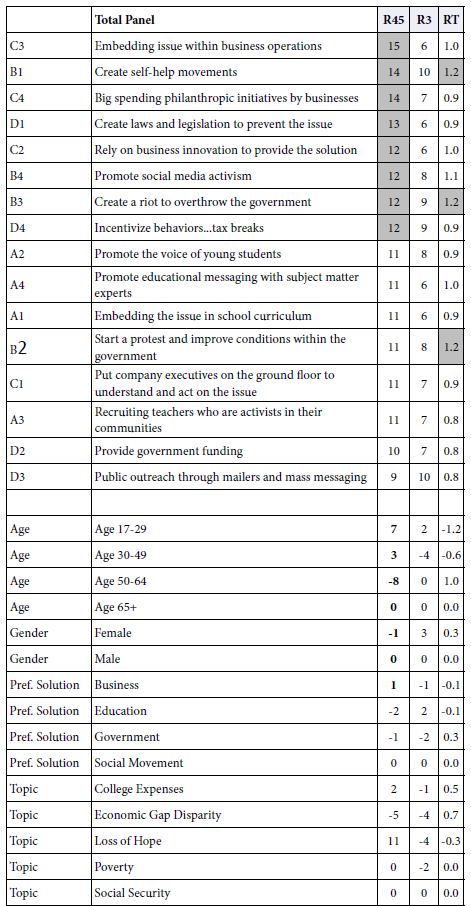
table 4

The first data column, labelled RT45 corresponds to the coefficients for the rating of ‘probably can solve,’ viz., R4 and R5 combined. Surprisingly, eight of the 16 elements generate coefficients of 12 or higher. There are surprises, such as B2 (create a riot to overthrow the government.) This element might not have appeared had the respondents simply rated what ideas would lead to a possible solution, presumably because of an ‘internal editor’ which tries to be politically correct, and automatically attach a negative response to the element. It is only because the element is embedded in mixture of other elements that the respondent becomes far less capable to be politically correct, simply because it is impossible to be so when confront with what sees a ‘blooming buzzing confusion.’ The analogy here might be the emergence of negative qualities when a respondent interprets a Rorschach blot. Negative ideas are not easily suppressed in the narrative.

C3 Embedding issue within business operations

B1 Create self-help movements

C4 Big spending philanthropic initiatives by businesses

D1 Create laws and legislation to prevent the issue

C2 Rely on business innovation to provide the solution

B4 Promote social media activism

B3 Create a riot to overthrow the government

D4 Incentivize behaviors…tax breaks

The second column, labelled R3, shows the strong elements driving ‘I cannot decide’.. There are no strong performers, viz elements which generate coefficients of+12 or higher. There are two elements which come close. However these are elements which confuse respondents. We would not have really known that, except for the power of this emergent dataset that we are creating.

B1 Create self-help movements

D3 Public outreach through mailers and mass messaging

The third column, labelled RT, shows the reaction time ascribable to each element. The Mind Genomics algorithm measured the time from the appearance of the element to the rating, and used that as a dependent measure. Again, these are estimated times needed to read the element and contribute to the decision. The response time can be s a measure of engagement, of reading the information and thinking about it. the response time itself is neither good nor bad, but simply a measure of behavior. The elements which require time to process are those dealing with actions that the person takes:

B1 Create self-help movements

B3 Create a riot to overthrow the government

B2 Start a protest and improve conditions within the government

Our next analysis looks at the contribution of ‘the group’ of respondents. Following the set of 16 elements (sorted in order) we see four groups. These are the four ways that we divided the respondents, ahead of the study itself. These are age, gender, preferred method of solving problems (all three from the self-profiling classification), and then topic of the study.

One option of each set is always assigned the value 0 because these alternatives in each set are not statistically independent of each other. The respondent must belong to one of the four ages, be one of the two genders, select one of the four preferred methods for solving problems, and take part in one of the five studies. Consequently, incorporating these variables into the regression program meant leaving one of the options out for each group. That option is not estimated in the larger equation, but instead is left out, and in the reporting is automatically assigned the value 0 for its coefficient. It makes no difference which four options are selected. All the coefficients for the options are estimated with respect to the optionally deliberately omitted from the estimation, and automatically assigned the value 0. The four options are Age 65+; Male; Social Movement; Social Security.

The coefficients for each of these four groups can only be compared within the group, not to the other groups, and not to the elements. Nonetheless, we still get a sense of the effects. For example, when it comes to the coefficients for R45, Probably Work, respondents end up generating higher rating when the study topic is “Loss of Hope” with a coefficient of+11. This is independent of all other factors, including elements and ways of classifying the respondent. In contrast ‘economic disparity’ is the least likely to be solved, at least from these data, with a coefficient of -5.

Looking at the differences between the coefficients for R45, we can conclude that:

  1. Age 17-29 is the most positive (+7 ), whereas age 50-64 is most negative (-8)
  2. There are no big differences across the four groups, based on the way they define themselves in terms of what best solves the problem.
  3. There is no difference in gender
  4. The is a substantial difference in the topic. The coefficient is highest for Loss of Hope (+11) meaning in general people are optimistic that this can be solved. The coefficient is lowest for economic gap disparity (-5) meaning people are least optimistic that this can be solved.

One again it is important to note that this type of information could not be easily obtained from conventional data sources, but becomes a simple byproduct of the data base, trackable over time, and across cultures and events.

We could do the same analysis for R3, the inability to make a judgment. There are no noteworthy group differences in R3, in the way there were for R45.

Finally, the analysis for RT for the age groups suggest that the response for the youngest respondents (age 17-29) is dramatically faster than the response time for the two older groups (age 50-64, age 65-80). The coefficient for age 17-29 is -0.6. The coefficient for age 50-64 is+1.0 On average, the speed is the response of the older respondents is 1.6 seconds longer for each element.

On the Nature of Micro and Macro Differences among the Three Emergent Mind-sets

The standard analysis by Mind Genomics usually reveals dramatically different, clearly explainable differences across the different mind-sets. Table 5 shows the performance of the elements of these three mind-sets, and the labelled assigned to each. This type of information become increasingly important as the researcher tries to uncover macro pattern among people. It is straightforward to uncover macro patterns when one has commensurate data for all the individuals, as one has here, based on the 16 coefficients.

Table 5: Performance of the 16 elements by the three mind-sets

table 5

Traditionally, Mind Genomics stopped after showing the underlying mind-sets and their coefficients. Do we learn any more from knowing the average coefficient in a mind-set, not of the coefficient, but of the different groups?. Are the groups similar, or do the groups differ from each other?

Table 6 shows that there remains heterogeneity across similar groups, even within a mind-set. The variation in coefficients has already been reduced by the clustering, which generated three mind-sets. The remaining variation, that due to the age, gender, preferred solution, and topic, is more of a baseline ‘adjustment’ value, like the intercept in an equation. One might say that the variables of age, gender, preferred solution of the problem and study topic, respectively are simply additive correction factors of different magnitudes.

Table 6: The pattern of coefficients for the total panel, and for the three different mind-sets
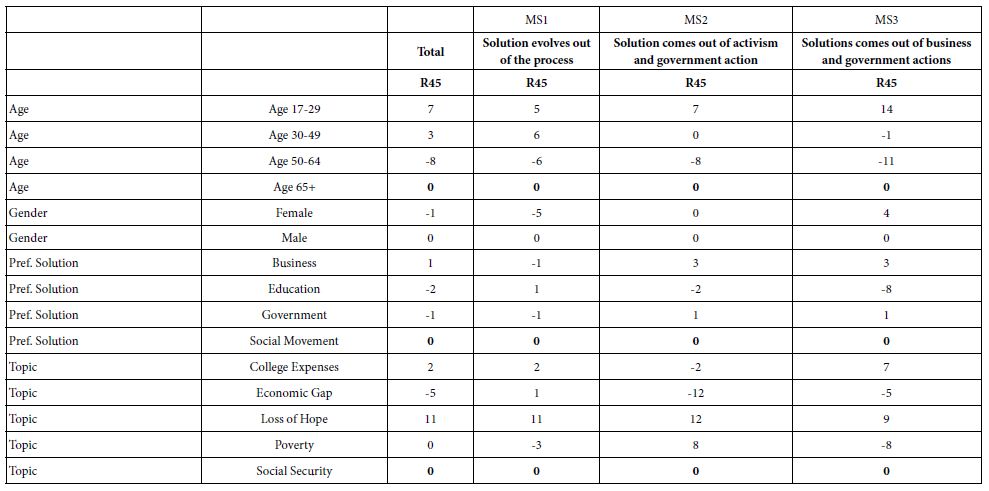
table 6

The Nature of the Differences between the First and the Last Sets of Four Vignettes

Recall that Figure 3 shows the change in the average rating from the start of the evaluation to the end of the evaluation. Each of the filled circles corresponded to the average of R45 for a set of four vignettes (positions 1-4, 5-8, 9-12, 13-16, 17-20, 21-24). Below figure shows clear that there is an effect. Ordinarily the researcher would report this observation, and move on. The modeling approach allows us to create a full model for each of the six sets of four vignettes. We can create the grand model for the first quartet of vignettes (order 1,2,34), for the last quartet (order 21,22,23, 24) and discover the magnitude of the effect by subtracting the coefficients (Difference=Coefficient for Position 21-24 MINUS coefficient for position 1-4).

Table 7 shows the largest differences for the three dependent variables. There is no need to explain the differences. The intent here is simply to show that these deeper questions can be explore though the database in a way that allows the research to uncover patterns, perhaps unexpected ones, and from that effort generate a working hypothesis.

Table 7: “Large”differences between corresponding coefficients for Positions 21-24 MINUS Position 1-4. The table shows only those major differences, for three dependent variables, R45, R3, and RT
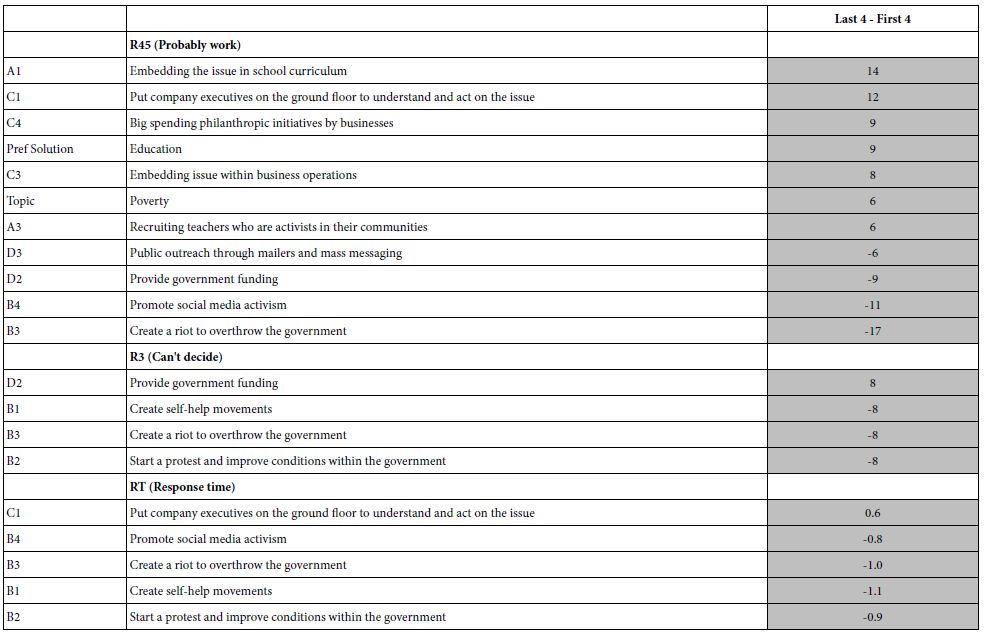
table 7

Discussion and Conclusions

The goal of this paper is to demonstrate a new way of thinking about social issues, one which moves out of the realm of hypothesis testing, and more into the realm of databasing, with objectives to record the citizen’s mind in a new way, and as a byproduct lead to hypothesis generation. The novelty of the approach is the facile, rapid, affordable, and scalable creation of databases having to do with different topics in the same domain.

The It! studies of two decades ago began this effort, but at that time it the value of having the precise elements across all topics was ignored. The It! studies attempted to customize the elements, but at the same time maintain a logical structure spanning all the studies. The result was that each study had to be analyzed separately. The emergence of similar mind-sets across foods [9] was encouraging, but the further analytic power emerging from directly comparability was missing. It was a matter of hoping that the same mind-sets would appear, rather than creating the conditions to use all the data to create a common set of groups spanning all the experiments.

The next logical step can be the expansion of the database across more people within a country, countries beyond the United States, and the creation of the database year after year, or even in an ad hoc way during period of social change. The simplicity and affordability of the database approach as demonstrated here allows for the expansion of this databasing approach to other verticals. In that spirit, the other verticals will feature other topics, and so the topics will change to fit the vertical.

The long term view of the process maybe something like creating a collection of perhaps eight such databases, each dealing with a ‘vertical,’ viz different facets in of life, each vertical comprising perhaps seven different but precisely parallel studies (topics in the database), each study run with 100 respondents (rather than 50), and study created to be exactly alike and run the same way in 20 countries. This totals 8 (databases/one per vertical) x 7(studies per database) x 100(respondents per study) x 20(countries) or 1,120 studies, each study run with 100 respondents. Verticals could be situations such as conflicts, negotiations, social problems, empowering citizens, enhancing education, and the like. The cost would be minimal (1,120 studies x 400-$600$ per study as of this writing, Winter, 2022, according to www.BimiLeap.com).

The potential to understand society, its problems, its issues, and opportunities to create a better world through knowledge is the key deliverable from these studies. One might end up with keys which allow groups of people to understand each other, information about communications between hostile parties in conflict situations, along with the ability to update the information, focus that information, or expand the scope as the need arises.

Acknowledgement

Author HRM gratefully acknowledge the conversations about these databases with his colleagues, too many to list, and most to the unwavering encouragement of his wife, Arlene Gandler, who inspired the vision of databasing for world issues during the early, foundational years of Mind Genomics.

References

  1. Searles K, Ginn MH, Nickens J (2016) For whom the poll airs: Comparing poll results to television poll coverage. Public Opinion Quarterly 80: 943-963.
  2. Holwell S (2000) Soft systems methodology: other voices. Systemic Practice and Action Research 13: 773-797.
  3. Foa UG, Foa EB (1974) Societal structures of the mind. Charles C Thomas
  4. PsycINFO Database Record 2016 APA (Foa and Foa, 1974)
  5. Moskowitz HR, Gofman A (2007) Selling Blue Elephants: How to Make Great Products that People Want Before They Even Know They Want Them. Pearson Education, 2007.
  6. Hunt JD, Abraham JE, Patterson DM (1995) Computer generated conjoint analysis surveys for investigating citizen preferences. In Proceedings of the 4th International Conference on Computers in Urban Planning and Urban Management, Melbourne, Australia, 13-25.
  7. Stadelmann S, Dermont C (2020) Citizens’ opinions about basic income proposals compared–A conjoint analysis of Finland and Switzerland. Journal of Social Policy 49: 383-403.
  8. Lilley K, Barker M, Harris N (2015) Exploring the process of global citizen learning and the student mind-set. Journal of Studies in International Education 19: 225-245.
  9. Moskowitz HR, Beckley J (2006) Large scale concept response databases for food and drink using conjoint analysis, segmentation, and databasing. The Handbook of Food Science, Technology, and Engineering, 2. ed. Y H Hui chapter 59 Taylor and Francis
  10. Foley M, Beckley J, Ashman H, Moskowitz HR (2009) The mind-set of teens towards food communications revealed by conjoint measurement and multi-food databases. Appetite 52: 554-560. [crossref]
  11. Moskowitz HR (2004) Evolving conjoint analysis: From rational features/benefits to an off-the-shelf marketing database. Marketing Research and Modeling: Progress and Prospects (215-230). Springer, Boston, MA.
  12. Likas A, Vlassis N, Verbeek JJ (2003) The global k-means clustering algorithm. Pattern Recognition 36: 451-461.
  13. Molden DC (2014) Understanding priming effects in social psychology: An overview and integration. Social Cognition 32: 243-249.
  14. Gofman A, Moskowitz H (2010) Isomorphic permuted experimental designs and their application in conjoint analysis. Journal of Sensory Studies 25: 27-145.
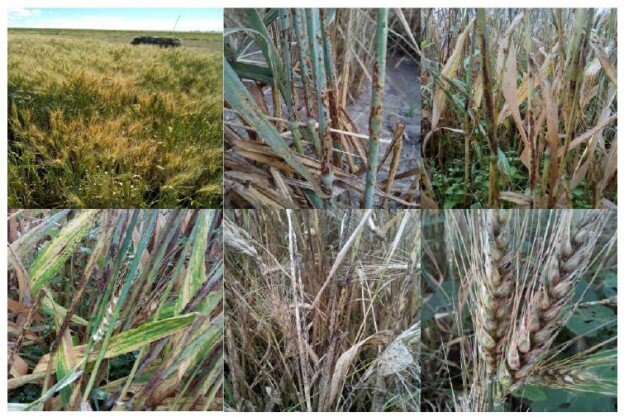

Nano-Periodontics: A Step Forward In Periodontal Treatment

DOI: 10.31038/JDMR.2022513

Introduction

The term “Nano” refers to a unit of measurement that is equal to one billionth of a kilometer (10-9). To get closer to “how much Nano is”, it is worthy to know that the length of a normal human being ranges from one and a half to two meters, while, if we move to something smaller, such as a mobile phone, it can be measured by 12 cm, and if we move to smaller things, ants for example are about 2 mm long, while if we take a human hair, its diameter measures about 100 micrometers. Viruses are much smaller ranging in size between 30 and 50 nanometers, and a DNA molecule has a size of about 2.5 nanometers. Taking into account that the approximate size of the sun is 1.4 billion meters, this means that a nanoparticle for a human is the same as the size of a human in relation to the sun [1].

Nanotechnology is the science of engineering and technology that is practiced at the nanoscale and ranges between 1 and 100 nanometers. The ideas and concepts of nanotechnology began to appear in 1959, while the modern practice of it actually began in 1981 [2].

One of the factors associated with miniaturization and nanotechnology is the surface-to-volume ratio. This criterion is of great importance and fundamental in applications that include Nano and chemical stimulus in physical process. In general, the surface-to-volume ratio increases with the decrease in the dimensions of the material and vice versa, so the lower the volume of the material, we find a larger part of the atoms on the surface compared to the atoms on the inside, and since chemical reactions occur on the surface, nanoparticles are much more effective than other materials made up of larger particles [1].

Nanotechnology in Periodontics

Nanotechnology has become a thriving field in human medicine and dentistry in recent years, as the use of nanotechnology in periodontology referred to as “Nanoperiodontics”. The Nanoperiodontics works to maintain oral health by linking nanomaterials with biotechnology, and although they are in the initial stages, they have a significant impact on clinical outcomes on one hand, and commercial availability of materials on the other hand. The applications of nanoparticles in periodontics can be discussed according to 3 main headings; namely prevention, detection, and treatment.

Prevention

Mouthwashes built in nanorobots and selenium nanoparticles can control halitosis by destroying the volatile Sulphur compounds produced by bacteria.

Toothpastes combined with nanorobots can destroy the pathogenic flora and at the same time preserve more than 500 types of commensal organisms, but it is still under study at the present time [3].

Detection

Introducing the Lab-on-chip concept which is a small chip, that does more than one measuring device, can give us the concentrations of Interlukin-1ß (IL-1ß) [4], C-reactive Protein (CRP) [5], and Tumor Necrosis Factor-α (TNF-α) [6], which are proteins found in saliva that increase in the presence of periodontitis from a single saliva sample [3].

Treatment

In a clinical study conducted on the effect of slider nanoparticles on patients with chronic periodontitis [7], patients were divided into 3 groups; Group A: Scaling and root planning (SRP) with sub-gingival delivery of silver nanoparticles gel, Group B: SRP with sub-gingival delivery of tetracycline gel, and Group C: SRP alone. Diagnostic indices were recorded for each patient before and after application of the gel, which included Plaque Index (PI), Gingival Index (GI), Probing Pocket Depth (PPD) and Clinical Attachment Level (CAL). The results showed that the effectiveness of using silver nanoparticles is similar to the effectiveness of using tetracycline gel, but the use of silver nanoparticles compared to other materials used was non-toxic, easy to apply, and showed no side effects.

Curcumin (CUR) is a natural polyphenolic compound that has been studied for its antioxidant effects. In a study conducted by Pérez-Pacheco CG et al. (2021), prepared buccal discs containing CUR-loaded lipid nanocarriers confirmed the ability of nanostructured lipid (NLC) to enhance CUR penetration through lipophilic domains of the mucosa [8].

The advantages of high drug loading, specific site release, and prolonged drug action have also made nanomaterials very promising for treating periodontitis [9].

In another study, Shaheen et al. (2020) found that nanomaterials loaded with antioxidants can be administered locally into periodontal pockets to effectively treat periodontitis [10]. They prepared a micellar nanocarriers containing coenzyme Q10 by a modified nanoprecipitation method and then evaluated the treatment effects of this innovative system in moderate periodontitis. Loading Q10 into ultra-small size nanoparticles could improve its aqueous dispersibility and bioavailability. In their study, Q10 was formulated in nano-micelles (NMQ10) that was incorporated in situ gelling systems, followed by injection into the periodontal pockets of periodontitis patients. The results showed that the NMQ10 was able to penetrate into the required site well. Periodontitis patients who received the administration of NMQ10 obtained a significant therapeutic effect, with significantly reduced oxidative stress markers and improved periodontal evaluation parameters.

In terms of Nanomaterials for periodontal tissue engineering, several biomaterials are used in periodontal tissue engineering in order to obtain a three-dimensional scaffold, which can promote bone regeneration. A systematic study conducted in 2020 on the use and efficacy of a chitosan-based scaffold (CS-BS) in the process of alveolar bone regeneration showed that the potential for periodontal regeneration is higher in the case of CS-BS scaffolds combined with other polymeric biomaterials and bio-ceramics [11].

Conclusion

Periodontitis is one of the most common diseases involving tooth and its supporting structures. Management of periodontitis is important for improvement of quality of life of the patient that ultimately has its impact on overall health of an individual. With improvement of various treatment methodologies for treatment of periodontitis, nanotechnology has evolved as a promising mode of treatment. Nanotechnology is an emerging field in medicine and dentistry that would extend its horizons right from the diagnosis to the treatment and rehabilitation phase.

References

  1. Mohanraj VJ, Chen Y (2006) Nanoparticles-a review. Tropical Journal of Pharmaceutical Research 5: 561-73.
  2. Huang Z, Chen H, Yip A, Ng G, Guo F, et al. (2003) Longitudinal patent analysis for nanoscale science and engineering: Country, institution and technology field. Journal of Nanoparticle Research 5: 333-363.
  3. Parvathi TH, Vijayalakshmi R, Jaideep Mah, Ramakrishnan T, BurniceNalinaKumari C (2020) Nanotechnology in Periodontics: An Overview. Medico-legal update Dec.
  4. Marianna E Gr, Spiridon-Oumvertos Ko, Phoebus N Ma, Jorg-Rudolf St (2010) Interleukin-1 as a genetic marker for periodontitis: review of the literature. Quintessence Int 41: 517-25. [crossref]
  5. T Bansal, A Pandey, Deepa D, Ash K Asthana (2014) C-Reactive Protein (CRP) and its Association with Periodontal Disease: A Brief Review. J Clin Diagn Res 8: 21-24. [crossref]
  6. Pr Singh, Narender Dev Gu, Af Bey, S Khan (2014) Salivary TNF-alpha: A potential marker of periodontal destruction. J Indian Soc Periodontol 18: 306-310. [crossref]
  7. Po Kadam, Sw Mahale, Pr Soner, Di Chaudhari, Sh Shimpi, An Kathurwar (2020) Efficacy of silver nanoparticles in chronic periodontitis patients: a clinico-microbiological study. Iberoam J Med 2.
  8. Pérez-Pacheco CG, Fernandes NA, Primo FL, Tedesco AC, Bellile E, et al. (2021) Local application of curcumin-loaded nanoparticles as an adjunct to scaling and root planing in periodontitis: Randomized, placebo-controlled, double-blind split-mouth clinical trial. Clinical Oral Investigations 25: 3217-3227. [crossref]
  9. Goyal G, Garg T, Rath G, Goyal A K (2014) Current nanotechnological strategies for an effective delivery of drugs in treatment of periodontal disease. Crit Rev Ther Drug Carrier Syst 31: 89-119. [crossref]
  10. Shaheen MA, Elmeadawy SH, Bazeed FB, Anees MM, Saleh NM (2020) Innovative coenzyme Q 10-loaded nanoformulation as an adjunct approach for the management of moderate periodontitis: preparation, evaluation, and clinical study. Drug Deliv Transl Res 10: 548-564. [crossref]
  11. Do Lauritano, Lu Limongelli, Gi Moreo, Gi Favia, Fr Carinci (2020) Nanomaterials for Periodontal Tissue Engineering: Chitosan-Based Scaffolds. A Systematic Review. Nanomaterials (Basel) 10: 605. [crossref]