Author Archives: rajani

We Should Forget about COVID-19 Vaccine: MMR is the Viable Safe Remedy

DOI: 10.31038/SRR.2020315

Introduction

A lot of hope hangs on the SARS-COV-2 vaccine. This new virus has raked up unimaginable deaths in a short period of time (over 900,000). Although this is not in the same scale as pandemic Spanish flu of 1918 (50,000,000 within 2 years), it has outflanked SARS COV (774 deaths) and MERS-COV (858 deaths). And SARS-COV-2 is still in action worldwide. There are various groups working worldwide to develop a vaccine. The world has never developed an effective vaccine for the flu. Typically, vulnerable adults are immunized every year, perhaps because of the large variety of these flu viruses. The best known vaccines are the Measles, Mumps and Rubella (MMR) which have been around since 1971, and their effectiveness and safety are established. However, few people know that it took more than 20 years to show that the best known safe vaccines can be relied upon.

A COVID-19 vaccine needs to have three features. Firstly, the COVID-19 vaccine must be effective. This means that it can stimulate the immune system to make IgG antibodies, the immunity soldiers of the body. Hopefully, these IgG antibodies must last forever to amount to immunity. This might require one or more vaccinations as in MMR. At the moment, there is a slight concern that these COVID-19 IgG antibodies do not have longevity that can amount to immunity. Secondly, the COVID-19 vaccine must be safe in the short-term and thirdly, safety in the long-term. If it is not trialed in the long term, how can we be reassured that the individuals looking for protection from the severe outcomes of COVID-9 infection will not suddenly go ‘blind’ 10-15 years afterwards, for example? It is not an anecdote that it took 21 years to declare Measles vaccine safe.

What are the natural possibilities for the prevention of serious SARS CoV-2 outcomes?

  1. That SARS CoV-2 will behave like SARS CoV and burn itself out within 1 year.
  2. That SARS CoV-2 will behave like MERS-CoV and burn itself out within 2 years.
  3. The protection of COVID-19 vaccine.
  4. Mass immunization with Measles, Mumps and Rubella.

Proposals

We should stop dreaming and waiting for SARS-CoV-2 vaccine because of safety issues. Notwithstanding disruptions in current trials, the foremost vaccine from Oxford, UK has been suspended twice for short term safety problems. These problems will affect other vaccines on volunteers. And the people of the world would despair because the world expects a ‘vaccine’ soon to sort it all. We propose that the world should look at an available plausible alternative of mass immunization with MMR for the following reasons principally based on the medical concept of cross-immunity:

1. Scientific Basis

There is a scientific link between MMR and COVID-19. Kodzius et al. [1] proposed that MMR vaccination may be able to protect children from COVID-19 because of their discovery of a sequence similarity of the 30 amino acid residues between glycoproteins of SARS-COV-2, Measles and Rubella viruses. They followed this hypothesis along the lines that the antibodies produced in children due to the MMR vaccine could recognize some protein parts (epitopes) on the SARS-CoV-2 spike proteins”. They theorised that these antibodies, particularly in the epithelial layer of respiratory airways, block binding and entry of the virus into the cells”.

Kodzius et al. were inspired by the immunological principle based on the antibody cross-reaction recognizing antigens in two different microbes. They looked for homology sequence in SARS-CoV-2 and the viruses that commonly are prevented by vaccination during childhood. It was discovered that 30 amino acid residues share similarities between the Spike (S) glycoprotein of the SARS-CoV-2 virus and the fusion glycoprotein of Measles virus as well as with the envelope glycoprotein of the Rubella virus. These initial findings have been supported by other epidemiological studies [2], including proposals for a plausible explanation in cross-immunity protection [3].

2. Epidemiological Evidence

There are corroborating epidemiological evidence. Belgium has one of the highest rates of COVID-19 deaths worldwide. This has now been linked to the absence of Measles, Mumps, and Rubella (MMR) immunization in Belgium in the 1980 and 1990 [4]. Similar to countries like Nigeria with massive attacks of Measles and widespread adoption of the MMR vaccine since 1971 and which now show very low level relative rates of COVID-19 mortality rates (5/million population) [5].

3. Recent Mass Immunizations against Measles

The other group of countries with the lowest rates of COVID-19 deaths are those that have been involved with mass immunizations with MMR because of recent epidemics of Measles, example in Samoa 0/million population, Singapore 4.7/million population, Madagascar 6.8/million population and Hong Kong 11.4/million population as of early 2020 [6].

This proposal for mass immunization has immediate advantages worldwide because it has been spread by the WHO to the remotest parts of the world. More importantly, it is very safe. World Health [7] maintains that evidence continues to add up demonstrating that the commonly available MMR vaccine could be the key to stopping the COVID-19 pandemic quickly, allowing much of the world to get back to business as usual within months. There is no doubt that the MMR vaccine is safe and that mass immunization with the MMR vaccine is feasible even as progress continues on developing a specific SARS-Cov-2 vaccine.

References

  1. Sidiq KR, Sabir DK, Ali SM, Kodzius R (2020) Does early childhood vaccination protect against COVID-19? Mol Biosci.
  2. Escriou N, Callendret B, Lorin V, Combredet C, Marianneau C, et al., (2014) Protection from SARS coronavirus conferred by live Measles vaccine expressing the spike glycoprotein. Virology 452-453.
  3. Young A, Neumann B, Mendez RF, Reyahi A, Joannides A, et al., (2020) Homologous protein domains in SARS-CoV-2 and Measles, Mumps and Rubella viruses: Preliminary evidence that MMR vaccine might provide protection against COVID-19.
  4. Gold JE, Tilley LE, Baumgartl WH (2020) MMR vaccine appears to confer strong protection from covid-19: few deaths from sars-cov-2 in highly vaccinated populations. Rubella Component of MMR Vaccine may Prevent Death or Severe Disease.
  5. Corona Virus Deaths in Nigeria.
  6. wordometer.com
  7. World Health, 11/5/2020.
fig 1

How Long Does the IgG Protection of COVID-19 Last? Three Case Reports

DOI: 10.31038/SRR.2020314

Introduction

It is assumed that the presence of Anti-SARS CoV-2 IgG antibodies will show some contact with COVID-19 virus perhaps after a few weeks. However, it is not yet decided as for other viral infections like Measles, Mumps and Rubella whether the presence IgG has a lot of meaning, like the presence of immunity. We report on three cases which might shed some light on this. We were interested mainly on the relationship between positive IgG antibody SARS CoV-2 results and future SARS CoV-2 immunity. Would a positive Anti-SARS CoV-2 mean immunity for this new disease? The expectation is that if Anti-SARS CoV-2 IgG antibodies last forever after detection or vaccination, like Measles, Mumps or Rubella IgG, they will provide immunity.

Case 1

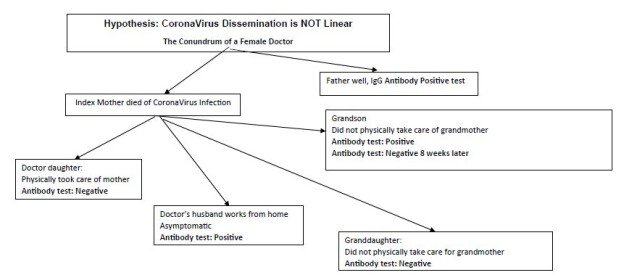
A 26 year old man developed indistinct symptoms of sore throat for 3 days after visiting his grandparents in March 2020. His grandmother died in March 2020 from COVID-19 infection. His grandfather was Anti-SARS CoV-2 IgG positive. This gentleman had two Measles, Mumps and Rubella vaccinations as a child. In April 2020, he tested positive for contact with SARS-CoV-2 IgG. However a repeat test 8 weeks later showed a negative IgG Anti-SARS CoV-2 IgG.

Case 2

A 50 year old woman had indistinct symptoms. She tested positive with Anti-SARS-CoV-2 IgG. A repeat test, 5 weeks later to assist her daughter take the test was again positive. A subsequent test after 13 weeks was negative for Anti-SARS CoV-2 IgG.

Case 3

An 82-year old man, grandfather of Case 1 developed indistinct symptoms of sore throat for 3 days. His wife died in March 2020 from COVID-19 infection when his Anti-SARS CoV-2 IgG was positive. A repeat test 20 weeks later showed that his Anti-SARS CoV-2 IgG was negative.

Literature Review

Unlike Measles, Mumps and Rubella, where a combination of clinical infection and vaccinations can provide life-long immunity, it has not been confirmed that clinical or Anti-SARS CoV-2 IgG provides life-long immunity. In fact, this is not considered to be likely from knowledge of SARS-CoV which expired itself after 1 year and MERS CoV which expired itself after 2 years. A positive test result shows you may have antibodies from an infection with the virus that causes COVID-19 illness, or possibly from infection with a related virus from the same family of viruses (called Coronavirus), such as one that causes the common cold.

We do not know yet if having antibodies to the virus that causes COVID-19 can protect someone from getting infected again or, if they do, how long this protection might last. You might test positive for antibodies even if you never had symptoms of COVID-19. This can happen if you had an infection without symptoms (also called an asymptomatic infection) (Figure 1).

fig 1

Figure 1: Family tree of case 1.

Discussion

Our three cases demonstrate that Anti-SARS COV-2 IgG antibodies did not persist at 8 weeks, 13 weeks and 20 weeks respectively when the positivity of Anti-SARS COV-2 IgG antibodies was challenged for various reasons. This suggests that the immunity associated with IgG antibodies in other viral infections may not be immediately present even in the short term. This opens the door for repeated infections. This might also limit the value of a COVID-19 vaccine. It might direct us to more than one vaccination if SARS Cov-2 lasts longer than SARS CoV and MERS CoV.

The concept of sero-conversion is not new and might explain the events we have noticed with positive to negative results, with positive results reverting to negative results. What the potential of persistent infections and serious outcomes holds in future depends firstly on the behavior of the virus. If SARS CoV-2 dies out like SARS CoV and MERS CoV, then this problem will self-limit? If not, what other options do we have? One potential option is the COVID-19 vaccine. The third option is based on mass Measles, Mumps and Rubella (MMR) immunization. There is a logical rationale based on the similarity of COVID-19 proteins and Measles viruses [1,2] and similarly with Rubella virus [3]. Onwude and Sokunbi have submitted that Mass immunization with MMR vaccine is a potential option [Submitted to Lancet 10/9/2020].

References

  1. Sidiq KR, Sabir DK, Ali SM, Kodzius R (2020) Does Early Childhood Vaccination Protect Against COVID-19? Mol Biosci.
  2. Escriou N, Callendret B, Lorin V, Combredet C, Marianneau C, et al. (2014) Protection from SARS coronavirus conferred by live Measles vaccine expressing the spike glycoprotein. Virology 452-453. [crossref]
  3. Young A, Neumann B, Mendez RF, Reyahi A, Joannides A, et al. (2020) Homologous protein domains in SARS-CoV-2 and Measles, Mumps and Rubella viruses: preliminary evidence that MMR vaccine might provide protection against COVID-19.
fig 1

Linearity in Transmission of COVID-19 Infections: A Study of Families Undergoing IgG Antibody Tests

DOI: 10.31038/SRR.2020313

Introduction

Most people accept that COVID-19 is very infectious which is why in the United Kingdom, it is recommended and accepted that individuals who have been in contact with those with proven clinical COVID-19 should isolate for 14 days. Similarly this is the basis of the quarantine rule-if an individual has been in contact with a proven clinical case travelling into the UK. It is assumed that the clinical infection will have shown by 14 days. This also assumes that infectivity is linear after close and significant contact, at least for 30 minutes.

However, measles has always been one of the most contagious diseases. In fact, to quantify this infectivity, if 100 susceptible people are in a room with someone who is infected, 90 of them are likely to become ill with measles. Further, if someone who has not had measles enters an elevator or other small space up to two hours after an infected person has left, they can still “catch” measles. There is no doubt that the COVID-19 virus affects children and adults. Unusually, the level of infectivity does not directly correlate with clinical symptoms, as an explanation for asymptomatic individuals. It is now generally accepted that infected individuals may be asymptomatic.

Some risk factors have been observed with COVID-19 deaths. These include much older age, diabetes mellitus, immune disorders, renal diseases, cancer, BAME individuals and even asthma. However an association, for example between diabetes and COVID-19 deaths does not mean that diabetes has a plausible way of exposing COVID-19 patients to COVID-19 deaths. In epidemiological parlance, association does not mean cause. The observations between the current risk factors and COVID-19 deaths are very tenuous because of the implausibility, except for much older age. It is a clinical curiosity that some individuals who have had classical clinical manifestations who do not need to attend a hospital might not show any evidence of IgG awareness subsequently. However, there are currently no reports of IgG antibody status in clinically proven cases.

SARS-CoV-2 infection is a major killer of adults, particularly older adults. So far it has killed 190,000 American adults and over 41,586 United Kingdom adults, and many more worldwide. So far there have only been 6 childhood deaths under the age of 16 years. What is so special about SARS-COV-2 infection that excessively affects the mortality of much older adults but does not seem to proportionately affect the mortality of children? This is a legitimate clinical curiosity. This Corona SARS-COV-2 virus, in the same class as Measles, Rubella, Polio and Mumps is a child’s virus but has not caused the havoc of measles, in childhood deaths. It is now widely accepted that SARS-CoV-2 infection does not cause massive mortality in children.

To assess the infectivity of SARS-COV-2, this investigative study sought to assess the infectivity potential between close family relations of those who have come in contact with COVID-19 virus using IgG assessments within members of families living together.

Hypothesis

SARS-V-2 infection is assumed to be very infectious. If so, we expect a high infection rate, identified with Anti-SARS CoV- 2 IgG antibodies. We explored this through family trees of IgG tests. The ultimate outcome is to assess whether members of a family living together will get the infection from symptomatic or even from asymptomatic relatives.

Methods

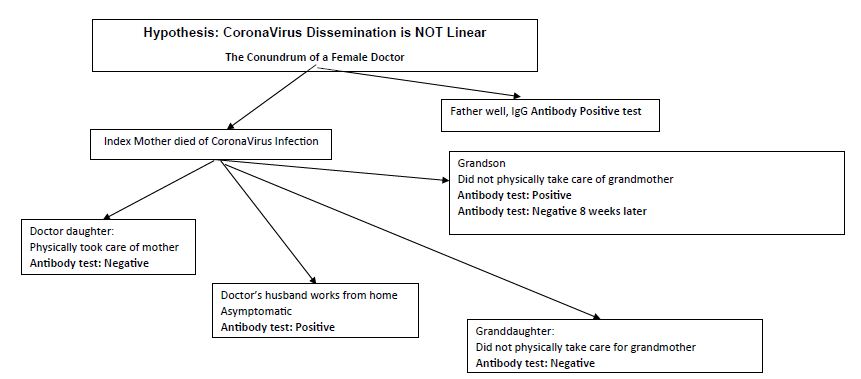
We explored the results of Anti-SARS CoV-2 IgG antibodies in families to assess the likelihood of multiple members of a family having a positive Anti-SARS CoV-2 IgG antibodies. A linear relationship of infectivity is defined for our purposes as positive results between family members living together. The assumption is that if COVID-19 is as highly infectious and transmitted with causal contact, say on a flight or contact within a household, various members of a family will demonstrate evidence of contact through positive Anti-SARS CoV-2 IgG antibodies (Figure 1).

fig 1

Figure 1: Clinical and IgG status.

Results

In Table 1, we present the results of the assessment of linear relationships between family members based on IgG results of contact with COVID-19. Of the 39 reported families, there were 11 linear relationships (28% infection rate) where more than one member of a family have both shown IgG evidence of contact with SARS CoV-2 or COVID-19 infection. In Table 2, we summarise that 11/39 (28%) families showed more than one person in a family with positive IgG antibodies. In 28/39 families (72%) there was no evidence of linearity. The odds of linearity was similar for both groups [Odds Ratio = 1].

Table 1: Report of IgG Status in Families who wished to be tested for contact with SARS-Covid 2 IgG Antibodies.

Family

Grandmother Grandfather Mother Father Son 1 Son 2 Daughter 1 Daughter 2

Comment

1 Died of Covid-19 IgG positive IgG Negative IgG positive IgG positive n/a ?? IgG Negative

Not linear

2

n/a n/a IgG Negative IgG positive IgG positive IgG Negative IgG Negative n/a Not linear

3

n/a n/a IgG positive IgG Negative n/a n/a IgG Negative n/a

Not linear

4 n/a n/a IgG positive IgG positive n/a n/a IgG positive n/a

Linear

5

n/a n/a IgG positive IgG Negative IgG positive n/a IgG Negative n/a Not linear
6 n/a n/a IgG positive IgG positive n/a n/a IgG positive IgG positive

Linear

7

n/a n/a IgG positive IgG positive IgG positive n/a n/a n/a Linear
8 n/a n/a IgG positive IgG positive IgG positive IgG positive n/a n/a

Linear

9

n/a n/a IgG Negative IgG Negative IgG Negative IgG positive IgG Negative n/a Not linear
10 n/a n/a IgG positive IgG Negative IgG Negative n/a IgG positive IgG positive

Not linear

11

n/a n/a IgG positive IgG positive n/a n/a IgG Negative IgG positive Not linear, Nanny IgG negative
12 n/a n/a IgG Negative IgG Negative IgG Negative n/a IgG positive n/a

Not linear

13

n/a n/a IgG positive IgG Negative n/a n/a n/a n/a Not linear
14 n/a n/a IgG Negative IgG Negative IgG positive n/a n/a n/a

Not linear

15

n/a n/a IgG positive IgG positive n/a n/a n/a n/a Linear
16 n/a n/a IgG Negative IgG positive n/a n/a n/a n/a

Not linear

17

n/a n/a IgG Negative IgG positive n/a n/a n/a n/a Not linear
18 n/a n/a IgG Negative IgG positive n/a n/a n/a n/a

Not linear

19

n/a n/a IgG positive IgG Negative IgG positive n/a IgG positive n/a Not linear
20 n/a n/a IgG Negative IgG positive n/a n/a n/a n/a

Not linear

21

n/a n/a IgG positive IgG positive n/a n/a n/a n/a Linear
22 n/a n/a IgG positive IgG positive n/a n/a n/a n/a

Linear

23

n/a n/a IgG positive Died of Covid n/a n/a IgG positive n/a Linear
24 n/a n/a IgG positive

IgG Negative

n/a n/a n/a n/a n/a

Not linear

25

n/a n/a IgG Negative IgG positive n/a n/a n/a n/a Not linear
26 n/a n/a IgG Positive n/a n/a n/a IgG Negtive n/a

Not linear

27

n/a n/a IgG Negative IgG positive n/a n/a n/a n/a Not linear
28 n/a n/a IgG Negative IgG positive IgG Positive IgG Negative IgG Negative n/a

Not linear

29

n/a n/a IgG Negative n/a n/a IgG Positive n/a n/a Not linear
30 n/a n/a IgG positive IgG positive n/a n/a n/a n/a

Linear

31

n/a n/a n/a IgG positive IgG positive n/a IgG Negative n/a Not Linear
32 n/a n/a IgG Negative IgG positive n/a n/a n/a n/a

Not linear

33

n/a n/a IgG positive IgG positive n/a n/a IgG positive n/a Linear
34 n/a n/a IgG positive IgG positive n/a n/a IgG positive n/a

Linear

35

n/a n/a IgG Negative IgG positive IgG Negative n/a IgG Negative n/a Not linear
36 n/a n/a IgG Negative IgG positive n/a n/a n/a n/a

Not linear

37

n/a n/a IgG Negative IgG Negative IgG positive IgG positive n/a n/a Not linear
38 n/a n/a IgG positive IgG positive IgG Negative n/a n/a n/a

Not linear

39

n/a n/a IgG positive n/a n/a n/a IgG Negative n/a

Not linear

Note: n/a not applicable.

Table 2: Statistical summary of linear relationships.

Proportions

Linearity Non-Linearity

Odds Ratio

11/39 (28%)

28/39 (72%)

1

Conclusion

In this family tree study, 28% of families showed evidence of a potential linear transfer of infection of COVID-19 to others in their household. Based on our definition of linearity, there is no significant evidence to suppose that prior contact with COVID-19 of a member of the family translates to a high linear infection in close contacts (Odds Ratio = 1.0). This is the first study that casts doubt on the assumed degree of infectivity of COVID-19. It is certainly not in the category of measles. There is one possible explanation, that IgG antibodies do not measure casual contact in this situation. It is also possible that IgG positive antibodies can sero-convert to IgG negative antibodies within short period of time. Certainly this was suggested in Wuhan [1] where people who had definite contact with clinical relatives with clinical COVID-19 patients yet they showed no serological evidence of contact with COVID-19.

References

  1. Lu X, Zhang L, Du H (2020) For the Chinese pediatric novel coronavirus study team. N Engl J Med 382: 17.
fig 2

Sea and Ocean Generated Coral Made Nonreactive Dinner Sets for Creating Feel Good and Wellness

DOI: 10.31038/AFS.2020224

Abstract

Food prepared for keeping feel good and wellness, thus ready for dining has ions which get quickly one to one neutralized or undesirably charged. Hence, use of non-reactive vessel for keeping prepared and ready for dining has to be kept in non-ionic non-reactive vessels is scientifically advisable for deriving full benefits of nutrition contained in meal prepared for breakfast, lunch and dinner. This research brings a new insight of food and health and use of non-reactive vessels, which will find scientific justification for vessels and discarding use of vessels made from different metals, particularly, most popular now prevalent a day’s steel. The new non-reactive vessel is coral based in India. This emphasizes a justification of harnessing vast sea and marine areas for deriving coral form it with plentiful employment and market. The inland water bodies store long time deposited clays and silt which will find its new use in creating low cost such non-reactive vessels affordable by different groups of gentry and households. Thus, vast spread of ocean and marines can be explored for production and harnessing of coral for creating nonreactive vessels and generating employment and business. New innovative use of marine biology will get to benefiting all gentry and save pressure on earth. This research establishes that earth can sustain in creating still large opportunity for application of various innovative technologies.

Keywords

Food and nutrition, Feel good and wellness, Non-reactive vessels, Coral made dining vessels and dinner sets and sea and marine aquaculture

Introduction

After food is made ready it is prepared for eating by planning for serving in vessels, plate and bowls etc which take some time in completing family dining. In the storage time some vitamins Vit C, Vit D, E and K known not to get reduced in cooking will get ionically neutralised or changed, hence food quality gets impaired [1-5] Therefore, such vessels should be non-reactive to eliminate last minute loss in nutrition. Many potteries have been fabricating such vessels, but their use gets set back of social stigma of poverty. These days steel based utensils have taken stock of share on dining part as a result of non-breakable feature and ease of washing. There has been lack of scientific attention on this fact that almost 10-20% of such ionic vitamins get lost or neutralized. The discrepancy in the vitamins cause hell of problems created to salt balance in the body maintaining homeostatic. These small shortfalls are not cared due to lack of scientific vision and people run after organic food. This is very reminding fact that even plants take their nutrition in ionic form so where is need of taking stand of organic food. In the earlier chapters organic seed spices were describe which can foster the taste of salt balance and micronutrients.

Materials and Method

Earth and Ocean

The planet Earth is a planet of oceans [6]. The total area of the Earth is approximately 510 million square kilometers and the oceans cover about 71 percent of the Earth’s surface, which is about 360 million square kilometers. There are a total of 5 oceans, and they are the Arctic, Pacific, Atlantic, Indian, and the Antarctic Ocean. Out of these five, there are three major oceans, the Atlantic, Pacific, and the Indian Ocean. They account for 90 percent of the area covered by oceans. The Pacific Ocean is the largest of oceans, its area is 181 million square kilometers, which covers nearly a third of the Earth’s surface. The Atlantic Ocean is the second largest, covering 94 million square kilometers, and the Indian Ocean is the third largest, covering about 74 million square kilometers. The oceans’ tremendous presence causes it to have a huge effect on the planet and our civilization. It is greatly responsible for the climate of the Earth. It regulates air temperature and supplies moisture for rainfall. The ocean also provides us with food, energy, minerals, and a cheap method of transportation. Without the oceans, the Earth wouldn’t be able to sustain life. The marine life have their preferred zone of habitation. The corals intensively grow in the oceans zones having slow waves and still water low depths and solar lights. The harnessing of costal sea such zone will bet revamped that will provide new material, product and employment and business which different from the marine fishery and shrimp harnessing. Thus development will make livelihood easy for people ling in the coastal areas.

Nutrient Particularly Vitamins Which is Lost can be Saved to Create Health and Wellness

Table 1 contains the ailment with development of vitamin deficiency lead to development of sickness of different degree of severeness. As such it may appear a simple fact but one can imagine its adverse or bad effect when one gets sick. Therefore, when it is known to happen, one is out to take all necessary precautions. This fulfils the legendary saying that prevention is better than cure. In exercising such prevention this book provides basic information, which should be adopted right from the time from when one comes to know.. The last columns of Table 1 provides long list. As an example a cursory review of the deficiency of vitamins leads to development of cancers of varying types, which is highly fatal and its treatments become unaffordable under many house hold and economic situations. This example serves that use of non-reactive vessels be made, particularly plate used for breakfast, lunch and dinner. It is necessary to keep in mind that milk is to be eaten and not be drink in its liquid form. Hence, use of nonreactive plate is highly scientifically advisable. In time when science was not known it would have been subject of awkward talks. But, now time has come, as created by this study that non-reactive vessels should be adopted for eating the meal of any event in all situation. When it comes to any feast of large gathering, it had been only plant leaf made unformed plates, viz. banana leaves and any wide leaf. This is evident that this situation has changed world over. This needs change for entire globe. The reduction in loss of vitamins will reduce such losses in provitamins and at the same time reduction in incidences of sufferings due to disease. Any one suffering will feel good and have some ease in difficult life (Table 1).

Table 1: Recommended daily dietary supplement of Vitamin adopted after Gupta [1].

Vitamins

Units of measurement Men Pregnant and lactating women Ionic Change

Ailments affecting health

  Mandatory
Vitamin A μ 5000 5000 +ve Immune functions, precarious lesions, (esophageal dysplasia, oral leukoplakia), cancer (breast)
Vitamin D μ 400 Osteoporosis, blood pressure
Vitamin E μ 30 30 +ve Cataracts, Immune fractions, (Children, elderly) Cancer (lung, all)
Vitamin C μ 60 60 +ve Cardiovascular (mortality, platelet functions) Cataracts, Iron absorptionsCardiovascular (high density lipo proteins, cholesterol, blood pressure, Peridontal disease, cold (symptoms).
Folic acid mg 0.4 0.8 -ve Immune function elderly, Birth defects,(neural tube defects, cleft lip/cleft) Precarious condition (Cervical dysplasia, bronchial sinuous meta plasia in smokers)
Thiamine mg 1.5 1.7  These vitamins get lost in pasteurization. Deficiency in such vitamins cause skeletal and mental disorders.
Riboflavin mg 1.7 2.0
Niacin mg 20.0 20.0
Vitamin B6 mg 2.00 2.50
Vitamin B12 μg 6.0 8.0
Optional
Vitamin D μ 400 Osteoporosis, blood pressure
Biotin μg 0.300 Not known Not clear
Pantothenic acid mg -ve 10.0 -ve Similar to Vit C

The vitamins get reduced by ionic change caused by metallic vessels. Reductions in vitamins have already occurred during cooking. Hence, any further, reduction is highly undesirable, which had not caught attention of public, in general. Although food has been getting eaten after six months of age onward one has not imagined that in one’s life time how much total vitamins have got lost. The losses in such vitamins have been giving way to different ailments and discomforts and rise in medical bills. There have been many ailments which have been given undue genetic cause. This is a tragedy of knowledge gap, hence people remained susceptible to suffer from diseases. Therefore, when scientific wisdom has come up it is highly justifiable to use non-reactive vessel for dining and derive good effects in terms of feel good and wellness.

Collection of Necessary Information in Preparation of the Manuscript

This author has been writing research on food and nutrition since 2014. He has brought several innovations on linking sea and marine for harvesting organic nitrogen, organic phosphoruss and has been contuing his endeavours towards bringing feel good and wellness. He has combined his research in the form of a book [5]. He again innovated his scientific attention on finding way how to save loss of vitamins which cause lot of ailments. In this new aspect of creating nonreactive vessel was devised. Thus scientific effort has culminated in this innovative article.

Results

Liability of Loss of Vitamins from Foods

There are various stages where vitamins get lost [1]. The vitamins soluble in water, particularly vitamins B complex, vit C and folic acid etc get de- ionized (Table 1). Among several diseases cancer is caused in one form or the other when there is vitamin deficiencies. Hence, saving in such vitamins will create lot of meaning of good health and wellness.

Essential Types of Non-Reactive Vessels

There have been lack of awareness of knowledge on the loss of vitamins, hence consideration on selection of vessels specially for keeping cooked meal and dining had not been selected on the bases of avoidance. The consideration of ease of cleaning, non-breakable and longevity of its rough uses have been the main consideration. The ailments due to loss in vitamins had not come up in imagination then. Now stage has been coming when such vitamin losses can be easily avoided where feel good and wellness is getting priority. Therefore, use of non-reactive vessels and dining set will be picking up with time. In this direction some non-reactive vessels had been brought in use, but it had no scientific backing. As now scientific backing is very strong and demanding saving loss of vitamins. The saving in loss of vitamins when its kept ready for dining, during dining as well as, when cooked meal is kept for next meal, lot of saving can be acquired. It is difficult to show physically the saving, but feel good, wellness and freedom from diseases will become index for gauging impact of such saving from the vitamin losses. These good developments will eliminate the many mis believes on ailments and disorders in physical and mental health. Reports already exist that one of every seventh person suffers from the mental disorders, implicating discrepancy of vitamin thiamin (B1) [1,4,7] Indian Council of Medical Research reported that one of every seven Indians are affected by mental disorders. Ladies in particular suffer mental bad effects due to food and nutritional discrepancy.

The Non-Reactive Vessels and Dining Sets

Coral Based Vessels

Most useable common vessels are eating bowls, and plates. It will not be out of context that even spoons should be also made from non-reactive vessel. Some innovative vessels are being prepared from agricultural residue. Some ideal non-reactive vessels are included here to exemplify the facts brought out here.

Clay Material Based Manufactured Crockry

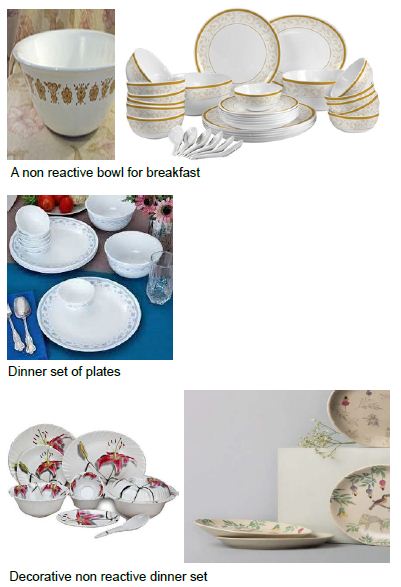
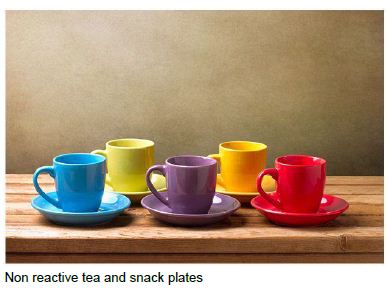
Different sets of ideal non-reactive low cost vessels useable for dining (Figures 1a and 1b).

fig 1A

Figure 1a: Different sets of ideal non reactive coral vessels useable for dining.

fig 1b

Figure 1b: Different sets of ideal non reactive low cost vessels useable for dining.

Social Implications and Fostering Elimination of Neutralization Adverse Effect by Giving Gift of Non-Reactive Vessels

Once beginning is made with scientific reason and justification people will adopt this new vessel, which will pay dividends in due course of time, first by reduction of medical bill, keeping feel good and wellness. It is also elaborated in the book that the adequate vitamin will enable produce health and mentally sound offspings. Therefore, in order to enable this thing to happen a social culture blessing is enforced. In this social welfare all guests to the married couples should be given non-reactive coral made vessels. The gifted item will be highly useful for the recover for use for eating meals and keeping remaining food for the next time consumption. This fact and resulting development will sweep lot of ailments occurring due to deficiency in vitamins. It is visioned that lot of progress will be made in use of non-reactive vessels it is lot of precious resource would get saved which will come for welfare of community.

Generation of Basic Material from Marines

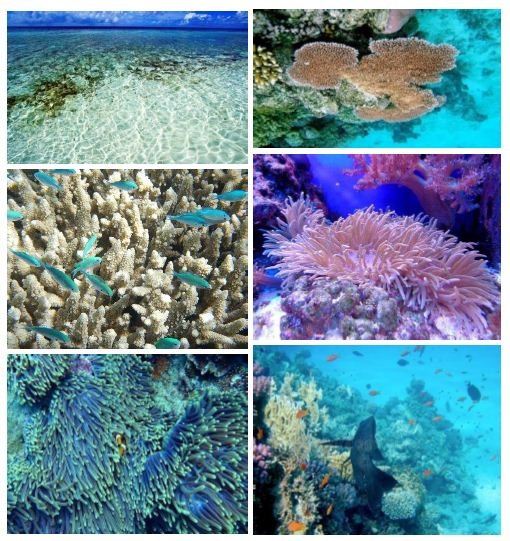
The globe is occupied by marine and sea even more than two third of surface. This vast resources must have been utilized in ways one might think in isolation for fishing and sea product. This chapter focuses that vast sea resource should be harnessed for use for fostering growth of coral, which will enable sufficient raw materials to be used in preparation of non-reactive vessels as brought under section 3.2 and 3.3. This new window will create employment and resources for the world and marketable semi durable vessels. This is a wonderful development. Although some processes are known, when world eyes look at the avenue some simple method of processing will come in use. Therefore, beginning made in this study will grow to become trees to provide prosperity in the global health (Figure 2).

fig 2

Figure 2: Coral from marines.

Utility of Clay Siltation Depositions in Water Bodies

Soil formation and erosion are earth surface processes which are highly variable. Countries have developed water conservation dam reservoirs under multipurpose projects viz irrigation, flood control, electricity generation and fisheries etc. The catchment areas have always been attempted with soil conservation measures in upland areas and silt detention structures to reduce siltation and save loss in water storage capacities. However, in spite of any level of efforts, the fine sediments viz clay and silt cannot be completely checked, meaning thereby large accumulation of clay it is silt deposit in such water bodies. This valuable deposits accumulating in water storage bodies, remained as a problem causing loss in storage capacity only, but it could not come to imaginations that these deposits could be extracted and economically utilized for making value added products and endless efforts have been made with expenditure of huge budget. Thus, this research is bringing new scientific vision in the present study that such clay and silt may be useable in preparation of pottery which will serve as nonreactive vessel. The utility of such non-reactive dinner sets have already been brought out in sectinns 3.3 and 3.4.

Thus, this dual benefit will create new work opportunity for the local people. Government of India had created Mahatma Gandhi National Rural Employment Guarantee Act (MNREGA) initiated in 2005, remain at the brink of existence. This act provides rural employment for 100 days work mostly in digging and excating earth in pond and allied water bodies. There has been nothing scientific advancementit remained mere social promoting scheme, which have been suffering of pros and conse with the change of governments. This innovative and ideal creates use of such materials will become new solution and making it very effective in using resource, creating employment generation and beneficial employment guarantee scheme under the MNREGA, which have been renamed at conveniences. There has been lot of political debates on the MNREGA but nothing scientific vision could emerge. Derivation of such silt and clay materials will be useable and silting water bodies will get ready for runoff water storage in the rainy season, which create ground water recharge and supplementary irrigation during intermittent droughts and safeguard country from adversities of climate change.

Enterprise of Manufacture of Non-Reactive Vessels and Coral Based Dinner Sets

The clay and silt deposits have been used in making earthen small pot by earth potter and to some extent in making clay based crockery. Such ventures have been rather on traditional fashion and had no scientific backing. This research is giving scientific backing which will ease and improve feel good and wellness of people. Therefore, the dying system will get revamped to create employment and business. The new material will be useable for coral based dinner sets, whereas clay derived from the water bodies will produce low cost vessels for public in general.

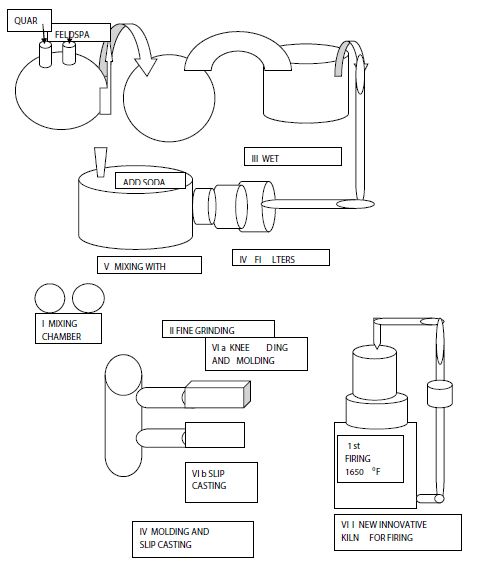
A functional unit of creating such produce is developed based on example cited in reference, Horobin [8]. The diagrammatic figure explains provision of selected material mixing tank, fine grinding by burr mill, wet grinding tank, filtration unit and again mixing to bring consistency required from needing and molding as well as slip casting of utilities of required shape and sizes. The prepared vessels are fired at first stage of cooking at 1650 0F for which very high rise chimneys are constructed which emit large volume of CO, causing air pollutions and suffer restriction from pollution control board. A new innovative kiln has been developed to capture and recirculate the smoke and reuse for burning that will eliminate air pollution and enhance fuel use efficiency. Its low height will make low cost and easily manoeuverable. The temperature manouuvre can be carried out by electronic based controllers. Thus, the scientific kiln will permit large scale multiplication and use.

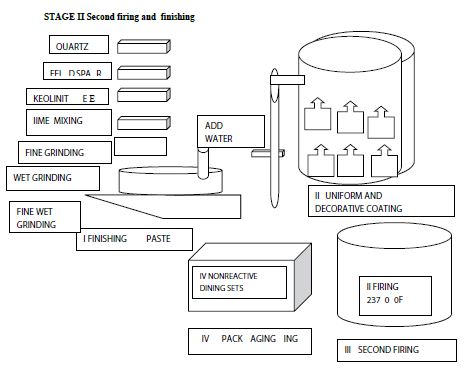
The vessels so prepared are again polished which carried out I as second firing which is at 23700F, which can be carried out in the large size such facility. This innovative ideal development needs guided fabrication of the facility (Figure 3).

Geographical Registry in Sea and Marine Material and Products Processing Resulting Quality Product

When sea produce coral made material use dinner set are used the quality will be different which can be given unique geographical registry number (GIr) [9]. Similar quality differences may appear for the material produced from clay based pottery and crockery for their quality by same GIr. Such standards will establish uniqueness in the product and it will fortify business and confidence in the buyers. This identification will attract international market reputation.

Linking of Ocean, Coral, Fishery, Bird, Pottery Industry, Agriculture, Human and Environment

This new process and products will come in use to produce employment and prosperity, business of marketing and sale. This new innovative module will have different segments and lot of employment opportunities. This is an ideal venture for consideration under the startup projects. The entire end result will lead to development of new science backed venture and produce exact anticipated and certain results. The earlier innovative researches have created method for harvesting of organic nitrogen (N) [10] and phosphorus (P) [11]. Birds eat the fish from water bodies and dropping, which is called as guano becomes harvestable and refined to make various uses. Likewise the coral can be harnessed for preparing for coral based dinner set of attractive designs. The vast ocean resources have not come in imagination and this innovation will create new opportunity of employment, water fishery, birds, environment and human. This new linkage will be very prosperous. Thus, these researches open new world opportunity.

Discussion

New Opportunity of Eliminating Wastage of Precious Vitamins

As presented in Table 1 lot of finished food ready for eating has been getting de ionised and neutralized one to one [12-14]. The corresponding ailments occurring due to deficiency of corresponding ailments fully justify elimination of such undue losses. Thus, this research created a new opportunity for eliminating wastage of precious invisualised wealth.

Creation of New Resource

The vitamin’s losses have been occurring since ages and lot of wealth had been going to drains due to lack of knowledge and wisdoms and lot of ailments and medical expenses are adding to undue suffering of the people. The article is creating full justification for saving of such invisualised wealth and bringing them to creating awareness in the public. There have been many researches on exploitation of ocean and marines including marine fisheries, but it did not get adequate scientific backing, hence use of coral had been in a weak stage of development. This research has provided adequate scientific backing for in justification of coral vessels as nonreactive dining sets. The 71 % of earth areas are occupied but ocean and marines with vast length of shores with shallow water. There are some specific areas where corals thrive and grow. The coral growth can be harnessed for promoting such vessels.

The clay and silt deposits in the inland water bodies can be equaly well utilized in creating such vessels affordable low cost purchasing. These types of vessels also lead to same end levels in saving loss of such unforeseen wealth. Thus, this innovative research has created new precious resource and method of retrieving as well as conserving by use of non-reactive vessels for both high profile prosperous gentry as well as low investing gentry.

Extending Utility and Scope of Harnessing Useful Products from Sea and Marine

Use of coral obtainable from some specific coral belts have begun making such products, thus, it is not a new claim of product being made in this research. What had been going on in this direction is in weak stage due to lack of scientific backing. This research has created new and adequate scientific backing with full justification of convincing people to adopt the non-reactive vessels for storage of cooked food and for dining is new thrust. Thus, this research creates strong business, markets for feel good and wellness and wealth using resource from vast ocean and marines. There had always been provocation of limited land fresh water throughout the world, but there had been any new innovation to make still better use of vast sea and marine resource. This research has created wow innovation for benefitting global as well local gentry by using product, which is not limited by quality of water requirement of land and even a non-dispensible use of sea water. Whatever have been going on or might come in future, remains equally open for future developments. This research is not limited by any constraints of climate change, budget involvement and any defeat of any ongoing research.

The development of crockery from clay and silt is equally in that direction. The earlier efforts on soil conservation of soil loss remain in sufficient in arresting such fine particle pollutants and get deposited in transition. Such deposited materials can be annually scrapped from such water bodies and brought to effective use, thus this action will restore storage capacities of inland water bodies, which will enhance ground water recharge and its use during intermittent droughts for supplementary irrigation. Thus, this research is going to change life of global gentry in its own function without worrying about it and getting to realization in due course of use and change in social behaviour.

New Use of Long Term Deposited Clay and Silt in Inland Water Bodies

NAREGA has been suffering from lack of technological linking of water use hence it is subjected to lot of sociopolitical debates [14]. New use of material will create new opportunity, for employment generation and deriving such unimagined feel good and health wellness, in addition creating an auto-function in creating storage facility that will create resilience during climate change and aberrations of rain events leading to intermittent droughts season. Thus, this research is creating new resilience under the changing climate, where ???? have been feeling very happy in development of unsuitable and un effective measures.

Innovations in Manufacturing Process of Non-Reactive Vessel

The process of manufacturing storage and dining set is drawn on line of highly known and well documented record [8]. The component operational units are collection of geological base materials viz quartz and feldspar, which might be existing and placed in mixing tank in equal proportion. The next operation is fine grinding of the base mixed materials, followed by wet grinding. The wet grounded fine material is passed through multistage filtration unit. The filtered material is brought to workable consistency so that material is kneaded and casted in to mold or slip casted. The dried material is separated from their mold/castings and stked in a firing kiln for firing at 1650o F for reasonable duration of 7-10 days.

The selected half burnt prepared vessels are coated once again for the second time with materials prepared in second lot and grounded dry followed by wet fine grinding (Figure 3). The new paste is coated on all vessels in similar manner and with additional decorative designs. The entire vessel lots are staked in high temperature range and burnt at still higher temperature at 2370 0 F. These two controlled temperature burning completes process of manufacturing of the non-reactive vessels.

fig 3 stage 1

fig 3 stage 2

Figure 3: Functional units of organizing coral based industrial production unit for producing nonreactive coral vessels.

The village artisans making earthen pots do not add quartz, hence their pots remain largely red and temperature is also not so high. The quantity of quartz is deciding factor of quality of crockery, addition of soda and lime and burning at high temperature converts product in almost white colour.

Second firing and polishing mate the product tough and still brighter in colour. There are variations in qualities and cost increases with completion and perfection of burning.

The unit operations are almost patternised and use of machineries for various operations may vary from plant to plant depending on preference, ease of operation, performance efficiency and cost of machineries. The ratio of mixture of quartz and feldspar will have deciding command on quality. Next operation is firing in kilns, Conventional kilns have high chimney which is costly and emit large volume smokes, which cause air pollution and suffer set back of regulatory restrictions on height of chimney. In the present study an innovative no smoke releasing low height kiln was developed which involves low height and it becomes easy in operations and maintenance. The new kiln will consume low volume of fuel and the fuel will get converted in to biochar, which will become source for carbon useable in agriculture. The enhancement in bio-char will increase C/N ratio that will enhance productivity of agriculture. Thus, cause of sea derived operational process produces usable bio-char for agriculture and food production. Such links have not been existing and this chain will be synchronizing one being input for the other. The irrotaional operation of system will induce sustainability in agriculture. These developments require research endevours for refining the operational parameters to produce quality product of coral, clay based crockery. This research has set module of process and inspired following generations to optimize and further refine it.

New Vast Resource of Creating Startup Projects for Employment Generation and Supporting House Hold

The new vast resource and innovative technology and tremendous beneficial impact innovation creates new opportunity for new startup project. This area needs special attention and crating new initiative for second generation of employment, for which MNREGA was launched. This research creates new resource which has evolved from previous programmes. This will add new vigour to ongoing programme as well as new intutitaive in creating employment opportunity for justification of bringing for effective public governance.

Enhancement of Resource Opportunity of Planet Earth and Reducing Pressure on Limited Terrestrial Ecosystems

The planet earth has been occupied by vast are under sea and marines. The limited terrestrial are have been going under stress. The present research makes use of natural resource, which have been existing and bringing in strong stream proceed vitamins get lost. The conservation of such vitamins will make still better use of stressfully resources. The linkage between sea and marine, fishery, birds, agriculture human and environment have already developed in deriving organic nitrogen (N) [11,15], which was recognized in global assessment and declared winner of world Academic Championship in Biological Sciences in2018 and phosphorus (P) [12]. This research demonstrates new opportunity creating innovative method not limited by any aspect and any corner. The marine biological product and clay deposits in inland water bodies are new addition in deriving useable non-conventional products.

New Geologic and Geographic Resources Avenue

This research is not limited by any geographical and geologic limitations. Depending on water depths, situation of sea wave still condition the coral reaf are primarily developing at Andman sea shore between two hills viz Andmon city and Ross Island, where it is shown by boat operators in touristic visits and becoming source of recreation. Such plentiful situations are existing where corals are developing (Figure 2). In any case use of coral is not limited by any such restrictions. The business related to coral will flourish with global increase in population [16] and increase in Indian population [17]. Earlier sections have enlightened various aspects of this wow innovation.

Climate Change Will Not Affect Sustainability of Resources Harnessing

Lot of vices have been raise in revealing adverse impact of climate change on coral reef. What have been going it the least impact of climate change. Different aspects have already brought in creating such resilience in terrestrial eco system. The vast area of ocean and marines will be benefiting and producing the profuse growth of coral. The coral will be useable in creating high value vessels which will become source of promoting international business. The global gentry will derive benefits in terms of feel good and wellness from use of coral vessel as it will stay for long doing good, hence creating sustainably increasing business and employment opportunities.

Relevance, Effect, Efficiency and Impact and Sustainability

This research is highly relevant as it is related to food and health which is priority of human needs, it is creating impact, it is highly effective in eliminating loss of vitamins. It involves change in one to one chemical change ions, impact of change in quality of life which will come to realization after some days of use. It is highly sustainable as it is going to function in irrotational rotation [15]. This research is most innovative that will change daily life of the global people.

Opportunity of Vast Natural Resource Harvestable for Human Welfare

This research has brought new natural resource derivable from vast resources as well as inland water bodies to save loss of unimagined tremendous important wealth. This surpasses any natural resources so far managed and created new resource, method and process which will utilize both the types of materials and produce quality product. This will create tremendous employment. The new natural resource is derived from the planet earth and also reducing stress of terrestrial ecosystem. Thus, this is a real and true way of sccomplishment of the earth care. Such earth care have not come to imagination and countries have been trying to explore new planets. The Earth wonderful planet can be further sufficiently brought to new uses viz non-dispensible use of water, not demanding any terrestrial land for production and may other important features brought out earlier.

Strength, Weakness, Opportunity and Threat (SWOT) Analysis

SWOT analysis revealed going in strong favour of strength as it is scientifically backed. It is free from any weakness as nothing is causing it to be fond bringing adverse impact but in this research new avenues have been created. The study set way to draws resources from earth’s vast resource sea and marine as well as terrestrial water bodies, hence it is creating tremendous unforeseen resource, creating reduction of precious vitamin wealth, getting to drains and creating opportunity of employment to the extent that it can be extended to any level. There is no threat, rather people will come to realization of impact on feel good and wellness and saving in medical bills.

Conclusions

This new research on the cause of deficiency in vitamin which occurs due to ionic change of food made after having gone for investment, reduce loss and avoid occurrence of non-bearable ailments and diseases. This will save large volume of finished vitamins, which will get in use in its auto function, which has been going to waste water streams. This may appear as an airy thought, but all things have been derived based on scientific facts. The vast ocean will create new opportunity for world to flourish and make use of resources in still better way than what has been going on. This will transform world population healthy, brainy and efficient working.

References

  1. Gupta US (1992) Crop improvement quality characters. Science Publishers Inc Enfield New Hampshire 3: 037480.
  2. Hui cited in Gpta [1] (1992).
  3. Yadav RC, Yadav J (2018) Innovative biotechnology for production to consumption for promoting new theme of health care-food is medicine, Madrid Spain.
  4. Yadav RC (2020) Eating milk is better than drinking. Paper accepted for presentation at 6th global congress on food and beverages, Dubai.
  5. Yadav RC, Yadav UR (2019) Innovative scientific management of milk-dairy-food-health fodder-waste and environment. Under publication. Oxford Scholar Publishing co. London.
  6. Eric Cheng, “Down loaded from internet”, 1997.
  7. Hindustan (Hindi) (2019) Daily news Paper, Chintajanak: saat me se ek bhartiya mansik rog se grast Worry: One of every seven Indians are affected by mental ailments. Hindustan Hindj, New Delhi.
  8. Bandy, Horbin, “China clay-porcelain. Science and technology, How it works. 4: 465-461.
  9. Guftafson AE (2010) “Hand Book of Fertilisers, Their sources, make, effect and use”, Third edition, Agro Bios, Jodhpur, India.
  10. Yadav RC, Yadasv J (2013) Development of business out sourcing (BPO) in agriculture for sustainable productivity and environment protection.ijmsem. Taylor and Francis London.
  11. Yadav RC (2014) Biological nitrogen harvesting from acquatic eco systems: A new scientific vision. Fish and Aqua culture Journal.
  12. Yadav RC (2015) Biological phosphorus harvesting for multiple uses-A new scientific vision. J Aqua Culture and Marine Biology 2: 2.
  13. Yadav RC (2015) Geology and geographical implications on food related health hazards. And their remedial measures in 8th WSE A conference on geology and geography. Celerno university, Italy.
  14. Hindustan (Hindi).” Manrega majdori pandrah din me nahi dene par muwabja (Delay in payment of wage at every 15 days will be compensated. Hindustan, Delhi, Dec 25, 2019 pp 8
  15. Ramamrutham S (2008) Hydraulics, Fluid Mechanics, and Hydraulic Machines. Dhanpat Rai Publishing Co., New Delhi, 110002, Eigth Edition
  16. S Thompson, Warren and Tony Evan, Baver, Population Problem, McGraw Hill. New York, pp (1965)304
  17. Carolin, Thomas, Evans T (2011) Poverty Development and Hunger: In Balis John Srev, Smith and Patrics Ovan (Eds) Globalization of world politics-An introduction to waorld relation. Oxford University Press.
fig 1

Dosimetric Comparison and Clinical Toxicity in Cervical Cancer Patients Treated with Intensity- Modulated and Three-Dimensional Conformal Radiotherapy: Real-World Data

DOI: 10.31038/CST.2020541

Abstract

Background: Predominantly used in external beam radiotherapy (EBRT) are intensity modulated radiotherapy (IMRT) and three-dimensional conformal radiotherapy (3DCRT). However, the superiority between these two techniques remains inconclusive. This study aim to evaluate the late clinical toxicity of cervical cancer patients treated with intensity-modulated radiation therapy (IMRT) compared to three-dimensional conformal radiation therapy (3D-CRT) and dosimetrically compare the planning target volume (PTV) plan of 3D-CRT to the PTV plan of IMRT based on target coverage and bladder and rectum doses at different volumes.

Methods and Materials: From September 2011 – December 2015, 146 patients with International Federation of Gynaecology and Obstetrics (FIGO) stage IB2-IIB squamous cell carcinoma of the cervix were analysed retrospectively. The patients received EBRT of 50 Gy in 25 fractions of the whole pelvic delivered with IMRT or 3D-CRT. Seventy-five (75) patients received 3D-CRT and seventy-one (71) patients received IMRT.

Results: The 2 years’ overall survival (OS) was 92% in the IMRT group and 88% in the 3D-CRT group (p-value = 0.073). The disease-free survival outcome (DFS) was 83% and 80% in IMRT and 3D-CRT group respectively (p-value). Acute genitourinary (GU) and gastrointestinal (GI) toxicity were lower in IMRT patients compared to 3D-CRT patients (GU, 21.1% vs. 37.3%, p-value = 0.179; GI, 46.5% vs. 49.3%, p-value = 0.436). The mean coverage of the prescribed dose in IMRT and 3D-CRT techniques was 50.02 ± 0.10 Gy and 50.10 ± 0.23 Gy respectively with a non-significant p-value of 0.005 for 95 percent (D95) of the PTV. Also, the mean coverage of 5% (D5) of the PTV was 52.66 ± 0.39 Gy and 53.89 ± 0.76 Gy of the prescribed dose in IMRT and 3D-CRT techniques respectively with a significant p-value of 0.0001.

Conclusion: Patients treated with IMRT had a lower dose to bladder and rectum, a lesser rate of late toxicity and comparable clinical outcome than 3D-CRT. We admonish larger sample size studies and longer follow-up in subsequent studies to affirm our results.

Keywords

Cervical cancer; IMRT; 3D-CRT; Rectum; Bladder

Introduction

Cancer has become a significant public health problem in China since 2010 due to increasing incidence and mortality, making it the number one cause of death in the country [1,2]. External beam radiotherapy (EBRT) is a vital method of treatment for cervical cancer management. Most often than not EBRT and brachytherapy in addition to chemotherapy are often used when treating and managing locally advanced cancer of the cervix. The primary goal of EBRT is in the delivering of maximum radiation to the malignant tissue, with minimum radiation to healthy organs. This treatment can be noxious, and about 20-25% of patients are reported to have severe side effects [3]. Hence, reliable dose-response knowledge in malignant lesions and organs at risk (OAR) is therefore very vital. Before advancement into new treatment planning and imaging technique, most cervical cancer patients were treated using 2D (Two-dimensional) planning. In 2D treatment planning, the contour of the patient is captured with x-ray using lead wire, and bony landmarks and is transcribed on a graph paper sheet with an identified reference point, [4] which results in the target volume being inadequately uncovered. With the limitation of 2D planning, 3D treatment planning and conformal radiotherapy became the standard for EBRT in the 90ths [5]. This treatment planning uses computer tomography (CT) scan images with patients required to be positioned in the planning set-up and requires a computerised treatment planning system (TPS). 3D-CRT is a form of EBRT which uses computers and unique imaging technologies to optimize the radiation beams precisely in other to reduce radiation to surrounding healthy tissues; and was started to be used for effective management of patients since it could give a maximum target coverage and also has the tendency for dose optimization to normal healthy tissues. It makes use of several high photon beams to amply deliver a high dose to a centrally located target volume with minimum dose to superficial structures in the pelvis. Intensity-modulated radiation therapy (IMRT) allows radiation to be more precisely shaped to fit the target volume by using heterogeneous fluences beams from different directions thereby optimises high radiation dose to the target volume and also limiting the amount of radiation received by the normal healthy organs. With IMRT, the beam intensity is able to be optimised as it orients around the patients using computer algorithms [6]. The ‘inverse method’ in treatment planning forms the basis of this process hence able to generate significant dose gradients in the adjacent structures and target volume to accomplish dose-volume prescription [7]. In IMRT, many beams with varying intensity levels are used in treating the tumour while 3D-CRT uses uniform intensity radiation beams hence the constraint of the latter is evident whenever a tumour is wrapped around an organ. Many experts indicated that IMRT is capable of reducing doses to the bone marrow, rectum and bowel and are linked with reduced levels of haematological, gastrointestinal (GI) and genitourinary (GU) toxicity compared to conventional radiation therapy. Nevertheless, these studies were usually defined by small sample sizes and the absence of clinical outcome data. Additionally, brachytherapy patients were involved in their selection criteria and this could influence toxicity. Retrospective reviews comparing IMRT and 3D-CRT technique for cervical cancer patients treated by radiotherapy are deficient, and also there has been inconsistency finding in dose to OAR. The purpose of this study was to analyse retrospectively the clinical toxicity of cervical cancer patients treated with IMRT compared to 3D-CRT and secondly, to compare the PTV plans of 3D-CRT to the PTV plan of IMRT on the basis of target coverage and doses to bladder and rectum at different volumes.

Materials and Methods

Patient Selection

146 stage IB2-stage IIB cervical cancer patients were treated from September 2011-December 2015. The eligibility criteria were [8]:

I.     Biopsy confirmation of squamous cell carcinoma or adenocarcinoma.

II.    Cytological /histological diagnosis of cervical cancer.

III.   No previous surgery, chemotherapy or radiation.

IV.   No evidence of distance metastasis.

V.    KPS performance score 70-80.

Pre-Treatment Evaluation

The pre-treatment workup included a comprehensive medical history, vagina-recto-abdominal examination. Radiological studies like CT-scan of the abdomen-pelvis, chest x-ray and MRI in a few selected patients. Laboratory studies included a complete blood count (CBC), Liver function test (LFT), Blood Chemistries, BUN/Cr, SCC blood test. The clinical-stage was defined according to the International Federation of Obstetrics & Gynaecology (FIGO) staging system.

CT-Simulation

All patients were immobilised with a thermoplastic sheet and underwent CT simulation for planning in a supine position. Philips CT scanner was used for simulation and 3 mm slice images of the abdomen and pelvis area were obtained. The Pinnacle treatment planning system (TPS) (Version 9.2) was used for planning and target contouring.

Treatment Planning

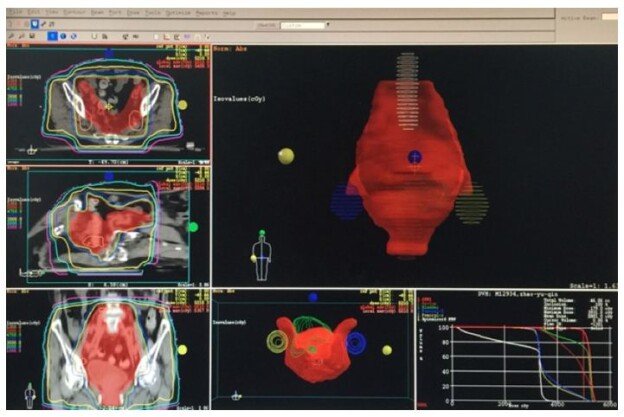
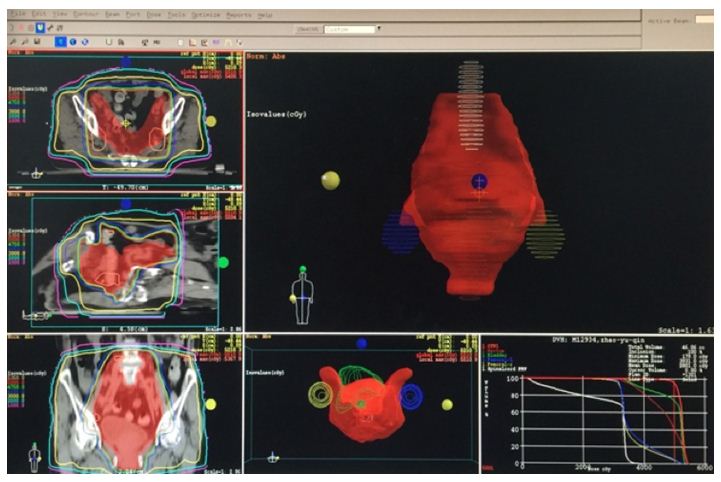
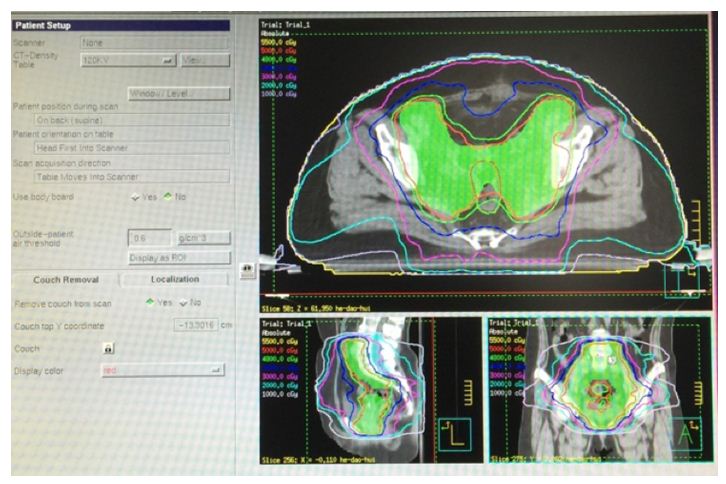
The clinical target volume (CTV) and organs at risk (OAR) were contoured using the concept and definition of volume targets from ICRU reports [9,10]. The gross tumour volume (GTV) and clinical target volume (CTV) were contoured on each single axial CT slice. The CTV included palpable tumour and areas expected to be affected with subclinical tumours. Therefore, the CTV included the pelvic lymph node (external, internal and common iliac), cervix, vagina upper section and uterus. A margin of 10 mm was generated around the CTV to define the planning target volume (PTV). Four fields (two lateral and PA-AP fields) with zero-degree (0°) couch angle were used to generate the 3D-CRT plans (Figure 1). The isocenter was positioned at the PTV’s geometric centre. 10 megavolt (MV) photon energy was used for all plans to improve coverage of PTV and reduce dose to the skin. The beam aperture was shaped to the PTV in each beam’s eye view and a margin of 0.5 cm in all directions accounting for the beam penumbra. The PTV was prescribed a total dose of 50 Gy (2Gy per fraction). The bladder and rectum were protected with a 4-cm central shield after 40 Gy. IMRT plans were generated using 10 megavolt energy with six coplanar fields (Figure 2). Patients had whole pelvic radiotherapy prescribe to 50 Gy with either 3D-CRT or IMRT in 1.8-2 Gy per fractions from Monday – Friday. Chemotherapy involving cisplatin (25 mg/m2) was given concurrently to all patients from second to fifth week during radiotherapy treatment. None of the patients received high dose rate-intracavitary brachytherapy.

fig 1

Figure 1: Shows the 4-field beam arrangement and isodose curve in 3D-CRT.

fig 2

Figure 2: Shows the beam arrangement and isodose curve in IMRT technique.

Plan Evaluation

All plans were passed and accepted after more than 95% of the PTV received more than 95% of the dose prescribed (PD). The dose-volume histograms (DVHs) were used in evaluating the PTV coverage, rectum and bladder between 3D-CRT and IMRT plans. The parameter analysed for bladder and rectum included D15D50D80 (dose to 15%, 50% and 80% of organ volume) while PTV coverage was based on D5 and D95 (Dose to 5% and 95% of the PTV respectively). The conformity index (CI) and homogeneity index (HI) was calculated in both techniques using the formulae below.

HI95% = D5/D95; where D5 is the minimum dose of 5% of the target volume indicating the maximum dose, and D95 is the maximum dose of 95% of the target volume indicating the minimum dose. The Homogeneity Index (HI) is an accurate method for analysing the homogeneity of the target volume dose distribution. HI, therefore, demonstrates in all terminology the ratio between both the minimum and maximum dose in the target volume and the lower value demonstrates a more homogeneous distribution of the dose within this volume.

The ideal value is 1, and it increases as the plan become less homogeneous.

CI95% = Total volume receiving 95% of prescribed dose/planning target volume. The ideal value is 1.

Statistical Analysis

All statistical analyses were carried out using SPSS 18, and a substantial difference in each set of dosimetric variables was determined using an independent sample test and chi-square. The rate of survival was evaluated after treatment was completed. The Kaplan – Meier method was used to calculate overall survival (OS) and disease-free survival (DFS). With the aid of the log-rank test, the significance of the difference was analyzed and a p-value < 0.05 was considered significant statistically.

Follow-Up

One month after treatment, patients had a gynaecological examination and pelvic CT/MRI. Afterwards, they were followed at a regular interval of 3 months for the first 2 years and at an interval of 6 months thereafter and then once a year. Version 3.0 of the Common Terminology Criteria for Adverse Events (CTCAE) was used in evaluating chronic and acute toxicity.

Results

Characteristics and Treatment of patients

146 stage IB2-stage IIB cervical cancer patients were treated from September 2011-December 2015. Seventy-five (75) were treated with 3D-CRT and the median age was 50 years (range, 39-68). Seventy-one (71) were also treated with IMRT and the median age was 53 years (range, 32-78). The squamous cell carcinoma histology type was seen in one hundred and thirty-seven (137, 93.8%) patients and nine (9, 6.2%) patients with adenocarcinoma. Table 1 shows a summary of the patients’ characteristics.

Table 1: Patients clinical characteristics.

Characteristics

IMRT 3D-CRT

p-value

Age
Median

53

50

Range

32-78

39-68

Histology type
SCC

64 (93.8%)

73 (97.3%)

Adenocarcinoma

7 (9.9%)

2 (2.7%)

0.071

Stage
IB2

6 (8.5%)

7 (9.3%)

IIA1

29 (40.8%)

44 (58.7%)

IIA2

2 (2.8%)

2 (2.7%)

0.131

IIB

34(47.9%)

22 (29.3%)

Grade
1

8 (11.3%)

12 (16.0%)

0.166

2

59 (83.1%)

53 (70.7%)

3

5 (5.6%)

10 (13.3%)

Tumour Size
<4 cm

45 (63.4%)

50 (66.7%)

0.677

≥ 4 cm

26 (36.6%)

25 (33.3%)

LVSI
Yes

30 (42.3%)

39 (52.0%)

0.238

No

41 (57.7%)

36 (48.0%)

Pelvic Node
Yes

19 (26.8%)

17 (22.7%)

0.540

No

52 (73.2%)

57 (76.0%)

Dose-Volume Histogram (DVH) Outcomes

The 95% PTV mean value was 50.02 ± 0.10 Gy and 50.10 ± 0.23 Gy of the prescribed dose in IMRT and 3D-CRT techniques respectively with a significant p-value of 0.005. Also, the mean coverage of 5% of the PTV was 52.66 ± 0.34 Gy and 53.89 ± 0.76 Gy of the prescribed dose in IMRT and 3D-CRT techniques respectively with a significant p-value of 0.001. Hence the target coverage was esteemed satisfactory and appropriate in both groups.

The HI mean value was 1.052 ± 0.008 and 1.083 ± 0.021 in IMRT and 3D-CRT plans respectively, and the p-value 0.001, indicates the statistical significance of HI in both plans. The CI mean value was 1.330 ± 0.103 and 1.109 ± 0.214 in IMRT and 3D-CRT plans respectively, with a significant 0.001 p-value. Table 2 shows the outcomes of the CI, HI and target coverage in both treatment technique.

Table 2: Outcomes of the CI, HI and target coverage in both treatment technique.

Dosimetric Parameters

 IMRT 3D-CRT

P-value

D5

52.66 ± 0.39

53.89 ± 0.76

 0.001

D95

50.02 ± 0.10

50.10 ± 0.23

0.005

CI

1.330 ± 0.103

1.109 ± 0.214

0.001

HI

1.052 ± 0.008

1.083 ± 0.021

0.001

The dose received by 15% (D15), 50% (D50) and 80% (D80) of the bladder in IMRT was 51.30Gy, 46.79 Gy and 38.69 Gy respectively while that of 3D-CRT was also 52.96 Gy, 51.30 Gy and 41.95 Gy at D15, D50 and D80 respectively. The dose difference between these two techniques at D15, D50 and D80 was highly significant with p-value 0.0001 at all level. Furthermore, dose received by 15% (D15), 50% (D50) and 80% (D80) of the rectum in IMRT was 51.04 Gy, 48.82 Gy and 43.72 Gy respectively while that of 3D-CRT was also 52.24 Gy, 50.99 Gy and 48.08 Gy at D15, D50 and D80 respectively. The dose difference between these two techniques at D15, D50 and D80 was highly significant with p-value 0.001 at all level. Table 3 shows the detailed values of rectum and bladder dose at D15, D50 and D80.

Table 3: Summary of rectum and bladder dose.

Dosimetric Parameters

IMRT 3D-CRT

P-value

Bladder
D15

51.300.39

52.96 ± 0. 88

0.001

D50

46.792.28

51.30 ± 1.72

0.001

D80

38.69 ± 3.63

41.95 ± 6.14

0.001

Rectum
D15

51.04 ± 0.52

52.24 ± 0.89

0.001

D50

48.82 ± 0.97

50.99 ± 0.75

0.001

D80

43.72 ± 2.59

48.08 ± 2.97

0.001

Survival Outcome and Failure Patterns

The 2 years’ overall survival (OS) was 92% in the IMRT group and 88% in the 3D-CRT group with a non-significate p-value of 0.073 and the median follow-up time was 28 months. The disease-free survival outcome (DFS) was 83% and 80% in IMRT and 3D-CRT group respectively. Locoregional failure was noticed in 5 patients. Three (3) from the 3D-CRT group and 2 from the IMRT group. Distant metastasis was observed in one patient in the three-dimensional conformal radiotherapy group in addition to the locoregional failure. Six (6) death rate was recorded during the follow-up, two (2) from the IMRT group and 4 from the 3D-CRT group. The causes of death were pulmonary embolism (1 patient), heart failure (3 patients) and natural death (2).

Clinical Toxicity Outcome

Table 4 shows the percentage of patients with acute genitourinary (GU), haematological and gastrointestinal (GI) toxicity and their grades. Less acute genitourinary (GU) and gastrointestinal (GI) toxicity were noticed in the IMRT patients compared to the 3D-CRT patients (p-value = 0.436 and 0.179 respectively). None of the patients experienced grade 4 genitourinary (GU) and gastrointestinal (GI) toxicity in both groups. Two patients in the IMRT category developed oedema while 12 patients in the 3D-CRT category experienced the same effect. None significant statistical difference was noticed between the two groups when the various clinical toxicity was considered.

Table 4: Clinical toxicity between IMRT and 3D-CRT.

Toxicity

Grade 3D-CRT arm, n (%) IMRT arm, n (%) x2

p-value

Hematologic

0

43 (57.3%) 47 (5.3%) 1.834

0.608

1

21 (28.0%)

18 (25.4%)

2

8 (10.7%)

4 (5.6%)

3

3 (4.0%)

2 (2.8%)

GI

0

47 (62.7%) 56 (78.9%) 4.907

0.179

1

22 (29.3%)

12 (16.9%)

2

5 (6.7%)

2 (2.8%)

3

1 (1.3%)

1 (1.4%)

GU

0

28 (37.3%) 22 (31.0%) 2.726

0.436

1

33 (44.0%)

31 (43.7%)

2

10 (13.3%)

16 (22.5%)

3

4 (5.3%)

2 (2.8%)

Edema

Yes

12 (16.0%) 2 (2.8%) 7.311

0.007

No

63 (84.0%)

69 (97.2%)

Discussion

Previous epidemiological studies have shown that most cervical cancer patients mostly report to the hospital in advance stages of the disease. The public, accepted management for locally advanced cervical cancer (LACC) is brachytherapy with concurrent cisplatin chemoradiotherapy. Conventional radiotherapy continues to be the golden standard for LACC. There has been a reduction in the clinical outcomes and toxicities of IMRT compared with 3D-CRT from preliminary studies. The utilisation of IMRT for gynaecologic tumours including locally advanced cervical cancer has upsurge over these years even though there is insufficient retrospective randomised data to support its usage. From our results, both techniques attained the desired target coverage since 95% of the PTV had above 95% of the prescribed dose (PD). Also, there was better CI, HI and PTV coverage in IMRT compared to 3D-CRT because IMRT uses computer optimised intensity beams and multiple beam angles. Secondly, by using computer algorithms, the intensity of the beam can be optimised in IMRT as it orients around the patient, therefore, allowing radiation to be more precisely shaped to fit the target volume. The results of previous studies, when compared to this present study, confirmed that both IMRT and 3D-CRT are useful in PTV coverage hence no difference in our PTV coverage when compared with previous studies. Van De Bunt et al. [11] reported that IMRT is superior to conformal and conventional treatment in sparing critical organs with ample target volume coverage and also stated that IMRT remains superior after EBRT of 30 Gy regardless of internal organ movement and tumour deterioration.

Mell et al. [12], reported IMRT that there was a reduction in doses to the bone marrow and small bowel when patients were treated with IMRT. A study by Naik et al. [13], reported that doses to organ volume of bladder and rectum were reduced in IMRT patients compared to 3D-CRT. Fiorino et al. [14] concluded that IMRT was superior regarding bowel sparing for doses above 30Gy and also a correlation exists between toxicity and the amount of radiation received by an organ. Central target volume boost is possible with IMRT for patients whom brachytherapy is not possible due to a reduction in doses to OAR thereby allowing higher dose up to 66-70 Gy to be delivered using IMRT. Retrospective studies have accounted that decrease in dose to healthy organs may present a clinical benefit in clinical toxicities reduction. Jereczek – Fossa et al. [15] examined 317 postoperative endometrium carcinoma patients and reported that there was a statistically significant correlation between late and acute bowel reactions. The morbidity and complications among cervical cancer patients after a long-term treatment survivor was assessed by Kamal et al. [16] and reported that the rate of obstruction of the small intestines was comparable in IMRT and 3D-CRT with no significant p-value in both groups. Ajeet et al. [17] reported grade 2 diarrhoea, tenesmus and constipation in patients treated with 3D-CRT compared to a lower grade in IMRT patients. Avinash et al. [18] concluded that there were no differences in both techniques when the grade of haematological toxicities was considered every week even though there was a statistically significant difference between IMRT and 3D-CRT during the second week when the total count and Neutrophils count were assessed. Our results showed that less acute genitourinary (GU) and gastrointestinal (GI) toxicity was noticed in the IMRT patients compared to the 3D-CRT patients (p-value = 0.436 and 0.179 respectively). None of the patients experienced grade 4 genitourinary (GU) and gastrointestinal (GI) toxicity in both groups. Two patients in the IMRT category developed oedema while 12 patients in the 3D-CRT category experienced the same effect. In general, lower clinical toxicities were observed in the IMRT patients than the 3D-CRT patients even though there wasn’t any statistical significance between the two techniques.

Past studies [19-27] in postoperative patients treated with IMRT have normally shown suitable survival outcomes. Chen et al. [28] analyzed 35 patients receiving four-field radiation therapy and 33 patients receiving intensity-modulated radiotherapy and concluded that IMRT improved locoregional control. An update of the study of the Gynaecologic Oncology Group showed 3-year overall survival and progression-free survival rates of 88% and 86% respectively in stage IB cervical cancer patients. Results from the Radiation Therapy Oncology Group 0418 study, involving 48 patients showed an estimated 2-year OS and DFS rates of 94.6% and 86.9% respectively with a median follow-up duration of 2.68 years. In Folkert et al. [29] studies involving 34 patients, the 3 years OS was 91.1% and the 5 years DFS was 91.2%. Our findings were similar to this study.

Our study’s major limitation is the short follow-up period. Furthermore, using bone marrow-sparing methods could reduce the higher rates of haematological toxicity recorded in treated patients with intensity-modulated radiotherapy. In addition, more focus should be given to the target margin in order to leave an adequate margin in IMRT planning for PTV expansion.

Conclusion

In conclusion, patients treated with IMRT had a lower dose of bladder and rectum, a lesser rate of clinical toxicity and comparable clinical outcome than 3D-CRT. We admonish larger sample size studies and longer follow-up in subsequent studies to affirm our results.

References

  1. Shan J (2014) Cervical cancer increases among young Chinese women.
  2. Ostor AG, Rome RM (1994) Micro-invasive squamous cell carcinoma of the cervix: a clinico-pathologic study of 200 cases with long-term follow up. Int J Gynecol Cancer 4: 257-264.
  3. Chen W, Zheng R, Baade PD, Zhang S, Zeng H, et al. (2016) Cancer statistics in China, 2015. CA Cancer J Clin 66: 115-132.
  4. Hochman A, Ratzkowski E, Schrieber H (1955) Incidence of carcinoma of cervix in Jewish women in Israel. Br J Cancer 9: 358-364.
  5. Perez CA (1998) Uteri cervix. In: Perez CA, Brady LW, Principles and practice of radiation oncology 3rd edition. Philadelphia, PA: Lippincott-Raven Publishers 1998: 1733-1834.
  6. Low D, Purdy JA, Perez CA et al. (1992) Intensity modulated radiation therapy, In: Levitt SH, Potish RA, Khan FM, Perez CA eds. Levitt and Tapley’s technological basis of radiation therapy: Clinical application 3rd edition. Baltimore, MD: Lippincott Williams and Wilkins 1992: 126-146.
  7. Khan FM (2007) Treatment Planning in Radiation Oncology, 2nd edition, Philadelphia: Lippincott Williams and Wilkins.
  8. Drokow EK, Zi L, Qian H, Xu L, Foli F, et al. (2020) Tolerability, efficacy and feasibility of concurrent gemcitabine and cisplatin (CGP) combined with intensity modulated radiotherapy for loco-regionally advanced carcinoma of the cervix. Journal of Cancer 11: 2632-2638. [crossref]
  9. ICRU Report 50 (1993) Prescribing, recording and reporting photon beam therapy: ICRU, Bethesda, MD,
  10. ICRU Report 62 (1999) Prescribing, recording and reporting photon beam therapy (Supplement to ICRU report 50): ICRU, Bethesda, MD.
  11. Van de Bunt L, van der Heide UA, Ketelaars M, de Kort GA, Jurgenliemk-Schulz IM (2006) Conventional, conformal, and intensity-modulated radiation therapy treatment planning of external beam radiotherapy for cervical cancer: the impact of tumor regression. Int J Radiat Oncol Biol Phys 64: 189-196. [crossref]
  12. Mell LK, Tiryaki H, Ahn KH, John C Roeske, Bulent Aydogan et al. (2008) Dosimetric comparison of bone marrow-sparing intensity-modulated radiotherapy versus conventional techniques for treatment of cervical cancer. Int J Radiat Oncol Biol Phys 71: 1504-1510. [crossref]
  13. A Naik, O.P. Gurjar, P. Bagdare et al. (2016) Dosimetric comparison between IMRT and 3D-CRT planning. J. Radiat 14: 189-196.
  14. Fiorino C, Alongi F, Perna L Et al. (2009) Dose–volume relation- ships for acute bowel toxicity in patients treated with pelvic nodal irradiation for prostate cancer. Int J Radiat Oncol Biol Phys 75: 29-35. [crossref]
  15. Jereczek-Fossa BA, Jassem J, Badzio A (2002) Relationship between acute and late normal tissue injury after postop- erative radiotherapy in endometrial cancer. Int J Radiat Oncol Biol Phys 52: 476-482. [crossref]
  16. Kamal A Elghamrawi (2011) Treatment complications among long-term survivors of cervical cancer: treated by surgery or radiotherapy. Oncology Reviews 5: 261-266.
  17. Gandhi AK, Sharma DN, Rath GK, Julka PK, Subramani V, et al. (2013) Early clinical outcomes and toxicity of intensity modulated versus conventional pelvic radiation therapy for locally advanced cervix carcinoma: a prospective randomized study. Int J Radiat Oncol Biol Phys 87: 542-548. [crossref]
  18. Avinash HU, Arul Ponni TR, Janaki M G, Kirthi Koushik A S, Kumar SM (2015) A prospective dosimetric and clinical comparison of acute haematological toxicities in intensity modulated radiation therapy and three-dimensional conformal radiotherapy with concurrent chemotherapy in carcinoma cervix. J Can Res Ther 11: 83-87. [crossref]
  19. Hui Beina MD, Zhang, Yingbing MD, Shi Fan MD, Wang Juan PhD, et al. (2014) Association Between Bone Marrow Dosimetric Parameters and Acute Hematologic Toxicity in Cervical Cancer Patients Undergoing Concurrent Chemoradiotherapy: Comparison of Three-Dimensional Conformal Radiotherapy and Intensity-Modulated Radiation Therapy. International Journal of Gynecological Cancer 24: 1648-1652. [crossref]
  20. Wang YM, Wang CJ, Fang FM, Chen HC, Hsu HC, et al. (2017) Differences in the outcomes and complications between elderly and younger uterine cervical cancer patients treated by definitive radiotherapy – a propensity score-matched study. Gynecol Oncol 145:277-283.
  21. Hui B, Zhang Y, Shi F, Wang J, Wang T, et al. (2014) Association between bone marrow dosimetric parameters and acute hematologic toxicity in cervical cancer patients undergoing concurrent chemoradiotherapy: comparison of three-dimensional conformal radiotherapy and intensity modulated radiation therapy. Int J Gynecol Cancer 24:1648-1652. [crossref]
  22. Chang Y, Yang ZY, Li GL, Li Q, Yang Q, et al. (2016) Correlations between radiation dose in bone marrow and haematological toxicity in patients with cervical cancer: a comparison of 3DCRT, IMRT, and Rapid ARC. Int J Gynecol Cancer 26:770-776. [crossref]
  23. Mell LK, Sirak I, Wei L, Tarnawski R, Mahantshetty U, et al. (2017) Bone marrow-sparing intensity modulated radiation therapy with concurrent cisplatin for stage IB-IVA cervical cancer: an international multicenter phase II clinical trial (INTERTECC-2). Int J Radiat Oncol Biol Phys 97:536-545. [crossref]
  24. Tanderup K, Fokdal LU, Sturdza A, Haie-Meder C, Mazeron R, et al. (2016) Effect of tumor dose, volume and overall treatment time on local control after radio-chemotherapy including MRI guided brachytherapy of locally advanced cervical cancer. Radiother Oncol 120:441-446. [crossref]
  25. Sturdza A, Potter R, Fokdal LU, Haie-Meder C, Tan LT, et al. (2016) Image guided brachytherapy in locally advanced cervical cancer: improved pelvic control and survival in RetroEMBRACE, a multi-center cohort study. Radiother Oncol 120: 428-433. [crossref]
  26. Weiping W, Xiaorong H, Junfang Y, Jie S, et al. (2017) Outcome and toxicity of radical radiotherapy or concurrent chemoradiotherapy for elderly cervical cancer women. BMC Cancer 17:510. [crossref]
  27. Mei-Ling LAN, Xian YU, He XIAO et al. (2016) Clinical outcomes and toxicity of postoperative intensity-modulated versus three-dimensional conformal radiation therapy in patients with cervical cancer. Asia-Pacific Journal of Clinical Oncology 12: 430-436. [crossref]
  28. Chen MF, Tseng CJ, Tseng CC, Yu CY, Wu CT, et al. (2008) Adjuvant concurrent chemoradiotherapy with intensity modulated pelvic radiotherapy after surgery for high-risk, early stage cervical cancer patients. Cancer J 14: 200-206. [crossref]
  29. Folkert MR, Shih KK, Abu-Rustum NR et al. (2013) Postoperative pelvic intensity-modulated radiotherapy and concurrent chemotherapy in intermediate- and high-risk cervical cancer. Gynecol Oncol 128: 288-293. [crossref]
fig 1

CAR-T Neurotoxicity Causing Severe Brain Oedema and Tonsillar Herniation in a Young Child with Relapse ALL – A Case Report

DOI: 10.31038/CST.2020534

Abstract

Background: Cellular immunotherapy with autologous T cells genetically engineered to express chimeric antigen receptors is emerging as a promising new class of immunotherapeutic agents, however may cause unique symptoms of neuro-toxicity, such as toxic encephalopathic state with symptoms of confusion and delirium, and occasionally seizures and cerebral oedema.

Case presentation: Hereby, we report a case of a 4-year-old boy, with B-cell precursor acute lymphoblastic leukemia and refractory CNS involvement, which was treated with CAR T-cells. The patient developed severe encephalopathy, high fever and seizures, and was treated with steroids and anticonvulsants. Nevertheless, the patient rapidly deteriorated and developed diffused brain oedema and herniation of cerebellar tonsils. Unfortunately, the patient showed no neurological improvement and suffered brain death.

Conclusion: Neurotoxicity is an important and common complication of CAR-T cell therapies. Usually, severe neurological symptoms are manageable in most patients, which respond to standard interventions. Early detection of neurological deterioration is of paramount importance, and pediatric intensivists should consider pre-emptive management for brain oedema, even prior to radiological evidence. Randomized prospective studies of treatment algorithms are urgently needed to improve patient monitoring and management.

Keywords

Chimeric antigen receptors (CAR), cytokine-release syndrome (CRS), Immune effector cell-associated neurologic syndrome (ICANS), Neurotoxicity

Background

Cellular immunotherapy with autologous T cells genetically engineered to express chimeric antigen receptors (CARs) is emerging as a promising new class of immunotherapeutic agents in relapsed and refractory B-cell malignancies [1,2]. As CAR T-cell therapies become more widely used, recognition of their unique toxicities, which are distinct from those seen with traditional chemotherapies, monoclonal antibodies, and small-molecule targeted therapies, is of the utmost importance [1]. The two most commonly observed toxicities with CAR-T-cell therapies are: 1) cytokine-release syndrome (CRS), characterized by high fever, hypotension, hypoxia, and/or multiorgan toxicity; and 2) Immune effector Cell-Associated Neurologic Syndrome (ICANS), which may occur in more than 60% of patients treated with CAR T-cells [2]. ICANS is typically characterized by a toxic encephalopathic state with symptoms of confusion and delirium, and occasionally seizures and cerebral oedema, and can occur with or after CRS [1] with peak incidence occurring 4–6 days after infusion [3-5]. About 20% of patients will present severe neurotoxicity [5], and grade 5 fatal neurotoxicity has been described in clinical studies in adults treated with CD19-directed CAR T-cells, with an incidence of up to 3% [4]. Hereby, we are the first to present an extreme form of neurotoxicity in a young child, resulting in brain oedema and death.

Case Presentation

We report a case of a 4-year-old boy, with B-cell precursor acute lymphoblastic leukemia (ALL) with CNS involvement. Due to high risk relapse/refractory disease he was enrolled on a clinical trial using CD19 CAR T-cells. The patient developed CRS on day +3 (grade 1), and due to encephalopathy, high fever and seizures he was transferred to pediatric intensive care (PICU) on day 5 of CAR-T treatment. Prior to transfer to PICU, due to a clinical diagnosis of ICANS grade 3, he was commenced on dexamethasone, on top of Levetiracetam prophylaxis (started on day -3). Following this event, a brain CT was performed and was normal, showing no intracranial bleeding or oedema. EEG revealed general encephalopathy. Following repeated tonic-clonic seizures despite increase in the Levetiracetam dose and steroids treatment, he was loaded with phenytoin as well as a few midazolam boluses to stop the seizures. During the first 24 hours in PICU, the patient remained stable, encephalopathic, however maintained GCS of 8-10. The following day (+6) a brain MRI was performed under general anesthesia, showing high T2-FLAIR signal involving the hemispheral sub-cortical white matter, hippocampi and capsule externa, in addition to high signal in the thalami bilateral. Furthermore, there were cortical areas with diffusion strain which correlate with ICANS. The patient was extubated and returned to PICU drowsy but responsive. Upon returning from MRI the patient had a sudden acute deterioration, with apneic episode and GCS which dropped to 3, therefore was immediately intubated. An urgent repeat CT brain was performed revealing diffused brain oedema with developing herniation of cerebellar tonsils (Figure 1). During the next 24 hours he received mannitol, hypertonic saline, and noradrenaline to maintain proper cerebral perfusion pressure and reduction of oedema, he was started on broad spectrum antibiotics and anti-viral empiric therapy for possible meningo-encephalitis, as well as pulse methylprednisolone and tocilizumab. Unfortunately, the patient showed no neurological improvement and had absent brain stem reflexes and anisocoric pupils. SPECT was performed showing absent flows which correlates with brain death.

fig 1

Figure 1: CT/MRI findings.

Discussion

We describe a young child with relapse ALL that was commenced on CAR-T therapy and very rapidly, after 5 days of treatment, developed severe ICANS presenting as encephalopathy and seizures. He received the acceptable treatment with anti-epileptic drugs and steroids, unfortunately suffered from very extreme and rare complication of CAR-T treatment as of brain oedema, followed by tonsillar herniation and death. The oedema itself may have risen as the sequelae of some other underlying process, and in our patient might have been main cause of the neurological deterioration. Neurotoxicity is an important and common complication of CAR-T cell therapies. Acute neurologic signs and/or symptoms occur in a significant proportion of patients with clinical manifestations that include headache, confusion, delirium, language disturbance, seizures and rarely, acute cerebral oedema. The mechanisms that lead to neurotoxicity remain unknown, but data from patients and animal models suggest there is compromise of the blood-brain barrier, associated with high levels of cytokines in the blood and cerebrospinal fluid, as well as endothelial activation [6]. This cytokine production is correlated to early onset of severe CRS, or may be associated with expansion and activation of CAR T-cells that lead to a direct parenchymal CAR T-cell infiltration [5]. Such toxicities have also been observed in patients treated with other redirected-T-cell therapies and bispecific T-cell-engaging antibodies [1]. Gust et al., [4] described a potential mechanism for the cases of diffuse and often fatal cerebral oedema, with findings of widespread endothelial activation as well as findings of meningeal inflammation from a mouse model of CAR T-cell neurotoxicity [7]. Toxicity may also be primarily mediated by the inflammatory cytokine surge that accompanies CAR-T cell expansion in the marrow, rather than the CAR-T cells themselves [6].

The management of ICANS remains an area of active investigation. Therapy rests upon symptomatic management, seizure control, and corticosteroids. Despite the widespread use of corticosteroids, it is unknown to what degree they influence CAR T cell–mediated anticancer effects [2]. Presently, corticosteroids and tocilizumab are the mainstays of treatment for both CRS and neurotoxicity [1]. However, treatment with tocilizumab for CRS causes serum IL-6 to rise, which may predispose to more severe neurotoxicity [6]. In sicker patients with depressed level of consciousness, dexamethasone should be added and seizures need to be ruled out and controlled. In the sickest patients who are unarousable, with status epilepticus, motor weakness or diffuse cerebral oedema, or when brain MRI identifies focal or diffuse oedema, high dose methylprednisolone should be started. Anakinra (anti-interleukin-1 receptor antagonist) has been anecdotically proposed [5,6]. Although symptoms could present at virtually any time within the first few weeks after CAR T-cell infusion, patients who developed early CRS are more likely to develop severe neurotoxicity. Severe neurotoxicity represents a negative prognostic factor for overall survival with potential therapy-related mortality and underline the importance of rigorous monitoring of these patients [2]. Usually, ICANS is manageable in most patients, although some require monitoring and treatment in the intensive-care setting. It is thus imperative that clinicians remain vigilant in their workup and management of all neurological symptoms, especially those that deviate from the expected course of recovery and responsiveness to standard interventions. The role of intensivists is crucial and PICU specialists may help anticipate the risk for developing organ dysfunction or sepsis, based on patient’s frailty, immunity and comorbid conditions. After CAR-T infusion, when patients develop subacute fever and mild organ derangement, early PICU admission is recommenced. PICU intensivists should consider early management for brain oedema with possible intubation and secure airway, hyperosmolar therapy, and raising the cerebral perfusion pressure by vasoactive support. All of these measures should be considered at a very early stage of ICANS, even prior to radiological evidence, as most if not all patients will have brain oedema to some degree at presentation with encephalopathy. Diabetes ketoacidosis is a similar example where an inflammatory state associated with an immune and systemic inflammatory response results in disruption in the integrity of brain capillaries tight junctions which causes capillary permeability and brain oedema [8]. Our problem in clinical practice is that we are unable to quantify BBB function in real time during the acute course of ICANS treatment. Hence, from a pragmatic perspective, recognizing and providing preemptive treatment is paramount for pediatric intensivists.

Conclusion

Early detection of neurological deterioration is of paramount importance after CAR-T cell treatment, and PICU intensivists should consider early management for brain oedema, even prior to radiological evidence. Randomized prospective studies of treatment algorithms are urgently needed to improve patient monitoring and management.

List of Abbreviations

CAR: Chimeric antigen receptors

CRS: Cytokine-Release Syndrome

ICANS: Immune Effector Cell-Associated Neurologic Syndrome

ALL: Acute Lymphoblastic Leukemia

PICU: Pediatric Intensive Care

Declarations

  • Ethics approval and consent to participate.
  • Consent for publication – there is an ethical approval and consent to participate by the local IRB committee.
  • Availability of data and materials – all data was described in references.
  • Competing interests – no competing interests.
  • Funding – no funding.
  • Authors’ contributions – RKL wrote the manuscript with the help of EJ. Initiated, supervised and finally edited and approved by GP. All authors read and approved the final manuscript.
  • Acknowledgements – not applicable.

References

  1. Neelapu SS, Tummala S, Kebriaei P, William Wierda, Cristina Gutierrez, et al. (2017) Chimeric antigen receptor T-cell therapy—assessment and management of toxicities. Nat Rev Clin Oncol 15: 47-62.
  2. Philipp Karschnia, Justin T. Jordan, Deborah A. Forst, Isabel C. Arrillaga-Romany, Tracy T. Batchelor, et al. (2019) Clinical presentation, management, and biomarkers of neurotoxicity after adoptive immunotherapy with CART cells. Blood:
  3. Makita S, Yoshimura K, Tobinai K (2017) Clinical development of anti- CD19 chimeric antigen receptor T-cell therapy for B-cell non-Hodgkin lymphoma. Cancer Sci 108:1109-111.
  4. Juliane Gust, Kevin A Hay, Laïla-Aïcha Hanafi, Daniel Li, David Myerson, et al. (2017) Endothelial Activation and Blood-Brain Barrier Disruption in Neurotoxicity after Adoptive Immunotherapy with CD19 CAR-T Cells. Cancer Discov Dec 7: 1404-1419.
  5. Elie Azoulay, Michael Darmon, Sandrine Valade (2020) Acute life‑threatening toxicity from CAR T‑cell therapy. Intensive Care Med 46:1723-1726.
  6. Daniel B. Rubin, Husain H. Danish, Ali Basil Ali, Karen Li, Sarah LaRose, et al. (2019) Neurological toxicities associated with chimeric antigen receptor T-cell therapy.
  7. Margherita Norelli, Barbara Camisa, Giulia Barbiera, Laura Falcone, Ayurzana Purevdorj, et al. (2018) Monocyte-derived IL-1 and IL-6 are differentially required for cytokine-release syndrome and neurotoxicity due to CAR T cells. Nature Medicine 24: 739-748.
  8. Robert CT, Carlo LA (2014) Cerebral edema in children with diabetic ketoacidosis: vasogenic rather than cellular? Pediatric Diabetes 15: 261-270.
fig 1

COVID-19 Pandemic: Non-Contact Strategies for Protecting Healthcare Workers

DOI: 10.31038/IDT.2020123


The outbreak of severe acute respiratory syndrome coronavirus 2 (SARS-COV-2) has evolved into a pandemic with more than 49 million confirmed cases and almost 1,239,000 deaths globally [1]. SARS-CoV-2 infection occurs mainly via respiratory droplets from face-to-face contact and, to a lesser extent, via contaminated surfaces [2]. The virus is highly infectious and increasing evidence of hospital-based transmission has been observed [3]. In the United States, among the 156,306 COVID-19 health care workers, 789 have died [4]. The protection of health care workers is a challenge that calls for the development of effective measures.

In order to relieve the current shortage of medical resources, novel preventive and control technologies and equipment, especially those that make use of modern information technology (IT), may prove to be effective and efficient [5,6]. 3D-printed personal protective equipment (PPE) has been developed in some regions to alleviate severe shortages of masks in times of crisis [7]. A hospital has introduced a negative airway pressure respirator (NAPR), which is used in patients for bronchoscopy, to better protect health care workers from aerosols produced in the upper and lower respiratory tracts [8]. To this end, the First Affiliated Hospital of Gannan Medical University developed a new integrated IT platform comprising a series of non-contact or low-contact in-hospital screening, diagnosis, and monitoring devices for protecting health care workers from COVID-19 [9].

First, at the entrance of the hospital, patients place their identification cards against a sensor, which automatically reads their name, gender, and age, and transfers this information to the hospital information network. For triage, an automatic infrared temperature imaging and measurement system is used to determine whether the patient has a fever. Based on a series of preset questions, a designated robot automatically ascertains whether the patient had a fever or other respiratory symptoms in the past three days or a history of exposure to a SARS-CoV-2-infected individual in the last two weeks. This robot intelligently analyzes the response obtained to guide the patient into the fever clinic or outpatient clinic (Figure 1A).

Second, a non-contact television consultation system (Figure 1B) is used to interview the patient in the fever clinic. The doctor and the patient sit in different rooms, preventing direct contact. For examination, researchers employ a novel low-contact sampling and examination system, which comprises an endoscopic throat swab specimen collection system (Figure 1C), an isolated blood collection device (Figure 1D), and a two-side isolated stethoscope and electrocardiogram-acquisition system. In addition, a computed tomography room for disease screening was independently reserved for performing lung imaging examinations on patients to protect health care workers from COVID-19.

fig 1

Figure 1: Non-contact in-hospital screening devices: enquiry and triage (A), non-contact television consultation (B), endoscopic throat swab specimen collection (C), and isolated blood collection (D).

Third, based on the recommendation of clinicians considering the examination results and the specific conditions of patients ascertained via the consultation, the patients are classified into three categories: non-COVID-19 patients, COVID-19suspected patients, and COVID-19 patients. It is recommended that non-COVID-19 patients be sent home for observation or special outpatient treatment. COVID-19 suspected patients should be placed in isolation for observation. COVID-19 patients are transferred to a designated hospital for treatment. Moreover, digital high-definition video cameras were installed in areas where COVID-19 suspected patients pass through in the hospital. Once the COVID-19 suspected patient is confirmed, clinicians can use digital cameras to track and intelligently analyze the patients’ movements and search for contacts with high infection risk contacts. Thus, clinicians can identify individuals in intimate contact with the patient for immediate isolation and observation to further protect health care workers from COVID-19.

In addition, an intelligent infrared thermal imaging and high-definition video monitoring system is installed in emergency departments, outpatient clinics, and waiting rooms. This system is used to locate and monitor patients with fever who may have been missed. After these patients are identified, they are guided to the fever clinic for further screening and diagnosis. Finally, this system can intelligently identify individuals not wearing masks or not adhering to standard protective measures and automatically provide warnings or friendly reminders. This not only protects health care workers from COVID-19 but also increases public awareness regarding protection against respire a story infections. Between January 20 2020, and July 31, 2020, the First Affiliated Hospital of Gannan Medical University received 546,413 out patients, of which 7,933 were placed in fever clinic, and 11,098 throat swab specimens were collected by this system. Among these patients, five were diagnosed as COVID-19-positive, and none of the health care workers were infected. Overall, this integrated system minimizes direct contact between health care workers and patients, reduces the risk of infection for health care workers, and conserves medical supplies. Researchers will continue collecting feedback on relevant information throughout the application of this system and continuously improve it to develop a new integrated IT platform that comprises a complete contact less COVID-19 hospital screening, diagnosis and monitoring system for the protection of health care workers from COVID-19. Given our preliminary results, this system maybe valuable to other regions and countries where the outlook of COVID-19 prevention and control is not optimistic.

Declaration of Interests

We declare no competing interests.

Role of Funding Source

Funding: This project was supported by Science and Technology Department of Jiangxi Province and the Gannan Medical University (COVID-19 Emergency Science and Technology Project of Gannan Medical University) [grant number YJ202004].

Acknowledgement

We would like to thank Editage (www.editage.cn) for English language editing.

References

  1. WHO Coronavirus Disease (COVID-19) (2020).
  2. Wiersinga WJ, Rhodes A, Cheng AC, Peacock SJ, Prescott HC (2020) Pathophysiology, transmission, diagnosis, and treatment of coronavirus disease 2019 (COVID-19): A Review. JAMA 324: 782-793. [crossref]
  3. Rivett L, Sridhar S, Sparkes D, Routledge M, Jones NK, et al. (2020) Screening of healthcare workers for SARS-CoV-2 highlights the role of asymptomatic carriage in COVID-19 transmission. Elife 9: 58728. [crossref]
  4. Cases & Deaths among Healthcare Personnel (2020).
  5. McCall B (2020) COVID-19 and artificial intelligence: protecting health-care workers and curbing the spread. Lancet Digital Health 2: 166-167. [crossref]
  6. Chen X, Tian J, Li G, Li G (2020) Initiation of a new infection control system for the COVID-19 outbreak. Lancet Infectious Diseases 20: 397-398. [crossref]
  7. Exchange NDP (2020) A collection of biomedical 3D printable files and 3D printing resources supported by the National Institutes of Health (NIH).
  8. Khoury T, Lavergne P, Chitguppi C, Rabinowitz M, Nyquist G, et al. (2020) Aerosolized particle reduction: a novel cadaveric model and a negative airway pressure respirator (NAPR) system to protect health care workers from COVID-19. Otolaryngol Head Neck Surg 63: 151-155.
  9. News Jiangxi (2020) The First Affiliated Hospital of Gannan Medical University developed the first non-contact visualized nosocomial intelligent screening, diagnosis and prevention and control system for novel coronavirus infection.
fig 1

Risk Factors for Early and Late Onset Preeclampsia in Women without Pathological History: Confirmation of the Paramount Effect of Excessive Maternal Pre-Pregnancy Corpulence on Risk for Late Onset Preeclampsia

DOI: 10.31038/IGOJ.2020331

Abstract

Objectives: Several major risk factors for preeclampsia being internationally consensual, we investigated risk factors for EOP and LOP in a “knock-out (KO) population” where we excluded 8 risks factors: all women with multiple pregnancies, pre-existing diabetes mellitus, chronic hypertension, history of previous preeclampsia, “coagulopathies”, renal or thyroid diseases and smokers.

Study design: South-Reunion University’s maternity (Reunion Island, Indian Ocean). 19 year-observational population-based cohort study (2001-2019). Epidemiological perinatal data base with information on obstetrical and neonatal risk factors. All consecutive singleton pregnancies (>21 weeks) compared with all preeclamptic pregnancies delivered in the south of Reunion island.

Main outcome measures: Comparing crude risk factors between EOP and LOP, and logistic regression model between EOP and LOP women with the general “KO population”.

Results: The 56,570 women belonging to the “knock-out population” comprised 72% of all women having delivered singleton babies during the 19- year survey and 63% of all preeclamptic cases. In this “virgin population”, we over-confirm that overweight and different classes of obesities are linearly and increasingly linked with only LOP, and completely disconnected with EOP. For EOP, this KO population revealed that history of previous perinatal death (mainly intra-uterine fetal deaths) have a tendency to be an independent factor (aOR 1.69, p=0.07). “New paternity” was an independent factor for both EOP and LOP (aOR 3.5 for EOP, p=0.006, and aOR 4.3, p<0.0001 for LOP).

Conclusion: Besides the indications of aspirin prevention as soon as the 16th week of gestation to prevent EOP (some 60% possible decreased risk), new paternity could be further investigated. Concerning the LOP risk, maternal pre-pregnancy high BMIs should be monitored through adequate gestational weight gains since the first prenatal visit to lower the incidence of LOP possibly by 30-40%.

Keywords

Preeclampsia, Epidemiology, Early onset preeclampsia, Late onset preeclampsia, Gestational weight gain

Introduction

This is the fourth study of a tetralogy on our population-based preeclamptic singleton cohort in Reunion island (Ocean Indian, French overseas department). First [1], on this same population we have described that ‘Placental preeclampsia’ (defective placentation) being linked to early onset preeclampsia (EOP, <34 weeks gestation) while ‘maternal preeclampsia’ (maternal cardiovascular predisposition) being typically manifesting as the late form of the disease LOP is not systematically verified: As a matter of fact: EOP women were older than LOP 29.5 vs. 28.6 years, p=0.009, primigravidas were prone to LOP. History of preeclampsia (aOR 12.8 vs. 7.1), chronic hypertension (aOR 6.5 vs. 4.5) had much higher adjusted odds ratios for EOP than for LOP, p<0.001. Specific to EOP: coagulopathies (see methods for definitions, aOR 2.95, p=0.04), stimulated pregnancies (aOR 3.9, p=0.02). Specific to LOP: renal diseases (aOR 2.0, p=0.05) and protective effect for smoking (aOR. 0.75, p=0.008). EOP women were prone to have a lower BMI [1]. This was somehow unexpected that the strongest factors associated with EOP are those concerning multiparas, although preeclampsia is particularly considered as a disease of the first pregnancy [2]. On the other hand, first pregnancies (primigravidity) and younger maternal age (especially <25 years) were rather associated with LOP, and not as expected with EOP. These findings (confirming a first study in 2017 [3], with similar results in a cohort in Madagascar [4]) completely disowned our proposed model in 2007 based on maternal ages [5]: the model we proposed then was that older ages should be more prone to LOP (by a “physiological” looming out of vascular and metabolic predispositions), while at younger ages women should be more prone to EOP (first pregnancies, less vascular and metabolic predispositions at these ages).

Then, and second, we verified if these unexpected results for us were not an effect of a “international bad choice” for the consensual cut-off of 34 weeks to discriminate between EOP and LOP internationally adopted since 2013 [6]. We tested different definitions of EOP-LOP (simulating different cut-offs from 30 weeks gestation to 37 [7]), and fundamental results remained quite identical whatever the cutoff chosen, especially the specific effect of rising maternal ppBMI on LOP [7]. Third, we deepened our analysis [8] and showed that in a multivariate analysis with EOP or LOP as outcome variables compared with controls (normotensive), maternal age and pre-pregnancy BMI were independent risk factors for both EOP and LOP. However, analyzing by increment of 5 (categories of 5 years for the ages, categories of 5 kg/m² for BMI) rising maternal ages and incidence of preeclampsia were similar for EOP and LOP, while increment of BMI was more specifically associated with LOP [8]. Also, and very important, controlling for maternal ages and booking/pre-pregnancy BMI, gestational diabetes mellitus was no more an independent risk factor neither for EOP nor for LOP. Further, smoking during pregnancy was protective only on LOP (30% decrease) and not on EOP [8].

After these three studies [1,7,8], we noticed that women with the 8 major well-known risk factors for preeclampsia that we confirmed (multiple pregnancies, chronic hypertension, diabetes, smoking, renal and thyroid diseases, “coagulopathies” and multiparous having a previous history of preeclampsia) represented indeed only 28% of our parturients. What about the other 72%? Therefore, we sought to explore what are the risk factors for EOP and LOP in women “without morbidities and past” (after excluding the 8 major risk factors). This is the purpose of the present study.

Materials and Methods

From January 1st, 2001, to June 30, 2019, the hospital records of all women delivered at the maternity of the University South Reunion Island (ap. 4 300 births per year) were abstracted in standardized fashion. The study sample was drawn from the hospital perinatal database which prospectively records data of all mother-infant pairs since 2001. Information is collected at the time of delivery and at the infant hospital discharge and regularly audited by appropriately trained staff. These epidemiological perinatal data base which contained information on obstetrical risk factors, description of deliveries and neonatal outcomes. For the purpose of this study records have been validated and have been used anonymously. As participants in the French national health care system, all pregnant women in Reunion Island have their prenatal visits, biological and ultasonographic examinations, and anthropological characteristics recorded in their maternity booklet.

Preeclampsia, gestational hypertension and eclampsia were diagnosed according to the definition issued by the International Society for the Study of Hypertension in Pregnancy (ISSHP) relatively to the guidelines in force at the year of pregnancy.

Design and Study Population

The maternity department of Saint Pierre hospital is a tertiary care centre that performs about 4 300 deliveries per year, thus representing about 80% of deliveries of the Southern area of Reunion Island, but is the only level 3 maternity (the other maternity is a private clinic, level 1 which is not allowed to follow/deliver preeclamptic pregnancies). Reunion Island is a French overseas region in the Southern Indian Ocean. The entire pregnant population has virtually access to maternity care. This is provided free of charge by the French healthcare system, which combines freedom of medical practice with nationwide social security.

Definition of Exposure and Outcomes

Renal diseases were defined as patients with known pre-existing nephropathies (glomerulopathies,tubulopathies, renal failure, diabetic nephropathies) and urological pathologies were excluded. Thyroid diseases were defined as hypo/hyperthyroidy, goitre, thyroiditis, thyroidectomy. Coagulopathies were defined as antiphospholipid syndrome, protein C/protein S deficit, factor 5 Leyden or other coagulation factors deficits at any time they were reported in the records (they were not systematically screened in all women as in a case-control study).

Preeclampsia was defined according to the World Health Organization recommendations [9-11] and the International Society for the study of Hypertension in Pregnancy [12] as the new onset of hypertension (BP ≥140 mmHg systolic or ≥90 mm Hg diastolic) at or after 20 weeks’ gestation and substantial proteinuria (>0.3 g/24 hours). Early onset preeclampsia was defined as preeclampsia that developed before 34 weeks of gestation.

The “primipaternity” item (changing father for the index pregnancy) has been added in the database in 2018 and has been prospectively recorded since then. It is the sum of all primigravidas (and not primiparas) plus multiparous having changed partner for the index pregnancy. For the other years (2001-2017), we retrospectively looked at all free commentaries (possible in each record) for “changing father, changing paternity, new father, new partner etc….” (therefore probably non-exhaustive), but we retrieved hundreds of cases (N=552).

Statistical Analysis

Data is presented as numbers and proportions (%) for categorical variables and as mean and standard deviation (SD) for continuous ones. Comparisons between groups were performed by using χ2-test; odds ratio (OR) with 95% confidence interval (CI) was also calculated. Paired t-test was used for parametric and the Mann-Whitney U test for non-parametric continuous variables. P-values <0.05 were considered statistically significant. Epidemiological data have been recorded and analysed with the software EPI-INFO 7.1.5 (2008, CDC Atlanta, OMS), EPIDATA 3.0 and EPIDATA Analysis V2.2.2.183. Denmark.

Further, to validate the independent association of maternal pre-pregnancy BMI, or maternal ages and other confounding factors on EOP or LOP we realized a multiple regression logistic model. Variables associated with in bivariate analysis, with a p-value below 0.1 or known to be associated with the outcome in the literature were included in the model. A stepwise backward strategy was then applied to obtain the final model. The goodness of fit was assessed using the Hosmer-Lemeshow test. A p-value below 0.05 was considered significant. All analyses were performed using MedCalc software (version 12.3.0; MedCalc Software’s, Ostend, Belgium).

Results

During this 19 year period (1st January 2001-31st of December 2019), there were 2007 preeclamptic women (PE) in the south of the island of Reunion, of which 115 multiple pregnancies. Out of 76,591 singleton pregnancies, the baseline population consisted of 1,892 singleton preeclamptic pregnancies, incidence 2.5% (614 EOP and 1,278 LOP).

For the purpose of the present study, we excluded from all our database 1) multiple pregnancies 2) chronic hypertension 3) diabetic women 4) smokers 5) renal diseases 6) thyroid diseases 7) “coagulopathies” (see methods) and 8) multiparous having a previous history of preeclampsia. What we propose to call the “knock-out (KO)” population.

The KO population (preeclamptics and controls) became 1,198 preeclamptics/56,570 singleton pregnancies (incidence 2.1%). The KO population represents then 72% of all parturients and 63% of all preeclamptics.

We tested first in Table 1 crude risk factors’ comparisons between women presenting EOP or LOP (Odds ratios being EOP vs. LOP). In bold are the results of the entire population (1,892 singleton preeclamptics/76,591, detailed in preceding studies [1,7]), in italic the same risk factors in women belonging to the KO population. Plus or minus, the comparisons are similar. We have added in the present study the item “primipaternity” which did not existed in the preceding studies [1,7,8]. Like primiparity, primipaternity is associated slightly more with LOP than with EOP (p=0.04 and 0.07). It is of note that women declaring to live single appear in KO women to be a risk factor rather for LOP (OR 0.69 for EOP, p=0.004). Therefore, we have included this item in the logistic model.

Table 1: Crude differences between EOP and LOP. In bold, crude results in the entire 19-year cohort (N=76,0000), already detailed in preceding studies [1,7]. In italic, crude results in the “knock-out” population (N=56,570)

Non significant results

Left numbers EOP N=662, knock-out KO N=378

Right numbers LOP N=1345, knock-out KO N=820


P value

Significant results

EOP vs. LOP

ODDS ratios

[95% CI]


P value

Gestity (mean, SD)       2.91 vs.  2.73

       KO                               2.49 vs. 2.31


0.10

0.10

Mother Age (years, SD)  29.5 vs. 28.6

        KO                 28.2 vs. 26.9

0.009

0.002

Parity (mean, SD               1.28 vs. 1.18

      KO                                 0.93 vs. 0.85

0.25

0.37

Primigravidity   

31.5% vs. 37.2% OR=0.78 [0.63-0.96]

KO  40.1% vs. 46.2%   0.78 [0.61-1.0]


0.02

0.05

  Primiparity    45.8% vs. 49.7%    OR 0.85 [0.70-1.0]

     KO  56.6% vs. 58.8% OR 0.91


0.05

0.24

Adolescents (<18y)       3.0% vs.  3.4% OR 0.89

     KO                                  4.3% vs. 4.8%        OR 0.88

0.67

0.68

First couple’pregnancy (“primipaternity”)

34.9% vs. 39.0% OR 0.84 [0.69-1.0]


KO First couple’s pregnancy    

42.9%vs 47.3%   OR=0.83 [0.65-1.06]

0.04


0.07

35 years +                        25.8 vs. 23.8%       OR=1.10

     KO                          19.8% vs. 16.1%     OR=1.28

0.39

0.12

Pre-pregnancy/booking BMI 26.4 vs. 27.1 Kg/m²

         KO        25.42 vs. 26.0 Kg/m²


0.06

0.19

Grand multiparae  (5+)    10.8% vs. 9.6%    OR=1.14

     KO                                  7.5% vs. 5.7%        OR=1.34

0.41

0.24

Atcd perinatal. Deaths 12% vs. 7.4%      1.78   [1.1-2.6]

KO 9.5% vs. 4.9%  2.06 [1.09-3.9]


0.008

0.02

Single            34.7% vs.  38.2%   OR=0.86

    KO          32.1% vs. 40.8%     OR=0.69 [0.53-0.89]


0.14

0.004

Stimulated pregnancies     0.8% vs. 0.2%       OR=3.4

KO .1% vs. 0.4%    OR=2.83


0.07

0.15

Years school ≥ 10.     56.9% vs. 55.6%     OR=1.06

      KO                           61.4% vs. 59.7%          OR=1.08

0.60

0.58

 
BMI ≥ 25 kg/m²         54.5% vs. 53.7%     OR=1.03

 KO           46.8% vs. 45.1%          OR=1.07

0.76

0.60

 
BMI ≥ 30 kg/m²         27.7% vs. 30.6%    OR=0.87

    KO        22.6% vs. 24.2%          OR=0.91

0.23

0.57

 
Atcd miscarriage        30.9 % vs. 31.4% OR=0.98

  KO                      30.4% vs. 31.1%     OR=0.96

0.85

0.83

 
Atcd abortion          27.0% vs. 23.3%  OR=1.22

       KO                      30.4% vs. 24.3%     OR=1.36

0.15

0.09

 
In vitro fecundation    1.3% vs. 1.0%     OR=1.36

  KO      0.8% vs. 0.9%           OR=0.90

0.50

0.88


                                               Excluded from this study population [results in 1,7]
Pre-existing diabetes     3.9% vs. 4. %9    OR=0.79

                   (knock out excluded)

0.37  
Smoking                    9.7% vs.  8.7%     OR=1.10

                   (knock out excluded)

0.58  
Coagulopathy*             1% vs. 0.5%           OR=2.04

                   (knock out excluded)

0.21 Gestational diabetes   11.9% vs. 17.9% 0.68  [0.51-0.90]

                         (knock out excluded)

0.009
Atcd thyroid disease#   2.5 % vs. 1.6%    OR=1.53

                   (knock out excluded)

0.21 Chronic hypertension 12.7% vs. 9.2%   1.43   [1.05-1.9]

                          (knock out excluded)

0.02
Atcd renal disease      1.5% vs. 0.9%      OR=1.67

                   (knock out excluded)

0.25 Atcd preeclampsia       18.1% vs. 11.4%    1.70 [1.2-2.5]

                          (knock out excluded)

0.002

#Goitre, hypo-hyperthyroidy, thyroidectomy, thyroid node, thyroiditis * antiphospholipid syndrome, protein C/protein S deficit, factor 5.

Leyden or other coagulation factors deficits.

In Table 2, logistic model, we adopted a different strategy: with the outcomes EOP and LOP, we compared cases and all the general KO population (n=56,270), taking into account the crude results comparing EOP with LOP (Table 1) to choose the selected risk factors . The upper table of the model includes primiparity (therefore also women with possible previous miscarriages or abortions). Below, the lower table includes instead “primipaternity”: primigravidas (therefore no possible previous miscarriages or abortions) and multiparas having changed the male partner for the index pregnancy.

Table 2: Adjusted Odds ratios. “Knockout preeclamptics” vs. all women (“knock-out” singleton pregnancies N=56,570).

Primiparity in the model EOP Knockout

aOR

P val LOP Knockout

aOR

P val
Age5 (increment 5 years) 1.046

[1.02-1.07]

0.002 1.042

[1.02-1.04]

0.001
BMI5 (increment 5kg/m²) 1.05

[1.03-1.07]

<0.0001 1.055

[1.04-1.07]

<0.0001
Primiparity 2.9

[2.0-4.3]

<0.0001 2.59

[1.98-3.4]

<0.0001
Atcd  abortion 1.17

[0.83-1.7]

0.31 0.95 0.72
Atcd miscarriage 1.06

[0.76-1.5]

0.70 1.01

[0.80-1.27]]

0.89
Single 0.85 0.33 1.05 0.64
ART stimulated 3.6

[0.87-15.1]

0.07 0.82 0.85
IVF 0.96 0.97 0.90 0.86
Primipaternity# (instead of primiparity) in the model EOP Knockout

aOR

P val LOP Knockout

aOR

P val
Age5 (increment 5 years) 1.026

[1.00-1.05]

0.03 1.025

[1.01-1.04]

0.002
BMI5 (increment 5kg/m²) 1.046

[1.02-1.07]

<0.0001 1.05

[1.04-1.07]

<0.0001
Primipaternity# 3.5

[1.4-8.6]

0.006 4.3

[2.4-7.6]

<0.0001
Atcd  abortion 1.49

[1.09-2.05]

0.01 1.19 0.13
Atcd miscarriage 1.33

[0.97-1.81]

0.07 1.26

[1.02-1.55]

0.03
Single 0.88 0.44 1.11 0.27
ART stimulated 4.7

[1.15-19.5]

0.03 1.06 0.95
Atcd perinatal deaths 1.69

[0.96-2.99]

0.07 1.15 0.54
IVF 0.96 0.97 0.90 0.86

#Primipaternity : primiparous and multiparous having changed partner for the index pregnancy.

First, primiparity and primipaternity are independent factors for both EOP and LOP (OR ≈ 3/4, p<0.0001).

Second, increase of maternal age (by increment of 5 years) is also an independent factor: increase of 4% per 5 years of age for primiparity and increase of 2% per 5 years for primipaternity ( both EOP and LOP).

Third, increase of maternal pre-pregnancy BMI (by increments of 5kg/m²): increase of 5% per 5 kg/m² for primiparity and primipaternity ( both EOP and LOP).

Fourth, associated only with EOP: antecedents of perinatal deaths (mainly intrauterine fetal deaths) and medically induced pregnancies by stimulation of ovulation (stronger effect in primipaternity than with primiparity OR 4.7 vs. 3.6, p=0.03). In vitro fecundations are not associated neither with EOP nor with LOP.

Fifth, history of abortion and miscarriages is not associated with preeclampsia risk in the primiparity model. In the primipaternity model, history of abortions is specifically associated with the risk of EOP. History of miscarriages is slightly associated (OR≈ 1.3, p=0.03) with both EOP and LOP.

Figures 1 and 2 show the comparisons between our entire population (N ≈ 76,591 singleton pregnancies, already detailed in preceding publications [1,7]) and our “knock-out” population (N ≈ 56,570).

Figure 1 depicts the effect of increasing maternal ages: in both cases, EOP and LOP increase with maternal ageing.
fig 1

Figure 1: Comparisons of preeclampsia Incidences (%) by mother ages in 1) all our population 2) in the “knock-out” population.

Figure 2 depicts the effect of increasing maternal pre-pregnancy BMI: in the KO population (women without past and morbidities) the paramount effect of increase of BMI is specific with the increase of only LOP. In the KO population, the ppBMI has a nil effect on the occurrence of EOP (stronger effect than in the entire population).
fig 2

Figure 2: Comparisons of preeclampsia Incidences (%) by maternal pre-pregnancy Body Mass Index (BMI) in 1) all our population 2) in the “knock-out” population.

Discussion

First of all, “women without morbidities and past” (multiple pregnancies, chronic hypertension, diabetes, smoking, renal and thyroid diseases, “coagulopathies” and multiparous having a previous history of preeclampsia, or “knock-out population”, KO) comprise 72% of a female reproductive community. It is also of note that they also comprise 63% of all preclampsia cases (PE incidence of 2.1% vs. 2.5% in the general population).

Second, Late Onset Preeclampsia (LOP): this study on a “pure population” confirms the paramount effect of increased pre-pregnancy BMI targeted mainly on late onset preeclampsia (≥ 34 weeks gestation) that we had already previously described [8]. In KO women “without past and morbidities”, the effect is absolutely stronger than in our entire population (see comparisons in Figure 2). The BMI increase has a very poor effect on the early onset (EOP) form. Obesity is a well-known risk factor for late-onset preeclampsia [9], but this effect varies within different classes of obesities (ClassI to III) [8]. Very recently Bicocca, Sibai et al. [10] also thought to have a look at these 3 classes of obesity in a large cohort in the USA and noticed also that rising classes of obesities are significantly and linearly associated with the risk of hypertensive disorders of pregnancy (HDP). They found that the slope for EOP was different than with LOP (with an angle of 16°). We have found in 2019 similar results in a preeclamptic population-based in Reunion island, but our association was quite only associated with LOP and poorly with EOP, and our slopes made an angle of 25° [8], see also Table 2. However, there were two major methodological differences with Bicocca et al. and our study [8]: we took only preeclamptic women (and not all HDP), and used the PRE-PREGNANCY BMI, which is then predictive before any pregnancy, Bicocca et al. used maternal BMI AT DELIVERY which includes then the gestational weight gain (GWG). As a matter of fact, GWG is different if you deliver at 29 or at 38 weeks, and GWG comprises also edemas.

This specific association between maternal pre-pregnancy corpulence and LOP is not a detail, as LOP is by far the predominant form of preeclampsia (90% in literature from developed countries, some 70% in the rest of the world [11]). This confirmation is the major findings of this “knock-out” epidemiological study and, there, we might have an immediate leverage of action (prevention) very soon [12,13].

Third, concerning Early Onset Preeclampsia (EOP), this study made on a “virgin-risk population” may reveal some tracks. Besides a predictive screening by what we may call the “Nicolaides-Poon’s algorithms” [14-17], some clinical items may be added to the EOP risk: the involvement of a new male partner for the index pregnancy and history of previous perinatal death (mainly intra-uterine fetal deaths).

A)  Primipaternity and History of Abortions and Miscarriages in Multigravidas

In this study, we have indirect approach of a male partner involvement, and, interestingly rather a risk for EOP (therefore a possible target for aspirin prevention?). First of all, history of abortions or miscarriages in multiparas were not associated with any preeclampsia risk in the general population (Table 1, bold results), and in our logistic model including primiparity (Table 2, upper Table) and in the results of preceding studies on this same population [1]. In the present study of a KO population, crude results (Table 1, italic results) and in the primipaternity model (Table 2, lower Table), history of abortions is specifically associated with the risk of EOP, and miscarriages equally between EOP and LOP. At first, the well-known effect of primiparity (cornerstone of all epidemiological studies on preeclampsia) is also confirmed in primipaternity (Table 2). For primipaternity, we may assume that women having changed male partner for the index pregnancy may have had preceding abortions with different partner(s) [18].

B)  Primipaternity and Medically Induced Pregnancies

It is of note (Table 2) that in vitro-fecundations (including ICSI) are not independently associated with any kind of preeclampsia risk (EOP & LOP) in primiparas and “primipaternity-multiparas”, Table 2. In our ART centre in Reunion, 88% of our IVF are made with the habitual male partner of the couple, with very few oocyte donations (N=31 in 19 years) and very few with unknown donor sperm. Contrary to IVF, in our experience, medically induced pregnancies by stimulation of ovulation were a strong independent factor specifically associated with EOP. We have verified and 2/3 (66.6%) of our stimulated pregnancies were primiparas, and 48% primigravidas. Antecedents of abortions as risk factors specific to EOP in women having a new partner suggest the “male effect” as possible etiology of preeclampsia, and more specifically in this study for EOP [19-22].

C)  Antecedents of Perinatal Deaths

Controlling for primipaternity (Table 2, lower Table), previous perinatal deaths have a tendency to be an independent factor for the EOP risk, p=0.07 (NB: not associated with previous history of preeclampsia, as these women have been removed from the study population).

The Centre Hospitalier Universitaire Sud-Reunion’s maternity (Level 3, European standards of care) is the only public hospital in the southern part of Reunion Island (Indian Ocean, French overseas department). It serves the whole population of the area (ap. 360,000 inhabitants, and 5,100 births per year). With 4,300 births per year, the university maternity represents 82% of all births in the south of the island. But, as a level 3 (the other maternity is a private clinic, level 1), we are sure all the preeclampsia cases were referred to our hospital during the 19- year period. This is therefore a real population-based study. As a limitation of the study, we have to consider the retrospective nature of the study that, although the number of information that is recorded, some characteristics may miss like length of sexual relationship and/or primipaternity. The “primipaternity” item, being quoted mainly retrospectively for the period 2001-2017, is not completely reliable. “Coagulopathies” were not systematically screened in all women (cases and controls). However, every time that a woman was known to have one of these characteristics, they were scrupulously included in the database. The strengths of this study are mostly related to the homogeneity of data in such a large cohort as they were collected in a single center (no intercenter variability) and not based on national birth registers but directly from medical records (avoiding inadequate codes).

Conclusion

This study made on a population exempt from the eight internationally consensual major risk factors for preeclampsia may be of some interest. 1) for late onset preeclampsia LOP: it confirms the specific association between high maternal BMI and the immense burden of late-onset preeclampsia (LOP) [8]. This is of major importance in a planet where the overweight-obesity problem is constantly rising. Here, there is a reasonable hope to have a positive intervention by a monitored management of gestational weight gain since the beginning of any pregnancy allowing to lower the LOP incidence by some 30-40% [12,13]. 2) For early onset preeclampsia EOP (here we may expect a 60% decrease by aspirin prevention [14,15]), this KO population revealed underlying risk factors: history of preceding perinatal deaths (intra-uterine fetal deaths) and arguments for “new paternity”. International efforts should be focused on asking to all first-couple’s pregnancies (primiparas and multiparas having changed the male partner) the length of cohabitation before conception. A sexual cohabitation of less than 6 months could be a risk factor for EOP and, if confirmed, beneficiate of early aspirin prevention since the 16th week of gestation [14-17].

References

  1. Robillard PY, Dekker G, Scioscia M, Bonsante F, Iacobelli S, et al. (2020) The blurring boundaries between placental and maternal preeclampsia: a critical appraisal of 1800 consecutive preeclamptic cases. J Matern Fetal Neonatal Med 6: 1-7. [crossref]
  2. Burton GJ, Redman CW, Roberts JM, Moffett A (2019) Pre-eclampsia: pathophysiology and clinical implications. BMJ 366: 2381. [crossref]
  3. Iacobelli S(1), Bonsante F(2), Robillard PY(2) (2017) Comparison of risk factors and perinatal outcomes in early onset and late onset preeclampsia: A cohort based study in Reunion Island. J Reprod Immunol 123: 12-16. [crossref]
  4. Ratsiatosika AT, Razafimanantsoa E, Andriantoky VB, Ravoavison N, Andrianampanalinarivo Hery R, et al. (2019) Incidence and natural history of preeclampsia/eclampsia at the university maternity of Antananarivo, Madagascar: high prevalence of the early-onset condition. J Matern Fetal Neonatal Med 32: 3266-3271. [crossref]
  5. Robillard PY, Dekker G, Chaouat G, Hulsey TC (2007) Etiology of preeclampsia: maternal vascular predisposition and couple disease–mutual exclusion or complementarity? J Reprod Immunol 76: 1-7. [crossref]
  6. Tranquilli AL, Brown MA, Zeeman GG, Dekker G, Sibai BM (2013) The definition of severe and early-onset preeclampsia. Statements from the International Society for the Study of Hypertension in Pregnancy (ISSHP). Pregnancy Hypertens 3: 44-77. [crossref]
  7. Robillard PY, Dekker G, Scioscia M, Bonsante F, Iacobelli S, et al. (2020) Validation of the 34-week gestation as definition of late onset preeclampsia:Testing different cutoffs from 30 to 37 weeks on a population-based cohort of 1700 preeclamptics. Acta Obstet Gynecol Scand.
  8. Robillard PY, Dekker G, Scioscia M, Bonsante F, Iacobelli S, et al. (2019) Increased BMI has a linear association with late-onset preeclampsia: a population-based study. PLoS One 14: 0223888. [crossref]
  9. Lisonkova S, Joseph KS (2013) Incidence of preeclampsia: risk factors and outcomes associated with early-versus late-onset disease. Am J Obstet Gynecol 209: 544. [crossref]
  10. Bicocca MJ, Mendez-Figueroa H, Chauhan SP, Sibai BM (2020) Maternal Obesity and the Risk of Early-Onset and Late-Onset Hypertensive Disorders of Pregnancy. Obstet Gynecol 136: 118-127. [crossref]
  11. Robillard PY, Dekker G, Chaouat G, Elliot MG, Scioscia M (2019) High incidence of early onset preeclampsia is probably the rule and not the exception worldwide 20th anniversary of the reunion workshop. A summary. J Reprod Immunol 133: 30-36.
  12. Robillard PY, Dekker G, Boukerrou M, Boumahni B, Hulsey T, et al. (2020) Gestational weight gain and rate of late-onset preeclampsia: a retrospective analysis on 57 000 singleton pregnancies in Reunion Island. BMJ Open 10: 036549.
  13. Robillard PY, Dekker GA, Boukerrou M, Boumahni B, Hulsey TC, et al. (2020) The urgent need to optimize gestational weight gain in overweight/obese women to lower maternal-fetal moribidities: a retrospective analysis on 59,000 singleton term pregnancies. Archives Women Health Care 3: 1-9.
  14. Roberge S, Bujold E, Nicolaides KH (2018) Aspirin for the prevention of preterm and term preeclampsia: systematic review and metaanalysis. Am J Obstet Gynecol 218: 287-293. [crossref]
  15. Rolnik DL, Nicolaides KH, Poon LC (2020) Prevention of preeclampsia with aspirin. Am J Obstet Gynecol 21: 30873-30875.
  16. Poon LC, Shennan A, Hyett JA, Kapur A, et al. (2019) The International Federation of Gynecology and Obstetrics (FIGO) initiative on pre-eclampsia: A pragmatic guide for first-trimester screening and prevention. Int J Gynaecol Obstet 145: 1-33. Erratum in: Int J Gynaecol Obstet 146: 390-391. [crossref]
  17. Wright D, Nicolaides KH (2019) Aspirin delays the development of preeclampsia. Am J Obstet Gynecol 220: 580. [crossref]
  18. Saftlas AF, Levine RJ, Klebanoff MA, Martz KL, Ewell MG, et al. (2003) Abortion, changed paternity, and risk of preeclampsia in nulliparous women. Am J Epidemiol 157: 1108-1114. [crossref]
  19. Robillard PY, Dekker GA, Hulsey TC (1999) Revisiting the epidemiological standard of preeclampsia: primigravidity or primipaternity? Eur J Obstet Gynecol Reprod Biol 84: 37-41. [crossref]
  20. Dekker GA, Robillard PY (2005) Preeclampsia: a couple’s disease with maternal and fetal manifestations. Curr Pharm Des 11: 699-710. [crossref]
  21. Dekker GA (2014) Pre-eclampsia – A disease of an individual couple. Pregnancy Hypertens 4: 242-243.
  22. Dekker G, Robillard PY, Roberts C (2011) The etiology of preeclampsia: the role of the father. J Reprod Immunol 89: 126-132. [crossref]
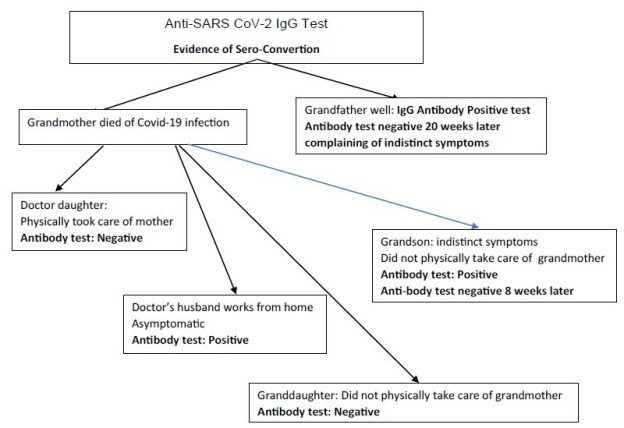
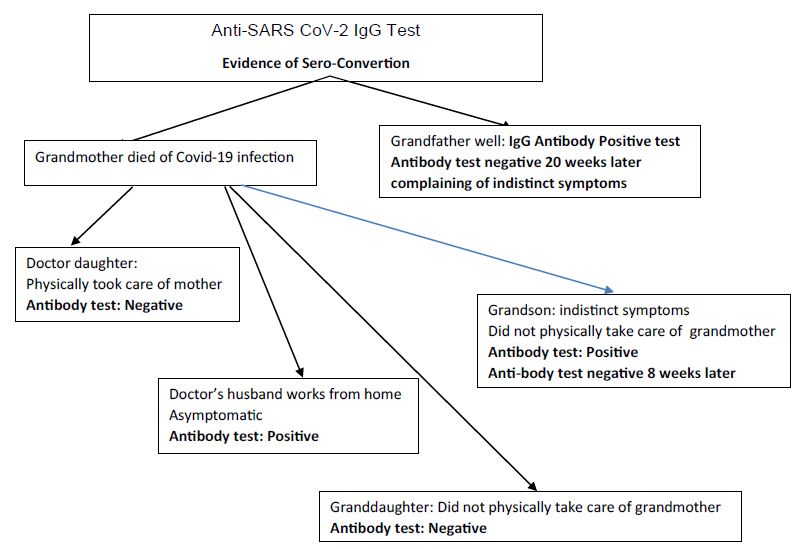
Letter to the Editor – Open Bite Malocclusion: Analysis of the Underlying Components

DOI: 10.31038/JDMR.2020333


Anterior open bite (AOB) can be considered one of the most challenging malocclusions to treat. Its complexity arises from the multi-factorial etiology, the involvement of various components and the uncertain stability.

There is abundance of literature on the AOB classifications, the different etiologies and the possible treatment options. However, most of the articles focus on treatment of AOB malocclusions, neglecting the deeper search into the components involved into that malocclusion which is essential for proper treatment planning.

AOB can be attributed to skeletal or dental underlying causes/components, yet it may result from a combination of both. Analysis of these components would allow the orthodontist to depict the underlying causative factor of the presenting AOB malocclusion and customize a proper treatment plan. This is expected to result in a successful outcome, better stability, improved esthetics and more importantly enhance patient satisfaction.

Treatment of AOB should not be viewed as simple as placing a tongue crib for growing individuals, and treating adult patients with posterior segments intrusion or orthognathic surgery. Tongue size & position, incisal show at rest and on smiling, mandibular plane steepness and lip competence should all be closely monitored before planning what should be done. There is still a need for a detailed systematic analysis of all these components and relating these findings to the possible treatment options to serve as a guide for orthodontists in dealing with such difficult cases. This is currently our area of interest and we are working as a team to establish a schematic approach, aiming to specifically recognize the exact components of AOB malocclusion and target our treatment accordingly.

fig 1

Italian and Lombardy County Art Post-Covid Pandemic Scenarios

DOI: 10.31038/EDMJ.2020451

Abstract

Purpose: Aim of the present study is to report two possible scenarios, one optimistic and one cautelative, on ART activity in Italy and Lombardy County after the COVID-19 lockdown.

Methods: Based on historical data from the ART Italian National Register in general and Lombardy County in particular, we derived two ipothesis, on how the lockdown in Italy after Covid-19 epidemic, could affect the reduction in ART activity. The first one is considered a “cautelative” hypothesis and we modeled a substantial ART activity reduction.

Results: In both proposed scenarios there is data evidencing a reduction in the number of cycles and of babies born. In the cautelative hypothesis there is a reduction of the number of cycles by 55% and in the optimistic one by 35.5%. The total National loss in babies born will be between 6,719 and 5,913 and in Lombardy between 2,093 and 1,256 according to the 2 different scenarios.

Conclusions: The impact of Covid-19 epidemic on ART treatments will greatly reduce the number of babies born in the foreseable future. This not only to lockdown measures but also to reduced accessibility to treatments, even in a region like Lombardy carries out 30% of all the ART cycles in the country, mostly supported by public resources. Italian ART centres will face a great challenge in the management of the new policies for covid 19 containment. It will be difficult to find the right balance between maintaining enough available procedures, keeping both couples and staff safe.

Keywords

Covid-19 infection, Assisted reproductive techniques, Gamete donation, Lombardy county, ART National Register

Introduction

On January 30, 2020 the first case of Covid-19 was detected in Italy, probably from a couple of tourists arriving from China; but it was February 22, 2020 the date when the infection spread dramatically, and a lot of cases were discovered especially in Lombardy County [1-4]. A National integrated surveillance system of Covid-19 has been created, coordinated by the Istituto Superiore di Sanità, analyzing data beginning on the 27th of February, and it suddenly showed a pattern of infection breakouts in Lombardy, and then in other northern regions [5].

The government, in a first round, decided to close only some specific municipality in Lombardy County, where most of the cases were diagnosed, calling these area “the red zone”. In these territories a strict lockdown was enforced. Due to emergency regulations people could go out only for specific activities. School were closed, including universities, factories, shops, cinemas, theaters, and every activity not considered essential, like pharmacies or supermarkets, was closed. This strict lockdown procedures were implemented in Italy 4 to 6 weeks ahead of other European countries. Subsequently, from March 9th, 2020, the entire Italian territory was put under the same quarantine regimen.

Consequently, all health treatments considered not urgent were stopped, including ART procedures, in order not to overload hospitals and medical staff already engaged in the handling of covid-19 pandemic [6-13].

Many doctors working in ART units were reallocated in Covid-19 department, and spaces and facilities were quickly re adapted to create places for infected patients [14,15].

Recommendations from the major Italian Scientific Societies for Reproductive Medicine and from the Ministry of Health suggested stopping all new ART treatments and to continue only procedures for patients who had already begun ovarian stimulation. In these cases, freeze all strategy has been recommended. Only fertility preservation for cancer patients was continued [16-19].

In Italy since 2005 a National Register collecting information on Assisted Reproductive Technologies is in force by law since 2005. Data collection is mandatory, and all the 201 Centres, performing ART procedures, plus 160 performing only IUI (Intra Uterine Insemination), send data to the Register. A retrospective Data collection is made every year on a web site, www.iss.it/rpma with a dedicated access for each Centre and for each Region.

Comparing temporal trends of data collected from 2010 till 2018 from the Italian ART National Register [20,21], we have tried to make a reliable estimation of the impact of Covid-19 pandemic on ART procedures in Italy for the 2020 data set. All Italian ART Centers must report their activity to the Register and 100% comply with this requirement. Data were considered for all the Italian Centers and for Lombardy County, which represent around 30% of the country ART activity.

Materials and Methods

We analyzed the temporal trend of all the data collected on ART cycles, from the Italian ART National Register from year 2010 till 2018, to compare them with estimated projections on the percentages of ART activity reduction that will occur during 2020, according to 2 different scenarios: a cautelative hypothesis (a) and an optimistic one (b). First, we analyzed the all National data, then specifically for the Lombardy County. Donation cycles were excluded and in line with the 2019 total number of ART procedures, our prediction models were taking in consideration already a reduced number of fresh cycles and a higher number of frozen ones. We considered various scenarios and after observing the ongoing situations in public and private centers and different opening policy in different regions of the country, we formulated what could be the most suitable hypothesis. Assuming that the activity for the first two months of 2020, January and February has remained quite stable, then, for March that the activities were reduced by the 40% than the 2019 number, due to a progressive amount of interrupted procedures, and that in April and May all the activity has been suspended with a residual 10% of procedures performed due to different closing policy, then from June on, we hypotise an activity resumption with different reductions scenarios. We have speculated for the residual seven months, (June/December 2020) that in a 2020 precautionary scenario (a), there will be a 40% recovery in activity compared to 2019, while in a 2020 optimistic scenario (b), we consider a 70% recovery in activity. Considering the different steps of ART treatments, from the number of started cycles to the oocyte retrieval, fresh and frozen embryo transfer, pregnancies, deliveries obtained, and babies born, we calculated the delta value of the variables examined according to the two-different hypothesis for the different techniques categories, fresh cycles and frozen cycles.

Some measures such as comulative pregnancy rate and pregnancy lost to follow up rate were tested with a z-test to find difference. A p-value of 0.05 was considered significant. The statistical analysis was performed with IBM SPSS Statistics 26.

Results

We considered first the National data and then the Lombardy County performance. The Lombardy region, due probably to higher reimbursement than other regions of the country has an over 99% of the cycles covered by public resources, most of the larger volume centers concentrated in this area and in the 2018, even with all the bias of aggregated data analysis, a significantly higher (p<0.01) cumulative pregnancy rate per retrieval (34.1% with IC95% 33.4-35.0) than the overall rest of the country (31.3% IC95% 30.9-31.7) with a significantly lower (p<0.01) lost to follow up rate (3.4% IC95% 2.9-4.0) versus a general higher national percentage (9.1% IC95% 8.6-9.5). Public reimbursement is important in our country since few or no insurances cover ART procedures [22].

Therefore, many infertile couples in Italy, (27% of all the cycles are applied on couples coming from another County report ISS) move from their County to another one, to achieve reimbursed ART treatments [23].

Comparing the 2019 data set with the two scenarios, the conservative with a 40% recovery in activity, and the optimistic with 70% recovery, we have calculated the delta value for each step of the treatments: number of cycles, retrievals, and transfer for fresh plus frozen cycles, and for each technique alone, we have considered the number of pregnancies obtained and the number of babies born [24].

We estimated that the total number of ART cycles, fresh plus frozen in 2019 will be 71,991 (the final data is not available yet), and that in 2020 we will have 32,396 cycles for the worst hypothesis and 44,994 for a more favorable scenario, with a delta value respectively of 39,595 and 26,997, considering all Italian cycles (Table 1).

Table 1: Number of procedures performed in Italy in the period 2018-2019 and according to a cautelative (- 55%) and optimistic (- 37.5%) and optimistic hypothesis calculation the possible loss in the 2 described scenarios.

Italy 2018-2019 2020 Cautelative

hypothesis

2020 Optimistic hypothesis Delta Cautelative hypothesis loss Delta Optimistic hypothesis loss
Fresh + Frozen Cycles 71.991 32.396 44.994 39.595 26.997
Fresh + Frozen Transfers 50.636 22.786 31.648 27.850 18.989
Fresh Cycles 51.086 22.989 31.929 28.097 19.157
Oocytes Retrievals 46.387 20.874 28.992 25.513 17.395
Fresh Transfers 30.584 13.763 19.115 16.821 11.469
Frozen Transfers 20.052 9.023 12.533 11.029 7.520
Pregnancies (fresh + frozen) 14.525 6.536 9.078 7.989 5.447
Babies Born 10.751 4.838 6.719 5.913 4.032

Considering the transfers, we estimated 50,636 for 2019 and 22,786 for scenario a, and 31,648 for scenario b, with delta values of 27,850 and 18,989 for the two models, respectively. For fresh cycles the estimated 2019 number was 51,086, while 22,989 in the 2020 first scenario, and 31,929 in the second one, delta values of 28,097 and 19,157, respectively. Transfers in 2019 fresh cycles were 30,584, compared with 13,763 for 2020 (hypothesis a) and 19,115 for 2020 (hypothesis b). Delta values will be 16,821 and 11,469, respectively. Oocyte retrievals will be 46,387 in 2019 versus 20,874 and 28,992 for the cautelative and the optimistic model of 2020 with a delta value of 25,513 and 17,395, respectively. The number of frozen transfers was 20,052 in 2019 compared with 9,023 for 2020 hypothesis and 12,533 for hypothesis b, delta values of 11,029 and 7,520 respectively.

The activity performed in 2020 will be then reduced by 45%, compared to the one of the previous year, with a loss of 55% of total activity in the cautelative hypothesis, and of the 62.5% of 2019 total with a loss of 37.5% in the optimistic scenario (Table 1).

Concerning pregnancies, we had 14,525 pregnancies in 2019 with a reduction to 6,536 in the precautionary scenario and 9,078 in the optimistic for the year 2020. Delta values will be 7,989 and 5,447 respectively. The number of babies born for year 2019 is expected to be (most of pregnancies still ongoing) 10,751 with a prevision for the 2020 hypothesis of only 4,838 newborns and of 6,719 for the 2020 hypothesis b; relative delta values will be 5.913 and 4.032 (Figure 1).

fig 1

Figure 1: In Italy Post Covid 2020 cautelative and optimistic hypothesis loss in pregnancies and babies born.

Analyzing in more details the number of babies born we observed a mean reduction of newborns of 896 per month, specifically we will have 1,792 newborns in January/February, only 358 in March, 179 for April/May, and 4,390 from June to December 2020 for the optimistic scenario.

Lombardy county data 2019, always estimating 2018 comparable data, had 21,367 fresh + frozen cycles, 13,658 retrievals, 16,169 fresh + frozen transfers (9,770 fresh and 6,399 frozen). The general yearly loss will be of 11,752 cycles in the cautelative hypothesis and of 8,013 in the opstimistic option (Table 2).

Table 2: Number of procedures performed in Lombardy in the period 2018-2019 and according to a cautelative (-55%) and optimistic (- 37.5%) hypothesis calculation the possible lost in the 2 described scenarios.

Lombardy 2018-2019 2020 Cautelative Hypotesys 2020 Optimistic Hypotesys Delta Cautelative Hypotesys loss Delta Optimistic Hypotesys loss
Fresh + Frozen Cycles 21.367 9.615 13.354 11.752 8.013
Fresh + Frozen Transfers 16.169 7.276 10.106 8.893 6.063
Fresh Cycles 14.968 6.736 9.355 8.232 5.613
Oocytes Retrevals 13.658 6.146 8.536 7.512 5.122
Fresh Transfers 9.770 4.397 6.106 5.374 3.664
Frozen Transfers 6.399 2.880 3.999 3.519 2.400
Pregnancies (fresh + frozen) 4.665 2.099 2.916 2.566 1.749
Babies Born 3.348 1.507 2.093 1.841 1.256

Considering the 2019 estimates of 4,665 pregnancies and 3,348 babies born, the two 2020 models will project 2,099 pregnancies and 1,507 born babies according to the cautelative hypothesis and 2,916 pregnancies and 2,093 born babies according to the 2020 optimistic prevision. In 2020 there will be a loss of 2,566 pregnancies and 1,841 born babies in the cautelative and 1,749 and 1,256 in the optimistic prevision (Figure 2).

fig 2

Figure 2: In Lombardy Post Covid 2020 cautelative and optimistic hypothesis loss in pregnancies and babies born.

Discussion

In the so-called phase 2 of the epidemic in Italy, that has started May 4th, in which ART centres could restart their activity, couples will have fewer financial resources to support the birth of a child and less resources to access ART costs on a private scheme. Even if most scientific authorities support a more widly coverage of ART treatment [22,25] this is still poorly undertood in most regions of our country. So we are offering less ART cycles to our infertile population in comparison with some northen European Countries The public and contracted facilities will have to reconvert spaces and staff now dedicated to other activities and will experience a difficult phase and a longer period for restarting even with a reduced number of cycles [16,17]. Private facilities will be more likely to resume faster, but the number of couples with available resources to afford ‘out of pocket’ cost will be less than previously, even if gonadotrophins are financially supported by a National regulation until 45 years of age and for an FSH level < to 30 UI/ml. In 2019 > 99% of treatments in Lombardy compared to a National average of about 69% (2018 data) were paid for by the Regional and/or National Health System. Couples moving from the Regions of the country to access to ART cycles has been always high in Italy reaching rates over 50% of performed cycles in some counties, in Lombardy it was the 33.1% only in 2018. This rate is significantly lower than the rate of out of county patients treated for other pathologies. Everyone will experience the transformation of work for the protection measures of couples and staff [26,27].

Many things are still unknown and studies on the effects of COVID 19 on reproductive cells are ongoing, even if reasssuring data on pregnancy outcome have been published [13,18,28-30].

Recent real world data from the Humanitas Fertility until October 31th show a 31% of total number of 2020 performed procedures with a possibile reduction due to the probable new lockdown at least in some Italian Regions as Lombardy to over 50% of the 2019 perfomed procedures.

Conclusions

Whatever scenario will really appear at the end of year 2020 [14], regarding the reduction on ART activity, the impact of Covid-19 pandemic will be really strong for all the Italian ART Centers, not only because of the reduction of cycles performed and subsequently babies born, but because of the diminished availability of procedures [31], even in a Region like Lombardy that carries out 30% of all the ART cycles in the Country, mostly supported by public resources. Being compliant with new rules to protect couples and staff from the risk of infection, will determine a shortage in the number of patients treated. Only a strong willingness and a great organizing capacity of the ART Centers could partially overcome the burden of the impact of Covid-19 epidemic that will continue in the next months. In this emergency situation, in a Country with the lowest natality rate in Europe, where the Assisted reproductive techniques contribute for the 3% of the babies born annually, and plays an important role answering to the need of infertile couples, Government and Regional local authorities should encourage and support ART activity and promote access for infertile couples with dedicated actions [32,33].

Ultimately, given the ethical concerns raised by public health recommendations regarding pregnancy avoidance, strong justification for any such advice is needed and the criteria to be fulfilled during certain public health emergencies (e.g., a radiation emergency with continuing exposure), we don’t believe that the risks associated with Covid-19 meet the bar [1].

Data Availability

The datasets generated for this study are available on request to the corresponding author.

Conflict of Interest

Conflict of Interest Statement: The authors declare that the research was conducted in the absence of any commercial or financial relationships that could be construed as a potential conflict of interest.

Author Contributions Statement

PELS wrote the research project, analyzed data and prepared the final draft, RDL analyzed data, GS and MB and RDL contributed to the data, the manuscript and references preparation.

We would like to thank Pasquale Patrizio, Yale Fertility Center, for his support in manuscript revision.

Acknowledgments

The authors thank all the Italian and Lombardy County Centers contributing with their aggregated data to this work.

References

  1. Grasselli G, Pesenti A, Cecconi M. et al. (2020) Critical Care Utilization for the COVID-19 Outbreak in Lombardy, Italy: Early Experience and Forecast during an Emergency Response. JAMA. [crossref]
  2. Wang R, Pan M, Zhang X, Fan X, Han M, Zhao F, et al. (2020) Epidemiological and clinical features of 125 Hospitalized Patients with COVID-19 in Fuyang, Anhui, China. Int J Infect Dis. [crossref]
  3. Wakam GK, Montgomery JR, Biesterveld BE, Brown CS, et al. (2020) Not Dying Alone – Modern Compassionate Care in the Covid-19 Pandemic. N Engl J Med. [crossref]
  4. Nicastri E, Petrosillo N, Bartoli TA, Lepore L, Mondi A, Palmieri F, et al. (2020) National Institute for the Infectious Diseases “L. Spallanzani”, IRCCS. Recommendations for COVID-19 clinical management. Infect Dis Rep 12(1): 8543. [crossref]
  5. Guerci C, Maffioli A, Bondurri AA, Ferrario L, Lazzarin F, Danelli P, et al. (2020) COVID-19: How can a department of general surgery survive in a pandemic? Surgery 167(6): 909-11. [crossref]
  6. American Society for Reproductive Medicine (ASRM). Patient management and clinical recommendations during the Coronavirus (COVID-19) pandemic. Update 3. April 24, 2020.
  7. Gruppo di Interesse Speciale sulla Sterilità (GISS) della Società Italiana di Ginecologia ed Ostetricia (SIGO). Raccomandazioni sulla gestione contestuale dell’accesso e della circolazione dei pazienti presso le strutture dedicate alle procedure di P.M.A. April 4, 2020.
  8. Vaiarelli A, Bulletti C, Cimadomo D, Borini A, Alviggi C, Ajossa S, et al. (2020) COVID-19 and ART: the view of the Italian Society of Fertility and Sterility and Reproductive Medicine. Reprod Biomed Online 40(6): 755-9. [crossref]
  9. Centro Nazionale Trapianti (CNT) – Registro Nazionale Procreazione Medicalmente Assistita (PMA) Istituto Superiore di Sanità (ISS). misure di prevenzione della trasmissione dell’infezione da nuovo Coronavirus (SARS-CoV-2) in Italia per le cellule riproduttive e i trattamenti di PMA (procreazione medicalmente assistita). www.trapianti.salute.gov.itAggiornamento del 29/4/2020 e 5/5/2020.
  10. De Santis L, Anastasi A, Cimadomo D, Klinger FG, Licata E, Pisaturo V, et al. (2020) COVID-19: the perspective of Italian embryologists managing the IVF laboratory in pandemic emergency. Hum Reprod. [crossref]
  11. Rodriguez-Wallberg KA, Wikander I. (2020) A global recommendation for restrictive provision of fertility treatments during the COVID-19 pandemic. Acta Obstet Gynecol Scand 99(5): 569-70. [crossref]
  12. Rome BN, Avorn J. Drug (2020) Evaluation during the Covid-19 Pandemic. N Engl J Med. [crossref]
  13. Di Mascio D, Khalil A, Saccone G, Rizzo G, Buca D, Liberati M, et al. (2020) Outcome of Coronavirus spectrum infections (SARS, MERS, COVID 1 -19) during pregnancy: a systematic review and meta-analysis. Am J Obstet Gynecol MFM
  14. Remuzzi A, Remuzzi G. (2020) COVID-19 and Italy: what next? Lancet 395(10231): 1225-8.
  15. Ferrario L, Maffioli A, Bondurri AA, Guerci C, Lazzarin F, Danelli, et al. (2020) P. COVID-19 and surgical training in Italy: Residents and young consultants’ perspectives from the battlefield. Am J Surg. [crossref]
  16. La Marca A, Niederberger C, Pellicer A, Nelson SM. et al. (2020) COVID-19: lessons from the Italian reproductive medical experience. Fertil Steril. [crossref]
  17. Alviggi C, Esteves SC, Orvieto R, Conforti A, La Marca A, Fischer R, et al. (2020) COVID-19 and assisted reproductive technology services: repercussions for patients and proposal for individualized clinical management. Reprod Biol Endocrinol 18(1): 45. [crossref]
  18. Liang H, Acharya G. (2020) Novel corona virus disease (COVID-19) in pregnancy: What clinical recommendations to follow? Acta Obstet Gynecol Scand 99(4): 439-42. [crossref]
  19. Sirohi B, Rohatgi TB, Lambertini M. et al. (2020) Oncofertility and COVID-19-cancer does not wait. Ecancermedicalscience 14: ed101. [crossref]
  20. Scaravelli G DLR, Vigiliano V, Bolli S, Spoletini R, Fiaccavento S, Bertini A, Speziale L, et al. (2019) ATTIVITÀ DEL REGISTRO NAZIONALE ITALIANO DELLA PROCREAZIONE MEDICALMENTE. DATI 2017. Istituto Superiore di Sanità, Centro Nazionale di Epidemiologia, Sorveglianza e Promozione della Salute, Centro operativo adempimenti Legge 40/2004, Registro Nazionale della Procreazione Medicalmente Assistita. salute.gov.it2019.
  21. Scaravelli G, Levi-Setti PE, Livi C, La Sala G, Ubaldi FM, Greco E, et al. (2019) Contribution of cryopreservation to the cumulative live birth rate: a large multicentric cycle-based data analysis from the Italian National Registry. J Assist Reprod Genet 36(11): 2287-95. [crossref]
  22. Chambers GM, Hoang VP, Sullivan EA, Chapman MG, Ishihara O, Zegers-Hochschild F, et al. (2014) The impact of consumer affordability on access to assisted reproductive technologies and embryo transfer practices: an international analysis. Fertil Steril 101(1): 191-8.e4. [crossref]
  23. Scaravelli G, Vigiliano V, Bolli S, Spoletini R, Fiaccavento S, Bertini A, et al. (2018. 2020) ATTIVITÀ DEL REGISTRO NAZIONALE ITALIANO DELLA PROCREAZIONE MEDICALMENTE. DATI in press.
  24. Requena A, Cruz M, Vergara V, Prados N, Galliano D, Pellicer A, et al. (2020) A picture of the covid-19 impact on IVIRMA fertility treatment clinics in Spain and Italy. Reprod Biomed Online 41(1): 1-5. [crossref]
  25. Vélez MP, Connolly MP, Kadoch IJ, Phillips S, Bissonnette F, et al. (2014) Universal coverage of IVF pays off. Hum Reprod 29(6): 1313-9. [crossref]
  26. Colenda CC, Applegate WB, Reifler BV, Blazer DG, et al. (2020) COVID-19: Financial Stress Test for Academic Medical Centers. Acad Med. [crossref]
  27. El Kassas M, Al Shafie A, Abdel Hameed AS, Mahdi M, et al. (2020) Emergency endoscopic variceal band ligation in a COVID-19 patient presented with hematemesis while on mechanical ventilation. Dig Endosc. [crossref]
  28. Paoli D, Pallotti F, Turriziani O, Mazzuti L, Antonelli G, Lenzi A, et al. (2020) SARS-CoV-2 presence in seminal fluid: Myth or reality. Andrology. [crossref]
  29. Younis JS, Abassi Z, Skorecki K, et al. (2020) Is there an impact of the COVID-19 pandemic on male fertility? The ACE2 connection. Am J Physiol Endocrinol Metab 318(6): E878-E80. [crossref]
  30. Segars J, Katler Q, McQueen DB, Kotlyar A, Glenn T, Knight Z, et al. (2020) Prior and novel coronaviruses, Coronavirus Disease 2019 (COVID-19), and human reproduction: what is known? Fertil Steril 113(6): 1140-9. [crossref]
  31. De Geyter C, Calhaz-Jorge C, Kupka MS, Wyns C, Mocanu E, Motrenko T, et al. (2020) ART in Europe, 2015: results generated from European registries by ESHRE. Hum Reprod Open. (1): hoz038. [crossref]
  32. Chambers GM, Sullivan EA, Ishihara O, Chapman MG, Adamson GD, et al. (2009) The economic impact of assisted reproductive technology: a review of selected developed countries. Fertil Steril 91(6): 2281-94. [crossref]
  33. Rasmussen SA, Lyerly AD, Jamieson DJ, et al. (2020) Delaying Pregnancy during a Public Health Crisis – Examining Public Health Recommendations for Covid-19 and Beyond. N Engl J Med. Epub 2020/09/30. doi: 10.1056/NEJMp2027940. PubMed PMID: 32997931. [crossref]