Author Archives: rajani

Farmers Market Fruit & Vegetable Rx Program Shows Clinically Significant Quality of Life Outcomes Using Standardized SF-36 Health Survey

DOI: 10.31038/PEP.2020121

Abstract

Introduction: Fruit and vegetable prescription programs at farmers markets have shown some statistically significant changes in health markers. To date, little is known about whether these programs also improve Quality of Life (QoL). The current study examined if QoL improvements occurred after participation in a fruit and vegetable prescription program.

Methods: Our team of volunteer clinicians enrolled a cohort of 101 low-income adult participants over three years. Participants self-identified as food insecure and had previously been diagnosed with a diet-related disease. Each received a “prescription” to purchase fruits and vegetables from the local farmers market. Participants attended monthly clinic visits and attended plant-based cooking classes. Demographic, baseline and post-program outcome data (SF-36; Medical Outcomes Survey Short Form) were collected.

Results: All SF-36 subscales and composite scales showed statistical significance indicating subjectively improved quality of life/health among program graduates. SF-36 Role-Physical, Bodily Pain, Energy-Vitality and Role-Emotional subscales also demonstrated Reliable Changes (RCIs) indicating clinically significant outcomes across these domains of function. Individually, 32% and 27% of graduates exceeded the RCI for the Physical Composite Scale and Mental Composite Scales, respectfully.

Conclusion: This is the first study to apply the SF-36 RCI measure to assess generic quality of life outcomes of a fruit and vegetable prescription program based at a farmers market. It uniquely adds to the growing evidence supporting the benefits of improved access to healthy food through collaborative community interventions. Study participants reported both statistically significant and clinically meaningful improvements in functional health and QoL.

Keywords

Vegetable prescription, Clinical significance, Quality of life, Dietary behavior, Farmers market, Reliable change index

Introduction

Fruit and vegetable prescription programs such as the FVRx® have emerged as health interventions at farmers markets throughout the United States [1]. Such programs are premised on research showing a favorable link between increased fruit and vegetable consumption and markers of health [2-4]. Fruit and vegetable prescription programs also rely on emerging community food system studies examining public health collaborations designed to improve fresh produce accessibility and consumption [5,6].

The produce prescription model has been studied as a medical intervention for diet-related chronic diseases [7], as a measure of the psychosocial benefits of farmers markets [8,9], a catalyst for nutrition education [10], a vehicle for healthy food access in low-income/low-access neighborhoods [11,12] and a learning milieu for healthcare professionals [13]. Researchers have collected quantitative biological data as well as qualitative self-reported data [14,15]. Studies have also reported outcomes of improved health perception among participants [16].

Previously reported data from year-end program evaluations of the five FVRx programs in Georgia (of which our cohort was a part) conducted by Wholesome Wave Georgia showed both socioeconomic and health benefits. In 2017, this statewide data showed that, from baseline to the end of the six-month program, the percentage of program participants reporting that “food often didn’t last” and there “wasn’t money to buy more food” decreased by 79% (22% to 4%) across all sites. Further, the overall percentage of program participants reporting that they had often gone hungry “due to lack of money for food” decreased by 89% (44% to 11%) over the course of the program [17]. The 2018 program evaluation of this statewide data found that over the relatively short six-month program timeframe, Body Mass Index decreased 1.4% and waist circumference decreased 3.3% [18].

As fruit and vegetable prescription programs grow in number and design, studies must also seek to discover the clinical significance [19] resulting from community food-healthcare partnerships. In other words, do participants self-report evidence of improved quality of life upon completing these community-based programs?

This three-year study examined whether low-income/low- access adult graduates of an FVRx program experienced favorable improvement in their subjective Quality Of Life (QoL) and function. To our knowledge, this is the first study to assess subjective change in QoL and function in fruit and vegetable prescription programs based at a farmers market using the Medical Outcomes Survey – Short Form 36 (SF-36), a standard in generic quality of life outcome metrics.

Methods & Materials

Participants

On average, 34 adults enrolled in the program annually, for three years in sum total, at no personal cost. The majority of participants came from areas with low access to healthy food options, self- identified as food-insecure and had been previously diagnosed with a diet-related disease such as obesity, hypertension, diabetes, and/or heart disease.

FVRx Program Description

The program targeted change in dietary behavior among participants and included three required components: (a) monthly clinic visits, (b) weekly farmers market attendance, (c) and plant-based cooking classes. The program was a six-month per year intervention conducted over three years (2017-2019).

Outcome Measurement

We selected the SF-36 as the outcome measure. The SF-36 is widely considered a gold standard in generic quality of life metrics, quantifying disease burden, and measuring patients self-report of functional health. It has been utilized in 4000+ peer reviewed scientific publications – of which more than 400 were randomized controlled clinical trials – and judged to be a useful tool in evaluating benefits of treatment interventions [20]. It is suitable for age ≥ 14 and requires 5-10 minutes to complete. The data is summarized in two higher order factors, termed Physical Health and Mental Health Composites which are equated to patients’ attitudes regarding overall physical and mental health status. Eight subscales are generated, reflecting physical functioning, role-physical, bodily pain, general health, vitality, social functioning, role-emotional, and mental health. Each subscale attempts to quantify a patient’s attitude in specific physical or health domains. For example; the Role-physical scale measures how much a patient believes that their daily activity is limited by physical dysfunction whereas the energy-vitality scale ranges from feeling “tired and worn out” to “full of energy and pep”.

Procedures

Prior to enrollment, we outlined the program’s attendance expectations and incentive component before participants signed informed consent forms. Volunteer healthcare providers (i.e., physicians, nurses, registered dietitians), accompanied by first-year medical students, collected baseline program-related information to include demographics, SF-36 surveys, and other data not reported herein during the initial visit. Self-reporting surveys were issued with literacy support when needed. Clinicians provided healthy eating and lifestyle education and then wrote a “prescription” for each participant to redeem for only fruits and vegetables at the farmers market. The prescription had a no-cash value of $7/person/week for four weeks each month, based on family size. For example, an adult participant with a family of four received redeemable market tokens equivalent to
$28/week ($112/month).

Participants returned to the clinic monthly where volunteer clinicians offered encouragement, provided general health and nutrition education, and renewed prescriptions. Participants attended a weekly farmers market to redeem their prescriptions for fruits and vegetables, sold by local farmers, and attended a minimum of four required plant-based cooking classes at no cost. Health educators at the farmers market provided nutrition information and cooking demos for the general public, of which participants were a part. Farmers also provided recipes and preparation tips to help demystify lesser-known seasonal fruits and vegetables.

When absent from the program, participants reported schedule conflicts, illness and lack of transportation as the most common reasons for not attending. If absent from the farmers market three weeks in a row, and/or if non-compliant with clinic or cooking class attendance, participants were listed as non-completers and unenrolled. An average 26% of participants were recorded as non-completers. Participants who completed the above-mentioned requirements and the post-SF-36 on (or within one month of) the sixth clinic visit were considered program “graduates”/completers.

Statistical Analysis

Descriptive statistics of demographic and SF-36 outcome data at baseline and at six-month follow-up were calculated. Per Protocol (PP) and Intent to Treat (ITT) analyses using SPSS 26.0 statistical package were employed to investigate change in SF-36 scores occurred after participation in the FVRx six-month program. Within subject paired sample t-tests were used to examine if statistical differences existed in each of the eight subscales or either of the two composite scales on the SF-36 after six months of FVRx program participation relative to baseline. Given the exploratory nature of this study, a conventional p-value of ≤0.05 was selected to denote statistical significance. Adjunctively, RCI also were calculated for each participant’s SF-36 subscales and composite summary scales to appreciate where clinically significant change may have also occurred. RCI calculations have been validated using normative data for general populations and several disease states [21].

Results

Of the 101 participants enrolled, 75 completed the program and had a full data set. There were no significant differences between completers and non-completers in any measured demographic, health, or socioeconomic variable. Our average participant was a female (82%) African American (76%) who earned less than $2000/month (74%) and lived in a low access area. A majority were uninsured or covered by a federal insurance program (68%) and received supplemental benefits (64%) (Table 1).

Table 1: Demographics.

Demographics

% of Sample

Age 18-29

7.90%

30-39

11.9%

40-49

19.8%

50-59

34.70%

60+

25.7%

Sex Male Female

17.80%

82.2%

Race Hispanic,

6.9%

Asian, Asian American

1%

American Indian, Alaskan Native

3%

Black, AA, or Carib. American

76.20%

Hawaiian, Pacific Islander

13.90%

Other

5.90%

Educational background

10.90%

< High school diploma

19.80%

High school or GED certificate

36.60%

Some college or tech school

15.80%

2 year college or tech degree

12.90%

4 year college or tech degree

4%

>4 college degree

Employment status

Student

2%

Working part-time

10.90%

Working full-time

25.70%

Not employed, or homemaker

15.80%

On disability

27.70%

Retired

12.90%

“Other”

5%

Health Insurance

Uninsured

23.80%

Medicated or Medicare

44.60%

Insured through employer

21.80%

Insured, private insurance

4%

Other

5%

Income level

<$1000/month

38.60%

$1001 – $1300/month

19.80%

$1301 – $1700/month

4%

$1701 – $2000/month

11.90%

$2001 – $2400/month

6.90%

$2401 – $2700/month

5.90%

$2701 – $3000/month

5%

$3001 – $3400/month

5%

> $3401

3%

Supplemental benefits

No

35.60%

Received

64.40%

Average (SD) # of people aged 0-17 Living in home: 1.5 (1.6), ranging from 0 to 9.

Note 1: Final sample size was N = 101, reflecting 35 participants from year 2017, 39 from year 2018, and 27 from year 2019.

All eight of the SF36 individual subscales and both of the composite scales showed statistical significance in a favorable direction implicating improved self-reported quality of life/health direction after program participation. This was true in both the PP (all P-values ≤0.002) and ITT (all p-values ≤0.028) analyses (Table 2 and Figure 1).

Table 2: Descriptive Statistics and Over-Time Comparisons for SF-36.

Baseline

Follow-up

Paired Sample

Paired Sample

RCI

t-test

t-test

N = 101

N = 75

with case-wise

with missing

SF-36 Variable

AVG (SD)/Min-Max

AVG (SD)/Min-Max

deletiona

values replacedb

+

Physical Functioning

60.8 (28.5)/0-100

66.1 (26.1)/10-100

-3.16 (p = .002)

-2.23 (p = .028)

Role-Physical

47.5 (43.1)/0-100

66.7 (39.1)/0-100

-3.99 (p < .001)

-4.96 (p < .001)

Yes

Bodily Pain

47.6 (25.8)/0-100

57.6 (25.0)/0-100

-3.68 (p < .001)

-4.44 (p < .001)

Yes

General Health

51.8 (20.1)/5-100

61.5 (19.0)/20-97

-5.36 (p < .001)

-6.00 (p < .001)

Energy-Vitality

45.6 (20.6)/0-90

57.1 (19.7)/10-100

-5.29 (p < .001)

-6.01 (p < .001)

Yes

Social Functioning

64.5 (25.2)/0-100

77.2 (22.3)/13-100

-5.10 (p < .001)

-5.28 (p < .001)

Role-Emotional

58.8 (42.2)/0-100

80.4 (36.0)/0-100

-4.10 (p < .001)

-5.40 (p < .001)

Yes

Mental Health

71.6 (18.3)/28-100

77.1 (14.7)/40-100

-3.41 (p = .001)

-3.53 (p = .001)

PCS Composite

37.4 (11.7)/13-65

41.1 (10.8)/12-66

-4.78 (p < .001)

-4.28 (p < .001)

MCS Composite

47.3 (10.5)/28-68

52.5 (9.4)/25-68

-4.98 (p < .001)

-5.58 (p < .001)

aPer protocol analysis, in that IF data was missing at time 2, THEN entire case was deleted. Total of 26 cases had missing data at time 2 resulting in a final sample of N = 75.
bIntention to treat analysis, in that all 101 participants data was included with missing data at time 2 imputed by using the average of the group. N = 101.
Note 2: N = total sample size. AVG = computed average. SD = Standard Deviation. Min = Minimum Value. Max = Maximum Value. RCI + = Reliable Change Index (Jacobson &Truax, 1991) was exceeded, indicating that as a group a reliable change in overall obtained scores at follow-up relative to baseline had occurred.

PEP-1-2-107-g001

Figure 1. SF-36 Overtime Comparison.

As a cohort, the Role-Physical, Bodily Pain, Energy-Vitality and Role-Emotional scales all exceeded established SF-36 RCI for clinically meaningful change. Individually, 32% and 27% of graduates were judged to have demonstrated reliable change on the SF-36 Physical Composite Scale (PCS) and Mental Composite Scale (MCS), respectively (Figure 2).

PEP-1-2-107-g002

Figure 2. SF-36 Reliable Change.

Discussion

Fruit and vegetable prescription programs rely on emerging studies of community food systems. Farmers markets may provide uniquely collaborative spaces in which community health improvements can occur. Fruit and vegetable prescription programs at farmers markets are also premised on research showing a favorable link between increased fresh produce consumption and markers of health. However, little research has been published to date that has investigated the impact of participation in such programs on self- reported quality of life and function.

The present study highlights several important findings. First, the majority (75%) of participants were able to complete a six-month FVRx program requiring monthly clinic in-person check-ins and attendance in several cooking classes. The relatively low attrition rate supports the contention that this kind of programming is both viable and well regarded by study participants who have low access to healthy food options, are food insecure, and are challenged by medical morbidities including obesity, hypertension, diabetes, and/or heart disease. Second, these results highlight that after completion of the program, study participants self-reported experiencing improved physical functioning, bodily pain, general health, level of energy/pep, social functioning, and mental health while also experiencing less impact on their ability to perform expected roles because of emotions or physical challenges (all results were statistically significant). Third, over and above the aforementioned statistically significant differences, appreciation of RCIs also would highlight that clinically meaningful change in a favorable direction occurred in the areas of bodily pain experienced, level of energy/pep, and ability to perform expected roles.

Several study limitations are evident. First, as a cohort study, this endeavor was limited by lack of a control or comparison group as well as some variations in the year-to-year program requirements and implementation. We also recognize that while the socioeconomic mix of program cohorts, educators and farmers is not specifically addressed in this study, it likely represents a significant influence on its outcomes and would be a valuable area for future study. Future studies should also include a control or comparison group and be powered/ designed to estimate quality adjusted life years and cost effectiveness.

In summation, our study adds to the growing body of literature supporting fruit and vegetable prescription programs and expands knowledge of the benefits of increasing access to healthy food and wellness education within the milieu of farmers markets. The convergence of partners involved in providing these community- based collaborative health programs represents a behavioral health treatment approach with a wide variety of players and motivations. We believe increasing access to these types of programs should be a national priority.

Acknowledgements

Dozens of community members gave voluntary time as program participants; we appreciate their commitments. We also thank Augusta Locally Grown for program coordination; Wholesome Wave Georgia for program funding & design; Augusta District Dietetic Association for volunteer clinicians; Medical College of Georgia  & Augusta University for volunteer students; Harrisburg Family Healthcare for hosting; St Luke United Methodist for transportation; EAT Local CSRA & Icebox Ministries for cooking education; Women in Philanthropy, Community Foundation of the CSRA, Good Neighbor Ministries, Women’s Health of Augusta and Reid Memorial Presbyterian for education program funding. Finally, we thank all the farmers of the Veggie Park Farmers Market.

References

  1. Schwartz H (2018) Produce Rx programs for diet-based chronic disease prevention. AMA J Ethics 20: E960-973.
  2. Appel LJ, Moore TJ, Obarzanek E, Vollmer WM, Svetkey LP, et al. (1997) A clinical trial of the effects of dietary patterns on blood pressure. N Engl J Med 336: 1117-1124. [crossref]
  3. Nguyen B, Ding D, Mihrshahi S (2017) Fruit and vegetable consumption and psychological distress: cross- sectional and longitudinal analyses based on a large Australian sample. BMJ Open 7: e014201.
  4. Liu X, Yan Y, Li F, Zhang D (2016) Fruit and vegetable consumption and the risk of depression: a meta-analysis. Nutrition 32: 296-302. [crossref]
  5. Oberholtzer L, Dimitri C, Schumacher G (2012) Linking farmers, healthy foods, and underserved consumers: exploring the impact of nutrition incentive programs on farmers and farmers’ markets. J Agriculture, Food Systems, Comm Dev 2: 63-77.
  6. Farmer JR, Babb A, Minard S, Veldman M (2019) Accessing local foods: households using SNAP Double Bucks and financial incentives at a midwestern farmers market. J Agriculture, Food Systems, Comm Dev 8: 153-178.
  7. Bryce R, Guajardo C, Ilarraza D, Milgrom N, Pike D, et al. (2017) Participation in a farmers’ market fruit and vegetable prescription program at a federally qualified health center improves hemoglobin A1C in low income uncontrolled diabetics. Prev Med Rep 7: 176-179. [crossref]
  8. George D, Manglani M, Minnehan K, Chacon A, et al. (2016) Examining feasibility of mentoring families at a farmers’ market and community garden. Amer J of Health Ed 47: 94-98.
  9. Ridberg RA, Bell JF, Merritt KE, Harris DM, et al. (2019) Effect of a fruit and vegetable prescription program on children’s fruit and vegetable consumption. Prev Chronic Dis 16: 180555.
  10. Buyuktuncer Z, Kearney M, Ryan CL, Thurston M, et al. (2014) Fruit and vegetables on prescription: a brief intervention in primary care. J Hum Nutr Diet 27: 186-193.
  11. Marcinkevage J, Auvinen A, Nambuthiri S (2019) Washington State’s fruit and vegetable prescription program: improving affordability of healthy foods for low- income patients. Prev Chronic Dis 16: 180617.
  12. Saxe-Custack A, LaChance J, Hanna-Attisha M, Ceja T (2019) Fruit and vegetable prescriptions for pediatric patients living in Flint, Michigan: a cross-sectional study of food security and dietary patterns at baseline. Nutrients 11: 1423. [crossref]
  13. Forbes JM, Forbes CR, Lehman E, George DR (2019) “Prevention produce”: integrating medical student mentorship into a fruit and vegetable prescription program for at-risk patients. Perm J 23: 18-238. [crossref]
  14. Cavanagh M, Jurkowski J, Bozlak C, Hastings J, Klein A (2017) Veggie Rx: an outcome evaluation of a healthy food incentive programme. Public Health Nutr 20: 2636-2641. [crossref]
  15. Schlosser AV, Smith S, Joshi K, Thornton A, Trapl ES, et al. (2019) “You guys really care about me…”: a qualitative exploration of a produce prescription program in safety net clinics. J Gen Intern Med 34: 2567-2574. [crossref]
  16. Jennings L, Marpadga S, Bonini C, Akers M, Levi R, et al. (2019) The impact of a community fruit and vegetable voucher program (Vouchers 4 Veggies) on improvements in dietary intake and food security. Current Dev in Nutr 3: 4-13-19. [crossref]
  17. Cook M, Ward R, Mister T, Webb Girard A (2018) Evaluation of the 2017 fruit and vegetable prescription program. Prepared for Open Hand Atlanta and Wholesome Wave Georgia.
  18. Cook M, McClintic E, High L, Webb Girard A. Evaluation of the 2018 fruit and vegetable prescription program. Prepared for Open Hand Atlanta and Wholesome Wave Georgia. [Preprint]. 2019 [cited 2020, Jun 23].
  19. Jacobson NS, Truax P (1991) Clinical significance: a statistical approach to defining meaningful change in psychotherapy research. J Consult Clin Psychol 59: 12-19. [crossref]
  20. Ware JE, Sherbourne CD (1992) The MOS 36-item short-form health survey (SF-36): I. conceptual framework and item selection. Med Care 30: 473-483. [crossref]
  21. Ferguson RJ, Robinson AB, Splaine M (2002) Use of the reliable change index to evaluate clinical significance in SF-36 outcomes. Qual Life Res 11: 509-516. [crossref]

Observational Study of the Effect of the Hydroxychloroquine/Azithromycin Combination in Patients Hospitalized for a Severe Form of COVID-19

DOI: 10.31038/JPPR.2020322


What is Already Known about This Subject?

The discussion on the efficiency of the hydroxychloroquine/azithromycin combination remains open. To date, no randomized trial has demonstrated the efficiency of this combination in patients with a severe form of COVID-19.

What This Study Adds?

We report the results of a non-randomized observational study compared hydroxychloroquine/azithromycin combination to any antiviral treatment for patients with a severe form of COVID-19. We warn of the difficulty of interpreting these results in the absence of randomization.

Abstract

Following the demonstration in vitro of the efficiency of a synergistic effect of hydroxychloroquine (HCQ) associated with azithromycin (AZI) against the SARS-CoV-2, some studies have aimed to evaluate its efficiency in a clinical setting. We present the results of a non-randomized observational study of patients admitted for a severe form of COVID-19 disease who have been treated by HCQ/AZI after collegial physicians’ decision. Of the 306 patients included (average age: 72.8 years), 53 received the HCQ/AZI association. Univariate analysis shows in non-survivors a higher average age, more severe clinical signs on admission (lung invasion rate> 50%, Dyspnea and creatinine>133µmol/L) and more comorbidities (cerebrovascular accident, chronic kidney disease, immunodeficiency).We evaluated the efficiency of the HCQ/AZI treatment on a population (n=96) with comparable characteristics (age, risk factor, gravity…). If mortality of the patients treated with HCQ/AZI seems different in this sub-study population (HCQ/AZI: 0% vs. Other: 8%), the methods of the study and its size do not allow the identification of a statistically significant difference (p=0.122).

At this time of the epidemic, the HCQ/AZI must be evaluated in a randomized trial at the right and safe dosage.

Introduction

At the end of 2019, a new coronavirus, designated SARS-CoV-2, was causing an epidemic of respiratory diseases in China. The city of Wuhan (China) went into full confinement on January 23, 20201. On March 12, 2020, the World Health Organization (WHO) declared the COVID-19 pandemic. The importance of the number of symptomatic patients and the particular gravity of some of them lead the Hospitals to reorganize in emergencies on an almost daily basis both at the structural, organizational and medical level. Among the antiviral treatments likely to be effective on the symptoms of SARS-CoV-2, three molecules or associations stood out: remdesivir, the fixed combination ritonavir/lopinavir and (hydroxy)chloroquine associated or not with azithromycin [1].

In mid-March, remdesivir and the ritonavir/lopinavir combination were announced as a complete disruption by the laboratories producing them. The French Ministry of Health then supervised the off-label use of hydroxychloroquine, conditioning it to severity criteria and subject to a collegial decision by the medical profession. We present the results of a monocentric, observational, retrospective study aimed at evaluating the efficiency of the hydroxychloroquine/azithromycin combination on the COVID-19 disease.

Methods

All patients hospitalized at our center for a severe form of COVID-19 disease were included in the study.The diagnosis of COVID-19 disease combined the recording of symptoms (fever, caugh, fatigue, myalgia, headache, dyspnea, diarrhea, nausea, vomiting, anorexia, anosmia, aguesia, dizziness, fall, hypoxemia) with a SARS-CoV-2 reverse-transcriptase–polymerase-chain-reaction (RT-PCR) and/or standard low dose CT imaging.The following characteristics were sought in the study population: age, body mass index (BMI), active or history of smoking, chronic kidney/heart/respiratory disease, hypertension, diabetes mellitus, dyslipidemia, cerebrovascular accident and immunodeficiency (including cancer under treatment). The home drugs treatment of interest were sought: angiotensin-converting-enzyme (ACE) inhibitors and angiotensin-receptor blockers (ARBs) calcium-chanel inhibitor, diuretics, betablockers, corticosteroids and aspirin. We have listed antivirals under evaluation:remdesivir, hydroxychloroquine (HCQ), azithromycin (AZI), ritonavir/lopinavir.The severity of the COVID-19 stage of the patients included was assessed on the basis of at least one of the following criteria: dyspnea, O2 saturation ≤93%, radiological pulmonary infiltrates >50% at 24-48 hours of admission [2].

HCQ/AZI

The dosage of HCQ/AZI was: HCQ (D1-D10; 600mg per day in 3 doses) combined with azithromycin (D1: 500mg in 1 dose; D2-D5: 250mg per day). Only patients not on dialysis, with no contraindication to HCQ/AZI treatment (e.g. severe kidney failure, widening of the QTc wave) received treatment with HCQ/AZI after collegial physician decision. All patients on HCQ/AZI underwent an electrocardiogram before initiating treatment. Once treatment was started, an electrocardiogram was performed daily during hospitalization, as well as a determination of serum potassium, magnesemia and blood sugar. In order to reduce the biases linked to the care of patients, to the comorbidities, to the typology of the medical service (e.g. palliative care, geriatry) and to the contraindication of HCQ/AZI treatment (dialysis), we have make a sub-study. In this sub-study only patients treated in internal medicine were included and we have excluding dialysis patients.

Clinical Outcomes

Critical disease defined by death or transfer to intensive care unit (ICU) and death alone were the two main outcomes.

Statistical Analysis

Continuous data are summarized as mean (standard deviation) and categorical data as frequency (percentage). For univariate comparisons T-test and Chi-2 tests were used as appropriate to compare differences between non-critical and critical disease or survivor and non-survivor. The multivariate analysis used logistic regression ajusted on age, sex, body mass index (BMI), chronic heart disease, hypertension, diabetes mellitus, chronic kidney disease, hemodialysis, chronic lung disease (asthma or chronic obstructive lung disease), personal history of stroke, current or former tobacco use, treatment with immunosuppressive drugs (including anticancer drugs), creatine and C-reactive protein (CRP) levels, percentage of lung affected on CT-scan, low oxygen saturation, dyspnea, oxygen flow. A two-sided p value < 0.05 was considered statistically significant. Statistical analyses were performed with SPSS 26.0 package. Neither patients nor the public were involved in the conception or conduct of the study.

Results

Between March 15 and April 15, 2020, 314 patients were admitted into the different wards. Eight patients were transferred to another hospital and were considered loss of follow-up: 6 were transferred to another region to vacant intensive care beds and 2 were taken care of for extracorporeal membrane oxygenation. The median age was 75.6 ± 14.5 years. The number of days between the onset of symptoms and hospitalization was 6.6±7.8 days. Men were a little more represented (54%).

Comorbidities

Table 1 shows major comorbidities recorded on admission. The most common were chronic heart disease (71%), hypertension (58%), dyslipidemia (36%), chronic kidney disease (27%), diabetes mellitus (26%), immunodeficiency (21%) and chronic respiratory disease (19%). Eighty nine percent of the patients have comorbidity with an average number of comorbidities of 4.1±2.3. Three per cent (8/306) of patients were current smokers and 10% were former smokers.It can be noted that 26% of patients have a BMI> 30kg/m2.

Table 1: Demographic findings of patients on admission.

Demographic data

Total
(N=306)

Survivor
(N=231)

Non-survivor
(N=75)

p-value *

Age – yr

75.6 ± 14.5

72.8 ± 14.7

84.0 ± 9.9

<0.0001

Sex (male sex)

54%

55%

49%

0.394

Weight (kg)

74.8 ± 15.8

76.3 ± 15.7

70.2 ± 15.4

0.007

Body mass index (kg/m2)

26.8 ± 5.0

27.2 ± 5.0

25.6 ± 4.9

0.03

BMI<25 kg/m2 (%)

59%

61%

50%

0.11

BMI 25–29.9 kg/m2 (%)

32%

34%

28%

0.396

BMI≥30 kg/m2 (%)

26%

27%

22%

0.376

Nursing home resident (%)

13%

10%

23%

0.003

Severity and mortality

Death (%)

25%

0%

100%

ICU transfer (%)

3%

3%

3%

0.871

Critical cases (Death or transfer to ICU) (%)

27%

3%

100%

<0.0001

Time from symptom onset to admission (days)

6.6 ± 7.8

7.2 ± 7.5

4.5 ± 8.5

0.013

Length of stay in hospital (days)

11.3 ± 10.0

12.2 ± 9.4

8.5 ± 11.3

0.005

Time between admission and ICU transfer (days)

1.1 ± 1.7

1.2 ± 1.7

1.0 ± 1.9

0.802

Comorbidities (%)

Hypertension

58%

55%

67%

0.065

Diabetes mellitus

26%

27%

25%

0.797

Chronic heart disease

71%

67%

84%

0.005

Dyslipemia

36%

33%

44%

0.094

Chronic respiratory disease

19%

20%

15%

0.276

Chronic kidney disease

27%

23%

43%

0.001

Dialysis

4%

3%

7%

0.232

Immunodeficiency

21%

16%

36%

<0.0001

Cerebrovascular accident

20%

16%

32%

0.002

At least one comorbidity

89%

87%

97%

0.009

Smoking status (%)

Current smoker

3%

3%

1%

0.424

Former smoker

10%

9%

15%

0.134

Home drug treatments (%)

ACE inhibitors

20%

19%

24%

0.31

ARBs

22%

22%

21%

0.955

Calcium-chanel inhibitor

23%

22%

24%

0.729

Diuretics

27%

22%

44%

<0.0001

Betablockers

31%

27%

44%

0.007

Corticosteroids

5%

3%

11%

0.008

Aspirin

30%

25%

45%

0.001

*p-value univariate statistical test between Survivor VS Non-Survivor. – : statistical test non applicable.

Home Drug Treatments

Home drug treatments included beta-blockers (31%), aspirin (30%), diuretics (27%), calcium channel blockers (23%), ARBs (22%), ACE inhibitors (20%) and corticosteroids (5%). No patient was treated by non-steroidal anti-inflammatory drugs (Table 1).

Severity of the Clinical Case

At the admission, 43% of the patients presented a C-reactive protein >100mg/L, 43% an oxygen saturation £93%, 21% a creatinine>133µmol/L and 7% of the patient presented a proportion of lung invasion rate>50% (average percentage of invasion: 29%±18) (Table 2). Among the 306 patients eligible for analysis, 250 had a lung CT scan and 213 a RT-PCR.

Symptoms

The most common symptoms were dyspnea (67%), fever (60%), fatigue (59%), cough (51%), diarrhea (30%), myalgia (18%) and dizziness/fall (17%). Only 6% of patients reported ageusia/anosmia on admission (Table 2).

Table 2: Clinical, laboratory and radiographic findings of patients on admission.

Symptoms at onset of illness (%)

Total
(N=306)

Survivor
(N=231)

Non-survivor
(N=75)

p-value*

Fever

60%

62%

55%

0.266

Cough

51%

52%

51%

0.898

Fatigue

59%

58%

60%

0.812

Myalgia

18%

20%

11%

0.058

Headache

8%

9%

4%)

0.184

Dyspnea

67%

64%

77%

0.028

Diarrhea

30%

33%

21%

0.058

Nausea or vomiting

9%

11%

1%

0.008

Anorexia

11%

12%

11%

0.809

Anosmia or ageusia

6%

7%

1%

0.054

Dizziness. fall

17%

16%

19%

0.657

Hypoxemia (oxygen saturation < 93%)

43%

40%

55%

0.024

Inpatient drug treatments (%)

Hydroxychloroquine with azithromycin

17%

22%

4%

<0.0001

Hydroxychloroquine alone

2%

1%

3%

0.417

Azithromycin alone

4%

5%

1%

0.184

Lopinavir with Ritonavir

4%

4%

5%

0.593

Oxygen therapy

87%

86%

91%

0.269

Invasiveventilation

9%

9%

9%

0.858

Laboratory findings

PCR confirmed diagnosis (%) n=213

79%

75%

90%

0.023

C-reactive protein (mg/L)

101.2 ± 83.6

95.9 ± 83.5

118.0 ± 82.3

0.05

CRP<5 mg/L (%)

5%

6%

1%

0.108

CRP<100 mg/L (%)

57%

60%

47%

0.051

CRP 100–199 mg/L (%)

28%

25%

36%

0.075

CRP≥200 mg/L (%)

15%

14%

17%

0.64

Creatinine (µmol/L)

115.7 ± 110.4

103.6 ± 93.2

154.6 ± 147.6

0.001

Creatinine ≥ 133µmol/L (%)

21%

17%

33%

0.003

Radiologic findings (n=250)

Percentage of lung affected on the CT scan (%)

29 ± 18

28 ± 17

31 ± 22

0.253

Proportion of lung affected on the CT scan > 50%(%)

7%

5%

14%

0.028

Typical CT-scan (%)

14%

15%

7%

0.125

Bilateral pulmonary infiltration (%)

46%

48%

36%

0.120

Ground-glass opacities (%)

29%

33%

14%

0.008

Analysis of Non-survivors as Compared with Survivors

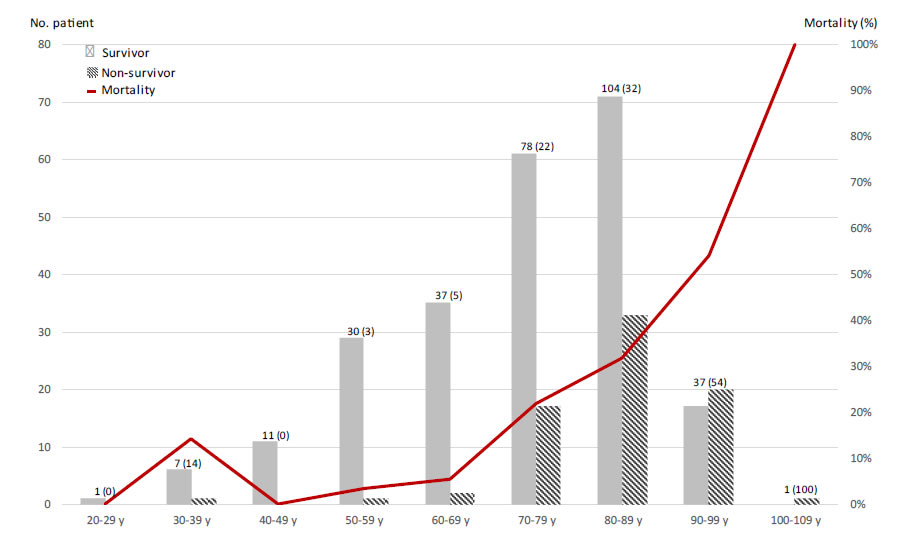
Tables 1 and 2 show the distribution of demographic characteristics and coexisting conditions among survivors and non-survivors. Non-survivors were older (p<0.0001) and had a greater prevalence of chronic heart disease (p=0.005), cerebrovascular accident (p=0.002), chronic kidney disease (p=0.001), and immunodeficiency (p<0.0001). Among medication, aspirin (p=0.001), corticosteroids (p=0.008), betablockers (p=0.007) and diuretics (p<0.0001) were more commonly used by non-survivor patients. The non-survivors were faster hospitalized after the first symptoms (4.5±8.5 days vs. 7.2±7.5 days). Among non-survivors mortality rate was of 25% and transfer to ICU was of 3%. Laboratory and radiologic findings for non-survivors reveal fewer signs at admission of renal dysfunction (creatinine≥ 133µmol/L; p<0.003) and lung invasion rate (>50%; p<0.028). The multivariate analysis of factors associated with non-survival reveals that increasing age was a strong predictor of in hospital mortality after adjusting for major comorbidity (per additional year, OR 1.083; p=0.003) (Figure 1). Stroke history (OR:2.983; p=0.027), immunodeficiency (OR:4.665; p=0.002) and percentage of the lung affected on the CT scan were also statistically associated with increased hospital mortality (OR:1.032 per additional percent of lung affected; p=0.009). The other factors don’t show a significant implication on the patient outcomes.

JPPR-3-2-315-g001

Figure 1. Mortality by age.

Antiviral Treatment

Fifty-three patients received the HCQ/AZI association, 13 the lopinavir/ritonavir association, 12 azithromycin alone and 5 HCQ alone.The HCQ/AZI have been administered an average of 7.9±3.1 days of treatment. Among 16 patients who did not receive the 10 days of treatment, the causes were: transfer to ICU (N=6), widening of the QTc wave (N=6; occurring between 1 and 8 days after initiation of treatment), renal failure (N=1), death (N=2; after 1 and 3 days of treatment), pseudo-cerebellar syndrome attributed to viral damage combined with HCQ (N=1). Thepatients treated by HCQ/AZIhad severe form of COVID-19 (9% of lung affected on CT-scan), were younger patient (13 years) and tend to have more comorbidities except diabetes and immunodeficiency.Percentage of lung affected on CT-scan was the only variable statistically associated with death or ICU transfer (OR:1.033 [1.002-1.064], p=0.039) among patients admitted into the two internal medicine ward where HCQ-AZI were used. The sub-study (N=96) which evaluate the efficacy of treatment with HCQ/AZI for the patients admitted into the two internal medicine units included 96 patients. There was no significant difference in demographic, comorbidities, smoking status, home drug treatment and laboratory/radiologic findings between the treated and untreated population. If the mortality of patients treated with HCQ/AZI seems different, this result is not statistically significant (0% vs. 8%; p=0.122).

Discussion

The COVID-19 situation worldwide, as of 1 July 2020 based on the data transmitted by the different countries is 10 446 353 cases of COVID-19 including 511 037 deaths [1]. If the number of new cases seems to decrease in Europe, the world wide situation continues to worsen. The average incubation period for COVID-19 is 5 days [3]. The interval from symptom onset the hospital admission is 6, days in our study. The average age of patients in our study (75.6 years) is higher than the studies currently published (47-73 years) with a male preponderance3. The clinical manifestation of COVID-19 is various. We found standard symptoms in hospitalized patients included: dyspnea, fever, asthenia, cough, diarrhea, muscle ach and dizziness/fall. Anosmia ageusia may be identified in only 6% of patients. If comorbidities presented by 89% of our patients are among the most common (hypertension, diabetes mellitus), they are present in a remarkably high rate of our patients (chronic heart disease>70%, chronic kidney disease > 25%, immunodeficiency>20%) [4,5]. Obesity seems to play a special role affecting more than 25% of our patients. Obesity or excess ectopic fat deposition are suspected of unifying risk factor for severe COVID-19 infection, reducing both protective cardiorespiratory reserve as well as potentiating the immune dysregulation that appears, at least in part, to mediate the progression to critical illness and organ failure in a proportion of COVID-19 patients [6]. However, it should be noted that it does not appear as a factor of death. Concerning the long-term treatments taken by the patient, the patients treated with aspirin, diuretics, betablockers or corticoids are significantly higher in the non-survivor group. But, it is difficult to attribute excess mortality to these treatments, since they are generally used to manage the comorbidity previously mentioned. The search for a predictive sign of worsening of a patient’s condition at admission is a major issue in medical management. There is an excess mortality in patients more older (Figure 1), patients who on admission have dyspnea, oxygen saturation £ 93%, a lung invasion rate> 50% or a creatinine> 133 µmol/L. These elements are warning signs for the physician supported by other publications on the subject [7]. On the other hand, on the advanced side on antiviral treatment, there has been no notable progress to date. Among the treatments discussed, remdesivir, the ritonavir/lopinavir and HCQ/AZI combination were the first treatments offered in France. For reasons essentially of availability, hydroxychloroquine associated or not with azithromycin has become one of the only therapeutic options in the absence of any evidence of effectiveness. Gautretet al. published the first result of the HCQ/AZI efficiency in COVID-19 patients [8]. They demonstrated on a series of 80 patients an undetectability of viral load at the nasopharyngeal level in 83% of patients on day 7, 93% on day 8 [9]. Respiratory samples are negative in 97.5% of patients on day 5. However, patients in this study had a low rate of comorbidity for an average age of 52.5 years. They do not appear to be the most at risk of complications given the current state of knowledge. Thus, only 53.8% (43/80) had a CT-scanner lung disease and 15% (12/80) had oxygen need.This population appears to have a relatively mild impairment compared to our study population. In agreement with the relative viral RNA load reduction, in vitro tests show a cytopathic effect of SARS-CoV2 could be observed in only 16% (5/31) wells at 60 h post infection after HCQ/AZI exposition as compared to 100% (13/13) in positive controls [9]. Rosenberg et al. publish an observational study to report adverse events and mortality of HCQ and/or azithromycin among patients with COVID-19 (Number of patient: 735 with HCQ/AZI, 271 with HCQ, 211 with azithromycin, 221 any treatment – similar age:61.4 to 65.5 average) [10]. Cardiac arrest was more frequent in patients who received HCQ with azithromycin, compared with patients who received neither drug, even after adjustment. Moreover, treatment with HCQ, azithromycin, or both, compared with neither treatment, was not significantly associated with differences in in-hospital mortality. Mahevas et al report a study carried out on 181 patients requiring oxygen therapy excluding patients transferred to ICU [11]. In their study, 15 patients were treated with the HCQ/AZI combination, none were transferred to ICU and none died.

The treatment of patients was done according to modalities (collegial doctor’s decision) and within deadlines close to ours (7 days after the onset of symptoms). The mortality reported in this study is lower than ours. This can be attributed to the exclusion of patients without ICU need and the average age of the population (60 years vs. 75 years), even if the predictors of aggravation are relatively similar (CRP, percentage of pulmonary invasion). Interestingly, the authors put into perspective the importance of treatment with an antiviral during the virus contamination phase. However, HCQ exhibits immunomodulatory properties through its action on interleukin 1,2 and 6, TNFa and the inhibition of toll-like receptors. This explains its effectiveness in certain autoimmune pathologies which in the case of the inflammatory storm identified in certain forms of COVID-19 could be of theoretical interest. Nevertheless, the latest published clinical data, consistent with our series, point out that during the inflammatory phase (usually on the second week of symptoms) this treatment should have any effectiveness. Side effects, particularly of the heart, in patients with fragility induced by viral infection remain a warning point for physician using the HCQ/AZI combination. In our cohort of treated patients 11.3% (6/53) had heart rhythm problems. As rhythm disturbances were not systematically sought in the untreated group, it is difficult to conclude on an increase in disorders due to COVID-19 disease or to antiviral treatment. A study of 201 patients demonstrated that Baseline QTc intervals did not differ between patients treated with chloroquine/HCQ (monotherapy group) vs. those treated with combination group (chloroquine/HCQ and azithromycin) (440.6 ± 24.9 ms vs. 439.9 ± 24.7 ms, p = 0.834) [12]. More recently Mehraet al. presented a multinational registry analysis carried out on the largest population studied to date (96 032 patients; mean age 53.6±17.6; oxygen saturation <94%; 19.9% of non-survivors patient) [13]. This article which seemed to make everyone agree was retracted a few days after its publication by its authors. However we should note that the authors reported an excess mortality in patients treated with combination of HCQ (main dosage 587mg±128mg during 4.3±2.0 days) with a macrolide (azithromycin or clarithromycin; dosage not communicated) as well as a de-novo ventricular arrhythmia in 8.1% of patients treated (versus 0.3% of untreated patients). We find a similar percentage of ventricular rhythm disorders (11.3% vs. 8.1%) in our patients with a more advanced age (75 years vs. 54 years), a comorbidity rate, predictors of severity and duration longer treatment (7.9 vs. 4.3 days). However, we did not find an increase in the mortality of patients treated with the HCQ/AZI combination. In view of these various elements, it remains necessary to remain cautious. The need for QT interval monitoring remains necessary. We draw attention to the difficulty to interpret the results of a non-randomized observational study. Indeed, in the absence of randomization, the mortality comparison data in the group treated by HCQ/AZI and the group not treated are impacted by many biases. Thus, if mortality seems different in the total study population (HCQ/AZI: 6% vs. Other: 28%) and in the sub-study population (HCQ/AZI: 0% vs. Other 8%), it is distorted by populations that are not comparable (age, risk factor) and different treatment methods desired or not by physicians. We no longer observe any significant difference after identifying and taking into account the biases inherent in this type of study. As a conclusion, the question of the efficiency and safety of the HCQ/AZI combination in the treatment of COVID-19 disease remains open pending the results of randomized clinical studies (Figure 1 and Tables 1-3).

Table 3: Multivariate analysis of factors associated with death.

Demographic data

Adjusted OR (CI 95%)

p-value**

Age – yr

1.083(1.028-1.142)

0.003

Sex (male sex)

0.52 (0.216-1.25)

0.144

Body mass index (kg/m2)

0.971 (0.886-1.063)

0.518

Nursing home resident

1.758 (0.457-6.757)

0.411

Comorbidities

Hypertension

1.923 (0.758-4.881)

0.169

Diabetes mellitus

0.566(0.201-1.591)

0.281

Chronic heart disease

1.032 (0.34-3.129)

0.955

Chronic respiratory disease

0.759 (0.274-2.103)

0.595

Dialysis

2.045 (0.295-14.149)

0.469

Immunodeficiency

4.665 (1.73-12.58)

0.002

Cerebrovascular accident

2.983 (1.13-7.875)

0.027

Smoking status


Current smoker

3.564 (0.31-40.92)

0.307

Former smoker

1.448 (0.389-5.393)

0.581

Symptoms at onset of illness

Dyspnea

1.332 (0.521-3.406)

0.549

Hypoxemia (oxygen saturation < 93%)

0.936 (0.383-2.284)

0.884

Laboratory findings

Creatinine (µmol/L)

1.002 (0.999-1.006)

0.182

Radiologic findings

Percentage of lung affected on the CT scan (%)

1.032 (1.008-1.057)

0.009

Conflict of Interest

The authors declare they have no conflict of interest.

Ethics Approval

The study has been approved by the ethics committee of the GroupeHospitalier Saint Vincent (GRE 2020-01). Written informed consent has been waived in light of the urgent need to collectclinical data.

References

  1. https://www.ecdc.europa.eu/en/geographical-distribution-2019-ncov-cases. Consulted on 2020/07/28.
  2. https://apps.who.int/iris/bitstream/handle/10665/332437/WHO-2019-nCoV-clinical-2020.5-fre.pdf Consulted on 2020/07/28.
  3. Wiersinga WJ,Rhodes A, Cheng AC, Sharon J P, Hallie C P (2020)Pathophysiology. Transmission. Diagnosis. and Treatment of Coronavirus Disease 2019 (COVID-19): A Review. JAMA. [crossref]
  4. Zhou F, Yu T, Du R, Guohui F, Ying L,(2020) Clinical course and risk factors for mortality of adult inpatients with COVID-19 in Wuhan. China: a retrospective cohort studyLancet 395.
  5. Petrilli CM, Jones SA, Yang J, Rajagopalan H, Luke O’Donnell,et al. (2020)Factors associated with hospital admission and critical illness among 5279 people with coronavirus disease 2019 in New York City: prospective cohort study. BMJ. [crossref]
  6. Yang J, Hu J, Zhu C (2020) Obesity aggravates COVID-19: a systematic review and meta-analysis. J Med Virol.
  7. Wynants L, Van Calster B, Collins GS, Richard D Riley , Georg Heinze, et al. (2020) Prediction models for diagnosis and prognosis of covid-19 infection: systematic review and critical appraisal. BMJ [crossref]
  8. Gautret P, Lagier JC, Parola P, Van Thuan Hoang , Line Meddeb,et al. (2020)Clinical and microbiological effect of a combination of hydroxychloroquine and azithromycin in 80 COVID-19 patients with at least a six-day follow up: A pilot observational study. Travel Med Infect Dis. [crossref]
  9. Andreani J, Le Bideau Mm, Duflot I, Priscilla Jardot, Clara Rolland, et al. (2020) In vitro testing of combined hydroxychloroquine and azithromycin on SARS-CoV-2 shows synergistic effect. Microb Pathog. [crossref]
  10. Rosenberg ES, Dufort EM, Udo T, Larissa A, Wilberschied, Jessica Kumar, et al. (2020)Association of Treatment With Hydroxychloroquine or Azithromycin With In-Hospital Mortality in Patients With COVID-19 in New York State. JAMA 323 : 2493-2502. [crossref]
  11. Mahévas M, Tran VT, Roumier M, Amélie Chabrol, Romain Paule,et al. (2020)Clinical efficacy of hydroxychloroquine in patients with covid-19 pneumonia who require oxygen: observational comparative study using routine care data. BMJ 369. [crossref]
  12. Saleh M, Gabriels J, Chang D, Beom SK, Amtul Mansoor, et al. (2020) The Effect of Chloroquine. Hydroxychloroquine and Azithromycin on the Corrected QT Interval in Patients with SARS-CoV-2 Infection. Circ Arrhythm Electrophysiol. [crossref]
  13. Mehra MR, Desai SS,Ruschitzka F, Amit N Patel (2020) Hydroxychloroquine or chloroquine with or without a macrolide for treatment of COVID-19: a multinational registry analysis. Lancet.

A Critical Evaluation of the Single-Use Policy of Endodontic Instruments

DOI: 10.31038/JDMR.2020331

Abstract

Endodontic treatments involve accessing a sterile or non-sterile pulp chamber and root canal content, following an inflammation of the pulp or bacterial colonization of the pulp chamber and root canals, as a septic complication of decay. For this purpose, stainless steel instruments were developed in the last century and Ni-Ti files more recently, serving for different purposes during different procedures and manoeuvres having the unique goal to clean and seal the root canal. For this purpose stainless steel and more recently, nickel-titanium (Ni-Ti) instruments have been developed. These instruments not only increased the speed of the treatment but also managed to assure a proper shape of the canal preparation and subsequently, of the canal filling. Being so useful, reliable, resistant, and ultimately, not cheap, the initially single-use instruments got to be reused by a wide number of practitioners. The present review critically evaluates the single-use policy of these instruments, debating on aspects like cross-infection, mechanical aspects, sterilization protocols and its effect in these instruments, highlighting what is known at the moment about it.

Keywords

Endodontic, Policy, Prions, Review, Root-canal, Single-use

Introduction

Endodontic treatments involve accessing a sterile or non-sterile pulp chamber and root canal content, following an inflammation     of the pulp or bacterial colonization of the pulp chamber and root canals, as a septic complication of decay. For this purpose, stainless steel instruments were developed in the  last  century  and  Ni-Ti  files more recently, serving for different purposes during different procedures and manoeuvres having the unique goal to clean and seal the root canal respecting the biologic and mechanical principles stated by Schilder [1]. Newer (Ni-Ti) files not only increased the speed of the treatment but also managed to assure a proper shape of the canal preparation and subsequently, of the canal filling. Being so useful, reliable, resistant, and ultimately, not cheap, the initially single-use instruments got to be reused by a wide number of practitioners for at least 5 times, with great success, being assured by the manufacturers that both files and the tooth are safe. There are reports of file reuse on 12 [2] or 24 [3] extracted roots having medium curvature.

Worldwide legislations are not prohibiting the reuse nor imposing the single-use, with very few exceptions. Medicine and Health Care Regulatory Agency in the United Kingdom have considered that an instrument used in the root canal should not be reused on multiple patients, not even on the same patient on a later occasion, and hence should be discarded [4]. The Department of Health has critically evaluated the importance of a single- use endodontic instrument during dental treatment, to supply the patients with a safe and infection controlled environment [5]. There was obvious evidence that showed the risks associated with the reuse of endodontic files, including secondary Transmissible Spongiform Encephalopathy disease (TSEs) and improper debris control [6]. But besides these aspects, it has also been shown that the use of endodontic file decontamination and sterilization methods can play a role in the development of various risks such as file fracture.

In modern dentistry, all clinicians should consider infection control maintenance, as it cannot be dismissed [7]. Microorganism has an obvious rule for developing infected necrotic pulp tissue which was isolated from infected root canals [8]. Fusobacterium nucleatum, Porphyromonas Gingivalis, and Streptococcus mutants are the most common bacteria that were isolated from infected root canals [7]. Van Eldik [7] in his research done on stainless steel and NI-TI files, demonstrated the effect of thermal steam sterilisation and mechanical cleaning techniques on the microbial elimination. They concluded that there were no bacteria detected on new files or following steam sterilisation. On the other hand, the ultrasonic bath eliminated the majority but not all of the bacteria. Assaf, Mellor, and Qualtrough [9] illustrated that mechanically cleaning endodontic files by using washer-disinfectant treatment can lead to incomplete organic debris removal from endodontic files’s surfaces.

Aspects Related to Prion Disease

The prion proteins were discovered in 1982 as a fatal neurodegenerative protein with different groups like PrP. This can cause scrape veterinary diseases and veterinary Creutzfeld-Jacob Disease (vCJD) in humans [6,10]. Creutzfeld-Jacob Disease can be transmitted by direct blood contact or transfusion [10]. The Prion protein has a high resistance to many disinfectant and sterilisation techniques such as chemical, thermal, ionizing radiation, and ultraviolet decontamination resistance, with a high binding capacity to metal surfaces, compromising the sterilisation process especially in dried contaminated tissue on metal or glass surfaces [6,11,12].

The prion disease accumulates in the lymphoreticular tissue and the nervous system. Early diagnosis of human prion disease can be detected by lymphoreticular biopsy of tonsils, spleen, and lymph nodes [13]. Few studies have linked re-used endodontic files with transmissible spongiform encephalopathy (TSEs) which is a group of brain and nervous system diseases in humans and animals that can develop in the presence of prion prusiner protein. Although, no obvious research stated that Creutzfeldt-Jakob Disease (vCJD) has been transferred to humans during dental treatment [6] one of prion’s possible way of transmission from the brain to the mouth tissues and vice versa is assumed to be by means of prion protein accumulation in the trigeminal ganglia of patients with this disease [14]. There were four cases reported of possible transmission of CJD infection by means of blood transfusions but no evidence so far that CJD is contagious either by normal or sexual contact [15,16]. Even so, before seeking any endodontic treatment, it is mandatory to obtain from all patients appropriate family and medical history as well as sterilise the endodontic files for optimal infection control [11,17].

Currently, in the United Kingdom, The Health Department has considered root canal treatment files as single–used instruments and should be segregated immediately after clinical use [4,18]. Dental instruments (except files) used on patients with or ‘‘at increased  risk’’ of CJD can be handled in the same way as those used in any other low-risk surgery, can be reprocessed according to best practice and returned to use [4]. Other instrument types for which a reliable cleaning regime is not available should also be considered single- use types. Although the Department of Health UK guidelines does not recommend any special protocols  for  prion  decontamination, an improved cleaning process along with multiple cycles of vacuum steam sterilization procedure should be followed [19].

Aspects Related to Sterilization and Its Effect on the Rotary Instruments

Endodontic Nickel-titanium (Ni-Ti) files were used for root canal treatment for more than 25 years because of their flexibility, flexural, and torsional resistance [20]. Many studies have been done observing the effects of sterilization on these instruments’ properties. Some of them found no significant effects [21]. Condorelli et al. [22] identified the same type of increased resistance to cyclic fatigue, although the thermal applications did not alter instrument surface morphology  but resulted in significant changes in the instrument bulk with the appearance of an R-phase and improved fatigue resistance. Sonntag and Peters [6] found a better fatigue life after five cycles of dry-heat sterilization at 180ºC.

Conversely, many studies found sterilization negatively impacting the file’s life span, features, characteristics, and properties [23-27]. Autoclaving and re-using of the endodontic files more than three times can lead to a change in the physical properties of the alloy, like blunt cutting edge, pitting chipping, and fritting [28]. Another study has confirmed that multiple or a single autoclave cycle of endodontic files can result in the file’s surface corrosion with a reduction of flexural and torsional fatigue resistance [29].

Most of the studies proved that cyclic fatigue resistance decreased and led to a high chance of file fracture especially when the root canal curvature increased [25,26,27].

Aspects Related to Corrosion and Its Effect on the Rotary Instruments

It is well documented that bacterial infection of the root canal is the primary cause of apical periodontitis [8,30,31]. The apical periodontitis is the result of bacterial invasion and consecutive colonization of the entire endodontic system. Thus treatment has to be directed toward the elimination of micro-organisms from within the endodontic system and prevention of re-infection [31]. Therefore, chemo- mechanical preparation of the root canal, which is a combination of mechanical instrumentation and antibacterial irrigation, is the critical stage in canal disinfection. These irrigants are also used to suspend and rinse away debris created during instrumentation, dissolve the organic tissue, or as a lubricant for instruments, to remove the smear layer.

Since there is obvious evidence that autoclave and chemical sterilisation technique goes the best hand in  hand  for  re-used  dental files and burs, causing a 100% microbial elimination [32], files corrosion has to be assessed as well. Rutala and Weber [33] demonstrated the proper decontamination steps of endodontic files with chemical agents by using Sodium hydroxide (NaOH) solution for 24 hours, 1 hour respectively, then using guanidine thiocyanate for 24 hours, 1 hour and 15 minutes respectively. Later on, they sterilised files by autoclave at 134oC for 18 minutes. Also, a short decontamination process by immersing the files with chlorhexidine solution, manual cleaning then submersion in 1% NaOCl solution, ultrasonic cleaning, and finally steam sterilising by autoclave was advocated [33].

It was shown that during extended periods in NaOCl solutions, corrosion may be enhanced [34] or minimized depending on the pH of the environment [35]. Though the impact of NaOCl did not show any difference in the cutting efficiency or resistance to fracture of Ni-Ti instruments [36,37], it did result in reduced resistance to cyclic fatigue [38,39] and the presence of corrosion [6]. Further studies in which the percentage of NaOCl was low (1%) showed no major impact on Ni-Ti instruments; however, those that studied the impact of a 5% solution noted significant changes [40]. Some studies showed that a sterilization cycle along with immersion in NaOCl did not result in any substantial instrument changes [41]. In Catania University of Italy [42], the authors conducted a study to show the effect of treating files with either 5% NaOCl, sterilisation or heat-sterilized Ni-Ti rotary files or both and whether there was an effect on the cyclic fatigue resistance
or not. They have collected 210 files, which were twisted files (TF) (SybronEndo, Orange, CA) and Hyflex CM (Coltene Whaledent, Cuyahoga Falls, OH) files size 25/0.06. They were divided into 7 groups, the first group was not sterilised by autoclave or immersed with NaOCl, group 2 and 3 did not autoclave files, but immersed them with 5% of NaOCl once and three times respectively, Group 4 and 5 files were only autoclaved once and three times without immersion into 5% NaOCl, while group 6 and 7 treated with both 5% NaOCl and autoclave once and three times respectively. The files were then tested using field-emission scanning electron microscopy and x-ray energy-dispersive spectrometric (EDS) analysis to determine file surface defects and fractures. TF showed lower fatigue resistance than CM files group after 3 times autoclave sterilisation. EDS showed that immersion of Hyflex CM files in 5 % NaOCl developed an oxide-rich layer on the file’s external surfaces. EDS also showed that repeatedly treating files with sterilisation or chemical cycles (NaOCl 5%) has no morphological changes on the CM files surface apart from TF files that have demonstrated low flexural resistance with an increased chance of fracture.

Aspects Related to Mechanical Failure

“A material will fail by torsion when the ultimate shear strength is exceeded” according to Walia [43]. Studies proved that an instrument will fracture if its ultimate strength is exceeded [44-47] or if a fracture line has extended to such an extent that the remaining intact cross- section of the file is unable to bear the functional load [48] thus complicating the whole treatment. Scanning electron microscopy observations proved that  instruments  deteriorate  while  in  use,  and develop defects and cracks on their surfaces inducing fracture propagation [3,28,49,50]. Although new instruments can fracture at their first canal use, those that are used for three or more canals may have a higher susceptibility for fracture. Gambarini [51] demonstrated that the used instruments had a lower resistance to fracture than new ones.

There are 2 possible mechanisms of fracture described in the literature:

a) Torsional or sheer fatigue. The fractographic image of shear failure is very spectacular, showing the plastic deformation of the flutes adjacent to the fracture site, along with concentric circular markings at the periphery with a ‘fibrous’ appearance in the center. The fibrous region corresponds to the microscopic dimples in high power, while the circular markings are due to abrasion of the opposing surfaces on either side of the fracture [52-56].

b) Cyclic fatigue. The term ‘cyclic fatigue’ has been used to describe the breakage of Ni-Ti instruments after continuous rotation in a curved canal. An instrument rotating with curvature is effectively subjected to a completely reversed cyclic loading at its surface. A form of fatigue loading, such rotational bending has been implicated as the reason for breakage of some 44–91% of Ni-Ti engine-files fractured clinically [52,53,55,56].

It has been emphasised that there is no fracture caused by purely one of the mechanisms, there is always a combined effect of the two. Frequent reuse of endodontic files can lead to change in their physical properties and cause file fracture particularly in curved and calcified canals [27]. Some reports found that the incidence of separation of unused rotary Ni-Ti files is about 1% [57-62] while distortion was noticed to occur in up to 60% of the instruments used [63], but it is estimated that the incidence of instrument fracture in instruments used multiple times varies between 0.39% and 21% [44,46,47,50,64- 66]. There are also reports that Ni-Ti engine-files may fracture without any warning signs [53,54,57].

Conclusion

For the high standard of dental care, it is mandatory to segregate single-use endodontic instruments like files and reamers according  to the department of health policy nevertheless, steam sterilisation   is essential to instruments that cannot be segregated like endodontic rulers, dental hand instruments, rubber dam clamps or handpieces. Furthermore, proper infection control and to obtain a healthy environment for patients and dental staff. Ni-Ti files are the most commonly used endodontic files in dentistry as they have a good shape memory with low risk of fatigue, in addition to that they are safe, easy to use, and discard [22]. The dental clinicians should have full knowledge and appropriate diagnosis about prion disease, its way of transmission, proper decontamination, and how to prevent    it even if there is no clear confirmation of its transmition by means of dental procedures. The high binding capacity of Prion protein to dental metal instrument surfaces can render disinfection very difficult and challenging, hence sterilisation methods can be a very big task to perform. Judging by mechanical point of view, the reuse of a rotary file, no matter the alloy it’s been made of and the stress it is capable to bare, is risky and might jeopardise the treatment itself along with its outcome. Using  rotary files as single-use instruments can lead    to increased clinical confidence and a positive outcome of dental treatment.

References

  1. Schilder H (1974) Cleaning and shaping the root canal. Dental Clinics of North America 18: 269-296.[crossref]
  2. Stefanescu T, Galuscan A, Tudoran LB, Monea MD, Jumanca D (2016-a) Environmental effect on Ni-Ti rotary files: Steam sterilization & corrosion. A SEM study Rev Chim 67: 2114-18
  3. Stefanescu T, Antoniac IV, Popovici RA, Galuscan A, Tirca T (2016-b) Ni-Ti rotary instrument fracture analysis after clinical use. Structure changes in used instruments. EEMJ 15: 981-88
  4. Department of Health (2013) Decontamination Health Technical Memorandum 01- 05: Decontamination in primary care dental practices.
  5. Cockcroft B (2007) Government advises single use of endodontic instruments. Department of Health. 202: 442
  6. Sonntag D, Peters OA (2007) Effect of Prion Decontamination Protocols on Nickel- Titanium Rotary Surfaces. Journal of Endodontics 33: 442-446.[crossref]
  7. Eldik D Van, Zilm P, Rogers A, Marin P (2008) Microbiological evaluation of endodontic files after cleaning and steam sterilization procedures. Australian Dental Journal 49: 122-127.[crossref]
  8. Kakehashi S, Stanley HR, Fitzgerald RJ (1965) Oral Surgery Oral Medicine Oral Pathology 20: 340-349
  9. Assaf, Mellor, & Qualtrough (2018) Cyclic Fatigue Resistance of Heat-treated Nickel-titanium Instruments after Immersion in Sodium Hypochlorite and/or Sterilization. Journal of Endodontic 44: 648-653.[crossref]
  10. Knight R (2017) Progress in Molecular Biology and translational Science 150: 293- 318
  11. Jayanthi P, Thomas P, Bindhu PR, Krishnapillai R (2013) Prion diseases in humans: Oral and dental implications. North American Journal of Medical Sciences 5: 399- 403
  12. Walker JT,  Dickinson J, Sutton JM, Raven NDH, Marsh PD (2007) Cleanability  of dental instruments – Implications of residual protein and risks from Creutzfeldt- Jakob disease. British Dental Journal 203: 395-401.[crossref]
  13. Porter SR (2002) Prions and dentistry. Journal of the Royal Society of Medicine 95: 178-181.
  14. Guiroy DC, Shankar SK, Gibbs J, Messenheimer JA, Das S et al. (1989) Neuronal degeneration and neurofilament accumulation in the trigeminal ganglia in Creutzfedt- Jakob disease. Ann Neurol 25:102-106.[crossref]
  15. Ingrosso L, Pisani F, Pocchiari M (1999) Transmission of the 263K scrapie strain by the dental route. J Gen Virol 80: 3043-3047.[crossref]
  16. Wells GAH, Hawkins SAC, Green RB (1998) Preliminary observations on the pathogenesis of experimental bovine spongiform encephalopathy (BSE): an update. Vet Rec 142: 103-106.[crossref]
  17. Hancock CO, Lambert PA, Dusseau JV (2013) Sterilization Processes. In: Fraise, AP, Maillard, JY, Sattar, S, eds. Russell, Hugo and Ayliffe’s Principles and Practice of Disinfection, Preservation and Sterilization. 5: 277-370.
  18. Sonntag D, Martin E, Raab WHM (2016) Representative survey on the reprocessing of endodontic instruments in Germany. British Dental Journal 220: 465-469.[crossref]
  19. Department of Health, UK (2009) Commissioning and Systems Management. Health Technical Memorandum 01–05: Decontamination in primary care dental practices. London, UK: Department of Health.
  20. Zhou H, Peng B, Zheng Y (2013) An overview of the mechanical properties of nickel–titanium endodontic instruments. Endodontic Topics 29: 42-54.
  21. Khabiri M, Ebrahimi M, Saei MR (2017) The Effect of Autoclave Sterilization on Resistance to Cyclic Fatigue of Hero Endodontic File #642 (6%) at Two Artificial Curvature. Journal of Dentistry (Shiraz, Iran) 18: 277-281.[crossref]
  22. Condorelli GG, Bonaccorso A, Smecca E, Scha¨fer E, Cantatore G et al. (2010). Improvement of the fatigue resistance of NiTi endodontic files by surface and bulk modifications. International Endodontic Journal 43: 866-873.[crossref]
  23. Mize SB, Clement DJ, Pruett JP, Carnes DL Jr (1998) Effect of sterilization on cyclic fatigue of rotary nickel-titanium endodontic instruments. Journal of Endodontics 24: 843-847.[crossref]
  24. Alexandrou GB, Chrissafis K, Vasiliadis LP, Pavlidou E, Polychroniadis EK (2006) SEM observations and differential scanning calorimetric studies of new and sterilized nickeltitanium rotary endodontic instruments. Journal of Endodontics 32: 675-679.
  25. Valois CR, Silva LP, Azevedo RB (2008) Multiple autoclave cycles affect the surface of rotary nickel-titanium files: an atomic force microscopy study. Journal of Endodontics 34: 859-862.[crossref]
  26. Viana AC, Gonzalez BM, Buono VT, Bahia MG (2006) Influence of sterilization on mechanical properties and fatigue resistance of nickel–titanium rotary endodontic instruments. Int Endod J 39: 709-715.[crossref]
  27. Shen Y, Coil JM, Mo AJ, Wang Z, Hieawy A et al. (2016) Wave One Rotary Instruments after Clinical Use. Journal of Endodontics 42: 186-189.[crossref]
  28. Tripi TR, Bonaccorso A, Tripi V, Condorelli GG, RapisardaE (2001) Defects in GT rotary instruments after use:an SEM study. Journal of endodontics 27: 782-785.[crossref]
  29. Nair AS, Tilakchand M, Naik BD (2015) The effect of multiple autoclave cycles  on the surface of rotary nickel-titanium endodontic files: An in vitro atomic force microscopy investigation. J Conserv Dent 18: 218-22.[crossref]
  30. Moller AJ, Fabricius L, Dahlen G, Ohman AE, Heyden G (1981) Influence on periapical tissues of indigenous oral bacteria and necrotic pulp tissue in monkeys. Scand J Dent Res 89: 475-484.[crossref]
  31. Sundqvist G (1976) Bacteriological studies of necrotic dental pulps. Umeå, Sweden: Umeå University. Dissertation
  32. Kumar Kv, Kiran Kumar K, Supreetha S, Raghu K, Veerabhadrappa A et  al. (2015) Pathological evaluation for sterilization of routinely  used  prosthodontic and endodontic instruments. Journal of International Society of Preventive and Community Dentistry 5: 232-236.[crossref]
  33. Rutala WA, Weber DJ (2001) Creutzfeldt-Jakob disease: recommendations for disinfection and sterilization. Clin Infect Dis, 32: 1348-1356.[crossref]
  34. O’Hoy PY, Messer HH, Palamara JE (2003) The effect of cleaning procedures on fracture properties and corrosion of NiTi files. International Endodontic Journal 36: 724-32.[crossref]
  35. Novoa XR, Martin-Biedma B, Varela-Patino P (2007) The corrosion of nickel- titanium rotary endodontic instruments in sodium hypochlorite. International Endodontic Journal 40: 36-44.[crossref]
  36. Ormiga Galvao Barbosa F, Antonio da Cunha Ponciano Gomes J, Pimenta de Araujo MC (2007) Influence of sodium hypochlorite on mechanical properties of K3 nickel- titanium rotary instruments. Journal of Endodontics 33: 982-985.
  37. Cavalleri G, Cantatore G, Costa A, Grillenzoni M, Comin Chiaramonti L et al. (2009) The corrosive effects of sodium hypochlorite on nickel-titanium endodontic instruments: assessment by digital scanning microscope. Minerva Stomatologica 58: 225-231.[crossref]
  38. Berutti E, Angelini E, Rigolone M, Migliaretti G, Pasqualini D (2006) Influence   of sodium hypochlorite on fracture properties and corrosion of ProTaper Rotary instruments. International Endodontic Journal 39: 693-639.[crossref]
  39. Peters OA, Roehlike JO, Baumann MA (2007) Effect of immersion in sodium hypochlorite on torque and fatigue resistance of nickel-titanium instruments. Journal of Endodontics 33: 589-593.[crossref]
  40. Busslinger A, Sener B, Barbakow F (1998) Effects of sodium hypochlorite on nickel- titanium Lightspeed instruments. International Endodontic Journal 31: 290-294.[crossref]
  41. Haikel Y, Serfaty R, Wilson P, Speisser JM, Allemann C (1998) Cutting efficiency of nickel-titanium endodontic instruments and the effect of sodium hypochlorite treatment. Journal of Endodontics 24: 736-739.[crossref]
  42. Health & Medicine Week, “Findings from University of Catania Yields New Data on Hypochlorous Acid (2018 ) (Cyclic Fatigue Resistance of Heat-treated Nickel- titanium Instruments after Immersion in Sodium Hypochlorite and/or Sterilization 3597.
  43. Walia HM, Brantley WA,  Gerstein H (1988) An initial investigation of the bending and torsional properties of Nitinol root canal files. Journal of Endodontics 14: 346-351.[crossref]
  44. Sattapan B, Palamara JE, Messer HH (2000-a) Torque during canal instrumentation using rotary nickel–titanium files. Journal of Endodontics 26: 156-60.[crossref]
  45. Sattapan B, Nervo GJ, Palamara JE, Messer HH (2000-b) Defects in rotary nickel-titanium files after clinical use. Journal of Endodontics 26: 161-165.[crossref]
  46. Parashos P, Gordon I, Messer HH (2004) Factors influencing defects of rotary nickel-titanium endodontic instruments after clinical use. JOE 30: 722-725.[crossref]
  47. Peng B, Shen Y, Cheung GS, Xia TJ (2005) Defects in ProTaper S1 instruments after clinical use: longitudinal examination. IEJ 38: 550-557.[crossref]
  48. Cheung G.S.P. (2009) Instrument fracture: mechanisms, removal of fragments, and clinical outcomes. Endodontic Topics 16: 1-26
  49. Svec TA, Powers JM (2002) The deterioration of rotary nickel– titanium files under controlled conditions. Journal of Endodontics 28: 105-107.
  50. Alapati SB, Brantley WA, Svec TA, Powers JM, Mitchell JC (2003) Scanning electron microscope observations of new and used nickel–titanium rotary files. Journal of Endodontics 29: 667-669.[crossref]
  51. Gambarini G (2001) Cyclic fatigue of ProFile rotary instruments after prolonged clinical use. International Endodontic Journal 34: 386-389.[crossref]
  52. Dalton BC, Ørstavik D, Phillips C, Pettiette M, Trope M (1998) Bacterial reduction with nickel–titanium rotary instrumentation. Journal of Endodontics, 24: 763-767.[crossref]
  53. Gulabivala K, Stock CJR (2004) Root canal system preparation, In: Stock CJR, Gulabivala K, Walker RT, eds. Endodontics 3: 135-172.
  54. Scarfe WC, Levin MD, Gane D, Farman AG (2009) Use of cone beam computed tomography in endodontics. International Endodontic Journal 10: 634-638
  55. Shuping GB, Ørstavik D, Sigurdsson A, Trope M (2000) Reduction of intracanal bacteria using nickel–titanium rotary instrumentation and various medications. Journal of Endodontics 26: 751-755.[crossref]
  56. Spångberg L (2001) The wonderful world of rotary root canal preparation, Oral Surgery Oral Medicine Oral Pathology Oral Radiology and Endodontology, 92:479.[crossref]
  57. Ankrum MT, Hartwell GR, Truitt JE (2004) K3 Endo, ProTaper, and ProFile systems: breakage and distortion in severely curved roots of molars, Journal of Endodontics, 30, 234–237.[crossref]
  58. Paqué F, Musch U, Hülsmann M (2005) Comparison of root canal preparation using RaCe and ProTaper rotary NiTi instruments. International Endodontic Journal 38: 8-16.[crossref]
  59. Rangel S, Cremonese R, Bryant S, Dummer P (2005) Shaping ability of RaCe rotary nickel–titanium instruments in simulated root canal. Journal of Endodontics 31: 460-463.
  60. Schäfer E, Schlingemann R (2003) Efficiency of rotary nickel–titanium K3 instruments compared with stainless-steel hand K-Flexofile. Part 2. Cleaning effectiveness and instrumentation results in severely curved root canals of extracted teeth. International Endodontic Journal 36: 208-217.[crossref]
  61. Schäfer E, Vlassis M (2004) Comparative investigation of two rotary nickel– titanium instruments: ProTaper versus RaCe. Part 2. Cleaning effectiveness and instrumentation results in severely curved root canals of extracted teeth. International Endodontic Journal 37: 239-248.[crossref]
  62. Yoshimine Y, Ono M, Akamine A (2005) The shaping effects of three nickel– titanium rotary instruments in simulated S-shaped canals. Journal of Endodontic 31: 373-375.[crossref]
  63. Stewart JT, Lafkowitz S, Appelbaum K, Hartwell G (2010) Distortion and breakage of Liberator, EndoSequence, and ProFile systems in severely curved roots of molars. Journal of Endodontic 36: 729-731.[crossref]
  64. Di Fiore Di Fiore PM, Genov KA, Komaroff E, Li Y, Lin L (2006) Nickel-Titanium rotary instrument fracture: a clinical practice assessment. International Endodontic Journal 39: 700-708.[crossref]
  65. Shen Y, Cheung GS, Bian Z, Peng B (2006) Comparison of defects in ProFile and ProTaper systems after clinical use. JOE 32: 61-65.[crossref]
  66. Shen Y, Cheung GS, Peng B, Haapasalo M (2009) Defects in nickel-titanium instruments after clinical use. Part 2: fractographic analysis of fractured surface in a cohort study. JOE 35: 133-136.[crossref]

Convalescent Plasma Therapy for COVID-19

DOI: 10.31038/CST.2020532

Introduction

A novel flu-like coronavirus emerged from Wuhan, China in December 2019. It was named Severe Acute Respiratory Syndrome Coronavirus 2, (SARS-CoV-2), and causes Coronavirus Disease 2019, (COVID-19) [1]. SARS-CoV-2 rapidly spread, and on March 11th, 2020, the WHO declared COVID-19 a pandemic [2]. As of July 3rd there have been 10,719,946 confirmed cases of COVID-19 worldwide, including 517,337 deaths, reported to the World Health Organization [3]. Many therapies are being investigated for their anti-viral or immune modulation properties to treat COVID-19, with efficacy so far being demonstrated for dexamethasone [4] and remdesivir [5]. In recent pandemics, no standardized treatments were identified for SARS-CoV-1, Middle East Respiratory Syndrome or Ebola, due to the limited number of controlled clinical trials undertaken at the time, with none performed on SARS-CoV-1, and only 3 and 11 for Middle East Respiratory Syndrome and Ebola, respectively [6]. However, this has been addressed for COVID-19, and there are currently 1,358 clinical trials registered with ClinicalTrials.gov, of which 209 are investigating the use of convalescent plasma to treat COVD-19 [7].

Principles of Convalescent Plasma

Convalescent plasma is plasma, obtained from patients who have recovered from an infectious disease such as COVID-19, which contains antibodies specific to the pathogen, in this case SARS-CoV-2. This passive immunotherapy works by neutralizing pathogens, thereby decreasing the likelihood of cytokine storm occurring in the recipients. Convalescent plasma has been used as a therapeutic agent for over a hundred years. One of its earliest interventions for treating viral diseases was the Spanish H1N1 influenza A in 1918. Since then it has been used to treat Avian H5N1 influenza A epidemic (2003), Severe Acute Respiratory Syndrome (SARS, SARS-CoV-1) epidemic (2003), H1N1 influenza pandemic (2009-10), Middle East Respiratory Syndrome (MERS-CoV) epidemic (2012), Chikungunya, Ebola epidemic (2014-16) and Zika [2,3].

Is Convalescent Plasma Efficacious?

While it is important to await the findings for the clinical trials, there is some evidence that this approach will be successful. A meta- analysis of 32 papers evaluating the efficacy of convalescent plasma in SARS Coronavirus patients, (699 treated versus 568 untreated controls), demonstrated a reduced mortality rate in the plasma arm, compared with placebo or no treatment (odds ratio: 0.25%; 95% CI: 0.14-0.45). However, many studies included in the meta-analysis were of poor quality, lacked control groups, and demonstrated moderate or high risk of bias [8]. A meta-analysis of the use of convalescent plasma in Spanish flu also demonstrated a reduced mortality rate [9]. There is some evidence about the efficacy of convalescent plasma from several uncontrolled case series of convalescent plasma use in COVID-19 patients. A case-series of 5 critically ill COVID-19 patients, aged 36-65 years, received convalescent plasma, with a SARS-CoV-2 specific IgG binding titre greater than 1:1000 and a neutralization titre greater than 40, on days 10-22 following admission. The results were encouraging, with normalization of body temperature occurring within 3 days in 4 of the 5 patients. In addition, viral loads decreased and acute respiratory distress syndrome also resolved in 4 patients, both within 12 days of the transfusion, and 3 patients no longer required ventilation within 3 weeks [10]. Duan et al. 2020 also reported an improvement in 10 severely affected patients who received convalescent plasma [11]. Viremia disappeared within 7 days, due to significantly increased or maintained high levels of neutralizing antibody. In addition, lymphocyte counts increased and C-reactive protein values decreased, in comparison to the pre-transfusion levels. There were also varying levels of adsorption of lung lesions.

Zhang et al. 2020 reported the outcomes in 4 critically ill COVID-19 patients, who received various quantities of convalescent plasma, (300, 400 and 2,400ml) [12]. All patients became RT-PCR negative within 3-22 days of receiving the transfusion. However, the contribution from other therapeutic agents administered could not be discerned. A retrospective, observational study involving a small number of participants was less promising. Despite, all 6 patients testing negative for SARS-CoV-2 RNA within 3 days of receiving the transfusion, 5 of them subsequently died. However, the patients who received plasma survived significantly longer than the control arm. The median day of transfusion was 21.5, and it was postulated this was too late to minimise the hyperimmune response, as the 1 patient who received treatment on day 11 survived [13]. Kong et al. 2020 reported a case of a centenarian, who demonstrated improved clinical and laboratory findings following 2 transfusions of convalescent plasma, and was successfully treated by this approach [14]. In the study by Ahn et al. 2020, 2 COVID-19 patients who presented with severe pneumonia and acute respiratory distress syndrome demonstrated improved oxygenation, and decreased viremia and inflammatory markers, after the use of methylprednisolone and convalescent plasma [15].

A systematic review of five studies evaluating convalescent plasma in COVID-19 patients demonstrated a reduced mortality rate in critically ill patients. In the majority of cases, an increase in the neutralizing antibody titres was apparent, alongside disappearance of SARS-CoV-2 RNA, and an improvement in clinical symptoms. This study concluded that convalescent plasma was an effective means of reducing mortality in COVID-19 [16]. A Cochrane Rapid Review by Valk et al. 2020 included 32 patients, from seven case-series and one prospectively planned study [17]. Valk et al. 2020 reported a high level of bias, due to the small numbers of participants, study design, different disease severities and varying treatments of the patients [17]. They were unable to perform any statistical analysis and deemed very low-certainty evidence for efficacy, with the data available at present [17]. The first randomized clinical trial evaluating convalescent plasma was performed in Wuhan, China. It recruited 103 participants with severe or life-threatening COVID-19 and compared convalescent plasma in addition to standard treatment (n = 52) to standard treatment alone (control) (n = 51). However, no statistical significant benefit in mortality or clinical improvement 28 days after the plasma transfusion in all randomized patients was observed [18]. However, a possible benefit was seen in the severely ill subgroup, but not the critically-ill group, when the data was reanalysed according to disease severity. The lack of statistical significance was thought to arise from the early termination of the trial, due to enrolment difficulties as the virus was being contained. This resulted in only 103 of the expected 200 cases being recruited, which subsequently underpowered the trial [18].

Safety of Convalescent Plasma

So far the safety data for this treatment seems promising, despite concerns that antibody-mediated enhancement may exacerbate the condition via a proinflammatory effect, or complications may arise from transfusion-related lung injury and transfusion-related circulatory overload [19]. Other potential adverse events include breathing difficulties, transfusion transmitted infection, and hypersensitivity reactions, which manifest as rash, fever or chills. No severe adverse events were reported by Ahn et al. 2020 (n=2), Duan et al. 2020 (n=10), Olivares-Gazca et al. 2020 (n=10), Salazar et al. 2020 (n=25), Zhang et al. 2020 (n=4) or Zeng et al. 2020 (n=6) [11-13,15,20,21], and the meta-analysis also confirmed it was safe (Rajendran et al. 2020) [16], whereas Valk et al. 2020 reported very low- certainty evidence of adverse events [17]. In the trial by Li et al. 2020 [18], two of 52 recipients of convalescent plasma experienced adverse events within hours of receiving the transfusion. The chills and rash manifest in one of those patients suggested a transfusion reaction. The adverse events in both cases were managed by corticosteroids [18,22].

What do We Need to Know?

The controlled trials evaluating convalescent plasma will provide important information on the optimal dose and time to treat patients, donor selection, plasma collection and which patients are most likely to benefit. The meta-analysis on the use of convalescent plasma to treat Spanish flu by Luke et al. 2006 suggested that early treatment, (after < 4 days of pneumonia complications), resulted in improved mortality rates than late treatment, (after ≥ 4 days of pneumonia complications), which was similar to the mortality rate among controls [9]. The study by Zeng et al. 2020 supports the use of convalescent plasma as an early intervention [13], and also by Li et al. 2020, particularly in less severely ill patients [18]. The concentration of donor neutralizing antibodies is likely to affect the efficacy, and these levels can be influenced by the prior treatment of the donor, such as steroids, antiviral drugs and intravenous immunoglobulin. It will also be interesting to explore convalescent plasma in combination with antiviral agents, such as remdisivir, due to their different mechanisms of action [22]. There is previous evidence that they may work well together [23]. The results of the many clinical trials investigating the use of convalescent plasma in COVID-19 are eagerly awaited, but the data from case-series and the use of this treatment in previous infectious diseases appears promising.

Keywords

Convalescent plasma, Coronavirus disease 2019, COVID-19, Passive immunotherapy, SARS-CoV-2, Severe acute respiratory syndrome coronavirus 2

References

  1. Peeri NC, Shrestha N, Rahman MS, Zaki R, Tan Z, et al. (2020) The SARS, MERS and novel coronavirus (COVID-19) epidemics, the newest and biggest global health threats: what lessons have we learned? International Journal of Epidemiology.
  2. Franchini M (2020) Why should we use convalescent plasma for COVID-19? European Journal of Internal Medicine 77: 150-151. [crossref]
  3. Wong HK, Lee CK (2020) Pivotal role of convalescent plasma in managing emerging infectious diseases. Vox sanguinis World Health Organization Coronavirus Disease (COVID-19) Dashboard https://covid19.who.int/ [crossref]
  4. Mahase E (2020) Covid-19: Low dose steroid cuts death in ventilated patients by one third, trial finds. BMJ 369: m2422. [crossref]
  5. Beigel JH, Tomashek KM, Dodd LE, Mehta AK, Zingman BS, et al. (2020) Remdesivir for the Treatment of Covid-19 – Preliminary Report. The New England journal of medicine NEJMoa2007764. [crossref]
  6. Body R and Felton T (2020) MAHSC Seminar Series COVID-19 – Current & future diagnostic and therapeutic approaches, 2nd July https://www.youtube.com/ watch?v=oapbjes0es4
  7. ClinicalTrials.gov https://clinicaltrials.gov/ NIH US National Library of Medicine Accessed 03/07/2020
  8. Mair-Jenkins J, Saavedra-Campos M, Baillie JK, Cleary P, Khaw FM, et al. (2015) The effectiveness of convalescent plasma and hyperimmune immunoglobulin for the treatment of severe acute respiratory infections of viral etiology: a systematic review and exploratory meta-analysis. The Journal of Infectious Diseases 211: 80-90. [crossref]
  9. Luke TC, Kilbane EM, Jackson JL, Hoffman SL (2006) Meta-analysis: convalescent blood products for Spanish influenza pneumonia: a future H5N1 treatment? Annals of Internal Medicine 145: 599-609. [crossref]
  10. Shen C, Wang Z, Zhao F, Yang Y, Li J, et al. (2020) Treatment of 5 Critically Ill Patients With COVID-19 With Convalescent Plasma. JAMA 323: 1582-1589. [crossref]
  11. Duan K, Liu B, Li C, Zhang H, Yu T, et al. (2020) Effectiveness of convalescent plasma therapy in severe COVID-19 patients. Proceedings of the National Academy of Sciences of the United States of America 117: 9490-9496. [crossref]
  12. Zhang B, Liu S, Tan T, Huang W, Dong Y, et al. (2020) Treatment with Convalescent Plasma for Critically Ill Patients with Severe Acute Respiratory Syndrome Coronavirus 2 Infection. Chest 158: e9-e13. [crossref]
  13. Zeng QL, Yu ZJ, Gou JJ, Li GM, Ma SH, et al. (2020) Effect of Convalescent Plasma Therapy on Viral Shedding and Survival in Patients with Coronavirus Disease 2019. The Journal of Infectious Diseases 222: 38-43. [crossref]
  14. Kong Y, Cai C, Ling L, Zeng L, Wu M, et al. (2020) Successful treatment of a centenarian with coronavirus disease 2019 (COVID-19) using convalescent plasma. Transfusion and Apheresis Science 102820. [crossref]
  15. Ahn JY, Sohn Y, Lee SH, Cho Y, Hyun JH, et al. (2020) Use of Convalescent Plasma Therapy in Two COVID-19 Patients with Acute Respiratory Distress Syndrome in Korea. Journal of Korean Medical Science 35: e149. [crossref]
  16. Rajendran K, Krishnasamy N, Rangarajan J, Rathinam J, Natarajan M, et al. (2020) Convalescent plasma transfusion for the treatment of COVID-19: Systematic review. J Med Virol. [crossref]
  17. Valk SJ, Piechotta V, Chai KL, Doree C, Monsef I, et al. (2020) Convalescent plasma or hyperimmune immunoglobulin for people with COVID-19: a rapid review. The Cochrane Database of Systematic Reviews 5: CD013600. [crossref]
  18. Li L, Zhang W, Hu Y, Tong X, Zheng S, et al. (2020) Effect of Convalescent Plasma Therapy on Time to Clinical Improvement in Patients With Severe and Life- threatening COVID-19: A Randomized Clinical Trial. JAMA e2010044. [crossref]
  19. Dzik S (2020) COVID-19 convalescent plasma: now is the time for better science. Transfus Med Rev. [crossref]
  20. Olivares-Gazca JC, Priesca-Marín JM, Ojeda-Laguna M, Garces-Eisele J, Soto- Olvera S, et al. (2020) Infusion of convalescent plasma is associated with clinical improvement in critically ill patients with COVID-19: A pilot study. Revista de investigacion clinica; organo del Hospital de Enfermedades de la Nutricion 72: 159- 164.
  21. Salazar E, Perez KK, Ashraf M, Chen J, Castillo B, et al. (2020) Treatment of Coronavirus Disease 2019 (COVID-19) Patients with Convalescent Plasma. The American Journal of Pathology 190: 1680-1690. [crossref]
  22. Casadevall A, Joyner MJ, Pirofski L (2020) A Randomized Trial of Convalescent Plasma for COVID-19—Potentially Hopeful Signals. JAMA. [crossref]
  23. Casadevall A, Scharff MD (1995) Return to the past: the case for antibody-based therapies in infectious diseases. Clin Infect Dis 21: 150-161. [crossref]

Latent Genital Tuberculosis – A Possible Explanation for Unexplained Infertility

DOI: 10.31038/IGOJ.2020321

Abstract

Latent Genital Tuberculosis (LGTB) is commonly asymptomatic, and it is usually diagnosed during infertility investigations. The main objective of the present study was to establish the role of LGTB in causing unexplained infertility.

Material and method: 517 women, from January 2016- December 2018, at Calcutta Fertility Mission, had undergone DNA-PCR test (polymerase chain reaction) for screening of LGTB, then had had subsequent treatment with Anti-Tubercular Drugs (ATD) with or without laparoscopy. These patients were further classified as Group A and Group B based on their findings on laparoscopy to have early endometriosis or minor tubal defects or both. The Clinical pregnancy rate was calculated and analyzed among groups of women who were treated with ATD; treated with ATD and laparoscopy and those who were treated with estrogen-progestins for endometriosis.

Result: 28.6% of patients with apparently unexplained infertility were found to have LGTB and 31.76% of them had conceived following treatment with ATD. 71.4% of the patients who did not have LGTB had to be re-evaluated by laparoscopy. 35.64% patients in Group A and 34.15% patients in Group B, were diagnosed to have early endometriosis. Minor tubal defects on laparoscopy were found in as high as 43.56% of Group A patients and 29% in Group B. Hence the patients in Group A who had LGTB and had to be treated with ATD were seen to have quite higher prevalence of tubal defects compared to Group B and it has been seen to be statistically significant also (p value=0.003). 36.36% of Group A patients had conceived within 6 months of laparoscopy and 23.36% of women in Group B had achieved pregnancy.

Conclusion: LGTB is one of the major causes of apparently unexplained infertility and even the factors like early endometriosis or minor tubal defects are often associated with this condition and enhances the ill-effect causing infertility.

Keywords

Latent genital tuberculosis, Unexplained infertility, Laparoscopy, Pregnancy, Endometriosis, Tubal defect

Introduction

Unexplained infertility which amounts to about 30% of the infertile couple, can be defined as the lack of an obvious cause for a couple’s infertility and the inability to conceive after at least 12 cycles of unprotected intercourse for whom all the standard evaluations are normal. The veracity of ‘unexplained infertility’ term has been challenged by many clinicians and researchers and it has been emphasized that the assignment of the title to an infertile couple is much dependent on the quality and nature of the diagnostic tests performed [1,2]. According to the NICE  guidelines,  necessary  tests for unexplained infertility are semen analysis, assessment of ovulation and the luteal phase, and assessment of tubal patency by hysterosalpingogram or laparoscopy. However, there is controversy about the value of endometrial biopsy, ovarian reserve (Serum anti- mullerian hormone, antral follicle count), post-coital test and serum prolactin levels. The inability to find the specific cause of couples’ infertility does not mean that there is absolutely no cause for the disorder. Factors including lack of strong evidence, couples’ impatience for completion of standard protocols and dominance of Artificial Reproductive Technique (ART) treatment compared to other options in infertility clinics lead to diversity of clinical practice regarding unexplained infertility. Extensive research should be conducted on other possible causes of failed conception such as ovarian and testicular dysfunctions, sperm and oocyte quality, minor fallopian tube defects, endometrial receptivity, implantation failure and endometriosis [3,4]. Latent Genital Tuberculosis (LGTB) is a major health problem in many developing countries in Asia and Africa and has been proved to be responsible for a significant proportion of female infertility. It is asymptomatic in majority of the affected women and is diagnosed only during infertility work-up [5]. The most involved genital organs (whether solely or with other organs) have been seen to be fallopian tubes (63.84%), ovaries (46.15%), endometrium (38.46%) and the cervix (23.07%) in female genital tuberculosis but the involvement has not been documented in LGTB [6]. However, a few authors have reported the endometrium to be involved the most with as high as 60% in cases of infertility [7]. The present study was conducted to determine the role of latent genital tuberculosis in couples diagnosed with apparently unexplained infertility.

Material and Methods

This retrospective study was conducted at Calcutta Fertility Mission in Kolkata, India, from January 2016 to December 2018. The data were collected from a total of 517 patients as cases between 25-35 years of age, who had primary infertility which was apparently unexplained. These patients had normal ovulatory function and normal ovarian reserve, fallopian tubes appeared normal on hysterosalpingogram, their partners had normal semen parameters. They had undergone routine tests along with the DNA-PCR test with an endometrial aspirate on day 21 to day 24 of respective menstrual cycles (Table 1).

Table 1: Age of patients in groups.


Age

Total

p Value

Significance

25-30

31-35

PCR

POSITIVE

58 (29.74)

90 (27.95)

148 (28.63)

0.662

Not Significant

NEGATIVE

137 (70.26)

232 (72.05)

369 (71.37)

Total

195 (100)

322 (100)

517 (100)


Group A and B

Mild/Moderate Endometriosis

59 (33.52)

103 (35.03)

162 (34.47)

0.426

Not Significant

Tubal Defects

52 (29.55)

99 (33.67)

151 (32.13)

Both

65 (36.93)

92 (31.29)

157 (33.4)

Total

176 (100)

294 (100)

470 (100)


Pearson’s Chi Square test for Independence of Attributes.

517 patients were grouped initially as those who had LGTB (PCR positive) and who did not have LGTB (PCR negative). 148 (28.6%) patients were found to have LGTB and 369 (71.4%) of them were not affected (Table 2). These 148 patients were treated with Anti- tubercular drugs (ATD) for 6 months and subsequently 47 (31.76%) of them had conceived following the treatment.

Table 2: Patients of unexplained infertility with LGTB.

PCR

Frequency

Percent

Positive

148

28.6

Negative

369

71.4

Total

517

100.0

Hence in the said cohort there were 101 patients who could not conceive after being treated with ATD and 369 patients were PCR negative and had to be further re-evaluated for infertility. These women were grouped as Group A (101) (PCR negative after treatment with ATD) and Group B (369) (PCR negative). These patients were counselled for laparoscopy and based on the laparoscopy findings they were diagnosed to have either Stage 1 or Stage 2 endometriosis, or minor tubal defects and some had both early endometriosis and minor tubal defect.

On laparoscopy these patients with early endometriosis had one or two of the following features:

1. Endometriotic spots on pelvic organs and in POD

2. Flimsy adhesions in POD.

3. Pseudocavitations.

4. Peritoneal deficiency.

These patients were treated with estrogen and progesterone combination or with dienogest for 3-6 months for endometriosis and patients with minor tubal defects were corrected by laparoscopy. The post-treatment Clinical Pregnancy Rates (CPR) were calculated and analysed in all these groups (Table 3).

Table 3: Clinical Pregnancy in patients in Group A and B.

Clinical pregnancy

Group

Total

p Value

Significance

Mild/Moderate Endometriosis

Tubal Defects

Both

Group A

Pregnancy

No

26 (72.22)

28 (63.64)

16 (76.19)

70 (69.31)

0.528

Not Significant

Yes

10 (27.78)

16 (36.36)

5 (23.81)

31 (30.69)

Total

36 (100)

44 (100)

21 (100)

101 (100)


Group B

Pregnancy

No

94 (74.6)

82 (76.64)

108 (79.41)

284 (76.96)

0.650

Not Significant

Yes

32 (25.4)

25 (23.36)

28 (20.59)

85 (23.04)

Total

126 (100)

107 (100)

136 (100)

369 (100)


Pearson’s Chi Square test for Independence of Attributes.

Statistical Analysis

Categorical variables will be expressed as Number of patients and percentage of patients and compared across the 2 groups Pearson’s Chi Square test for Independence of Attributes. The statistical software SPSS version 20 will be used for the analysis. An alpha level of 5% has been taken, i.e. if any p value is less than 0.05 it will be considered as significant.

Ethical Consideration

The Ethical Committee of Calcutta Fertility Mission has given clearance for the retrospective study of a prospective database on 21/10/2019 (CFM/2019/029). Written informed consent has been obtained from all women who participated in the study.

Discussion

Management of infertile couples should always be individualized. The key variables like age, treatment history, costs and risks should be considered in selecting treatment plan of every couple. Over recent decades, the use of medically assisted reproduction (MAR) has increased enormously [8]. It is important to select couples who would actually benefit from MAR [9,10]. In couples with unexplained infertility the chance of a natural conception within 1 year is 30% or higher. MAR is no better than tailored expectant management (TEM) of 6–12 months, except in those who have gradually diminishing ovarian reserve [11,12]. Most often TEM is underutilised either due to failure in identifying couples who are eligible for TEM, or couples do not undergo expectant management for lack of advice by medical professional or impatience of the couple concerned.

Latent genital tuberculosis is rare in developed countries but is an important cause of subclinical chronic pelvic inflammatory disease and infertility in underdeveloped and developing countries. Previous literature show genital tuberculosis as a cause of infertility in 3-16% of women, varying to about 20% in India [13,14]. In the present study 28.6% of patients with apparently unexplained infertility were found to have LGTB and 31.76% of them had conceived following treatment with ATD. 71.4% of the patients who did not have LGTB had to be re-evaluated by laparoscopy along with those who could not achieve pregnancy even after treatment with ATD.

The relationship between endometriosis and infertility has been debated since years. Women with endometriosis tend to have a 2-10% lower monthly fecundity [15,16]. 25-50% infertile women are likely to have endometriosis which results in about 6-8% of the total population [17]. Several mechanisms have been proposed to explain the association between endometriosis and infertility which include distorted pelvic anatomy, endocrine and ovulatory abnormalities and altered humoral and cell-mediated functions in the endometrium. Major pelvic adhesions or peritubal adhesions that alter the tubo-ovarian relation, impair oocyte release from the ovary, inhibit ovum pickup, or impede ovum transport [18]. In our study 35.64% patients with unexplained infertility in Group A and 34.15% patients in Group B, were diagnosed to have early endometriosis. (Stage I and II).The overall prevalence of endometriosis in population‐based studies varies from 0.8% to 6%; however, in case of associated infertility, the prevalence seems to be considerably higher, ranging from 20% to 50%, but with significant variation over time periods and the age of patients [19-22].

In our previous study it has been stated that 846 out of 1726 (49%) women with unexplained infertility, were diagnosed to have minor tubal defects and were treated for the same by laparoscopy. The clinical pregnancy rate was about 27% following the treatment [23].

Similarly in the present study, we had detected minor tubal defects on laparoscopy in as high as 43.56% of Group A patients and 29% in Group B. Hence the patients in Group A who had LGTB and had to be treated with ATD were seen to have quite higher prevalence of tubal defects compared to Group B and it has been seen to be statistically significant also (p value=0.003). 36.36% of Group A patients had conceived within 6 months of laparoscopy and 23.36% of women in Group B had achieved pregnancy.

In the present study we had also found 20.79% women in Group A and 36.86% in Group B had both minor tubal defects and early endometriosis. Early endometriosis, minor tubal defects or even both of these conditions have been seen to be associated with a substantial number of patients with apparently “unexplained” infertility. A strong association of LGTB has been noticed with these factors also. All these etiological factors have been found to be statistically significant in Group A and Group B (p value=0.003) (Table 4).

Table 4: Other etiology of infertility in Group A and B.

Group A

Group B

Total

p Value

Significance

Etiology

Mild/Moderate Endometriosis

36 (35.64)

126 (34.15)

162 (34.47)

0.003

Significant

Tubal Defects

44 (43.56)

107 (29)

151 (32.13)

Both

21 (20.79)

136 (36.86)

157 (33.4)

Total

101 (100)

369 (100)

470 (100)


Pearson’s Chi Square test for Independence of Attributes.

Our patients with early endometriosis were treated with estrogen- progestins or with dienogest for 6 months primarily and none of them required surgical intervention. 27.78% women in Group A and 25.4% in Group B had conceived after the treatment and ovulation induction.

Estrogen-progestins with the lowest possible estrogen  dose should be chosen to combine optimal lesion suppression and thrombotic risk limitation. Progestins should be suggested in women who do not respond or manifest intolerance to estrogen-progestins [24]. According to Kitirat Techatraisak et al. dienogest has been seen to substantially improve endometriosis-associated symptoms such as debilitating chronic pelvic pain, and consequently, health-related quality of life [25]. Jacobson et al. in their study had shown laparoscopic resection or ablation of minimal and mild endometriosis enhances fecundity in infertile women [26].

After treatment of LGTB, early endometriosis and correction of minor tubal defects, 23.81% patients had spontaneous conception    in Group A and 20.59% of women in Group B had conceived after treatment of endometriosis and laparoscopy.

Conclusion

From the present study we can say that LGTB has a very important role in unexplained infertility and once detected and treated it can even yield spontaneous pregnancy. Persistence of infertility even after the treatment of LGTB, may be due to other associated problems like early endometriosis, minor tubal defects or both, which have also been in patients who did not have LGTB. These were undetected until they had undergone laparoscopy. There is strong possibility that presence of LGTB aggravates these conditions.

Acknowledgment

Mr. Souvik Dutta for management, analysis and interpretation of the data and Ms. Orphi Bhattacharya for preparation of manuscript.

Abbreviations: LGTB: Latent Genital Tuberculosis; ATD: Anti-Tubercular Drugs

References

  1. Gelbaya TA, Potdar N, Jeve YB, Nardo LG (2014) Definition and epidemiology of unexplained infertility. Obstet Gynecol Surv 69: 109-115. [crossref]
  2. Johnson LN, Sasson IE, Sammel MD, Dokras A (2013) Does intracytoplasmic sperm injection improve the fertilization rate and decrease the total fertilization failure rate in couples with well-defined unexplained infertility? A systematic review and meta- analysis. Fertil Steril 100: 704-711. [crossref]
  3. Hatasaka H (2011) New perspectives for unexplained infertility. Clin Obstet Gynecol 54: 727-733. [crossref]
  4. Okun N, Sierra S (2014) Pregnancy outcomes after assisted human reproduction. J Obstet Gynaecol Can 36: 64-83. [crossref]
  5. Suneeta Senapati, Kurt Barnhart (2011) Managing Endometriosis Associated Infertility. Clin Obstet Gynecol 54: 720-726. [crossref]
  6. Boubacar Efared, Ibrahim S Sidibé, Fatimazahra Erregad, Nawal Hammas, Laila Chbani, et al. (2019) Female genital tuberculosis: a clinicopathological report of 13 cases. Journal of Surgical Case Reports 3: 83.
  7. G. Angeline Grace, D. Bella Devaleenal, Mohan Natrajan (2017) IndianJ Med Res 145: 425-436.
  8. Ferraretti AP, Goossens V, Kupka M, Bhattacharya S, Mouzon J de, et al. (2013) European IVF-Monitoring (EIM) Consortium for the European Society of Human Reproduction and Embryology (ESHRE)et al. Assisted reproductive technology in Europe, 2009: results generated from European registers by ESHRE. HumReprod 28: 2318-2331. [crossref]
  9. Brandes M, Hamilton CJ, vanderSteen JO, Bruin de JP, Bots RS, et al. (2011) Unexplained infertility: overall ongoing pregnancy rate and mode of conception. Hum Reprod 26: 360-368. [crossref]
  10. VanGelovenN, VanderVeenF, BossuytPM, HompesPG, Zwinderman AH, et al. (2013) Can we distinguish between infertility and subfertility when predicting nRom W, Garay S.1996 Tuberculosis,1st edn., Little Brown, New York, USA.atural conception in couples with an unfulfilled child wish? HumReprod 28: 658-665.
  11. Custers IM, van Rumste MM, van der Steeg JW, van Wely M, Hompes PG, et al. (2012) Long-term outcome in couples with unexplained subfertility and an intermediate prognosis initially randomized between expectant management andimmediatetreatment. Hum Reprod 27: 444-450. [crossref]
  12. Nandi A, Homburg R (2016) Unexplained subfertility: diagnosis and management. The Obstetrician & Gynaecologist 18: 107-115.
  13. Sharma JB (2015) Current diagnosis and management of female genital tuberculosis. J Obstet Gynaecol India 65: 362-371. [crossref]
  14. Sughra Shahzad (2012) Investigation of the prevalence of female genital tract tuberculosis and its relation to female infertility: An observational analytical study. Iran J Reprod Med 10: 581-588. [crossref]
  15. Practice Committee of the American Society for Reproductive Medicine (2012) Endometriosis and infertility: a committee opinion. Fertility and sterility 98: 591-598. [crossref]
  16. Matthew Latham Macer, Hugh S. Taylor (2012) Obstet Gynecol Clin North Am 39: 535-549.
  17. Carlo Bulletti, Maria Elisabetta Coccia,Silvia Battistoni, Andrea Borini (2010) Endometriosis and infertility. J Assist Reprod Genet 27: 441-447.
  18. Holoch KJ, Lessey BA (2010) Endometriosis and infertility. Clinical obstetrics and gynecology 53: 429-438. [crossref]
  19. Abbas S, Ihle P, Köster I, Schubert I (2012) Prevalence and incidence of diagnosed endometriosis and risk of endometriosis in patients with endometriosis‐related symptoms: findings from a statutory health insurance‐based cohort in Germany. Eur J Obstet Gynecol Reprod Biol 160: 79- 83. [crossref]
  20. Fuldeore MJ, Soliman AM (2016) Prevalence and symptomatic burden of diagnosed endometriosis in the United States: national estimates from a cross‐sectional survey of 59,411 women. Gynecol Obstet Invest. 82: 453-461. [crossref]
  21. Parveen Parasar, Pinar Ozcan, Kathryn L.Terry (2017) Endometriosis: Epidemiology, Diagnosis and Clinical Management. Curr Obstet Gynecol Rep 6: 34-41. [crossref]
  22. Haas D, Chvatal R, Reichert B, Renner S, Shebl O, et al. (2012) Endometriosis: a premenopausal disease? Age pattern in 42,079 patients with endometriosis. Arch Gynecol Obstet 286: 667-70. [crossref]
  23. Chatterjee Siddhartha, Gon Chowdhury Rajib, Dey Sandip, Poddar Vishnu. Minor tubal defects (2010) The unnoticed causes of unexplained infertility. The Journal of Obstetrics and Gynecology of India 60: 331-336.
  24. Vercellini P, Buggio L, Berlanda N, Barbara G, Somigliana E, et al. (2016) Estrogen- progestins and progestins for the management of endometriosis. Fertil Steril 106: 1552-1571. [crossref]
  25. Kitirat Techatraisak, Andon Hestiantoro, Soon Ruey, Maria Jesusa Banal-Silao, Mee- Ran Kim, et al. (2019) Effectiveness of dienogest in improvingquality of life in Asian women with endometriosis (ENVISIOeN): interim results from a prospective cohort study under real life clinical practice. BMC Women’s Health 19: 68. [crossref]
  26. Jacobson TZ, Duffy JM, Barlow D, Farquhar C, Koninckx PR, et al. (2010) Laparoscopic surgery for subfertility associated with endometriosis. Cochrane Database Syst Rev 20: 1398. [crossref]

Efficacy of a Trauma Intervention for Women in a Security Housing Unit

DOI: 10.31038/AWHC.2020343

Abstract

The high rates of trauma exposure, post-traumatic stress disorder (PTSD), and related substance use disorders among incarcerated women suggests a significant need for trauma-informed treatment for women in correctional settings. Despite this need, there is a dearth of studied and effective interventions. This pilot study assessed the effectiveness of a brief trauma-informed intervention on a population of incarcerated women in the Security Housing Unit (SHU) of the California Institution for Women. Confinement in a SHU is considered the second highest level of security in a prison, second only to housing for condemned women. Healing Trauma [1] is a 6-session brief intervention that was designed for women who have experienced trauma associated with adverse childhood experiences. The intervention was delivered twice a week with two-hour long sessions in closed groups of 4-6 women. The sample consisted of 39 SHU participants who volunteered for the program and pilot study. Data were collected prior to the start of the first session and upon completion of the last session on these primary outcomes: depression, anxiety, PTSD, aggression, anger, resilience, empathy, and social connectedness. The results demonstrated strong support for the efficacy of this brief intervention for women housed in SHUs. Participants exhibited significant improvement across depression, anxiety, PTSD, aggression (all 5 sub-measures), anger (1 of 2 sub-measures) and social connectedness (P=0.05) from the brief intervention. Effect sizes were moderate to large in size, with the largest impact on physical aggression (Cohen’s d ranged from 0.389 to 0.819). The results provide preliminary evidence that a brief trauma-informed program can be successfully implemented and impactful with women incarcerated in a high level of secure custody. This builds upon previous work showing similar positive outcomes among men in SHUs and women in the general prison population.

Background

More  than  6,500  women  currently  reside  in  California’s  state prisons, with two-thirds serving lengthy or life sentences for violent crimes [2]. As the empirical and theoretical knowledge base on violent crime is heavily influenced by data on men, more studies focused on the needs of incarcerated women are needed. Accurate knowledge about women’s pathways into violent behavior is of fundamental importance to the design of appropriate gender-responsive and trauma-informed program service delivery for successful rehabilitation.

Adverse Childhood Experiences among Justice- Involved Women

Research among incarcerated women over the past two decades consistently shows extensive histories of trauma and abuse during childhood (e.g., physical abuse, sexual abuse, and household dysfunction). A recent study in California shows that among 768 incarcerated women, Adverse Childhood Experiences (ACEs) prior to the age of 16 were reported as follows: 64% of the women reported emotional abuse; 58% reported physical abuse; 57% reported sexual abuse; 70% had divorced parents; 40% witnessed domestic violence; 65% had alcohol/drug use in their home; 38% had mental illness in their home; and 39% had an incarcerated parent [3]. Another study directly compared the histories of adverse childhood experiences among 425 incarcerated men and 314 incarcerated women [4] and showed that women were significantly more likely to report emotional abuse and neglect (40% versus 20%, χ2 = 34.8, p < 0.001), physical abuse (29% versus 20%, χ2 = 7.58, p < 0.006), and sexual abuse (39% versus 9%, χ2 = 100.80, p < 0.001).

Histories of trauma and abuse are consistently reported in the literature as critical factors negatively impacting the lives of women [5- 7] showed that the impact of ACEs on health outcomes of 500 women on parole was strong and cumulative (finding that greater exposure to ACEs increased the likelihood of 12 of 18 health and mental health- related outcomes). In a large statewide study in California, Messina and colleagues found that 46% of incarcerated women (N = 4,386) reported witnessing continued violence in their home and being a victim of childhood physical abuse was significantly associated with being returned to prison [8]. ACEs reported among women offenders have been retrospectively linked to an increased likelihood of adolescent conduct disorder, teen pregnancy, chronic addiction, early criminal activity, prostitution, homelessness, and Intimate Partner Violence (IPV) in adolescent and adult relationships [7,9,10].

Violence and victimization during the life course are not isolated incidents  in  women’s  lives.  Often  victimization  becomes  a  pattern for women, repeated from relationship  to  relationship.  Women also continue to be victims of violence while in custody, potentially suffering sexual and physical abuse from interpersonal relationships they have formed in prison, from conflict with other residents, and from custody officers [11,12]. Thus, the intimate partner violence experienced in their adult lives continues in their custodial life.

Childhood Trauma and Female-Perpetrated Violence

Childhood trauma is also highly correlated with female- perpetrated violence [13-15] analyzed survey data from a random sample of incarcerated women (N = 574) and found significant indirect paths from childhood adversity, through victimization, to perpetration of violence against romantic partners (β = 0.20) and others (β = 0.19). A recent study of 1,113 incarcerated women in California  revealed  the  effect  of  multiple  factors  in  women’s  early life that contribute to their perpetration of violence [16]. Regression analyses indicate that the experience of physical abuse and arrest under the age of 18 significantly increased women’s risk of engaging in intimidation (r2 = 0.15; n = 430, p <0.05), minor physical abuse (r2 = 0.19; n = 775, p < 0.05), and even severe physical abuse (r2 = 0.18; n = 443, p <0.05) against others. These results demonstrate that women’s early (i.e., before age 18) exposure to trauma and/or the criminal justice system shared strong correlations with adult violence towards others. Although women comprise a small proportion of violent offenders in total [17] women offenders are consistently reported to have more complex histories of exposure to violence, trauma, and abuse than their male counterparts [4,18].

Security Housing Units ~ Implementing Segregation and Isolation

Violent and aggressive behavior in prison often results in disciplinary actions that can lead to isolation and segregation. A Security Housing Unit (SHU) can be used as a disciplinary tool for serious crimes that take place during incarceration. Thus, segregation becomes a secondary sentence imposed by the correctional facility that is unrelated to the conviction for which the person is incarcerated, often referred to as prison “jail” [12,19] The literature also indicates that for women segregation is used for more minor infractions such as disrespect, drug use, mental health crises (e.g., suicide attempts), and refusal to participate in programs (Still Worse than Second-Class, 2019). The United States Department of Justice defines segregation as the “removal from the general inmate population; placement in a locked room or cell (alone or with another); and an inability to leave … for the vast majority of the day ~22 hours a day.” (Report and Recommendation Concerning the Use of Restrictive Housing, 2016, p. 8.).

Research on segregation during imprisonment has  concluded that these circumstances can be correlated with adverse psychological affects) [20-26] specifically noted that many of the negative affective conditions experienced by residents in the SHU are analogous to those of trauma victims, such as poor impulse control, random outbursts of violence, anxiety, depression, insomnia, and suicide ideation. The American Psychological Association suggests that segregation and isolation exacerbate existing psychological vulnerabilities and can trigger trauma symptoms such as flashbacks, chronic hypervigilance, and a pervasive sense of hopelessness [27].

Other research on the use of segregation has focused on self- harming behavior. One study demonstrated that acts of self-harm, including those thatwere serious and potentially fatal, were significantly more likely to be engaged in by those who suffered from serious mental illness and by those in solitary confinement [28]. Moreover, women are more likely to engage in self-harming behaviors compared with men [29]. Many researchers contend that in-custody programs focused on trauma are needed to deter self-harming behaviors and   to provide the necessary tools to avoid conflict with staff and other women, which often results in a SHU sentence. However, residents in the SHU receive virtually no opportunity for program services and are completely isolated from the general population and visitation.

Relational-Cultural Theory of Development

Relational-Cultural theory describes women’s psychological development in the context of relationships and their connection to others [30]. Relational theory recognizes the different ways in which women and men develop psychologically and emphasizes the centrality of relationships in women’s lives [31]. Relational theory views women’s psychological development as growth with an emphasis on connection, not separation. Studies [32,33] have shown that women in prison struggle to maintain their prior relationships, and often seek to create a new relational context in their lives (e.g., creating prison families; and closeness and mutuality with other women).

Women who suffer from life-long trauma with a SHU sentence and a complete lack of social contact are likely to fall victim to the adverse effects associated with isolation [21,23-26,34]. Moreover, women with mental health challenges often require protective custody in higher numbers, commit rule violations more frequently, and are more likely to receive solitary confinement as a punishment [35,36]. The consequence is a disproportionately high percentage of women in the SHU with mental health problems, exacerbating the need for appropriate mental health services.

Trauma-Informed and Gender-Responsive Treatment Outcomes

Historically, services for incarcerated women have been based on the needs of men, despite women having very diverse and complex problems in comparison [37,38]. With  an increased understanding of the lifelong impact of trauma, clinicians recognize specific issues for women and their relation to criminal involvement and have been able to establish treatment guidelines for trauma and PTSD. Trauma- related difficulties are best treated in stages with the present-focused first stage focusing on safety, education, and skill building (Substance Abuse and Mental Health Services, 2014) [39].

When interventions target the unique needs of incarcerated women (i.e., being gender-responsive, trauma-informed, and relational) outcomes are improved. Messina, Calhoun, and Braithwaite [40] found significant reductions in PTSD symptomology among 62 incarcerated women who participated in a Peer Facilitated 20-session trauma-informed intervention grounded in Relational-Cultural Theory (i.e., Beyond Violence) [41]. In a randomized controlled trial [42] compared the 20 session Beyond Violence intervention with a 44-session treatment as usual group (i.e., Assaultive Offender Program), both delivered by trained clinicians. All women improved with regard to their PTSD symptoms and depression; however, there were significant between group differences whereby women in Beyond Violence had stronger declines in anxiety (F=5.32, p < 0.05) and on anger measures (using the STAXI State Anger Scale) (F=8.84, p < 0.05) than the comparison group.

A recent comprehensive meta‐analysis conducted [42] examined whether psychological treatments with men and women incarcerated for violent offenses are effective in preventing community recidivism and institutional misconduct. A total of 27 controlled studies containing 7,062 violent offenders were included in the meta-analysis. The authors state that overall, treatment program services significantly reduced violent and general/nonviolent recidivism. They concluded that the impact of multimodal treatment is most promising, as it was associated with the strongest treatment effects. Because women offenders report greater exposure to childhood trauma and abuse and have more extensive histories of mental health problems and substance use disorders, when compared to their male counter parts [43]  multimodal interventions that address the critical factors associated with IPV and aggressive behavior are suggested for reductions in and prevention of violence.

Landmark Changes in California Corrections

In  response to  California’s  prison  overcrowding,  Assembly  Bill 109: Public Safety Realignment Act, 2011, created a shift in prison populations,  more  so  in  women’s  prisons,  whereby  the  overall prison population is now comprised of more serious and violent offenders (California Public Safety Realignment Act, Legislative Bill AB 109) [44]. Those now sentenced to and remaining in prison are offenders who predominantly have a conviction for a serious crime (e.g., violence, use of weapon, rape, kidnapping, etc.) and are serving lengthy to life sentences.

Moreover, in 2013 and 2014 the California Institution for Women (CIW) came under great scrutiny with an organized hunger strike in the SHU to protest California’s use of solitary confinement, followed by an unprecedented increase in suicides, particularly among women in the SHU. This prompted a report by the California Office of the Inspector General on the policies, procedures, and conditions within CDCR’s  SHUs  (Inspector  General  Special  Report, 2013)  [45].  The report indicated that women serving sentences in a SHU are not privy to any of the programs or services that are made available to the larger prison population and further recommended that CDCR reduce lengthy SHU sentences and to reduce their female SHU population by one third.

As a result, CDCR Female Offender Program Services has made great strides toward providing SHU program services to reduce the re-occurrence of violence and increase safety. Most recently, the CDCR has begun to better understand the critical role of ACEs surrounding anger, aggression, and conflict. The department understands that it is imperative to develop and provide trauma-informed programs to address violent and aggressive behaviors while creating a safe environment for both staff and participant. In 2019, the CDCR was ordered by California’s Governor Newsom to provide manualized, gender-responsive, and trauma-informed substance use service programs  consistently  across all 35 California prisons.1 This pilot study sought to assess the overall effectiveness of a brief trauma-informed intervention, based in Relational-Cultural Theory (i.e., Healing Trauma: A Brief Intervention for Women) [1] to reduce trauma-related difficulties and aggressive behaviors as measured by depression, anxiety, PTSD symptoms, aggression, and anger among women housed in the SHU at CIW. This area of research can ultimately result in the delivery of evidence-based interventions, which may create a greater understanding of the resulting trauma from histories of violence and abuse for women and reduce the reoccurrence of such trauma.

Methods

Human Subjects approvals were obtained from the state of California Committee for Protection of Human Subjects, the California Department of Corrections and Rehabilitation’s Research Oversite Committee, and the University of California, Los Angeles Institutional Review Board prior to any contact with participants. The study began in July of 2017 and data collection ended in June 2019.

Hypothesis

Based on the results of studies that tested the impact of longer (20+ session) gender-responsive and trauma-informed interventions for women [39,45-48] it was hypothesized that a shorter, gender- responsive and trauma-informed intervention would exhibit statistically significant improvement on the measures tested for women in SHUs, whose sentences may not allow for longer programming.

Program Description

Healing Trauma (HT) is a brief, trauma-informed intervention designed for women who have experienced trauma and violence associated with ACEs. HT is based in Relational-Cultural Theory and is designed for delivery in settings in which a short-term intervention is needed. It  comprises six, 2-hour sessions in closed groups of up to 4-8 women. The materials are gender responsive and reflect an understanding of the impact of trauma on women. The intervention focuses on three core elements: (1) an understanding of  what trauma is, (2) its process, and (3) its impact on both the inner self (thoughts, feelings, beliefs, values) and the outer self (behavior and relationships). The program content specifically addresses childhood trauma, family/relationship dysfunction, and victimization. It also challenges antisocial norms to reduce the violence and aggression that has been normalized in many women’s lives. The HT curriculum includes a variety of therapeutic approaches: Cognitive Behavioral Therapy (CBT), expressive arts, mindfulness, and guided imagery.

AWHC-3-3-322_clip_image001

1Helping Men Recover and Helping Women Recover became the core content in the substance use programs in all 35 prisons in the State of California [46].

HT consists of the following 2-hour sessions: Session 1: Welcome and Introduction to the Subject of Trauma; Session 2: Power and Abuse; Session 3: The Process of Trauma and Self-Care; Session 4: The ACE Questionnaire and Anger; Session 5: Healthy Relationships; Session 6: Love, Endings, and Certificates. There is a Facilitator Guide and Participant Workbook for each program. Antisocial patterns are addressed by building self-management skills through CBT sessions on the connection between thinking, feeling, and behavior (anger and violence). Risk factors for dysfunctional relationships are addressed and both abusive and supportive relationship characteristics are explored throughout the content.

Staff Facilitators & Session Logistics

All staff responsible for managing and/or facilitating the HT program in the SHU attended a 2-day in-depth training on the HT curriculum  that  was  facilitated  by  the  program’s  author,  Stephanie Covington, Ph.D. The HT program was facilitated by two trained Program Coordinators (the facilitator was not a CDCR staff member). The women were released from their cell confinement, given the participant workbooks, and were able to participate in the group with the use of secured desks within the SHU. Women were required by the institution to be shackled to the desks at all times while they were free from their cell.

Eligible Participants

All women housed in the SHU at CIW who had enough time remaining in the SHU term to fully complete the 6-week curriculum were eligible to participate in the HT program and corresponding study. All women housed in the SHU were asked by the trained facilitator if they wanted to participate in the HT program and evaluation. Women who wished to participate in the program and the evaluation, and who had enough time left on their sentence   to complete the program, met with a research staff member for the consent process and were administered a pre-program questionnaire. They were then scheduled to participate in the next available set of HT sessions. Within one to two weeks of completing the intervention, each participant was administered a post-program survey by research staff. Changes over the course of the intervention on measures of interest were then computed.

A total of 45 women housed in the SHU participated in the HT program over the course of one year and 39 of those women completed the post-program survey (with an 87% follow-up rate). Reasons for attrition included premature release from the SHU to the general population (2), missing too many sessions or dropping out of the program (2), scheduling conflicts in obtaining the survey (2). The analysis is conducted on the 39 women who completed at least 5 of the 6 sessions as well as the pre- and post-program surveys.

Data Analysis

Analysis strategies included descriptive and inferential statistics based on background characteristics of participants. Descriptive statistics included percentages, means, and measures of variance. Frequency tables were used to examine cell sizes for categorical variables and non-normality for continuous variables. Where categorical variables had small cell sizes, categories were collapsed to create cells of sufficient size. Paired-sample t-tests were conducted to assess changes in the main outcomes across time, allowing for the examination of change over time per individual as well as the findings for the group as a whole. Thus, we do not need to control for other variables (e.g., age or race, etc.) because each person is their own control case and demographic variables will not vary over time.

Measures

To assess the effectiveness of the HT program, data were collected during the pre- and post-assessments on fourteen measures. Standardized instruments included detailed questions about demographics, childhood and adult trauma, mental health, substance use, and criminal justice involvement. The feasibility of these measures and procedures were previously found to be effective and valid [45].

Depression (Patient Health Questionnaire – Depression Subscale)

The Patient Health Questionnaire Depression Subscale is a 9-item subscale that measures current depressive symptomology. Participants report on  the  symptoms  they  have  experienced  in the preceding two-week period. Responses are based on a 4-point Likert-type scale ranging from 0 (Not at all) to 3 (Nearly every day) and are summed into an overall symptom severity scale score that falls between 0 and 27.

Anxiety (Patient Health Questionnaire – Anxiety Subscale)

The Patient Health Questionnaire Anxiety Subscale is a 6-item subscale that measures anxiety symptoms felt over the past four weeks. Responses are based on a 4-point Likert-type scale ranging from 0 (Not at all) to 3 (Nearly every day) and are summed into an overall symptom severity scale score that falls between 0 and 18.

PTSD (Short Screening Scale for DSM-IV PTSD (Modified Version))

The modified version of the Short Screening Scale for DSM-IV Posttraumatic Stress Disorder is used to assess current symptoms of PTSD. Respondents who responded affirmatively to the question “In your life, have you ever had any experience that you considered frightening, horrible, or upsetting?” were then asked to complete a 7-item Short Screening Scale, concerning symptom frequency in the prior four-week period. Item responses were based on a Likert-type scale, ranging from 0 (Not at all) to 3 (Nearly every day), and scale scores ranged from 0 to 21.

Aggression (Buss-Warren Aggression Questionnaire (AQ))

Buss-Warren Aggression Questionnaire (AQ), formally the Buss Perry Aggression Questionnaire, is a 34-item instrument used to assess anger and aggression (Buss & Warren, 2000). The respondent rates the description on a Likert-type scale, ranging from 1 (Not at all like me) to 5 (Completely like me). The Buss-Warren includes five sub-scales: Physical Aggression (8 questions 8-40 range), Verbal Aggression (5 questions, 5 – 25 range), Anger (7 questions, 7 – 35 range), Hostility (8 questions, 8 – 40 range), and Indirect Aggression (6 questions, 6 – 30 range).

Anger (Rev Instrumental and Expressive Representation Scales)

The Revised Instrumental and Expressive Representation Scales have 16 items with 2 sub-scales (instrumental and expressive) assessing anger expression. Instrumental anger is a more outward expression of anger that is often used to control others. In contrast, expressive anger is characterized by holding in or suppressing anger until there is an “explosion” of emotion. In the first subscales, respondents answered the degree of agreement about 8 items measuring instrumental anger, including “I believe that physical force is needed to get through to some people” and “If I hit someone and hurt them, they were asking for it.” The second subscales assessed expressive anger using 8 items such as “During a physical fight I feel out of control” and “After a physical fight I feel drained and guilty.” Participants responded on a scale from 1 (Strongly Disagree) to 5 (Strongly Agree). Some items were reverse scored so that higher scores indicate stronger anger expression. The eight items from each subscale are summed with a range of 8-40 for each sub-scale.

Resilience (The Brief Resilient Coping Scale)

The BRCS is a brief 4-item, unidimensional measure designed to capture to what extent an individual copes with stress in a resilient fashion. Participants responded on a scale from 1 (Does not describe me at all) to 5 (Describes me very well) and total summed scores range from 4 to 20. Higher scores indicate increased resilience.

Empathy (Interpersonal Reactivity Index)

The Interpersonal Reactivity Index is a measure of dispositional empathy.  The instrument contains four 7-item subscales, each tapping   a separate facet of empathy, of which two were scored. The Perspective Taking (PT) scale measures the reported tendency to spontaneously adopt the psychological point of view of others in everyday life (e.g., “I  sometimes  try  to  understand  my  friends  better  by  imagining how things look from their perspective”). The  Empathic  Concern (EC) scale assesses the tendency to experience feelings of sympathy and  compassion  for  unfortunate  others  (e.g.,  “I  often  have  tender, concerned feelings for people less fortunate than me”). Participants responded on a scale from 1 (Does not describe me at all) to 4 (Describes me very well) with some items reverse scored. Scores were summed with a range of 7-28 for each sub-scale.

Social Connectedness (Social Connectedness Scale-Revised)

The Social Connectedness Scale-Revised assesses experiences of closeness in interpersonal contexts, as well as difficulties establishing and maintaining a sense of closeness as evidenced by a mean item score equal to or greater than 3.5 (Lee & Lee, 2001; Lee & Robbins, 1995). The scale consists of 20 items that are scored on a scale of   1 (Strongly Disagree) to 6 (Strongly Agree) and some items were reverse scored. The score is represented as a mean item score with range 1-6.

Demographics

Prior to receiving the HT programming, each woman self-reported characteristics such as their ethnicity, marital status, age, education level, arrest history, drug and alcohol use history, and childhood and adulthood experiences with trauma (Tables 1-4). Of the 39 women who participated in the HT program, just under 80% are people of color, most have never been married, and over half did not graduate from high school. Most also have a significant history of involvement with the justice system. Among the women surveyed, the average age was 34.4, and the total years incarcerated was 12.6; on average women have been incarcerated about a third of their lives. They have also had experiences with the criminal justice system from a young age, with the average age of first arrest just over 16, and lifetime arrests averaging around 17; nearly half of the women previously served time in a juvenile justice facility. While incarcerated, many of these women have spent significant time in segregation, spending over two and a half years there on average prior to the current SHU term. Over half of the women in the sample meet criteria for alcohol use disorder and substance use disorder. Of substances used, alcohol (82%) and amphetamines (59%) were the most common, with over half of the women using in the 12 months prior to incarceration.

Table 1: Basic demographics (n = 39).

Description

%

Mean

SD

Race/Ethnicity

Latina/Hispanic

38.5%

White

20.5%

Black

20.5%

Multi-racial and other

20.5%

Marital Status

Never married

60.5%

Married or living together

26.3%

Divorced/separated/widowed

13.2%

Current Age

34.4

(9.57)

Education prior to incarceration

No high school degree

51.3%

High school degree/GED

17.9%

Some higher education

30.8%

Table 2: Criminal justice histories (n = 39).

Description

%

Mean

SD

Age of first arrest

16.3

(4.95)

Lifetime arrests

16.6

(23.02)

Total years incarcerated

12.6

(9.09)

Number of times previously incarcerated in SHU (n = 26)

4.8

(3.85)

Lifetime years previously incarcerated in SHU(n = 26)

2.7

(2.12)

Charged with new crime during incarceration

64.1%

Table 3: Substance use histories (n = 39).

Description

%

Used alcohol or drugs during the 12 months prior to current incarceration?

89.7%

Frequency of alcohol use prior to arrest

2-3 times per week/nearly every day

41.7%

Every day

19.4%

Frequency of drug use prior to arrest

2-3 times per week/nearly every day

25.0%

Every day

41.7%

Substances used during the 12 months prior to current incarceration?

Alcohol

82.1%

Amphetamine/meth

59.0%

Marijuana

48.7%

Heroin/opiates

30.8%

Cocaine

28.2%

Prescription Drugs

23.1%

Designer Drugs

12.8%

Hallucinogens

12.8%

Table 4: Childhood and adult abuse & mental health histories (n = 39).

Description

%

Mean

SD

Adverse Childhood Experiences

Verbal abuse

79.5%

Physical abuse

56.4%

Sexual abuse

61.5%

Emotional neglect

56.4%

Physical neglect

25.6%

Parents separated or divorced

74.4%

Mother treated violently

31.6%

An alcohol and/or drug abuser in the household

76.3%

Someone mentally ill or suicidal in household

46.2%

An incarcerated household member

53.8%

Total ACEs

5.59

2.55

Adult Experiences of Victimization

Minor physical abuse (pushing, slapping, restraining)

87.2%

Severe physical abuse (burning, choking, stabbing)

89.7%

Forced sex

28.2%

Intimidation

87.2%

Ever diagnosed with a mental illness

92.1%

Receiving medication for anxiety

71.4%

Currently classified as CCCMS

97.1%

Prior to incarceration many women have had complex histories of trauma and household dysfunction. The women surveyed had experienced over 5 ACEs, on average, with experiences of verbal abuse (80%), alcohol or drug abuse in the household (76%), parental separation / divorce (74%), sexual abuse (62%), physical abuse (56%), emotional neglect (56%), and an incarcerated household member (54%) impacting over half of the women. For most of the women, abuse in their adult lives was also common with over 85% experiencing minor physical abuse, severe physical abuse, and intimidation. Twenty- eight percent of the women reported experiencing forced sex as an adult. Additionally, those who experienced forced sex as a minor were over 50% more likely to experience forced sex as an adult. Over 90% of women have been diagnosed with a mental illness at some point in their lives, 71% reported receiving medication for anxiety, and almost all (97%) are currently classified as “CCCMS” – meaning they are in need of correctional case management supervision for mental health issues / behavior. This is not surprising given the research on the over-representation of women with mental health issues in SHUs and the level of childhood and adult trauma many of these women experienced.

Results

Table 5 summarizes the results of 39 women who participated in the HT program and completed both pre- and post-survey evaluations. Participants showed statistically significant improvement on 10 (72%) of the 14 measures analyzed. Specifically, there were statistically significant reductions in depression, anxiety, PTSD, all five aggression measures (physical aggression, verbal aggression, uncontrolled anger, hostility, and indirect aggression) and instrumental anger. Furthermore, there was a significant increase in social connectedness. Significant effect sizes were moderate to large, with the largest impact on physical aggression (Cohen’s d range of 0.389 to 0.819). There were not significant findings for expressive anger (the suppression of anger), resilience (self-regulation), perspective taking (understanding another person perspective), or empathetic concern (identifying with another person’s emotion). Overall, these results along with the participant feedback (Sigler, Messina, & Calhoun, in press) demonstrate that this program continues to have an impact on the lives of women housed in SHUs.

Table 5: Results for Healing Trauma participants at CIW-SHU (n = 39).

Description

Pre-Program Mean (SD)

Post-Program Mean (SD)

Change

Significance

Cohen’s d

Depression

9.3 (4.83)

5.8 (4.57)

-3.5 (5.74)

p < 0.001

0.616

Anxiety

6.8 (3.43)

3.7 (3.57)

-3.1 (4.21)

p < 0.001

0.741

PTSD (n = 33)

6.3 (4.58)

4.1 (4.03)

-2.2 (4.51)

p = 0.007

0.504

Aggression

Physical Aggression

23.3 (7.57)

18.7 (7.35)

-4.5 (5.54)

p < 0.001

0.819

Verbal Aggression

14.1 (4.20)

12.1 (4.13)

-2.0 (4.29)

p = 0.006

0.465

Uncontrolled Anger

19.1 (6.01)

17.1 (5.91)

-2.0 (4.88)

p = 0.013

0.415

Hostility

21.2 (6.49)

18.3 (6.14)

-2.8 (6.62)

p = 0.011

0.430

Indirect Aggression

15.5 (4.98)

13.6 (4.79)

-1.8 (4.80)

p = 0.02

0.389

Anger

Instrumental Anger

24.1 (6.92)

18.9 (7.48)

-5.2 (8.22)

p < 0.001

0.633

Expressive Anger

26 (5.91)

24.9 (5.52)

-1.0 (6.63)

p = 0.346

0.155

Resilience

12.8 (3.54)

13.5 (3.46)

0.7 (3.79)

p = 0.28

0.175

Empathy

Perspective Taking

18.5 (7.68)

18.4 (7.26)

-0.1 (8.90)

p = 0.928

0.015

Empathic Concern

16.3 (6.11)

17.8 (7.09)

1.5 (8.98)

p = 0.312

0.168

Social Connectedness

3.7 (0.70)

4.0 (0.80)

0.3 (0.70)

p = 0.017

0.399

Discussion

The pilot study results have demonstrated the feasibility of delivering a successful brief intervention in the most punitive correctional environment – a SHU. As previously outlined, women housed in the SHU are often those with the most serious behavioral problems and multiple chronic disorders. Women who have been sentenced for a violent crime during their incarceration often receive a SHU sentence; however, it has been shown that women have also been moved to the SHU for minor infractions or self-harming behaviors, resulting in segregation from others. A large body of literature from [20] has concluded that segregation and isolation can exacerbate existing psychological problems and can potentially re-traumatize a trauma survivor. The CDCR holds the responsibility of the provision of effective rehabilitative program services for the women under their care, including those with the most complex needs who are housed in the most punitive setting.

There is great difficulty in creating a therapeutic environment within a high security and segregated environment. The commitment from CDCR helped mitigate challenges associated with the implementation of this pilot study. Considering the physical restraints required for this level of custody, the women were able to participate in this program in small groups, while being secured to study desks that were bolted to the ground. CDCR supplied cubicle walls around the small circle of desks to create a level of confidentiality. The participants were also permitted to have the program materials and other necessary supplies for program activities. Without the cooperation from CDCR, programming in the SHU would not have been possible.

This study has demonstrated the preliminary effectiveness of HT for women housed in SHUs. The results showed significantly positive outcomes, with moderate to high effect sizes, for women incarcerated for violent or serious crimes on reductions in depression, anxiety, PTSD, aggression, and instrumental anger, and increases in social connectedness. It is important to reiterate that HT is a 6-session brief intervention (2-hour sessions), indicating that an appropriate brief intervention can be significantly impactful for justice-involved women to reduce trauma-related difficulties and increase well-being. Trauma- informed brief interventions can also be beneficial in institutional housing areas requiring short lengths of stay, such as reception centers and/or brief SHU sentences.

The study has also contributed to the understanding of the complex issues surrounding histories of trauma, abuse, violence, and justice-involved women. The results substantiate the existing literature outlining consistent factors associated with women housed in SHU facilities (e.g., a high prevalence of childhood trauma, violence, victimization, and adult mental health problems). In fact, the sample of women in this study reported extensive histories of ACEs, household dysfunction, criminal justice involvement beginning at an early age, frequent drug and alcohol use prior to incarceration, continued violence and victimization as adults, multiple SHU sentences and ongoing mental health challenges. As these are factors consistently found among women in SHU facilities, it becomes clear that insufficient attention is being paid to the detrimental issue surrounding isolation as punishment. There is potential for effective trauma-based program services to be implemented in the general prison population, thus reducing the reliance on isolation and punitive measures to create a safe custody environment (further indicated by the large reduction   in aggression). The findings from this study provide a foundation of procedures and services to provide appropriate services for women housed in a SHU, with the longer-term goal of eradicating the need for a SHU facility.

Limitations

The conclusions should be interpreted with caution as there are limitations. The study used a single group pretest–posttest design and did not include a comparison group of SHU women who did  not participate in HT. Therefore, it is difficult to judge whether improvements in posttest measures were indeed solely a product of participation in the curriculum. This study also relied on findings from a small sample size of incarcerated women in a California SHU. A small sample size increases the likelihood of a Type II error potentially skewing the results and decreasing the power of the study. However, even with low power, the analyses still revealed significant change over time in the hypothesized direction (71% significant positive change among measured outcomes). A larger sample size would provide more power to detect the potential impact of measures that did reach statistical significance, but were in the hypothesized direction (i.e., instrumental anger, resilience, perspective taking, and empathetic concern). It is possible that resilience to stress and interpersonal reactivity are challenging outcomes to validly measure in a punitive environment. The SHU operates on isolation and endorses solitary reflection with little emphasis on empathy.

The focus on a small sample of women in secure confinement in California also raises concerns about generalizability to other state SHU populations or lower level offenders; however,  the findings  are consistent with other trauma-informed and gender-responsive program studies with women in the general population serving long- term or life sentences from multiple prisons in Michigan [39,44,45,49].

Additionally, the current study relied on self-administered survey data. We did not have access to objective measures (i.e., records-based data) to determine previous mental health diagnoses or to substantiate self-reported histories of crime and addiction. The questions on the ACE survey were also limited, as the results regarding histories of sexual and physical abuse were dichotomous (yes or no) questions, which did not inquire about the perpetrator(s) of the abuse, the age at which it occurred, or the duration of the abuse. Thus, responses to the questions reflected each respondent’s interpretation of the questions, including those regarding physical and sexual assault.

Strengths

There are notable strengths to this pilot project. The program curricula itself, HT, is a manualized intervention providing both a detailed facilitator guide and a participant workbook. The use of a manualized curricula creates the ability to monitor fidelity and to provide reliability of program delivery. There were two HT facilitators throughout the course of the pilot project, and both had been trained by the program author, enhancing reliability of facilitation. The HT program also uses a variety of therapeutic approaches to address the impact of trauma: CBT, expressive arts, mindfulness, and guided imagery. It is also gender responsive in that it reflects an understanding of the realities of women’s lives and is guided by the Relational-Cultural Theory of women’s psychological development. Finally, the HT content was created to specifically address justice-involved women’s needs, such as, learning styles, motivation, abilities, and strengths.

This pilot project has also been replicated with men serving sentences in two California SHUs implementing Exploring Trauma: A Brief Intervention for Men (Covington & Rodriguez, 2016) [50]. The findings from the men’s SHU pilot project are consistent with the findings from the current study and further demonstrate the feasibility of implementing a brief trauma-informed intervention in a SHU setting [51]. The HT program continues to operate in the CIW SHU and has been expanded to the general population of women. Based on the positive results of the evaluation, the HT program is also being implemented at the Central California Women’s Facility in the reception center, in the Administrative Housing Unit, and for the condemned women. The CDCR further participated in the expansion of the male version of the trauma-informed brief intervention in the general population at five other male facilities in California (randomized controlled trials underway).

The pilot study findings provide a knowledge base to create larger more rigorous studies, which can ultimately identify appropriate policy and program opportunities for women in the highest levels of security. As larger and more rigorous studies are undertaken, there should be a focus on the longer-term impact of the brief intervention; whether the changes that occur over the course of participation persist or become extinct over some period of time. Future research should also focus on the potential that trauma-informed interventions can have on reducing recidivism after release from prison (Figure 1).

AWHC-3-3-322-g001

Figure 1. Graduation photos of the women in the SHU that participated in the study.

Acknowledgement

This pilot project would not have been possible without the strong support and engagement of the California Department of Corrections and Rehabilitation (CDCR) Lead Administrators such   as former FOPS Directors, Jay Virbel and Amy Miller, and the institutional staff at the California Institution for Women (CIW) including former Warden Molly Hill, the current Warden Richard Montes, Lieutenant Joseph Spinney, and the former Community Resource Manager, Ronnie Shoupe. We are especially grateful to Dr. Stephanie Covington, the author of the trauma-informed program  for women, Healing Trauma: A Brief Intervention for Women. Dr. Covington’s  dedication  to  enhancing  the  wellbeing  of  incarcerated women around the world is demonstrated in her collective publication and gender-responsive curriculum development. We would also like to acknowledge retired Captain Rochelle Leonard for her unwavering dedication and facilitation of the Healing Trauma program inside the facility. We would also like to thank the Supervising Psychiatric Social Worker, Karen Vertti  and the research assistant, Claire Samuelson for their voluntary assistance with the delivery of program in the SHU. We are grateful for CDCR’s and CIW’s continued support of the program, graduations, and ongoing navigation of the program in a difficult environment. Finally, we are indebted to the women who so kindly volunteered their time, insights, ideas and reflections from participating in Healing Trauma to this project.

Funding

This pilot project was funded by the California Department of Correctionsand Rehabilitation, Departmentof Rehabilitative Programs (DRP), via the Innovative Long-Term Offender Programming Grants – Round III, Contract #5606920 with Envisioning Justice Solutions, Inc.

Dr. Stephanie Covington, Co-director of the Center for Gender and Justice, was provided a subcontract with Envisioning Justice Solutions, Inc. to implement the program training and curriculum.

References

  1. Covington SS, Russo R (2011, rev 2016) Healing Trauma: A Brief Intervention for Women CD-Rom. Center City, MN: Hazelden.
  2. Bronson J, Carson EA (2019) Prisoners in 2017. Washington, DC: U.S. Department of Justice, Office of Justice Programs, Bureau of Justice Statistics.
  3. Messina N, Calhoun S (2018) Healing Trauma SHU Final Report. The California Department of Corrections and Rehabilitation.
  4. Messina N, Grella C, Burdon W, Prendergast M (2007) Childhood adverse events and current traumatic distress: A comparison of men and women prisoners. Criminal Justice and Behavior 34: 1385-1401. [crossref]
  5. Block CR, Blokland AAJ, Van der Werff C, Van Os R., Nieuwbeerta, P (2010) Long- term patterns of offending in women. Feminist Criminology 5: 73-107.
  6. Cauffman EE (2008) Understanding the female offender. Futureof Children 18: 119-142. [crossref]
  7. Messina N, Grella C (2006) Childhood trauma and women’s health outcomes in a California prison population. American Journal of Public Health 96: 1842-1848. [crossref]
  8. Messina N, Burdon W,  Hagopian G, Prendergast M (2006) Predictors of prison  TC treatment outcomes: A comparison of men and women participants. American Journal of Drug and Alcohol Abuse 32: 7-28. [crossref]
  9. Grella C, Stein J, Greenwell L (2005) Associations among childhood trauma, adolescent problem behaviors, and adverse adult outcomes in substance-abusing women offenders. Psychology of Addictive Behaviors 19: 43-53. [croosref]
  10. Reisig MD, Holtfreter K, Morash M (2006) Assessing recidivism risk across female pathways to crime, justice quarterly 23: 384-405.
  11. Owen BA (1998) “In the Mix”: Struggle and Survival in a Women’s Prison. United States: State University of New York Press. [11]
  12. Owen B, Wells J, Pollack J (2017) “In Search of Safety”: Confronting inequality in women’s imprisonment. University of California Press: Oakland, California. [12]
  13. Babcock JC, Miller SA, Siard C (2003) Toward a typology of abusive women: differences between partner-only and generally violent women in the use of violence. Psychology of Women Quarterly 27: 153-61.
  14. Kruttschnitt  C,  Gartner  R,  Ferraro  K  (2002)  Women’s  involvement  in  serious interpersonal violence. Aggression and Violent Behavior 7: 529-565.
  15. Kubiak SP, Fedock G, Kim WJ, Bybee D (2017) Examining perpetration of physical violence by women: The influence of childhood adversity, victimization, mental illness, substance abuse, and anger. Violence and Victims 32: 22-45. [crossref]
  16. Saxena P, Messina N. Under review. Perpetration of abuse and early criminal justice involvement among incarcerated women.
  17. West HC, Sabol WJ, Greenman, SJ (2010) Prisoners in 2009 (NCJ 231675). Bureau of Justice Statistics Bulletin. Washington DC: Bureau of Justice Statistics.
  18. Battle CL, Zlotnick C, Najavits LM, Gutierrez M, Winsor C (2003) Posttraumatic stress disorder and substance use disorder among incarcerated women.
  19. Browne A, Cambier A, Agha S (2011) Prisons within prisons: The use of segregation in the United States. Federal Sentencing Reporter 24: 46-4.
  20. Haney C, Lynch M (1997) Regulating prisons of the future: The psychological consequences of solitary and supermax confinement. New York University. Review of Law and Social Change 23: 477-570.
  21. Smith PS (2006) The effects of solitary confinement on prison inmates: A brief history and review of the literature. Crime and Justice 34: 441-528.
  22. Grassian, S (2006) Psychiatric effects of solitary confinement. Washington Universit.Journal of Law and Policy 22: 325-383.
  23. Arrigo BA, Bullock JL (2008) The psychological effects of solitary confinement on prisoners in supermax units: Reviewing what we know and recommending  what should change. International Journal of Offender Therapy and Comparative Criminology 52: 622-640.
  24. Winters  A  (2018)  Alone  in  isolation:  A  clinician’s  guide  to  women  in  solitary confinement. Criminal Behaviour and Mental Health 28: 217–222.
  25. Haney C (2008) A culture of harm: Taming the dynamics of cruelty in supermax prisons. Criminal Justice and Behavior 35: 956-984.
  26. American Psychological Association (2016) Statement on the Solitary Confinement of Juvenile Offenders. Washington, DC: American Psychological Association, Public Information Government Relations Office.
  27. Kaba F, Lewis A, Glowa-Kollisch S, Hadler J, Lee D, et al. (2014) Solitary confinement and risk of selfharm among jail inmates. American Journal of Public Health 104: 442-447. [crossref]
  28. Jordan J, Kaplan A, Miller JB, Stiver I, Surrey J (1991) Women’s growth in connection: Writings from the Stone Center: New York: Guilford Press.
  29. Pickard H (2015) Self-Harm as Violence: When Victim and Perpetrator Are One. In: Widdows H, Marway H, editors. Women and Violence: The Agency of Victims and Perpetrators. London: Palgrave Macmillan; Chapter 4.
  30. Miller JB (1976) Toward a new psychology of women. Boston: Beacon Press.
  31. Garcia-Coll C, Duff K (1995) Reframing the needs of women in prison: A relational and diversity perspective. Final report. Women in prison pilot project. Wellesley, MA: The Stone Center.
  32. Garcia-Coll C, Surrey J, Buccio-Notaro P, Molla B (1998) Incarcerated mothers: Crimes and punishments. In C. Garcia-Coll, J.L. Surrey, & K. Weingaten (Eds.), Mothering against the odds: Diverse voices of contemporary mothers (pp. 255-274). New York: The Guilford Press.
  33. Haney  C  (2003)  Mental  health  issues  in  long-term  solitary  and  “supermax” confinement. Crime & Delinquency 49: 124-156.
  34. Houser K, Belenko S (2015) Disciplinary responses to misconduct among female prison inmates with mental illness, substance use disorders, and co-occurring disorders. Psychiatric Rehabilitation Journal 38: 24-34. [crossref]
  35. Wright  E, Salisbury E, Van  Voorhis  P (2007) Predicting the prison misconducts  of women offenders. The importance of gender-responsive needs. Journal of Contemporary Criminal Justice 23: 310-340.
  36. Drapalski AL, Leith J, Dixon L (2009) Involving families in the care of persons with schizophrenia and other serious mental illnesses: history, evidence, and recommendations. Clinical Schizophrenia & Related Psychoses 3: 39-49.
  37. Teplin LA, Abram KM, McClelland GM (1996) Prevalence of psychiatric disorders among incarcerated women. Archivesof General Psychiatry 53: 505-512. [crossref]
  38. SAMHSA  (2014)  SAMHSA’s  Concept  of  Trauma  and  Guidance  for  a  Trauma- Informed Approach SAMHSA’s Trauma and Justice Strategic Initiative.
  39. Messina N, Calhoun S, Braithwaite J (2014) Trauma-informed treatment decreases posttraumatic stress disorder among women offenders. Journal of Trauma & Dissociation 15: 6-23. [crossref]
  40. Covington SS (2014) Beyond Violence: A prevention program for criminal justice- involved women. Hoboken, NJ: John Wiley & Sons, Inc.
  41. Fazel S, Bains P, Doll H (2006) Substance abuse and dependence in prisoners: A systematic review. Addiction 101: 181-191. [crossref]
  42. Papalia N, Spivak B, Daffern M, Ogloff J (2019) A meta‐analytic review of the efficacy of psychological treatments for violent offenders in correctional and forensic mental health settings. Clinical Psychology,Science and Practice 26: 2- 28.
  43. Mukamal D, Abarbanel S, Quan L (2014) Reallocation of Responsibility: Changes to the Correctional System in California Post-Realignment.
  44. Office of the Inspector General (2013) Special Review: Female Inmates Serving Security Housing Unit Terms in the California Department of Corrections and Rehabilitation.
  45. Kubiak SP, Fedock G, Tillander E, Kim WJ, Bybee D (2014a) Testing a violence- prevention intervention for incarcerated women using a randomized control trial. Research on Social Work Practice 1-15.
  46. Kubiak SP, Fedock G, Tillander E, Kim WJ, Bybee D (2014b) Assessing the feasibility and fidelity of an intervention for women with violent offenses. Evaluation and Program Planning 42: 1-10.
  47. Saxena, P., Messina, M. & Grella, C. (2014) Who Benefits from Gender Responsive Treatment?Accounting for Abuse History on Longitudinal Outcomes for Women in Prison. Crim Justice Behav 41: 417-432. [crossref]
  48. Covington S (2019) Helping women recover: A program for treating addiction (3rd. ed.). Hoboken, NJ: Wiley.
  49. Messina N, Braithwaite J, Calhoun S, Kubiak S (2016) Examination of a violence prevention program for serious female offenders. Violence and Gender 3: 143-149.
  50. Covington SS, Rodriguez R (2016) Exploring Trauma: A Brief Intervention for Men. Center City, MN: Hazelden Publishing.
  51. Messina N, Burdon W (2018) Moving Beyond Violence Final Report, Corcoran State Prison and Pelican Bay SHU. The California Department of Corrections and Rehabilitation.
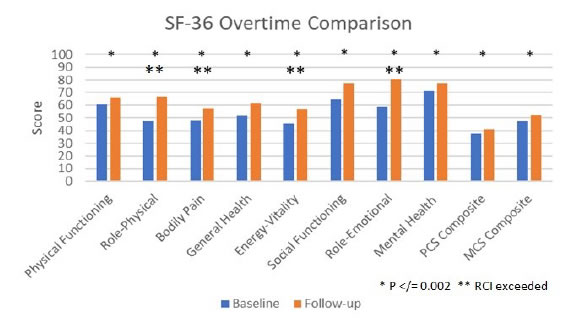
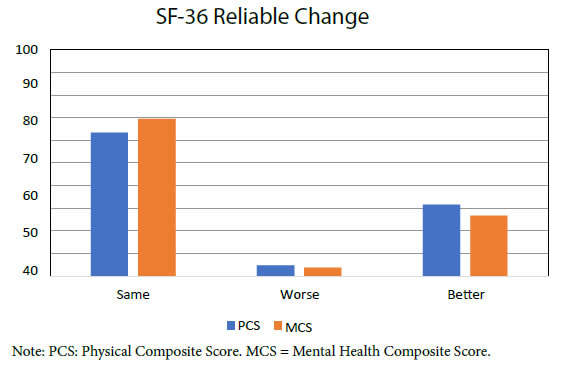
Population Mobility and Adaptive Human Behaviour as Disease Control Mechanisms

DOI: 10.31038/PSYJ.2020224


The control of emergent infectious diseases has historically been a complex problem posing challenges on many different fronts. The absence of a vaccine or treatment forces us to rely on non-pharmaceutical interventions i.e., social distancing and mobility restrictions. Most countries’ first response to the ongoing Covid-19 pandemic has been to implement travel restrictions and social distancing policies. However, previous outbreaks have shown that the efficiency of these control measures varies.

The problem of deciding when, where and how to implement such control measures has multiple dimensions. Their effectiveness may also be evaluated by different criteria, depending on the intended goal. The spatial-temporal scales at which these interventions are implemented, the socio-economic and age distribution of the affected population, and the connectivity of the population with neighboring regions are amongst the factors to consider when assessing their effectiveness.

Recently, extreme mobility restrictions (cordon sanitaires) have been imposed in two very different regions, with contrasting results. On one hand, the cordon sanitaire imposed during the 2014 West African Ebola outbreak, may have increased the rate of transmission within the cordoned region [1,2]. On the other hand, the cordon sanitaire implemented along with the social distancing measures in Wuhan, seems to have reduced the number of Covid-19 cases and delayed its spread within the city and China [3,4]. The effectiveness of these interventions was driven by the population-specific characteristics in which the control measures were imposed.

Mathematical models analyzing disease dynamics in regions comprising populations exhibiting dramatic disparities may help to disentangle the role of local characteristics on the efficiency of control measures. Specifically, the effectiveness of mobility restrictions within and between heterogeneous but locally connected communities has been measured in terms of the final number of infected individuals [5]. It has been shown that it is possible to find conditions under which mobility across community’s results in a reduced number of infected individuals compared to the isolation of communities through cordon sanitaria’s [6].

Classic mathematical models assume a single health authority controlling interactions between sub-populations. In this approach, the overall mixing structure is modified at the scale at which the health authority operates. However, an emerging class of models addresses the effect of decentralized interpersonal contact decisions on disease dynamics [7-9]. These models focus on the economics of contact decisions at the individual scale to analyze the feedback between the cost of disease, the risk of infection during an epidemic, and disease dynamics.

The key step in framing the lessons learned from these modeling approaches (operating at different scales) for public health policy model was captured, in broad sense, by Simon Levin in his address as the 2004 recipient of the Heineken award: “Understanding the links between individual behavior and societal consequences, and characterizing the networks of interaction and influence, create the potential to change the reward structures so that the social costs of individual actions are brought down to the level of individual payoffs”.

References

  1. Espinoza B, Moreno V, Bichara D, Castillo-Chavez C (2016) Assessing the efficiency of movement restriction as a control strategy of ebola. Mathematical and Statistical Modeling for Emerging and Re-emerging Infectious Diseases 123-145.
  2. Towers S, Patterson-Lomba, O, Castillo-Chavez C (2014) Temporal variations in  the effective reproduction number of the 2014 West Africa Ebola outbreak. PLoS Currents 18: 6. [crossref]
  3. Tian H, Liu Y, Li Y, Wu CH, Chen B, et al. (2020) An investigation of transmission control measures during the first 50 days of the COVID-19 epidemic in China. Science 368: 638-642.
  4. Lau H, Khosrawipour V, Kocbach P, Mikolajczyk A, Schubert J, et al. (2020) The positive impact of lockdown in Wuhan on containing the COVID-19 outbreak in China. Journal of Travel Medicine 27: 37. [crossref]
  5. Espinoza B, Moreno V, Bichara D, Castillo-Chavez C (2016) Assessing the efficiency of movement restriction as a control strategy of ebola. InMathematical and Statistical Modeling for Emerging and Re-emerging Infectious Diseases 123-145.
  6. Espinoza B, Castillo-Chavez C, Perrings C (2020) Mobility restrictions for the control of epidemics: When do they work?. PLoS One 15: 0235731. [crossref]
  7. Castillo-Chavez C, Bichara D, Morin BR (2016) Perspectives on the role of mobility, behavior, and time scales in the spread of diseases. Proceedings of the National Academy of Sciences 113: 14582-14588. [crossref]
  8. Perrings C, Castillo-Chavez C, Chowell G, Daszak P, Fenichel EP, et al. (2014) Merging economics and epidemiology to improve the prediction and management of infectious disease. EcoHealth 11: 464-475. [crossref]
  9. Fenichel EP, Castillo-Chavez C, Ceddia MG, Chowell, G, Parra PAG, et al. (2011) Adaptive human behavior in epidemiological models. Proceedings of the National Academy of Sciences 108: 6306-6311.

Survey on Entomopathogens from the Arasbaran Biosphere Reserve (Iran) with a Modified Bait Insect Technique

DOI: 10.31038/GEMS.2020221

Abstract

A survey on entomopathogens was carried out in Arasbaran Biosphere Reserve soils during June 2018 using Galleria mellonella L. (Lepidoptera, Pyralidae) larvae as bait insect with a modified bait insect technique. Three entomopathogen’s categories were recorded in 34 out of 36 soil samples (94.4%) collected from different natural habitat; the entomopathogens were identified as nematodes (23.5%), fungi (61%) and bacteria (15.5%) using molecular and morphological techniques.

Introduction

The Arasbaran Biosphere Reserve is situated in the north of Iran and belongs to the Caucasus Iranian Highlands. The area  covers high alpine meadows and semi-arid steppes with rangelands, forests, rivers and springs. In these biotopes a survey has been carried out during June 2018, on soil-inhabiting entomopathogens. Soil samples were collected with the aim to evaluate the occurrence especially of entomopathogenic nematodes, fungi and bacteria, as important  bioindicator  organisms  of  soil’s  natural  environments. Entomopathogenic nematodes (EPNs) of the genera Steinernema Travassos (Rhabditida, Steinernematidae) and Heterorhabditis Poinar (Rhabditida, Heterorhabditidae) are obligate and lethal parasites of insects [1]. Their non-feeding Infective Juveniles (IJs), usually soil dwelling, hold in their foregut symbiotic bacteria which play an important role in killing susceptible insects. The IJs enter through the insect’s mouth, spiracles, anus or through the integument in the case of Heterorhabditis, invade the haemocoel through the mid-gut wall and release bacteria which establish suitable conditions for nematode reproduction by proving nutrients and inhibiting the growth of other microorganisms [2]. The associated bacteria multiply rapidly causing septicemia and death of the host after 24-48 hours, during which time the nematodes feed on the bacteria and reproduce in the cadaver. Entomopathogenic fungi, mainly Hyphomycetes and Ascomycetes, were regularly found infecting insects in soil. The Hyphomycetes, Metarhizium anisopliae (Metch.) Sorokin, and Beauveria bassiana (Bals-Criv.) Vuill. are probably the more known species. These organisms usually attach the external body of insects by conidia. Under the right conditions of temperature and high humidity, these spores germinate, grow as hyphae and colonize the insect’s body. After some days the insect is usually killed (especially by fungal toxins), and new spores are formed in or on the insect, sporulation, ready to be spread in the environment. Entomopathogenic bacteria are the most commercially successful microbial insecticides. They enter the host through ingestion and produce toxins and other pathogenic factors that disrupt the midgut epithelium to allow access to the nutrient- rich haemocoel, where they proliferate causing septicemia and death of the host. The most successful microbial pesticide to date is Bacillus thuringiensis Berliner (Bacillales, Bacillaceae) (Bt), a Gram- positive soil-dwelling bacterium, which produce crystal proteins during sporulation having insecticidal action. Few is known about the occurrence and importance of these entomopathogens in soils in Arasbaran Region; same data are available for EPNs [3,4] and for EPB [5,6] while, no data are available as regards to the soil inhabiting entomopathogenic fungi. The present survey has been conducted with the aim to contribute to the entomopathogen’s biodiversity knowledge, with particular regard to entomophathogenic nematodes, fungi and bacteria, in Arasbaran Reserve soils.

Material and Methods

A total of 36 soil samples were collected over a period of 4 days during the second half of June 2018 in different biotopes of Arasbaran Biosphere, such as uncultivated soils, woodlands, river borders and grasslands. A hand shovel was used to collect approximately 2 Kg soil comprised each sample by pooling 3-4 sub samples taken at depths of 15-20 cm from an area of about 20 m2 [7]. The soil was transported in sterile polythene bags to the laboratory and prior baiting, water was added to give a content of 8-10% moisture and the samples were then stored at room temperature (~26°C). Final instar larvae of Galleria mellonella L. (Lepidoptera, Pyralidae) were used as bait insects to trap entomopathogens: for each soil sample a total of 8 Galleria larvae were released, 4 inside a long-handled tea infuser placed in the middle of the sample to attract the mobile entomopathogens (as the nematodes), and 4 released free on the top of each sample, to search for the static entomopathogens (as fungi conidia and bacteria spores) (Figure 1). The samples were kept at a room temperature and observations were done after 1 week to monitor the infected and dead larvae. The symptoms of cadavers after infection were recorded and used for diagnosis of EPNs, EPF or EPB induced infection. For the isolation of entomopathogenic nematodes dead larvae from each sample were placed in modified White traps [8] and kept at room temperature (~26°C). For the nematodes IJs were harvested and stored in distilled water at 8°C. These nematodes were used to infect fresh G. mellonella larvae and the progeny were used for identification and the establishment of cultures. Measurements were carried out on fresh specimens; the morphometric identification was based on infective juveniles and male morphology [1]. A molecular analysis followed for the EPN strains. For the isolation of entomopathogenic fungi and bacteria, infected wax moth larvae from each sample were surface sterilized by keeping them for 3 min. in 1% sodium hypochlorite and rinsing them in distilled water. After this, the larvae were incubated at 25°C in Petri dishes with moistened filter paper till the presence of pathogens could be assessed. For fungi, when sporulating structures appeared on the cadaver, attempts to isolate the fungus were made by transferring spores to potato dextrose agar in Petri dishes. For bacteria, infected hemolymph was cultured on specific media to isolate the bacteria colonies. For both, EPF and EPB, the inoculated Petri dishes were then checked every day and the tubes with pure cultures were sub-cultured in specific agar medium. Cultures were then stored at 8°C. For all the EPF and EPB entomopathogens the identification was made with a morphological analysis. For each sampling location, soil texture, time and type of vegetation were recorded (Table 1).

GEMS-2-1-404-g001

Figure 1. Soil sample with 8 Galleria larvae released, 4 inside a long-handled tea infuser and 4 released free on the top of each sample.

Table 1: Survey in Arasbaran Region (June 2018) – Sampling examination. For each sample habitat, soil texture and infection were recorded. Positive samples 34 of 36: EPN 8; EPF 26 (B: Beauveria, L: Lecanicillium, A: Aspergillus, F: Fusarium); EPB 5; Negative samples 2.

Sample

Habitat

soil texture

infection

Infected by

EPN

EPF

EPB

1

River border

Silty loam

+

*

*L

2

Corilus wood

Silty loam

+

*

3

Corilus wood

Silty loam

+

*L

4

Oak wood

Silty loam

+

*B

5

Wild meadow

Silty loam

+

*

*L

6

River border

Sandy loam

+

*B

7

River border

Sandy loam

+

*B

8

Oak wood

Silty loam

+

*

9

River border

Silty loam

+

*L*A

10

Wild meadow

Loamy clay

11

Wild meadow

Loamy clay

+

*B

12

Oak wood

loamy clay

+

*B

13

Wild meadow

Silty loam

+

*

14

Wild meadow

loamy caly

+

*

15

River border

Silty loam

+

*

16

Wild meadow

Silty loam

+

*B

17

Wild meadow

loamy caly

+

*B

18

Wild meadow

loamy clay

+

*B

19

Apple orchard

Silty loam

+

*L*A*F

20

River border

loamy clay

+

*

21

River border

loamy caly

+

*

22

River border

loamy sand

+

*L

23

Wild meadow

Silty loam

+

*

24

Wild meadow

loamy clay

+

*B

25

Oak wood

Silty loam

+

*B

26

Oak wood

Silty loam

+

*B

27

Oak wood

Silty loam

+

*B

28

Wild meadow

Silty loam

+

*

29

Wild meadow

Silty loam

+

*

30

Wild meadow

loamy clay

+

*B

31

Wild meadow

loamy caly

+

*B

32

Corilus wood

Silty loam

+

*

33

Wild meadow

Silty loam

+

*B

34

Oak wood

Silty loam

35

Urumy lake

Salty soil

+

*B

36

Urumy lake border

Salty beach

+

*B

Molecular Analysis

DNA extraction, PCR,  cloning  and  sequencing  were  performed  at IPSP laboratory, (Istituto per la Protezione Sostenibile delle Piante, Bari Italy), following the protocols described [9]. Individual nematodes were hand-picked, placed in 10 μl of lysis buffer (10 mM Tris-HCl, pH 8.8, 50mM KCl, 15 mM MgCl2, 0.1% Triton X100, 0.01% gelatin with 90 mg/ml proteinase K) on a glass slide and then cut into small pieces by using a sterilized syringe needle under a  dissecting  microscope. Each sample was incubated at 60°C for 1 hr and then at 95°C for  10 min. The crude DNA isolated from each individual nematode was directly amplified. The amplification of the ITS region was performed using the 18S forward primer (5’-TGATTACGTCCCTGCCTTT-3’) and the 26S reverse primer (5’-TTTCACTCGCCGTTACTAAGG-3’) [10],  D2-D3  expansion  segments  of  28S  rDNA  were  amplified using D2A (5’-ACAAGTACCGTGAGGGAAAGTTG-3’) and D3B (5’-TCGGAAGGAACCAGCTACTA-3’) (Nunn 1992), 18S rDNA using 18SnF (5’-TGGATAACTGTGGTAATTCTAGAGC-3’) and 18SnR (5’-TTACGACTTTTGCCCGGTTC-3’) primers [11]. PCR cycling conditions used for amplification were: an initial denaturation at 94°C for 5 min, followed by 35 cycles of denaturation at 94°C for 50s, annealing at 55°C for 50s and extension at 72°C for 1 min and a final step at 72°C for 7 min [9]. Following DNA amplification, 10 μl of PCR product was used for electrophoresis in 1X TBE buffer [12,13] in 1% agarose gel. A 100 bp ladder (Fermentas, St. Leon-Rot, Germany) was used as size marker. PCR products from individual nematodes were purified using the protocol listed by manufacturer (NucleoSpin Gel and PCR Clean-up, Machery Nagel, Germany ). Purified ITS, D2-D3 and 18S rRNA fragments were cloned in pGEM-T Easy Vector Systems (Promega, France) and sequenced at Eurofins genomics (Germany). ITS-RFLP analyses were performed  on 10 μl of PCR products from individual nematodes using five units of the following restriction enzymes: Dde I, Rsa I, Alu I, Hinf I (Promega, France). The restricted fragments were separated on a 2.5% agarose gel by electrophoresis. The gels were stained with gel red and visualized on a UV transilluminator and photographed with a digital system.

Results

Entomopathogens were recovered from 34 of 36 soil samples collected (94.4%): EPN strains were isolated in 8 sites and identify as Heterorhabditis bacteriophora Poinar. Strains of EPF were recovered from 26 soil samples (Table 1), Lecanicillium W. Gams & Zare came out from 6 soil samples (N. 1, 3, 5, 9, 19 and 22), Aspergillus Micheli from 2 soil samples (N. 9 and 19), Fusarium Link from N. 19 only and Beauveria Vuill. from 16 soil samples; strains of Bacillus thuringiensis (EPB) were isolated from 5 soil samples. In 4 samples more than one pathogen strain was recovered: from N.1 and N.5 H. bacteriophora and Lecanicilium sp., from N.9 Lecanicillium sp. and Aspergillus sp., and from N.19 three fungal strains Lecanicillium sp., Aspergillus sp. and Fusarium sp., with the first two isolated from the same larva. All the pathogen strains were recovered from different habitats and no correlation between the pathogen recovery and the characteristics of the sampling sites was observed, confirming the ubiquity of these entomopathogens.

Discussion and Conclusions

The presence and occurrence of entomopathogens is a key factor on the biological soil quality and these results represent a small contribution to the knowledge of the Arasbaran biodiversity also considering the methodology used for the pathogens isolations. The recovering of almost 95% of positive samples to infection was due to the combined used of baiting larvae for static and mobile entomopathogens; considering the ubiquity of these organisms, this modified baiting technique has maximized the possibility of insulation of entomopathogens from the soil.

Acknowledgment

The  research  was  carried  on  in  the  framework  of  “Della  Valle research  program”  between  the  Universities  of  Bari  “Aldo  Moro” (Italy) and Tabriz (Iran).

References

  1. Poinar GO Jr (1990) Taxonomy and biology of Steinernematidae and Heterorhabditidae. Entomopathogenic Nematodes in Biological Control. In: Gaugler R, Kaya HK (eds.) Boca Raton Fl, USA. CRC Press, pp: 23-61.
  2. Poinar GO Jr (1979) Nematodes for Biological Control of Insects. CRC Press, Boca Raton, Fl: 277.
  3. Nikdel M, Niknam G, Griffin C, Kary NE (2010) Diversity of entomopathogenic nematodes (Nematoda: Steinernematidae, Heterorhabditidae) from Arasbaran forests and rangelands in north-west Iran. Nematology 12: 767-773.
  4. Nikdel M, Niknam G, Ye W (2011) Steinernema arasbaranense sp.n. (Nematoda: Steinernematidae, a new entomopathogenic nematode from Arasbaran Forest, Iran. Nematol Medit 39: 17-28.
  5. Seifinejad A, Salehi Jouzani GR, Hosseinzadeh A, Abdmishani C (2008) Characterization of Lepidoptera-active cry and vip genes in Iranian Bacillus thuringiensis strain collection. Biological Control 44: 216-226.
  6. Salekjalali M, Barzegari A, Jafari B (2012) Isolation, Pcr Detection and Diversity of Native Bacillus thuringiensis Strains Collection Isolated from Diverse Arasbaran Natural Ecosystems. WorldApplied Sciences Journal 18: 1133-1138.
  7. Tarasco E, Clausi M, Rappazzo G, Panzavolta T, Curto G, et al. (2015) Biodiversity of entomopathogenic nematodes in Italy. Journal of Helminthology 89: 359-366. [crossref]
  8. White GF (1927) A method for obtaining infective nematode larvae from culture. Science 66: 302-303.
  9. De Luca F, Fanelli E, Di Vito M, Reyes A, De Giorgi C (2004) Comparison of the sequences of the D3 expansion of the 26S ribosomal genes reveals different degrees of heterogeneity in different populations and species of Pratylenchus from the Mediterranean region. European Journal of Plant Pathology 110: 949-957.
  10. Vrain TC, Wakarchuck DA, Levesque AC, Hamilton RI (1992) Intraspecific rDNA restriction fragment length polymorphism in the Xiphinema americanum group. Fundamental and Applied Nematology 15: 563-573.
  11. Kanzaki N, Futai K (2002) A PCR primer set for determination of phylogenetic relationships of Bursaphelenchus species within xylophilus group. Nematology 4: 35-41.
  12. Sambrook J, Fritschi EF, Maniatis T (1989) Molecular cloning: a laboratory manual (2ndedn), Cold Spring Harbor Lab Press, New York.
  13. Glare  TR,  Jurat-Fuentes  JL,  O’Callaghan  M  (2017)  Chapter  4:  Basic  and  Applied Research: Entomopathogenic Bacteria. Microbial control of Insect and mite pests. Academic Press, pp: 47-6.

A Cross-Cultural Adaptation of the Oxford Shoulder Score: The Arabic Version

DOI: 10.31038/IJOT.2020321

Abstract

Purpose: The Oxford Shoulder Score (OSS) is a widely used Patient-related Outcome tool used to assess patients with shoulder pain.The aim of this study was the translation and cultural adaptation of the Arabic version of the Oxford Shoulder Score as well as proving the reliability and validity of the score.

Methods: One hundred and fifty patients participated in this survey. The internal consistency tests were performed using Cronbach’s alpha. Test-retest reliability (intra-correlation coefficient), convergent construct validity, convergent validity, floor and ceiling effects and responsivenesswerealso calculated.

Results: Cronbach’s alpha coefficient was 0.95. The Intra-Class Correlation Coefficient (ICC) was 0.95. Regarding examining the validity of the Arabic version of OSS, there was a significant correlation between the Arabic OSS andthe previously published Arabic version of theDisabilities of the Arm, Shoulder and Hand Score (DASH Score) (p < 0.001).

Conclusion: Overall, Arabic version of OSS proved to be a good diagnostic tool for patients with shoulder pain.

Keywords

Oxford shoulder score;Shoulder pain;Reliability; Validation; Arabic

Abbreviations

OSS: Oxford Shoulder Score

ICC: Intra-Class Correlation Coefficient

DASH: Disabilities of the Arm, Shoulder and Hand Score

Introduction

Shoulder pain is a common problem, and a significant one at that. Its prevalence is estimated to be around 7% of the population, increasing to over 20% in people above 70 years of age [1-6]. Shoulder pain originates from peri-articular soft tissue disorders, mostly the rotator cuff [5,6]. Shoulder pain contributes to most visits to GPs, and even hospital specialists [7-10]. Surgery may be required by some patients, resulting in socio-economic implications due to morbidity and loss of productive hours [11].

It is very important that surgeons document the outcome from their practice for audit purposes; but then the major problem has been the lack of appropriate assessment records [12]. Many scoring methods have been developed over time to evaluate the outcome of orthopedic management of shoulder conditions. However, they are derived from radiological and clinical data and depend on the surgeon’s judgement [13,14]. It is becoming more apparent that most clinical assessments of major aspects of outcome are usually not reproducible and are inaccurate [15,16]. Also, there may be differences in the priorities and concerns of both the surgeon and his or her patient [17]. There is a need for methods which will elicit the perception of the patient’s outcome [18]. This has raised interests in patient-based assessments.

Studies have shown that patient reports can be valid, reliable, and sensitive to clinical change [19]. Evidence from research suggests that questionnaires issued to patients could be useful for clinical assessment in disorders of the shoulder [12]. In the event that a questionnaire is used, it should be practical, short, reliable, valid, and sensitive to clinical alterations and changes.The Oxford Shoulder Score (OSS)was first developed by Dawson et al. in 1996 [12]. The questionnaire is reported by patients, which includes 12 descriptors of pain and disability for shoulder ailments. The score of each descriptor ranges from 1 to 5, and the total score is calculated by adding the score of all 12 rated items from 12 (No pain) to 60 (highest level of Pain/Disability).

It encompasses general health questions, and questions specific to shoulder function and shoulder pain. The questions in the OSS are set in an easy context. Questions set are simple, and easily comprehended by patients; and so, patients do not need an explanatory instruction for independent usage. Although the Oxford shoulder score was initially used for prospective studies, a report by Wilson et al., suggested that it could as well be useful for retrospective application, for instance in acute trauma of the shoulder where it is not possible to take a prospective measurement [20]. A recent study of the range of Oxford Shoulder Score in the UK’s asymptomatic population showed that one of the major benefits of the study is the ability to gauge disease severity with respect to the index community’s normal population [21]. Another merit is the more accurate prediction of post-operative improvements.

Patient reported outcome scores have proven important in the medical field, providing informative and comparative subjective evidence that is quantified to help aid the medical practitioners when evaluating a patient’s health [7,22,23]. The difficulty of using such scores is due to the language restrictions of these scores as not all of them are provided for our regional language:Arabic. It would be beneficial to have the scores translated into Arabic to be used for patients who speak Arabic and do not extensively comprehend English. This will in turn enhance the ability for our physicians to better understand the population needs [23]. The Oxford Shoulder Score is very helpful in assessing patients with shoulder pain post-operatively [20,21,24].

The process of translating such scores and proving their effectiveness is lengthy yet extremely beneficial. They must follow specific guidelines ensuring linguistic integrity without the loss of the context [23].

The aim of this study was the translation and cultural adaptation of the Arabic version of the Oxford Shoulder Score as well as proving the reliability and validity of the score.

Methods and Materials

Patient Selection

One hundred and fifty patients participated in the survey.All were consecutive patients referred to the shoulder clinic between January to July 2019. The Protocol was approved by The Kuwaiti Ministry of Health Ethical Committee (2019/1068).We received the patient’s consent before filling the questionnaire.

Translation

Dawson et al. developed the original Oxford Shoulder Score in English, and had it translated based on the recommendations and guidelines in the literature [25-27]. Two bilingual orthopedic surgeons and one independent professional translator were involved in translation of the Arabic version. The authors held a coordination meeting which resulted in the production of a common version of the Arabic translation for the OES. Independent Arabic linguistics expert approved final draft. The questionnaire was distributed to a pilot of 11 patients to test the ease of language and understanding of the questions. No complaints were reported.

The Oxford Shoulder Score (OSS)

The OSS was first developed by Dawson et al. in 1996 [6]. The questionnaire was reported by patients and included 12 descriptors of pain and disability for shoulder ailments. The score of each descriptor ranges from 1 to 5, and the total score is calculated by adding the score of all 12 rated items from 12 (No pain) to 60 (highest level of Pain/Disability).

Disabilities of the Arm Shoulder and Hand (DASH)

The DASH Score consists of 30 items, which are reported by patients and designed to measure physical function and symptoms in patients with musculoskeletal disorders of the upper limbs [6]. The purpose of DASH Score is to describe the disability experienced by people with upper limb disorders and to monitor changes in symptoms and function over time following treatments [28]. It proved to be a reliable tool for physicians to investigate the joints in the upper extremity. The score of each item ranges from 1 to 5, and the total score is calculated by adding the score of all 30 rated items from 30 (No disability) to 150 (highest level of Disability).

To our current knowledge, the Arabic DASH (Alotaibi, 2010)score is the only relevant and available Arabic score. Therefore, it was used for testing the construct validity of the Arabic OSS.

Statistical Analysis

Internal Consistency

We evaluated the internal consistency by calculating the Cronbach’s alpha. The literature states that α > 0.70 is acceptable, while 0.95 should be the maximum to avoid redundancy [29]. Content validity was measured by examining the shape of data distribution, as well as floor and ceiling effects. Floor effect is the percentage of patients who scored the lowest possible score (score of 30), and ceiling effect is the percentage of those with the highest score (score of 150). If more than 30% of the respondents had a floor or ceiling effect, the effects would be considered to be relevant.

Reliability

In order to estimate the reliability of the questionnaire,Cronbach’s alpha was calculated. Since every patient completed the survey on two different occasions. The patients were asked to take the questionnaire a second time after 15 days from the initial test. To test the interobserver reliability, theCronbach’s alpha was calculated for each of the three test situations. Also, ICC (interclass correlation coefficient) was used to assess test-retest reliability.

Construct Validity

Spearman’s correlation coefficient between the OSS and DASH Score was calculated to test convergent validity of the OSS. Since the DASH Score has already been validated in Arabic speaking countries, higher correlation coefficient would prove convergent validity of the OSS.

Results

There have been 150 patients who have completed the OSS and DASH Outcome Score questionnaire and agreed to have their data analysed for research purposes. Average age of the participants is 46.2 years, with standard deviation of 14.6 years, which means that the majority of the sample is between 30 and 60 years of age. The youngest participant was 15, and the oldest was 74 years of age. It took an average of 4 minutes to complete the Arabic version of the OSS. For the purpose of a standardized score among OSS and DASH, all scores are rescaled to fall within the range between 30 and 150.

For all the items, in all the test periods, floor effect was 5% or less. On the other hand, no ceiling effect was recorded for any of items. Shapiro-Wilk test was used to check if the data in Arabic OSS significantly deviates from the normal distribution, which was not the case (0.801, p = 0.075).A p-value greater than 0.05 indicates that the data is normally distributed.

Reliability

Internal consistency was very high with overall Cronbach’s alpha value of 0.95. All items seemed to have strong correlations with the total score (r > 0.80). For the purpose of the test-retest reliability, the participants completed the OSS twice.The time between the test and re-test was 2 weeks and no significant difference was observed between the first and second assessment (p = 0.110). The value of ICC was ranged from 0.8 to 0.93 (Table 1). According to the previously published paper by Koo et al. values less than 0.5, between 0.5 and 0.75, between 0.75 and 0.9, and greater than 0.90 are indicative of poor, moderate, good, and excellent reliability, respectively (Koo et al. 2016). Thus, this indicates an excellent reliability.

Table 1: Internal consistency of Arabic OSS.

Item of OSS Score

Mean Score

SD

Item-Total Score Correlation*

Cronbach’sAlpha

1

2.21

0.91

0.85

0.96

2

2.51

0.84

0.82

0.95

3

3.01

0.76

0.90

0.93

4

3.06

0.77

0.85

0.97

5

2.68

0.90

0.84

0.97

6

2.71

1.12

0.86

0.94

7

2.45

0.65

0.90

0.95

8

2.01

1.20

0.80

0.96

9

2.09

0.87

0.93

0.92

10

2.74

0.88

0.89

0.93

11

2.21

0.84

0.88

0.95

12

2.38

1.12

0.82

0.96

*All ICC values are significant at 0.001 level.

Construct Validity

The Arabic OSS proved to be significantly correlated with the DASH Score, as was hypothesized in this study. The value of correlation between the OSS and the DASH Score was r = 0.92, which indicates a very high correlation and agreement between the two questionnaires.

Discussion

Dawson et al. presented the OSS as a disease-specific questionnaire designed for the patient for the evaluation of degenerative and inflammatory disorders of the shoulder way back in 1996 [12]. Since then, it has become a tool of choice in clinical assessments involving both operative and conservative treatments. The score has been validated in many cultures and languages, such as German, French, Dutch, Korean, and Italian [30-35]. The major finding of this study was that the Arabic version of OSS proved to be a reliable tool for assessment of patients with shoulder pain.

In this paper, we have outlined the step-by-step process of cross-cultural adaptation of the Oxford Shoulder Score in the Arabic language, and also given proof of its validity and reliability in patients suffering from shoulder disability and pain.

Shoulder pain accounts for 7-25% of the general population [36]. A 2005 study by Al-Awadhi et al. investigating the incidence of musculoskeletal pain in Kuwaiti adults found out that over 6.6% of the adult population were vulnerable [37]. Therefore, joint replacement, arthroscopic sport medicine shoulder surgery, and modern shoulder surgery has attracted the attention of orthopedic surgeons within the last two decades. Also, the current trend towards international meta-analysis and multicenter studies has resulted in an increased need for more standard clinical measures [38]. In the aspect of shoulder medicine and surgery, clinical instruments have been reported to be very responsive, comprehensive, reliable, and reproducible [39-41].

Reports suggest that various static measurements examine the reliability and agreement of the questionnaires. In our study, we had a Cronbach’s alpha coefficient of 0.95, with the Interclass Coefficients (ICC) ranging from 0.8 to 0.93. These values are similar to those of Slovene, German, Persian, Brazilian, and Thai versions (ICC = 0.84-0.95) [41-43]. This indicates an excellent value for the Arabic Oxford shoulder score to show reliability, thus confirming a high internal consistency for the Arabic OSS. As for the construct validity of the English OSS compared with the English DASH score, the Spearman’s correlation was 0.79 [16]. However, with the same comparison applied to the same scores in Arabic, a slightly higher correlation result of 0.92 was yielded from the analysis.

Conclusion

In conclusion, the translation of the OSS to Arabic was successful and confirmed to have good validity, reliability, and responsiveness. It can be used for assessment of the functioning/recovery status of Arabic patients with symptomatic shoulder malfunctions in treatments or clinical studies, assisting clinicians, or researchers to collect necessary data.

Acknowledgement

We are grateful to the authors of the original OSS. Their guidance through every stage of this research is deeply appreciated.

Conflict of Interest

None.

References

  1. Alotaibi NM (2010) Cross-cultural adaptation process and pilot testing of the Arabic version of the Disability of the Arm, Shoulder and Hand (DASH-Arabic). Hand Therapy 15: 80-86.
  2. Chakravarty KK, Webley M (1990) Disorders of the shoulder: An often unrecognised cause of disability in elderly people. BMJ 300: 848-849. [crossref]
  3. Chard MD, Hazleman R, King RH, Reiss BB (1991) Shoulder disorders in the elderly: a community survey. Arthritis Rheum 34: 766-769. [crossref]
  4. Badley EM, Tennant A (1992) Changing profile of joint disorders with age: Findings from a postal survey of the population of Calderdale, West Yorkshire, United Kingdom. Ann Rheum Dis 51: 366-371. [crossref]
  5. Van Schaardenburg D, Van den Brande KJ, Ligthart GJ, Breedveld FC, Hazes JMW (1994) Musculoskeletal disorders and disability in persons aged 85 and over: a community survey. AnnRheum Dis 53: 807-811. [crossref]
  6. Dawson J, Fitzpatrick R, Carr A (1996) Questionnaire on the perceptions of patients about shoulder surgery. J Bone Joint Surg Br 78: 593-600. [crossref]
  7. McCormick A, Fleming D, Charlton J (1995) Morbidity statistics from general practice. 4th National Study 1991-1992. London: HMSO; Office of Population Censuses and Surveys, Series MB5 No 3.
  8. Croft P (1998) Measuring up to shoulder pain. AnnRheum Dis 57: 650-66. [crossref]
  9. Bamji AN, Dieppe PA, Haslock DI, Shipley ME (1990) What do rheumatologists do? A pilot audit study. Br J Rheumatol 29: 295-298.
  10. Croft P, Pope D, Zonca M, O’Neill T, Silman A (1994) Measurement of shoulder related disability: results of a validation study. AnnRheum Dis 53: 525-528. [crossref]
  11. Ekberg K, Bjorkqvist B, Malm P, Bjerre-Kiely B, Axelson O (1994) Controlled two- year follow up of rehabilitation for disorders in the neck and shoulders. Occup Environ Med 51: 833-838. [crossref]
  12. Dawson J, Hill G, Fitzpatrick R, Carr A (2001) The benefits of using patient-based methods of assessment. Medium-term results of an observational study of shoulder surgery. J Bone Joint Surg Br 83: 877-882. [crossref]
  13. Koo, TK, Li MY (2016) A Guideline of selecting and reporting intraclass correlation coefficients for reliability research. Journal of Chiropractic Medicine 15: 155-163. [crossref]
  14. MacDonald DA (1993) The shoulder and elbow. In: Fairbank JC, Carr A, editors. Outcome Measures in Orthopaedics. Oxford: Butterworth Heinemann. pp. 144-173.
  15. Drake BG, Callaham CM, Dittus RS, Wright JG (1994) Global rating systems used in assessing knee arthroplasty outcomes. J Arthroplasty 9: 409-417.
  16. Conboy VB, Morris RW, Kiss J, Carr AJ (1996) An evaluation of the Constant-Murley shoulder assessment. J Bone Joint Surg Br 78: 229-232. [crossref]
  17. Wright JG, Rudicel S, Feinstein AR (1994) Ask patients what they want: Evaluation of individual complaints before total hip replacement. J Bone Joint Surg Br 76: 229-234. [crossref]
  18. Amadio PC (1993) Editorial. Outcomes measurement: More questions; same answers. J Bone Joint Surg Am 75: 1583-1584.
  19. Fitzpatrick R, Fletcher A, Gore S, Jones D, Spiegelhalter D, Cox D (1992) Quality of life measures in health care. I: Applications and issues in assessment. BMJ 305: 1074-1077. [crossref]
  20. Roy JS, MacDermid JC, Woodhouse LJ (2009) Measuring shoulder function: a systematic review of four questionnaires. Arthritis Rheum 61: 623-632. [crossref]
  21. Linsell L, Dawson J, Zondervan K, Rose P, Randall T, et al., (2006) Prevalence and incidence of adults consulting for shoulder conditions in UK primary care; patterns of diagnosis and referral. Rheumatology (Oxford) 45: 215-221. [crossref]
  22. Masnoon N, Shakib S, Kalisch-Ellett L, Caughey, GE (2018) Tools for Assessment of the Appropriateness of Prescribing and Association with Patient-Related Outcomes: A Systematic Review. Drugs & Aging 35: 43-60. [crossref]
  23. Byrne BM (2016) Adaptation of assessment scales in cross-national research: Issues, guidelines, and caveats. International Perspectives in Psychology: Research, Practice, Consultation 5: 51-65.
  24. Uhtoff HK, Sarkar K (1990) An algorithm for shoulder pain caused by soft tissue disorders. Clin Orthop 254: 121-127. [crossref]
  25. Guillemin F, Bombardier C, Beaton D (1993) Cross-cultural adaptation of health- related quality of life measures: Literature review and proposed guidelines. J Clin Epidemiol 46: 1417-1432. [crossref]
  26. Acquadro C, Jambon B, Ellis D, Marquis P (1996) Language and translation issues. In: Spilker B, editor. Quality of Life and Pharmacoeconomics in Clinical Trials. 575-585.
  27. Anderson RT, MacFarlane M, Naughton MJ, Shumaker SA (1996) Conceptual issues and considerations in cross-cultural validation of generic health-related quality of life instruments. 2nd (edn.). Philadelphia: Lippincott.
  28. Kennedy CA, Beaton DE, Smith P, VanEerd D, Tang K, et al., (2013) Measurement properties of the Quick DASH (disabilities of the arm, shoulder and hand) outcome measure and cross-cultural adaptations of the Quick DASH: a systematic review. Qual Life Res 22: 2509-2547. [crossref]
  29. Fayers PM, Machin D (2013) Quality of life: the assessment, analysis and interpretation of patient-reported outcomes. Manhattan: John Wiley & Sons.
  30. Huber W, Hofstaetter JG, Hanslik-Schnabel B, Posch M, Wurnig C (2004) The German version of the Oxford Shoulder Score–cross-cultural adaptation and validation. ArchOrthop Trauma Surg 124: 531-536. [crossref]
  31. Tuğay U, Tuğay N, Gelecek N, Özkan M (2011) Oxford Shoulder Score:cross-cultural adaptation and validation of the Turkish version. ArchOrthop Trauma Surg 131: 687- 694. [crossref]
  32. Murena L, Vulcano E, D’Angelo F, Monti M, Cherubino P (2010) Italian cross- cultural adaptation and validation of the Oxford Shoulder Score. J Shoulder Elbow Surg 19: 335-341. [crossref]
  33. Frich LH, Noergaard PM, Brorson S (2011) Validation of the Danish version of Oxford Shoulder Score. Dan Med Bull 58: 4335. [crossref]
  34. Jamnik H, Spevak MK (2008) Shoulder Pain Disability Index: Validation of Slovene version. Int J Rehabil Res 31: 337-341. [crossref]
  35. Ebrahimzadeh MH, Birjandinejad A, Golhasani F, Moradi A, Vahedi E, et al., (2015) Cross-cultural adaptation, validation, and reliability testing of the Shoulder Pain and Disability Index in the Persian population with shoulder problems. Int J Rehabil Res 38: 84-87. [crossref]
  36. Bjelle A (1989) Epidemiology of shoulder problems. Baillieres Clin Rheumatol 3: 437- 451.
  37. Al-Awadhi AM, Olusi SO, Al-Saeid K, Moussa M, Shehab D, et al., (2005) Incidence of musculoskeletal pain in adult Kuwaitis using the validated Arabic version of the WHO-ILAR COPCORD Core Questionnaire. AnnSaudi Med 25: 459-462. [crossref]
  38. Ekeberg OM, Bautz-Holter E, Tveitå EK, Keller A, Juel NG, Brox JI (2008) Agreement, reliability and validity in 3 shoulder questionnaires in patients with rotator cuff disease. BMC Musculoskelet Disord 9: 68. [crossref]
  39. Wilson J, Baker P, Rangan A (2009) Is retrospective application of the Oxford Shoulder Score valid? J Shoulder Elbow Surg 18: 577-580. [crossref]
  40. Younis F, Sultan J, Dix S, Hughes PJ (2011) The range of the Oxford Shoulder Score in the asymptomatic population: a marker for post-operative improvement. AnnR Coll Surg Engl 93: 629-633. [crossref]
  41. Martins J, Napoles BV, Hoffman CB, Oliveira A (2010) The Brazilian version of Shoulder Pain and Disability Index: translation, cultural adaptation and reliability. Rev Bras Fisioter 14: 527-536. [crossref]
  42. Phongamwong C, Choosakde A (2015) Reliability and validity of the Thai version of the Shoulder Pain and Disability Index (Thai SPADI). Health Qual Life Outcomes 13: 136. [croosref]
  43. Roach KE, Budiman-Mak E, Songsiridej N (1991) Development of a shoulder pain and disability index. Arthritis Care Res 4:143-149. [crossref]

Autism is Physiological, Nonautism is Pathological Biologically Speaking

DOI: 10.31038/PSYJ.2020223

Abstract

A brief functional and historical analysis is offered of the question, what is the physiological difference between human beings and other animals? All animals are autistic, even those equipped with a much higher intelligence than the human one is, like whales, for example. So the non-autism of most human beings is what needs explanation.

Nonautism is the consequence of a misunderstanding – a creative misunderstanding, that is. It consists in the suddenly conceived suspicion that the other was trying to make you happy – an absurd idea.While it is true that brood-caring animals get rewarded by signs of being satisfied emitted by the young, as a confirmation of their own brood-rearing efforts being momentarily successful, this reward is purely one-directional. There is no reason conceivable why the offspring ought to be rewarded by the adults being successful in anything (like feeding them). It is always only the effect that counts in biology. Survival is the currency, nothing else.

But in humans, the young are being rewarded by the displayed joy of adults? Exactly this is the case. Humans are a pathological species in this respect. Actually, such a functional “wiring” can be proved to be pathological in evolution – that is, to be subject to predictable fast evolutionary elimination, should it have arisen once.How, then, could this pathological type of wiring actually arise in evolution, as it did with the human species? The answer is: By accident. It is a very specific accident at stake here that can be pinpointed.

It is the phenomenological overlap between the innate (wired-in) expressions of bonding on the one hand and the expression of well-being and friskiness on the other.In many animals, this expression of friskiness and happiness and enthusiasm, if shown by the young, has a rewarding effect on the adults, for it signals that their attempts at successful brood-rearing are on the right track. It is sweet to watch this rewardability channel in action. Many predatorial animals are socially wired in this way among each other.

But this is not our question here. How come that the young are rewarded by the playful friskiness of the adults in some species? The “playing mode” has this very structure in many social animals. Play occurs when more “serious” needs are satisfied and the partners can invest energy in silly, that is not survival relevant activities, as a means to tighten their social bonds. Play makes peace and friendship. But our context is non-autism. How could it arise in one species so far? What arose here is very easy to see: Mutual rewardability by the expression of playfulness on the other side. By the playful mode.Homo ludens. All social animals are wired like this in play.

But there is a risk involved here: The suspicion of benevolence encountered arising on one side. For play is highly rewarding. Can there for this reason arise a “serious” component?. This is what has occurred in the human species. It happens in play as in the other high-performance social animals, but not only in play. “Homo ludens” (humans are players) even when not playing? The positive feedback that arises in play can indeed be maintained so as to enter all other social activities. The smile-laughter is the play mode. Wolves can enter the same mutually inspired frenzy. They are very much like human beings even though the expressions are not so much shown on the face as with the tail.

So what is the functional difference? That wolves are not mirror competent is the answer. So the “suspicion of benevolence encountered” cannot arise in the wolf. But it can and does – in the human wolf. The “werwolf” sagas show how irritated humans are by the close emotional similarity of the wolf.There are other highly social animals like dolphins and whales and also some octopuses and giant creatures from the depth. And don’t forget the elephants. Are we humans not wired socially in much the same manner, even if being somewhat less intelligent? There is one difference functionally speaking, however.

What is it? The smile of happiness, the expression of happiness, is at the same time the smile of bonding. It is the same expression.But is this not the same thing with the wolf? Yes, it is. And presumably so with the African wild dog, Lycaonpictus, as well?And maybe with some sepiae yet to be investigated.

Now I have left you in the dark long enough about what we are headed for: The positive feedback of the smile acting symmetrically. Not only when bonding, but also when merely playfully happy. Or just happy. The consequence is the sudden invention of the suspicion of one’s encountering benevolence.It is absolutely nonsensical, right? There is nothing but hard-wired couplings here. There is no room for such humanistic notions like “benevolence.” But actually, this transgression is exactly what is happening and taking place here between us.

It could happen also between orcas. Or between an orca and a human.Or between Kanzi and his wonderful trainer. Not because but in spite of the silly machine inserted in between them. Big revolutionary progress sometimes takes unnecessary roundabout ways. We will be able to ask Kanzi. He will understand the question and tell us.Come on: It can’t possibly be that simple! But it is. We walked together through a nice little wood of well-defined observational biological notions above and do now suddenly see ourselves in a mirror. Yes, the question posed at the outset – the onset of the suspicion of encountering benevolence – is really being raised here.

Will the reader tolerate having been pulled into this nightmare of a daydream: Of a functional understanding of what benevolence and love is? On a level infinitely more powerful than the other social domain of sex is, for example?The reader may feel that we will have to come back to this fascinating topic together again? Take care.