Archives

Accreditation in hospitals: Should we implement the same standards in different types of hospitals? The case of a mental health hospital

DOI: 10.31038/ASMHS.2018232

Abstract

In the era of implementing quality standards as a mandatory process toward licensing, we raise the issue of implementing a generic standards for hospitals, or organizations, in general. Should we set different standards for different types of hospitals that implement to standards? This case study explores the specific issues that raise the dilemma. Regarding the fact that this hospital is the first mental health hospital in Israel to adopt the quality standards, it is crucial to understand the issue of adjusting the solutions for quality care.

Keywords

Accreditation, Quality service, Hospital types

Introduction

In the current era of globalization and the rapid changes that come with it, most governments are trying to improve management efficiency processes and performance [1, 2]. Since the 1980s, public reform has expanded around the world, in particular as a result of public pressure to improve services in exchange for the tax burden imposed on citizens [2, 3].

As we know, over the past several decades, Israel’s governments have adopted various reforms; the main one being privatized [4], which has led to competition in all areas of life, including healthcare services [5]. Healthcare organizations in Israel now face challenges such as reducing resources, narrowing the budget share, balancing the load in hospitals and improving quality of service. In light of this, the question of “how to provide quality care?” has been raised. In the next section, we will present the latest healthcare system reform in general and specifically in hospitals, in particular to Accreditation standards and the benefit to quality services [6].

Accreditation is a structured process of recognizing and promoting performance and adherence to standards either received from an authorized body or those that are newly developed, including updated existing standards. It is a system of organizational improvement centered on a certifying agency (or accrediting body) that assesses performance against pre-determined standards [7, 8].

Accreditation services in hospitals began around 1910 in the USA. The Association of American Surgeons has been promoting quality standards to increase safety and safety awareness in more than 16, 000 healthcare facilities in the USA. The organization has an international arm known as “Joint Commission International(JCI), which currently operates in countries around the world and throughout Europe, South Africa, the Far East and Middle East [9].

Research shows that healthcare organizations benefit from increased quality service through the implementation of accreditation standards. The benefit of accreditation includes: patient safety and reduced clinical risk and others [10, 11], promotion of quality improvement activities, Implementation of processes that promote improvement, effective management [12], increased organizational learning [13, 14], improved organizational reputation [8, 15], improve organizational communication and cooperation between the staff and the community [10, 12, 13], and reduction in the cost of claims [16]. Studies shows that there is a correlation between clinical performances, safety and patient outcomes, and the implementation of accreditation [17].

At the national level, the agency responsible for carrying out quality improvement is the Ministry of Health’s Quality Assurance Department. They are tasked with overseeing quality assurance standards that meet national and accreditation-like system operations [6]. Due to the advantages of working in accordance with international standards for improving the quality and safety of care, the Health Ministry Director General decided at 2012 that hospital accreditation is a prerequisite for a licensing of all the general hospitals in Israel. For other hospitals (such as mental health hospitals) it is not mandatory. The JCI organization and their standards were selected by Israel’s Ministry of Health to be the competent authority for accreditation.

Case study

Accreditation standards exist for different types of health organizations such as hospitals, medical laboratories, home health care, nursing services, ambulatory services, medical transportation, etc. [18]. At the same time, we are not aware of specific standards for psychiatric hospitals. The Sha’ar Menashe Mental Health Center is the first psychiatric hospital in the world, to the best of our knowledge, to adopt the accreditation standard for all its departments.

The purpose of this article is to examine the decision of Sha’ar Menashe Hospital to fully implement the accreditation standard. It should be noted that the standard is adapted to general hospitals on the basis of their characteristics, which differ significantly from psychiatric hospitals. For example, in a general hospital, a patient is usually in need of treatment for a short period of time, several days to weeks. On the other hand, in a psychiatric hospital, a patient can stay in for treatment for a long period of time, which could last for months or even years. Treatment characteristics and the nature of patients are different and there is a long-standing acquaintance with patients in psychiatric hospitals [19].

The different characteristics of the types of organizations in addition to long-term acquaintance with the patient necessitate a different managerial approach [19]. In light of the above, we would like to examine whether the decision to adopt a standard intended for general hospitals in psychiatric hospitals is a correct decision and was it necessary to make adjustments before implementing the standard?

Regarding the attempt to implement the necessary standards of the JCI, Shaar Menashe mental health hospital’s managers have built a framework of standardization. The hospital had good work processes till that time, but the willing to adopt the new standards led to build the processes in the proper time constraints of the JCI. Most of the issues focused on schedule, oriented to the patient secure, such as: 5 day program for new patient, patient’ identification, mammography, patients’ discharge, summery of detailed disease within two weeks of discharge, ensuring continuity of treatment after release in the community for further treatment in the community.

After a process of more than a year in an attempt to meet the requirements of the accreditation standard at the Shaar Menashe Hospital and following the learning process, we have decided to present in this article as a case study the case of securing the patient through proper identification. In light of the general hospitals, clinical risks such as misidentification of patients that led to the wrong treatment, one of the major JCI standards is the proper patient identification clinical risk events. In order to reach the standard of this issue, the general hospital’s quality assurance solve the identification problem by adopting the process of attaching an identification handcuff on the patient’s hand. In an era in which we are required to use a variety of means to identify citizens (such as identification by means of a biometric ID), it is logical that this requirement will be a core requirement of an organization such as a hospital relative to its patients. It is known that in general hospitals, where there is a very high turnover rate of patients and attendants, and in order to prevent mistakes and unusual events (such as incorrect treatment of the patient), it is very important to attach an identification handcuff to the patient. On the other hand, in psychiatric hospitals where there are patients who stay for a long period of time and with minimum attendant’s turnover, the question arises whether there is a need to attach a handcuff or is there an alternative solution that can be used. It is important to note that examination of this requirement of the standard is not arbitrary. In fact, from the moment the decision was made at the Shaar Menashe Hospital, the therapists were forced to deal daily with patients who teared the handcuffs from their hands, wasting time on attaching a new handcuff to the patient’s hand and the economic costs incurred by the hospital in light of the widespread phenomenon. Every day, therapists face the challenge of spending precious time in preparing a patient plan, departmental activities for the patient, and more. Nevertheless, this financial expenditure to the hospital was available and it was possible to invest these resources, in infrastructure or in any means to improve the conditions of hospitalization and the level of treatment that patients receive. It seems that the same demands for organizations with different characteristics, even though they are in the same field, are an issue that needs to be considered. In other words, it is necessary to examine whether it was correct to create adjustments based on the characteristics of the organization.

Conclusions and Recommendations

A mental health hospital has to deal with unique issues which differ from the general hospital ones. For instance, one of the major issues of patients’ safety is seaside prevent. Yet, the need to meet the JCI standards under the health ministry regulations brought the quality assurance managers in the hospital to focus on those of the general hospital ones.

After examining this case and presenting the dilemma that arises from the requirement of the standard for attaching the patient’s handcuff identification, we bring the constant dilemma that arises when implementing generic standards – should the same standard be implemented in organizations with different characteristics? Organizational management standards are required for efficiency and organizational effectiveness, and mainly for managerial control. However, this issue should be examined in terms of organizational characteristics. In the present case, it could be more efficient, in our opinion, to examine the significance of the decision in light of the characteristics of the psychiatric hospital and to make adjustments. For example, we would recommend that the hospital, in the era of information technology, makes use of the digital medical record that each patient has and add the patient’s digital (or biometric) picture. Thus, at any time, the staff will be able to check the correlation between the patient in care and his record to which a picture was added. Even if we would assume that in most cases the staff is well acquainted with the patient, this implement provides a solution to situations in which there is no prior acquaintance. We can see that in many areas of our lives, we are required to meet the means of identification and today there are many technological means such as the biometric identification that could be adopted for this case. We must strive to introduce accreditation in managerial control, while adapting to the characteristics of unique organizations.

The health ministry encourages the hospitals to get the JCI accreditation (while in the general hospitals it is mandatory). Thus, it would be a benefit if the health ministry will present unique solutions for the mental health hospitals in a way that will help them to meet the JCI standards with solutions that meet their needs, while managing the resource utilization wisely, especially toward implementing the JCI standards in.

A quality care for the patients demands not only reaching the goal standards, but getting innovative solutions as well.

References

  1. Kettl DF (2005) The global public management revolution. 2nd (edn). Washington DC: The Brookings Institution, USA.
  2. Pollitt C, Bouckaert G (2004) Public management reform: a comparative analysis. Oxford: Oxford Press University, United Kingdom.
  3. Osborne D, Gaebler T (1992) Reinventing government. New York: Plume, USA.
  4. Galnoor I, Rosenbloom DH, Yaroni A (1998) Creating new public management reforms: lessons from Israel. Adm Soc 30: 393–420.
  5. Cohen N (2013) The self-provision of public healthcare services: a threat of democracy. J Politics Law 6: 128–133.
  6. Amit N, Livny N, Lev B (2006) The role of the ministry of health in quality promotion. In: Porat A, Rozen B (eds). Quality forum-quality promoting strategy. Jerusalem Smokler Center.
  7. Braithwaite J, Westbrook J, Johnston B, Clark S, Brandon M, et al. (2011) Strengthening organizational performance through accreditation research-a framework for twelve interrelated studies: the accredit project study protocol. BMC Res Notes 4: 390–398. [crossref]
  8. El-Jardali F, Jamal D, Dimassi H, Ammar W, Tchaghchaghian V (2008) The impact of hospital accreditation on quality of care: perception of Lebanese nurses. Int J Qual Health Care 20: 363–371. [crossref]
  9. Mahmoud-Salim F, Rahman MH (2017) The impact of joint commission international healthcare accreditation on infection control performance: a study in Dubai Hospital. Global Journal of Business & Social Review 5: 37–45.
  10. Simons R, Kasic S, Kirkpatric A, Vertesi L, Phang T, et al. (2002) Relative importance of designation and accreditation of trauma center during evolution of a regional trauma system. J Trauma 52: 827–834. [crossref]
  11. Griffith JR, Knutzen SR, Alexander JA (2002) Structural versus outcomes measures in hospitals: a comparison of Joint Commission and Medicare outcomes scores in hospitals. Qual Manag Health Care 10: 29–38. [crossref]
  12. Sutherland K, Leatherman,S (2006) Regulation and quality improvement: a review of the evidence. London: The Health Foundation, United Kingdom.
  13. Pomey MP, François P, Contandriopoulos AP, Tosh A, Bertrand D (2005) Paradoxes of French accreditation. Qual Saf Health Care 14: 51–55. [crossref]
  14. Touati N, Pomey MP (2009) Accreditation at a crossroads: are we on the right track? Health Policy 90: 156–165. [crossref]
  15. Bird SM, Cox D, Farewell VT, Goldstein H, Holt T, Smith P (2005) Performance indicators: good, bad and ugly. J R Stat Soc Ser A Stat Soc 168: 1–27.
  16. Lewis S (2009) Accreditation in health care and education: The promise, the performance, and lessons learned. Dubai: Access Consulting Ltd, UAE.
  17. Thornlow DK, Merwin E (2009) Managing to improve quality: The relationship between accreditation standards, safety practices, and patient outcomes. Health Care Manage Rev 34: 262–272. [crossref]
  18. Jovanovic B (2005) Hospital accreditation as method for assessing quality in healthcare. Arch Oncol 13: 156–157.
  19. Jones K, Sidebotham R (2013) Mental hospital at work. London: Routledge, United Kingdom.

Utility of Optical Density of Picrosirius Red Birefringence for Analysis of Cross-Linked Collagen in Remodeling of the Peripartum Cervix for Parturition

DOI: 10.31038/IGOJ.2018121

Abstract

We report on development of a rapid, quantitative analysis technique of collagen fibers in cross-linked structures to assess remodeling of the cervix during the transition from soft to ripening in preparation for birth. Optical density analysis of picrosirius red stain tissue using circular polarized birefringence light from fixed paraffin-embedded or frozen cervix from pregnant mice during phases of remodeling prior to birth. Data were analyzed using NIH Image J and extended recently to include studies of prepartum cervix in peripartum women. Our results, developed a rapid, consistent, technique to quantify cervical organization. This approach assesses the structure of collagen organization (the principle component of the cervix) and is essential for analysis of experimental outcomes that disrupt cervical morphology in rodent models of preterm birth. The technique, in this report has, for the first time permitted rapid, accurate assessment of the stages that define cervical ripening with large numbers of slides from individual animals. The approach integrates analysis of collagen organization, with distensability and inflammation, processes associated with cervical change before birth. This analysis further holds promise to evaluate other tissues, but also fibrolytic and fibrogenic changes in collagen associated with physiological or pathophysiological conditions.

Key words

pregnancy, remodeling, ripening, inflammation

Introduction

Identification of large protein using various stains have been used as early as the 17th century to label extracellular, cellular, and sub-cellular organ structures in tissue [1]. More recently, improved fixation and specificity of stains has allowed quantification of small cellular components and their structural organization. Collagens are the most abundant proteins in humans with type 1 the majority (98%) of the 28 identified types [2, 3], and common in all vertebrate species. The human cervix, composed predominately of collagen fibers, serves as a barrier to the vaginal biome and protects the developing contents of the uterus during pregnancy [4]. Junqueira’s group was the first to use picrosirius red stain to identify a reduction in collagen in cervix from intrapartum compared to nonpregnant women. Picrosirius red stains the principal forms of collagen in the cervix, mostly type 1, though type 3 is present to a lesser extent [5]. As Lattouf more recently concluded, picrosirius red stain is “simple, sensitive and specific for collagen staining….particularly useful to reveal the molecular order, organization and/or heterogeneity of collagen fiber orientation in different connective tissues” [6].

Evidence supporting this conclusion led our lab, well over a decade ago, to develop a protocol that uses birefringence of circular polarized light from picrosirius red stained cervix sections to study the progression of remodeling during the progression from phases of softening to ripening [7–11]. In multiple strains of mice and rats, and more recently in women at term and preterm delivery, this technique is reliable, consistent and essential to assess degradation of collagen organization during late term normal pregnancy or experimental manipulations.

Given the utility of picrosirius red stain with birefringence, physiological remodeling and inflammation-induced premature ripening of the cervix, the goal of this report was to document the current state of our method, which is likely to have broad value to accurately study collagen of other tissues and assess pathological or healing of fibrotic processes.

Methods

Cervix from pregnant mice were processed by immersion fixation in 4% paraformaldehyde, paraffin embedded, sectioned at 10 µm, heated at 60o C for 45 minutes using a slide warmer, then subjected to xylene incubations to remove paraffin, and rehydrated through a graded series of ethanol. Sections were counterstained with hematoxylin to identify cell nuclei (for cell counting), and washed in distilled water to remove background stain. These tissue processing procedures have been previously detailed [7]. Collagen in cervix sections was stained using a picrosirius red kit (Polysciences Kit #24901-500, Warrington, PA, USA). Following instructions, slides were first placed into Solution-A (a phosphomolybdic acid hydrate solution from the kit) for two minutes and then into Solution-B (Picrosirius Red-F3BA) for 60 minutes. Variations in incubation times of ±20 min were not found to improve staining. Slides were placed into Solution-C (0.01 N HCL) for 2 minutes, dehydrated through an ascending series of ethanol, and placed in xylene before coverslipped with Permount (Fisher Scientific, #SP15-100).

For analysis of collagen structural organization during phases of cervix remodeling, a Zeiss Axio Imager A1 microscope with circular polarized light filters was used to evaluate sections at 250x. In early development of this technique an additional microscope (Nikon Optiphot, with Plan apochromat objectives and Nomarski optics) was similarly validated for this method. In both cases, a Spot Pursuit 4MP digital camera was used for micrographs (Diagnostic Instruments, Sterling Heights, MI). In dim room illumination, initial regions of interest were visually identified. A representative sample of 4–6 grey scale photomicrographs were taken from 2 sections/mouse (8–12 total). A similar process was used for human tissue. Care was taken to avoid distorted morphology, including blood vessels, epithelial lumen, and section artifacts, i.e. tissue folds or tears. To ensure consistency in analysis across sections, as well as individuals and groups, microscope properties (field aperture, condenser, light intensity) were optimized and unchanged across viewing each study session. Cells counts were verified using two to three independent observers.

For image analyses, grey scale photomicrographs were filed into a date-labeled folder and batch processed to evaluate optical density using Image J software (NIH, Bethesda, MD; macro plug-in attached in Appendix). At the outset, a global calibration macro was set with the first photomicrograph. The macro first digitized the photomicrograph into an 8-bit grayscale image (Figure. 1B). The program automatically and without bias centered a 9-square box cross region for analysis. An average optical density (OD) was calculated with Rodbard transformation (performed by the program) for each of the 9 boxed regions together with total OD then exported as an output file to a Excel worksheet for statistical analyses. Data were analyzed by ANOVA (p<0.05 level of significance) with Tukey’s post-hoc analysis following Levene’s test (GraphPad Prism Software, Inc., La Jolla, CA).

Results and Conclusions

In the cervix from a nonpregnant mouse, collagen fibers were observed as a dense, uniform fascicle, stained by picrosirius red collagen fibers (Figure. 1A). The birefringence values further quantified this initial impression with values indicative of aligned and organized cross-linked fibers and bundles/fascicles (i.e., low light transmission values) characteristic of an unremodeled cervix. In contrast, by day18 postbreeding (gestation term is 19 days, (Figure 1B), birefringence values were significantly altered, correlating with the presence of numerous gaps and disorganized, nonparallel collagen fibers. This morphology is characteristic of cervical ripening and consistent with early electron microscope studies [12, 13], as well as, consistent with ripening processes of hypertrophy, edema, and increased distensability of the cervix near term. Digitizing this image in grayscale combined with Rodbard transformation (performed by Image J), increased the sensitivity to discriminate the decline in picrosirius red-stained cross-linked collagen was enhanced (Figure 1C).

The utility of picrosirius red stain to understand structural remodeling of the cervix prior to parturition is illustrated by studies of two genetically modified (knockout, KO) mouse models (Figure 2). In mice lacking the progesterone receptor B isoform, picrosirius red stain identified reduced extracellular cross-linked collagen in a temporal pattern that was similar as ripening found in wild type controls before term [14]. Moreover, in a second modified strain of mice lacking the prostaglandin F2 α receptor, pregnancy progressed while collagen structure was reduced similar to wild-type pregnant controls, however, neither labor nor term birth occurred in these animals [11]. The softening and ripening phases of cervix remodelling occurred in similar phases for both knockout models. Moreover, the use of our picrosirius red protocol critically distinguished, for the first time, the phases of cervical ripening from labor to birth in genetic modified animals in which progesterone mechanisms, thought to be essential for normal delivery, were deleted. In both models, the ability to assess cervical phases and collagen organization in processes thought as essential for normal inflammatory processes for parturition, were rapidly, quantitatively, easily, and determined.

These findings demonstrate the value of a rapid and replicable technique in which assessment of picrosirius red birefringence light can benefit analysis of critical biological questions about cross-linked collagen organization in tissue undergoing physiological change. Although used in the cervix, this technique has potential applications in other tissues or pathologies where fiber organization is disrupted. For example, this analysis may be useful to track the progression of fibrotic diseases of lung, kidney, or liver, as well as, to quantify therapeutic interventions of relevance for diverse pathologies including atherosclerosis, tumor growth, and metastatic processes, e.g. cardiovascular, scleroderma [7, 15]. Additionally, the use of transmitted light to determine collagen organization has been usefully employed in a variety of tissues, including human optic nerve [16], biological cells [17], and human skin [18].

Beyond tissue histology or biology, industrial applications would similarly benefit from a rapid assessment of other fibrous structures such as fabrics including Kevlar [19, 20], colloidal organization in liquid suspensions where knowledge of density, quantitative measurement, or dispersion properties are required.

Although useful in many biological situations, limitations of the use of picrosirius red stain to quantify collagen include its use in aqueous permeable fixed material and relatively thick (~10um) sections [20, 21]. Additionally, oral mucous and oral cavity fibrosis [22, 23], luminal crypts [21], or understandably, nonhomogeneous tissues with differing sub-layers encountered within the same region are problematic for analysis with this technique.

Microsoft PowerPoint - _Kirby et al PSRms Figures.pptx

Figure 1A. Illustrative photomicrographs of Picrosirius Red stained, 10µm thick paraffin sections from the cervix of a non-pregnant (NP) and a day18 (d18) pregnant mouse cervix. Term gestation is 19–20 days. Note the ability to visualize individual collagen fibers and fascicles in both sections at this relatively low magnification (250X, using a 20 power objective). The NP section is substantially darker reflecting the denser collagen fiber organization and corresponding reduced light transmission of cross-polarized light through the tissue. In contrast, at d18, as term gestation approaches, the collagen fiber organization is less dense and less organized. Individual fascicles have increased spacing, allowing greater light transmission through the tissue. Within Individual fascicles there is less organization and numerous irregularities as denoted by the overall lighter appearance (increased transmitted light and increased disorganization of individual fibers. Scale bar=50µm.

Figure 1 B and C. Photomicrographs of from nonpregnant (NP) and late term (d18) cervix from wild-type (WT) and progesterone receptor B knockout mice (PRBko). White areas illustrate birefringent illumination and more easily depicts differences in collagen organization. Fibers from non-pregnant animals have more linear structure, in contrast to late term D18 fibers which are dispersed and lack defined structure. Scale bar is 50µm for the two color images and 50µm for all grey scale images and is the same for all grey scale images.

IGOJ 2018-107 - Mike Kirby USA-F2

Figure 2. Histograms obtained from photomicrographs of Figure 1 A and B. Cervix optical density histograms (mean±SEM) from pregnant Prostaglandin Receptor 2 knockout (Ptgfr-/-) and PRB -/-) mice following picrosirius red processing (see methods). Optical density values denote an inverse relationship to collagen structure and organization. The more structured a tissue, the lower optical density values for that tissue. All statistical comparisons were performed using analysis of variance (ANOVA) with Tukey’s post-hoc analysis. “a” equals comparison to non-pregnant, “b” denotes comparison to D15. [11, 14]

In summary, the technique we have developed combining picrosirius red stain and birefringence analysis using circular cross polarized light has evolved over several years into an easy, rapid and essential technique, for our continued analysis in experimental manipulations of the rodent, human, and potentially other non-human primate cervical tissue. This technique is essential for rapid, accurate analysis of several hundred sections we commonly employ for each cervix. Our experimental manipulations are pivotal for understanding cervical processes promoting normal term delivery in rodent experimental models with our ultimate goal to understand the central and sometimes subtle process in humans.

Acknowledgements

This work was supported, in part, by NIH grant # R01-HD054931 (SY), and grateful support from the Department of Pediatrics, School of Medicine, Loma Linda University, and the John Mace Pediatric Research fund (MAK). All animal work was performed in accordance with an approved animal care protocol of the Loma Linda University Animal Care and Use Committee (IACUC), #89002.

Competing Interests: All authors declare and affirm the lack of competing interests, finical or otherwise, in this manuscript.

Abbreviations

ANOVA – analysis of variance

CA – State of California

DIH2O – double distilled water

DXX – estimated day post-conception

Inc. – incorporated business

MI – State of Michigan

NP – nonpregnant

OD – optical density

PP – postpartum, day of delivery animal

PRB ko – Progesterone receptor, gene deleted animal

Ptgfr ko – prostaglandin-F2-genetic gene-deleted animal

ROI – region of interest

WT – wild type

250X – total optical magnification as viewed through microscope objective

References

  1. Bracegirdle B (1977) The History of Histology: A Brief Survey of Sources. History of Science 15: 77–101.
  2. Mescher AL, Junqueira LCU (2016) Junqueira’s basic histology: Text and atlas (Fourteenth edition.). New York: McGraw-Hill Education.
  3. Sabiston DC, Townsend CM (2012) Sabiston Textbook of Surgery: The Biological Basis of Modern Surgical Practice. Elsevier Saunders.
  4. Junqueira LC, Zugaib M, Montes GS, Toledo OM, Krisztan RM, Shigihara KM (1980) Morphologic and histochemical evidence for the occurrence of collagenolysis and for the role of neutrophilic polymorphonuclear leukocytes during cervical dilation. Am J Obstet Gynecol. 138: 273–81.
  5. Uldbjerg N, Ekman G, Malmstrom A, Olsson K, Ulmsten U (1983) Ripening of the human uterine cervix related to changes in collagen, glycosaminoglycans, and collagenolytic activity. Am J Obstet Gynecol 147: 662–6.
  6. Lattouf R, Younes R, Lutomski D, Naaman N, Godeau G, et al. (2014) Picrosirius red staining: a useful tool to appraise collagen networks in normal and pathological tissues. J Histochem Cytochem 62: 751–758. [crossref]
  7. Kirby MA, Heuerman AC, Custer M, et al. (2016) Progesterone Receptor-Mediated Actions Regulate Remodeling of the Cervix in Preparation for Preterm Parturition. Reprod Sci 23: 1473–83.
  8. Dubicke A, Ekman-Ordeberg G, Mazurek P, Miller L, Yellon SM (2016) Density of Stromal Cells and Macrophages Associated With Collagen Remodeling in the Human Cervix in Preterm and Term Birth. Reprod Sci 23: 595–603.
  9. Dobyns AE, Goyal R, Carpenter LG, Freeman TC, Longo LD, et al. (2015) Macrophage gene expression associated with remodeling of the prepartum rat cervix: microarray and pathway analyses. PLoS One 10: e0119782. [crossref]
  10. Yellon SM, Burns AE, See JL, Lechuga TJ, Kirby MA (2009) Progesterone withdrawal promotes remodeling processes in the nonpregnant mouse cervix. Biol Reprod 81: 1–6.
  11. Yellon SM, Ebner CA, Sugimoto Y (2008) Parturition and recruitment of macrophages in cervix of mice lacking the prostaglandin F receptor. Biol Reprod 78: 438–444. [crossref]
  12. Feltovich H, Ji H, Janowski JW, Delance NC, Moran CC, Chien EK (2005) Effects of selective and nonselective PGE2 receptor agonists on cervical tensile strength and collagen organization and microstructure in the pregnant rat at term. Am J Obstet Gynecol 192: 753–60.
  13. Clark K, Ji H, Feltovich H, Janowski J, Carroll C, Chien EK (2006) Mifepristone-induced cervical ripening: structural, biomechanical, and molecular events. Am J Obstet Gynecol. 194: 1391–8.
  14. Yellon SM, Oshiro BT, Chhaya TY, Lechuga TJ, Dias RM, et al. (2011) Remodeling of the cervix and parturition in mice lacking the progesterone receptor B isoform. Biol Reprod 85: 498–502. [crossref]
  15. Kirby LS, Kirby MA, Warren JW, Tran LT, Yellon SM (2005) Increased innervation and ripening of the prepartum murine cervix. J Soc Gynecol Investig 12: 578–585. [crossref]
  16. Cense B, Chen TC, Park BH, Pierce MC, de Boer JF (2002) Invivo depth-resolved birefringence measurements of the human retinal nerve fiber layer by polarization-sensitive optical coherence tomography. Optics letters 27: 1610–2.
  17. Mourant JR, Freyer JP, Hielscher AH, Eick AA, Shen D, Johnson TM (1998) Mechanisms of light scattering from biological cells relevant to noninvasive optical-tissue diagnostics. Applied optics. 37: 3586–93.
  18. Pierce MC, Strasswimmer J, Park BH, Cense B, de Boer JF (2004) Advances in optical coherence tomography imaging for dermatology. The Journal of investigative dermatology 123: 458–63.
  19. Penn L, Larsen F (1979) Physicochemical properties of kevlar 49 fiber. Journal of Applied Polymer Science 23: 59–73.
  20. Rich L, Whittaker P (2005) Collagen and Picrosirius Red Staining: A Polarized Light Assessment of Fibrillar Hue and Spatial Distribution Braz. J Morphol Sci 22: 97–104.
  21. Nazac A, Bancelin S, Teig B, et al. (2015) Optimization of Picrosirius red staining protocol to determine collagen fiber orientations in vaginal and uterine cervical tissues by Mueller polarized microscopy. Microscopy research and technique 78: 723–30.
  22. Marcos-Garces V, Harvat M, Molina Aguilar P, Ferrandez Izquierdo A, Ruiz-Sauri A (2017) Comparative measurement of collagen bundle orientation by Fourier analysis and semiquantitative evaluation: reliability and agreement in Masson’s trichrome, Picrosirius red and confocal microscopy techniques. J Microsc 267: 130–42.
  23. Kamath VV, Satelur K, Komali Y (2013) Biochemical markers in oral submucous fibrosis: A review and update. Dent Res J (Isfahan) 10: 576–584. [crossref]

The Leg Length Discrepancies: Clinical and Radiographic Criteria for Evaluation

DOI: 10.31038/IJOT.2018111

Summary

The heterometry of the lower limbs in the developmental age can influence the development of the rachis, generating axial deviations or not good adaptations in walking; in adulthood it can have an important role in low back pain. In general, a heterometry must always be compensated in the evolutionary age, in order to align the rachis-pelvis-lower limb system for an optimal mechanical equilibrium of the subject. The clinical iter that leads to highlight and quantify the heterometry of the lower limbs is based on a careful observation of clinical and radiographic features; from the integration of all the references comes a reliable value for the purpose of mechanical compensation.

Keywords

lower limbs, heterometry, clinical examination

Introduction

In the global kinesiological assessment of a child is necessary a preliminary identification of a possible heterometry of the lower limbs (h.l.l.), considering the anatomical-functional relationship that exists between the rachis and the lower limbs for balance and correct joint function. The iliac bones are correlated in synergy with the lower limbs, the sacrum with the vertebral column [1]. In the developmental age the lower limbs are frequently with length differences often underestimated or more frequently misunderstood, with disharmonic reflexes on the growth or rehabilitative programming of the small patient. The h.l.l., can be idiopathic in the absence of diseases that cause anatomical districts and articular alterations or secondary to congenital or acquired joint pathologies of the hip (Epiphysiolysis, Dysplasias, Osteochondrosis, etc.), of the knee (asymmetric axial deviations) and of the foot (outcomes of diseases congenital, asymmetric pronator syndromes, etc.) [2].

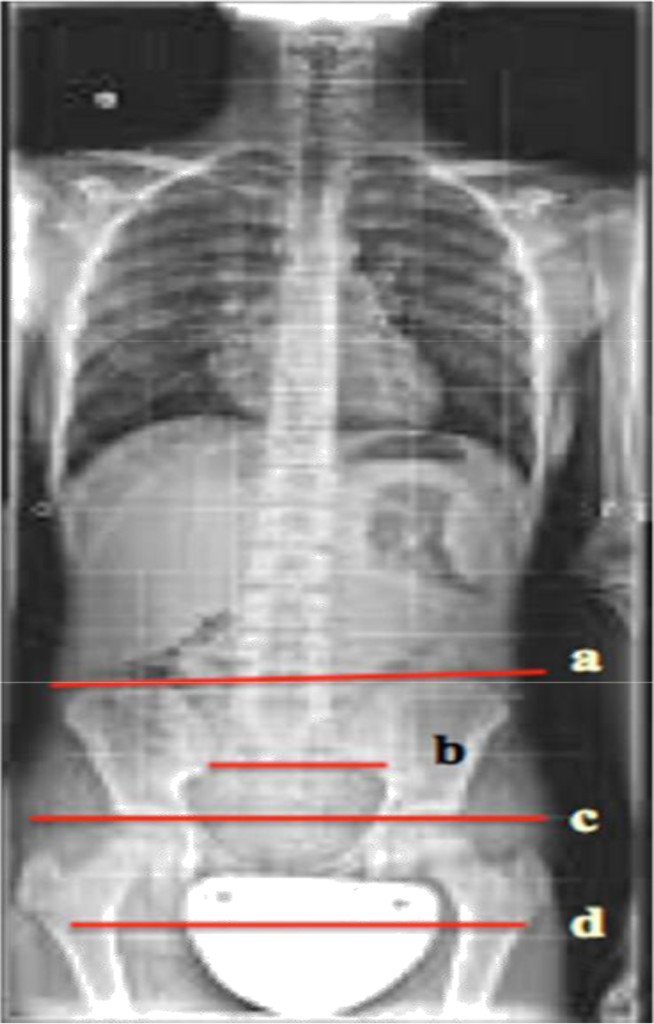
The lack of or insufficient correction or often the overcorrection of the heterogeneous limb in the developmental age can exert an influence on the mechanical arrangement of the pelvis and of the rachis. There is often a discrepancy between specialists, about the presence and the extent of h.l.l. not carefully measured or based only on an inaccurate radiographic report. There is a clinical study, a semiological iter for the definition of h.l.l., supported by a radiographic study. A group of patients in developmental age has been evaluated by more specialists to identify h.l.l., and study the incidence of detection errors and their degree of significance (Figure 1).

IJOT2018-101-LuigiMolfettaItaly_F1

Figure 1. a: Iliac Crest Line; b: Sincondrosis Sacroiliac Line; c: Heads Femur Line; d: Little Trochanter Line

Material and Method

Clinical Analysis

Evaluation of the patient with an h.l.l., must be done during walking, in orthostasis and in clinostasis, looking for repeatable reperiences for all the evaluators. They must be correlated with the radiographic data. The patient’s walking allows detecting disharmony in the step or lameness; in general, a heterometry is manifested in the ambulation when it is equal to or greater than 1.0 cm, if it is of an inferior value it finds an intrinsic compensation and cannot be documented in the passage [3].

Clinical observation in walking in a posterior view better demonstrates this, since the posterior and Superior Iliac Spines (SIPS) can be seen. In orthostasis barefoot, on a podoscope, the following are to be considered:

  1. The level of Iliac Crests, assessed through the placement of the examiner’s hands on the same. This assessment may be imprecise, related to the experience of the examiner and disturbed by the presence of fat, the tickling of the patient, etc.
  2. The examination of the Postero-Superior Iliac Spine (SIPS), particularly evident in the thin subjects.
  3. The alignment of the gluteal folds and the poplite folds.
  4. Plantar support and asymmetric pronator syndromes, due to h.l.l.

In clinostasis after having mobilized the hips to eliminate contractures and bad functional adaptations and aligned the limbs slightly dividing, we proceeded to measure:

  1. The medial spino-malleolar distance, with limbs in full extension, from the antero-superior iliac spine up to the apex of the medial malleolus, in comparison with the contralateral limb.
  2. The medial navel-malleolar distance from the amelic to the apex of the medial malleolus.
  3. The unevenness of the knees flexed, at 90 °, with the feet juxtaposed and aligned on the back side of the heel; a repere on the knees records the difference in height of the rotule [3–7].

Radiographic Study

On the panoramic radiograph of the rachis in anterior-posterior projection the radiologist often reports the data of an heterometry, referring to the comparative level of the iliac crests projected on the radiographic grid. Considering the radiographic magnification (on average of 15%) and the symmetry of the pelvis in the radiography, the reading of an X-ray is based on the observation of the following features:

  1. The level of the iliac crests, projected on the radiographic grid, is the most widely used or even the only one.
  2. The tangent to the femoral heads, a true reference for the metric variations of the limbs.
  3. The tangent to sacro-iliac synchondrosis, inferiorly, considered a fixed, little variable and therefore reliable.
  4. The horizontal joining half of the small trochanters, if they appear symmetrical; this datum correlates with the tangent of the femoral heads (Figure 2).

IJOT2018-101-LuigiMolfettaItaly_F2

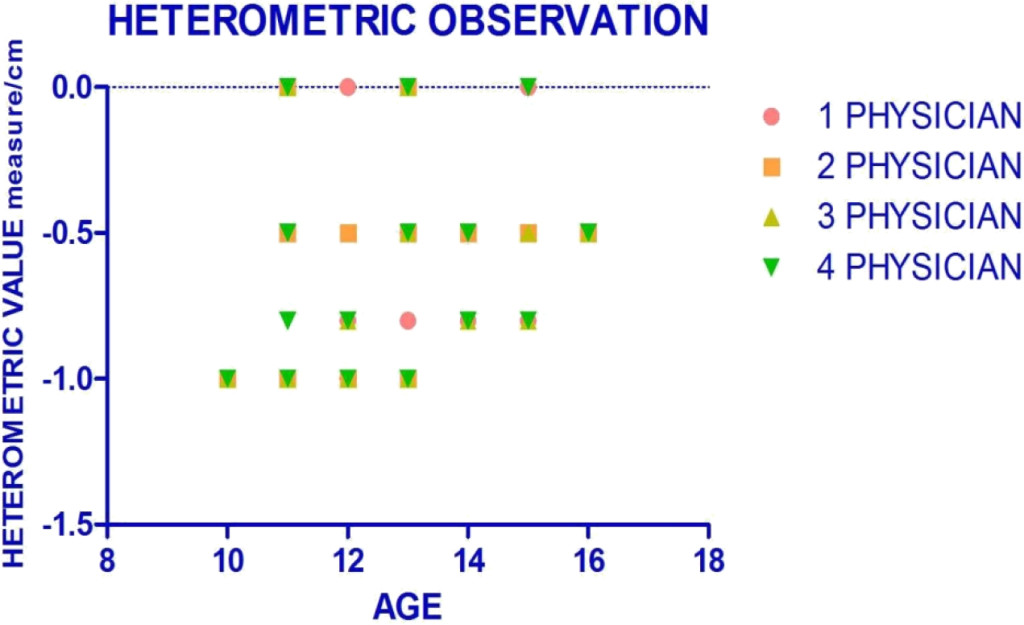
Figure 2. Heterometric values in study population.

Case Material

Twenty patients in the developmental age, 13 females and 7 males, aged between 10 and 16 years (average age of 12.8 years) who came to the observation for presumed scoliotic deficiency, were subjected to the examination of vertebral pathology, to clinical and radiographic evaluation for the recognition of an eventual h.l.l. Patients with pelvic dysmorphism and dysplastic hip disease were excluded. Each small patient was evaluated by 4 orthopaedic specialists (Table 1).

Table 1. Physician’s Evaluation in Study Population.

sex

age

1° Physician

2° Physician

3° Physician

4° Physician

1

F

12

-1 cm

-1 cm

-1 cm

-1 cm

2

F

11

-0,5 cm

Non heter

Non heter

-0,5 cm

3

F

14

-0,8 cm

-0,5 cm

– 0,8 cm

-0,8 cm

4

M

14

-0,5 cm

-0,5 cm

– 0,8 cm

-0,5 cm

5

M

12

-1 cm

-1 cm

-1 cm

-1 cm

6

F

13

No heter.

Non heter.

Non heter.

Non heter.

7

F

13

-0,8 cm

– 1 cm

– 1 cm

– 1 cm

8

M

15

-0,8 cm

-0,5 cm

– 0,8 cm

-0,8 cm

9

F

10

-1 cm

-1 cm

-1 cm

-1 cm

10

M

12

No heter

-0,5 cm

-0,8

-1 cm

11

F

11

-0,5 cm

-0,5 cm

No heter

-0,8 cm

12

F

11

No heter

-0,5 cm

No heter

Non heter

13

M

15

-0,8 cm

-0,5 cm

– 0,8 cm

-0,8 cm

14

F

16

-0,5 cm

-0,5 cm

-0,5 cm

-0,5 cm

15

F

14

-0,5 cm

-0,5 cm

– 0,8 cm

-0,5 cm

16

F

13

No heter

No heter

-0,5 cm

No heter

17

M

12

-0,8 cm

-0,5 cm

– 1 cm

-0,8 cm

18

F

13

-0,5 cm

-0,5 cm

-0,5 cm

-0,5 cm

19

F

15

No heter

-0,5 cm

-0,5 cm

No heter

20

M

11

-1 cm

-1 cm

-1 cm

-1 cm

Results

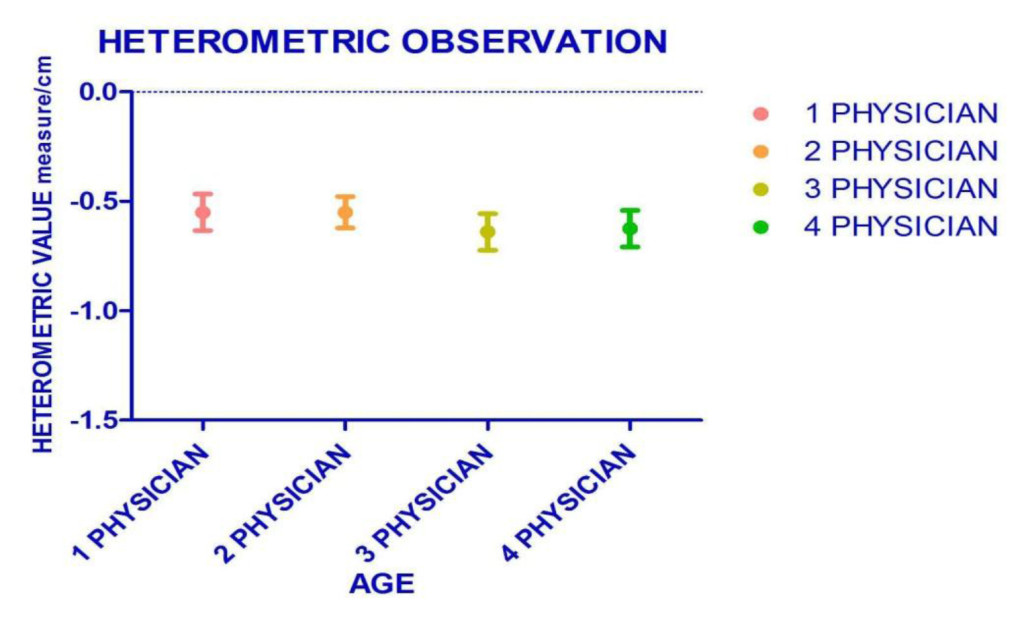
The overall data on the 20 patients analyzed by 4 specialists are summarized in Table 1. Each specialist had evaluated 7 clinical parameters and 4 radiographic parameters. There was a unanimous correspondence between the 4 specialists for 7 cases (35%), a correspondence of 3 specialists on 4 for 10 cases (50%), a correspondence of 2 specialists on 4 in 2 cases (10%) and a complete discrepancy in 1 case (5%) (Figure 2). Among the clinical parameters the Spine-malleolar distance and the evaluation in clinostasis with flexed knees were very important, which for cases with h.l.l. they are constant results for all observers. The other data have meant confirmation for the former. About the radiographic data, the most significant and constant datum was the repere of the femoral heads, compared to the reticulum of the iliac crests, considered the main reference in the radiographic reports. In the group of study patients, according to the 4 different specialists, higher mean heterometric values were observed for the observer n ° 3 and n ° 4 with respect to the evaluation of the observer n ° 1 and n ° 2 (both with homogeneous heterometric values) resulting in a significant correlation of results, respectively: -0.6400 ± 0.3733 cm; -0.6250 ± 0.3726; – 0.5500 ± 0.3735cm; – 0.5500 ± 0.3204 cm. with p <0.0001 (Figure 3). No significant correlation was found between age and the evaluations of the 4 observers (respectively; p = 0.40; p = 0.28; p = 0.68; p = 0.13 = 0.13).

IJOT2018-101-LuigiMolfettaItaly_F3

Figure 3. The mean resulting in heterometric evaluation: study population.

Therefore the search for an h.l.l. it does not correlate with the patient’s age but with the accuracy of the clinical evaluation and with the observation of several semiological.

Discussion

An heterometry of the lower limbs causes a functional lumbar compensation curve; lumbar salience disappears both with the compensation of the same heterometry (equivalent rise) and with the Stagnara maneuver (deflection of the trunk in the discharge). The adaptive functional datum of the lumbar curve to the heterometry and its existence and existence. May be present in a patient with idiopathic scoliosis [4]. Preliminarily do not base the diagnosis of heterometry of the lower limbs on the sole radiographic reference, on presumed clockwise or anticorrosive rotations of the pelvis, without any anatomical-functional references. Some authors propose the use of QCT scans for data evaluation [5, 6]. The evaluation starts from the clinical examination in its entirety and is answered in the radiographic data; the sum of the evaluations concludes the clinical reasoning on the subject and expresses the extent of any heterometry. The search for heterometry on the radiograph of the panoramic spine should not only limit references on iliac crest.

On the frontal plane it is possible to detect asymmetries of a hemi-pelvis on the sagittal plane with alteration of the anteroversion or retroversion and on the transverse plane for modification of the intra-and extra-rotation. Total in the presence of retroversion of an emi-pelvis, h.l.l. is only apparent thanks to an posture adaptation of homologous lower limb, sometimes inducing a sub-division of contralateral hemi-pelvis. In such cases, this is a question before considering dismetric limbs [7]. The success has been more than ever positive among the clinical signs some have the value of greater reliability as precision of the spino-malleolar distance or the evaluation of an inflection compared to others. Among the radiographic signs, the tangent to the femoral heads represents the main reference point associated with the other three parameters. For all physicians were observed a correlation of the data, with no relation between the age and the evaluations of the specialists. Respect the search for h.l.l. is correlates with the accuracy of the clinical evaluation and with the examination of several semiological parameters, integrated for a diagnosis of probable certainty [8, 9].

References

  1. Morscher E (1972) Etiology and pathophysiology of leg length discrepancies. Orthopade 1: 1–8.
  2. Papaioannou T, Stokes I, Kenwright J (1982) Scoliosis associated with limb-length inequality. J Bone Joint Surg Am 64: 59–62. [crossref]
  3. Song KM, Halliday SE, Little DG (1997) The effect of limb-length discrepancy on gait. J Bone Joint Surg Am 79: 1690–1698. [crossref]
  4. Leali Tranquilli P, Valassina A “Le dismetria degli arti”, Argomenti di ortopedia e traumatologia Estratti, Verducci Editore.
  5. GREEN WT, WYATT GM, ANDERSON M (1946) Orthoroentgenography as a method of measuring the bones of the lower extremities. J Bone Joint Surg Am 28: 60–65. [crossref]
  6. Aaron A, Weinstein D, Thickman D, Eilert R (1992) Comparison of orthoroentgenography and computed tomography in the measurement of limb-length discrepancy. J Bone Joint Surg Am 74: 897–902. [crossref]
  7. Stanitski DF (1999) Limb-length inequality: assessment and treatment options. J Am Acad Orthop Surg 7: 143–153. [crossref]
  8. Goel A, Loudon J, Nazare A, Rondinelli R, Hassanein K (1997) Joint moments in minor limb length discrepancy: a pilot study. Am J Orthop (Belle Mead NJ) 26: 852–856. [crossref]
  9. Shapiro F (1982) Developmental patterns in lower-extremity length discrepancies. J Bone Joint Surg Am 64: 639–651. [crossref]

Shedding Light on the Potential Implications of Solar Eclipse on Psychiatric Patients

DOI: 10.31038/JNNC.2018115

Abstract

Astronomical phenomena have been purported to impact human behavior throughout history. Though literature regarding the potential influence of lunar phases on emotional status exists, reputable evidence based information detailing the impact of solar eclipses on psychiatric conditions is lacking. Our case study evaluates the potential psychiatric impact on patients in a state psychiatric hospital in Buffalo, NY that occurred on August 21st, 2017. Our case study reports that although the lowest count of restraint and seclusion events, as measured by evaluation of previously collected, de-identified and analyzed   routine facility performance improvement data, occured during the month of the solar eclipse which took place on August 21st 2017 when compared to any date within the previous 6 years, one patient experienced significant and unexpected psychiatric exacerbation. On April 28, 2024, another total solar eclipse will cross the United States. As Buffalo falls within the path of totality, this event would be an excellent opportunity for further analysis of these findings.

Key Words

Eclipse, behavior, restraint, seclusion, psychiatry

Introduction

Astronomical phenomena have been purported to impact human behavior throughout history. Historical perceptions of cosmic influences are predominantly based upon the beliefs that the moon can induce so- called “biological tides,” which are thought to provoke emotional disturbances [1]. Eclipses are one such event that has been suggested to impact human behavior.  In a solar eclipse, the moon aligns directly between the sun and the earth, and seemingly blocks the light of the sun.  A total solar eclipse is visible from the geographic location that is at the center of the moon’s shadow, while a partial solar eclipse may be seen in surrounding areas.  As the sun, moon and earth are not in direct alignment in the areas that  a partial eclipse is seen, the sun appears to have a dark shadow on part of its surface. Though unsubstantiated, several sources detailing the alleged impact of eclipses on the psyche are easily located with a simple Internet search. Literature regarding the potential influence of lunar phases on emotional status exists, however reputable information regarding the impacts of solar eclipses on psychiatric conditions is lacking [2]. Furthermore, the information that is available on solar eclipses is dated, focuses predominantly on suicide rates, and provides little insight into other psychiatric consequences of solar eclipses [3,4]. As “sun-gazing epidemics” in psychiatric hospitals have been described during these eclipses, further investigation into the impact of these phenomena on patients with mental illnesses is warranted [5].

On August 21, 2017, the first total solar eclipse in nearly four decades passed through the continental United States. As one of only fifteen total solar eclipses visible within the United States in the past century, the event was the subject of substantial media attention [6]. As the event date drew closer, speculation of the impact of the phenomenon on human behavior provoked debate and discussions within the scientific community. As previous publications suggest that psychiatric patients may be uniquely impacted by the event, curiosity over the potential implications of this upcoming event in psychiatric hospitals increased [7].

In an effort to provide further information on the role of a solar eclipse in psychiatric patient behavior, we present a case study evaluating trended data previously collected, de-identified and analyzed as part of  routine facility performance improvement actvities, on restraint and seclusion (R&S) orders at an inpatient state psychiatric hospital in Buffalo, New York. Because Buffalo, New York was out of the path of totality of the 2017 solar eclipse, the impact of a partial solar eclipse is reported in our findings. Restraint and seclusion was identified as the marker of the most extreme psychiatric exacerbation often representing a failure of first line PRN/STAT medication(s) given as a first line lower level intervention.

Case Report

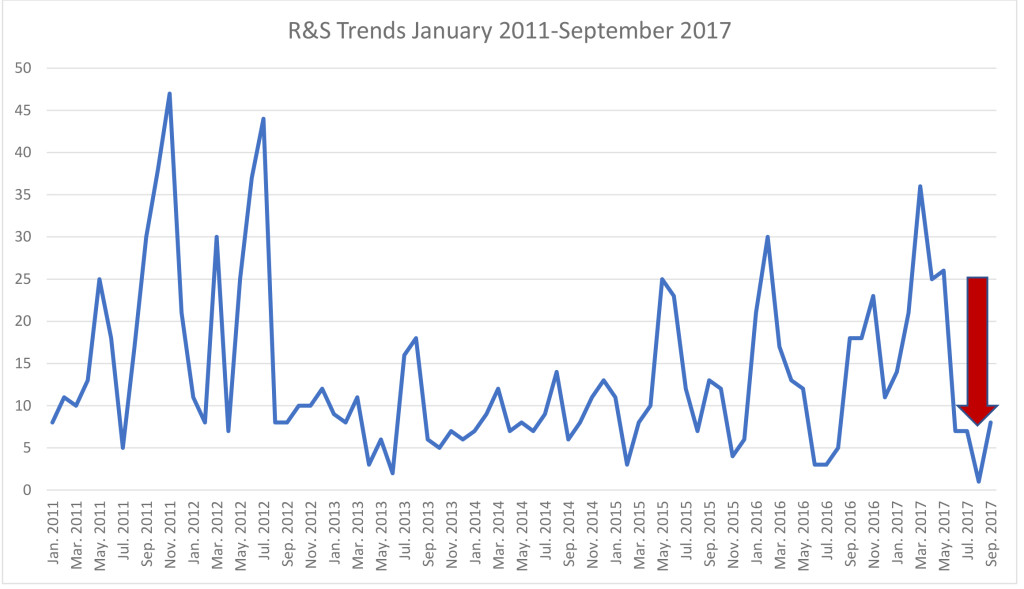
Data previously collected, de-identified and analyzed  as part of a routine facility performance improvement activity on the number of R&S orders per month over the course of 6-years prior to the partial solar eclipse was compared to the quantity of orders during the month of August 2017.  On average, 13.75 R&S orders per month were entered in the years leading up to the eclipse (range 3–47). The quantity of R&S orders reached the lowest point (nadir) of 1 in August 2017, the month of the partial solar eclipse.

Figure 1 highlights the trend observed. No correlation was noted between time of year and historical number of R&S orders. Figure 2 details trends in the number of R&S orders during the month of August during the 6-years preceding the eclipse event.

JNNC18-102_F1

Figure 1. R&S Trends January 2011 – September 2017 (arrow highlights the nadir recorded in August 2017)

JNNC18-102_F2

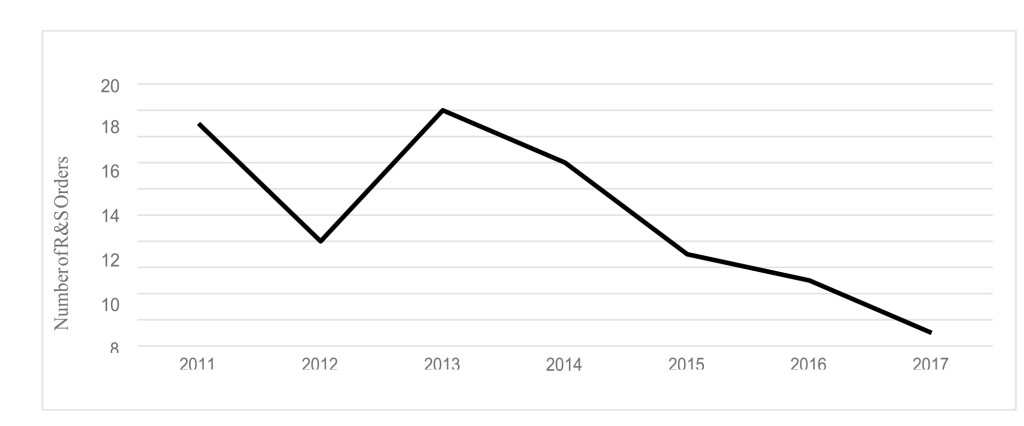
Figure 2. R&S Order Trends during the month of August years 2011–2017

The only patient restrained during the month of the solar eclipse was a 30-year-old African American male with schizophrenia who had been admitted to the psychiatric center since November 18, 2016. Between January and June of 2017, thirty-six R&S orders were entered for this patient (average 4.5 orders per month). He was subject to a manual restraint on August 29, 2017, 8 days after the eclipse. Prior to this event, the patient no R&S orders had been entered for the patient since June 2, 2017.

The event prompting the August 29th restraint began with the patient’s sexual preoccupation with female staff and requests for these staff members to go into his room with him. He requested administration of as needed (PRN) oral lorazepam 2mg at 2040 and attempted to assault staff shortly afterwards. He was unable to be redirected or to follow simple directions, therefore a psychiatric emergency code was called. Patient was was subjected to a 2 person take down restraint without injury. Intramuscular chlorpromazine 100mg was ordered by the unit physician for acute treatment of this exacerbation episode. The patient attempted to grab the syringe from the administering nurse and stated that the staff member was the devil. Patient then received oral diphenhydramine 25mg at 2059 and was given an additional 25mg dose shortly afterwards per patient request. Patient responded to treatment with good effect. The patient did require PRN haloperidol and lorazepam during the month of August prior to his restraint, with a total of 12 administrations. Of note, PRN oral lorazepam 2mg, intramuscular lorazepam 2mg, and oral haloperidol 10mg were required on August 17th. Prior to this, administration of PRN psychiatric medications occurred sporadically, with only 1 dose given per occurrence during the month of August. On the day of the eclipse, the patient received 1 dose of PRN oral lorazepam 2mg. Following the eclipse, PRN oral haloperidol 10mg and oral lorazepam 2mg were given on August 25th and 29th.

Discussion

When focusing on an individual patient, the pattern of behavior provides further insight into the implications of the eclipse. Previous authors have found similar results indicating that human behavior may be influenced by the anticipation of major events. Though previously the patient had several aggressive incidents requiring R&S, over 2 months had passed between the patient’s most recent behavioral episode and the restraint following the eclipse. When considering the contrast of monthly R&S orders prior to the eclipse and during the month of August in the institution, the potential effect becomes even more pronounced. Of note, other factors unrelated to the eclipse may have played a role in these findings. First, any differences in acuity of patient specific psychiatric conditions throughout the timeline in question cannot be ascertained as the R&S events were only available as a de-identified quality management indicator. Additionally, during the period evaluated,  a performance improvement plan with a strategic emphasis to reduce the use of high risk interventions such as R&S was identified and implemented by the institution. While this may account for the overall reduced quantity of orders between 2011 and 2014, an uptick in R&S orders was noted in 2015.

A 2002 analysis conducted by Voracek and colleagues focused on the impact of a solar eclipse on suicide incidence in Austria. The investigation found a reduction in suicide rates at weeks 4, 3 and 1 prior to August 11, 1999 solar eclipse. prior to the August 11, 1999 solar eclipse. No significant changes in suicide incidence on the date of the eclipse were noted. The authors concluded that the anticipation of the event may have been protective against suicide. Of note, the timing of this eclipse also coincided with the turn of the millennium, which was another widespread media event. While it could be speculated that the reduction in suicide rate may have been partially related to a dual excitement surrounding both events, the temporal findings specifically leading up to the eclipse and immediately following the event suggest greater prominence of the eclipse in the findings observed [4].

In a follow-up to the 2002 analysis, Voracek and colleagues published a replication test providing information on suicide rates in Latvia and Romania during the 1999 solar eclipse. While no difference was noted in the incidence of suicide either 4-weeks before, during, or after the event in Latvia, the same trend in suicide reduction leading up to the eclipse was observed in Romania. Considering that Romania was within the path of totality while Latvia experienced a partial solar eclipse, the authors inferred that findings may be different in areas with varying degrees of salience. The findings in Romania thus provide further support for the hypothesis that anticipation of an eclipse may protect against suicide [4].

Although the psychological impact of anticipatory excitement cannot be excluded, confirmation of neurochemical changes may strengthen the hypothesis that solar eclipses may have psychiatric effects on humans. Boral et al, conducted a prospective evaluation of 13 psychiatric inpatients with the goal to evaluate the effects that a total solar eclipse may produce on behaviors and circulating hormones and to further identify potential correlations to the natural phenomenon. Hormones evaluated included Thyroxine (T4), Triiodothyronine (T3), Thyroid Stimulating Hormone (TSH), prolactin, and cortisol. Blood samples were collected twice daily for 6 days before and after the eclipse, during the event, and immediately after and behaviors were monitored 6 days prior to the eclipse, during the eclipse, and 6 days afterwards. Six patients experienced behavioral changes and in all cases, prolactin concentrations attained were significantly higher and abnormal behaviors became more pronounced immediately after the eclipse. Prolactin levels began gradually reducing in intensity to baseline over the 6 post eclipse days with no additional changes or abnormalities noted over the 6 post eclipse days with no additional changes or abnormalities noted [8]. This suggests a potential physiologic cause of peri-eclipse alterations in behavior.

Conclusion

The reduction in R&S utilization may suggest a positive impact of excitement associated with a solar eclipse on the behavior of psychiatric patients. Of note, the event described here was a partial solar eclipse based upon the location of the analyzed population. Therefore, results within the path of totality may provide different information. Nevertheless, these findings suggest that anticipation of a major event such as a solar eclipse may impact psychiatric behaviors. This may be in part due to a collective experience in which staff and patients interact on a different (common) level that what might be expected on any given day with institutional hierarchy and perceived imbalance of power. In addition, there is the possibility that patients may be on their best behavior in hopes of being granted privileges to witness the event firsthand. Lastly, as other authors have suggested neurochemical changes are likely associated with the potential psychiatric effects of solar eclipses, our analysis did not assess physiologic alterations.

On April 28, 2024, another total solar eclipse will cross the United States. As Buffalo falls within the path of totality, this event would be an excellent opportunity for further analysis of these findings.

References

  1. Biermann T, Estel D, Sperling W et al. ( 2005) Influence of lunar phases on suicide: the end of a myth? A population-based study. Chronobiology International 22: 1137–1143.
  2. Tejedor MJ, Etxabe MP, Aguirre-Jaime A (2010) Emergency psychiatric condition, mental illness behavior and lunar cycles: is there a real or an imaginary association?. Actas Esp Psiquiatr 38: 50–56.
  3. Voracek M (2002) Solar eclipse and suicide. Am J Psychiatry 159: 1247–1248. [crossref]
  4. Voracek M, Rancans E, Vintila M et al. (2004) Anticipation of total solar eclipse and suicide incidence. Psychiatria Danubina 16: 157–159. [crossref]
  5. Anaclerio AM, Wicker HS (1970) Self-induced solar retinopathy by patients in a psychiatric hospital. American Journal of Ophthalmology 69: 731–736. [crossref]
  6. Tran L. (2017 Aug 6) Preparing for the August 2017 total solar eclipse. Retrieved from: https://www.nasa.gov/feature/goddard/2016/preparing-for-the-august-2017-total-solar-eclipse
  7. Gralton E, Line C (1999) Eclipse of the sun August 1999: a psychiatric perspective. Psychiatric Bulletin 3: 500–502.
  8. Boral GC, Mishra DC, Pai SK, Ghosh KK (1981) Effects of total solar eclipse on mental patients: a clinicobiochemical correlation. Indian J Psychiat 23: 160–163.

Adjunctive Sarcosine and N-Acetylcysteine Use for Treatment-Resistant Schizophrenia

DOI: 10.31038/JNNC.2018114

Introduction

The pathophysiology of schizophrenia is not completely understood, but most hypotheses center around the core philosophy that schizophrenia is subject to the influence of neurotransmitters, specifically dopamine [1, 2]. While traditional psychotropic agents used to treat psychiatric illness correct neurotransmitter dysfunction to alleviate symptoms, there is growing evidence to suggest that inflammation, oxidative stress, and glutamate pathological changes have an effect in psychiatric conditions.

In the glutamate hypothesis of schizophrenia, abnormal glutamate uptake by glial cells can result in decreased N-methyl-D-aspartate (NMDA) receptor function [1, 3–7]. Dysfunction of NMDA receptors results in the disruption of downstream dopamine signaling. Specifically, hypofunction of the NMDA receptors in the mesolimbic dopamine pathway can result in hyperactivation of neurons, which can present as hallucinatory symptoms. Whereas, in the mesocortical pathway, NMDA receptor hypofunction can lead to negative symptoms, including anhedonia and impaired cognition. The affinity of glutamate for the NMDA receptor can be influenced by NMDA cofactors glycine and glutathione.

Modulation of the NMDA receptor via allosteric binding of glycine can enhance glutamate binding [1, 3–4]. Sarcosine (N-methyl glycine) is a type 1 glycine transporter inhibitor (GlyT1), that increases the synaptic concentration of glycine by preventing its reuptake by glial cells. Increased glycine in the synapse is proposed to augment glutamate binding at the NMDA receptor, in theory, alleviating the many symptoms of schizophrenia.

It is also thought that the abnormal metabolism of neurotransmitters in patients with schizophrenia can consequently result in oxidative stress and damaged neurons [5]. N- acetylcysteine (NAC) is thought to relieve oxidative stress by replenishing glutathione levels to prevent neurodegenerative effects and further cognitive dysfunction [5, 8–9]. NAC increases glutathione levels by delivering cysteine to the brain, which is necessary for glutathione synthesis. Similar to the cofactor glycine, increased glutathione levels will also augment glutamate binding at the NMDA receptor.

While current approved treatment options for
neuropsychiatric disorders, including schizophrenia, have
substantial documented efficacy, there are instances in which
response to these treatment options is suboptimal [10]. In these situations, patients can be further diagnosed with treatment-resistant schizophrenia. Complementary and alternative medicine (CAM) is a treatment intervention not approved by the Food and Drug Administration (FDA), however offers additional options When other treatments Fail. Both sarcosine and NAC are recognized as CAM therapy options. This report will discuss the efficacy and safety of adjunctive sarcosine and NAC in the treatment of treatment-resistant schizophrenia.

Current Literature Evaluating Sarcosine

Recent literature has evaluated the efficacy of sarcosine in the treatment of schizophrenia. In an open-label, preliminary trial by Amiaz et al., sarcosine was initiated in 22 patients with schizophrenia. To be included, subjects had to be stabilized on an antipsychotic regimen for at least four weeks prior to the addition of sarcosine. The antipsychotic agents patients were receiving included risperidone
(n = 7), quetiapine (n = 4), zuclopenthixol intramuscular (IM) injection (n = 4), olanzapine (n = 3), fluphenazine IM injection (n = 2) and paliperidone (n = 2). Five of the 22 patients received sarcosine 2g/day, while 17 patients received 4g/day. Significant improvement from baseline was noted  on the positive symptoms subscale of Positive and Negative Syndrome Scale (PANSS) following eight days of treatment (p = 0.007). Significant improvement was also seen on general psychopathology subscale of PANSS (p = 0.003). However, no significant improvement was detected in Clinical Global Impression Severity of Illness scale (CGI-S) (p = 0.08) and total PANSS score (p = 0.06) following treatment. The recruitment of this primary study was terminated following a documented safety issue reporting sarcosine may be linked to prostate cancer progression. This study was limited by the small sample size and short observation period.

A previous double-blind trial by Tsai et al. evaluated 38 patients with schizophrenia who received either adjunctive sarcosine or placebo in addition to their current antipsychotic therapy regimen for 6 weeks [12]. Patients were required to have been stabilized on their antipsychotic regimen for at least three months prior to enrollment in the study. The antipsychotic therapy regimens received included risperidone (n = 20), sulpiride (n = 6), haloperidol (n = 5), chlorpromazine (n = 1), fluphenazine decanoate (n = 1), trifluoperazine (n = 1), etumine (n = 1), sulpiride combined with chlorpromazine (n = 1), pipotiazine combined with chlorpromazine (n = 1) and medication free (n = 1). Significant improvements in positive (p < 0.0001), cognitive (p < 0.0001), and general psychiatric (p = 0.0002) symptom subscales of PANSS were observed in patients adjunctively treated with sarcosine when compared to placebo. Significant improvement was also found in Scales for the Assessment of Negative Symptoms (SANS) (p < 0.0001) and Brief Psychiatric Rating Scale (BPRS) (p = 0.0001) in patients receiving sarcosine therapy. When risperidone with adjunctive sarcosine was analyzed separately, similar results were found, as significant improvement was noted in PANSS, SANS and BPRS scales.

Lane et al. (2005) evaluated sarcosine use in patients experiencing acute exacerbations of schizophrenia [13]. It was difficult to derive clinically significant conclusions due to the numerous limitations of this study. However, improvement in general psychiatric symptoms, depression, and possibly negative symptoms was observed. Lane et al. (2008) assessed sarcosine use in 20 patients with schizophrenia as monotherapy as opposed to adjunctive therapy[14]. Compared to patients who received sarcosine 1g/day, patients who received sarcosine 2g/day experienced a 20% or greater reduction in total PANSS score. A follow-up double-blind trial, also conducted by Lane et al. (2010), randomized 60 patients with schizophrenia to receive sarcosine 2g/day or placebo[15]. Compared to placebo, sarcosine showed improvement in positive, negative and cognitive symptom subscales of PANSS. Improvement was also found among total PANSS (p=0.005), SANS (p=0.021), Quality of Life (QOL) scale (p = 0.025) and Global Assessment of Functioning (GAF) scale (p = 0.042). Similar to previous studies, the sarcosine treatment group had greater than a 20% reduction in total PANSS score. It is evident that adjunctive sarcosine therapy may provide significant benefit in patients with treatment-resistant schizophrenia who have exhausted traditional antipsychotic therapy options.

Current Literature Evaluating N-acetylcysteine (NAC)

A double-blind, placebo-controlled trial assessing the impact of adjunctive NAC in patients diagnosed with schizophrenia evaluated a primary outcome of improvement on PANSS score [5]. The treatment group received NAC 2g daily compared to placebo for 4 months. NAC was administered in addition to each patient’s current antipsychotic regimen. Four weeks following NAC discontinuation, the treatment group demonstrated a statistically significant improvement in PANSS total (p = 0.009), negative (p = 0.018) and general (p = 0.035) subscales. No significant improvement in PANSS positive subscale was found. A second randomized, double-blind, placebo-controlled trial assessed efficacy of NAC (up to 2g/day), in addition to risperidone (up to 6mg/ day), for 8 weeks in 42 patients with a baseline PANSS score greater than 20 [16]. A significant improvement in PANSS negative (p < 0.001) and total (p = 0.006) scales was found, but positive and general subscales lacked statistically significant improvements.

A systematic review and meta-analysis examined the efficacy and safety of adjunctive NAC in patients with schizophrenia among three randomized controlled trials [17]. Adjunctive NAC (2 to 6g/day) significantly improved total psychopathology (p = 0.03), but not general, positive or negative PANSS subscales. There were no significant differences observed in discontinuation rates or adverse effects (drowsiness, headache, nauseas and constipation) between placebo and treatment groups, which indicates favorable tolerability. These studies conclude that there is a modest benefit observed in augmenting maintenance antipsychotic therapy with NAC.

Case Report

A 43-year-old, single, white, female patient, with borderline intellectual functioning, has been continuously hospitalized at an inpatient New York State psychiatric institute since February 2003. She had been admitted to this same facility five times prior, with her first inpatient hospitalization dating back to June 1997, when she was diagnosed with schizophrenia, paranoid type. Her symptoms include paranoia, delusional ideation, hallucinations, disorganized thoughts, poor insight, impaired judgement, irritability, agitation and aggression. The patient has a history of physical and sexual abuse, as well as polysubstance abuse with marijuana, Lysergic Acid Diethylamide (LSD) and alcohol. The patient’s father reportedly suffered from schizophrenia, and died at age 48 from myocardial infarction.

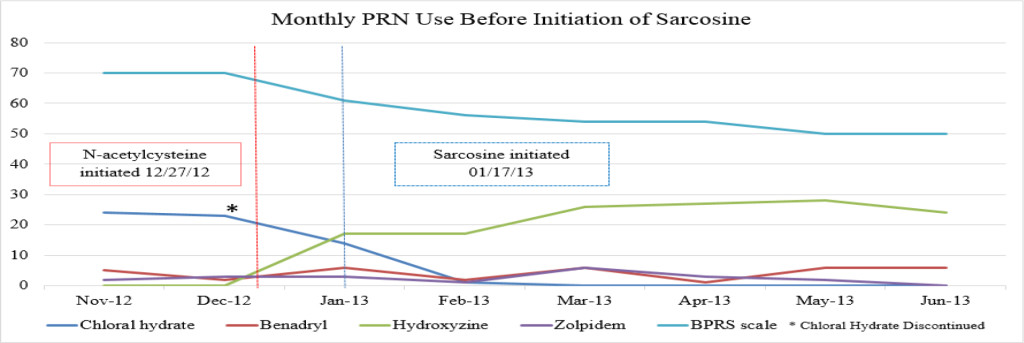
Despite multiple treatment regimens over her lengthy hospital stay, the patient continued to have episodes of severe symptoms that interfered with daily functioning, including aggression. A trial of clozapine (Clozaril) was initiated, but was discontinued due to the development of myocarditis, leaving the patient ineligible for treatment rechallenge. After subsequent failed attempts to stabilize the patient with the use of alternative antipsychotic agents, either as monotherapy or in combination, including risperidone (Risperdal), olanzapine (Zyprexa), fluphenazine (Prolixin) and quetiapine (Seroquel), the patient’s treating psychiatrist requested a trial of CAM to augment her current psychiatric medication regimen of fluphenazine (Prolixin) decanoate 75mg intramuscular injection (IM) every other week along with oral doses of olanzapine (Zyprexa) 20mg twice daily, topiramate (Topamax) 200mg twice daily and lorazepam (Ativan) 2mg four times daily (Table 1). On 12/27/12, the patient was initiated on oral doses of NAC 600mg twice daily, followed by sarcosine 1g twice daily  on 1/17/13, for treatment resistant schizophrenia. The patient was additionally treated with chloral hydrate as needed (PRN) until it was removed from the market by the Food and Drug Administration (FDA) in October 2012. The patient received   hydroxyzine pamoate (Vistaril) 50mg every 4 hours PRN as a replacement for the chloral hydrate (Figures 1A-C).

JNNC18-103_F1

Figure 1A. Monthly PRN use before initiation of sarcosine.

JNNC18-103_F2

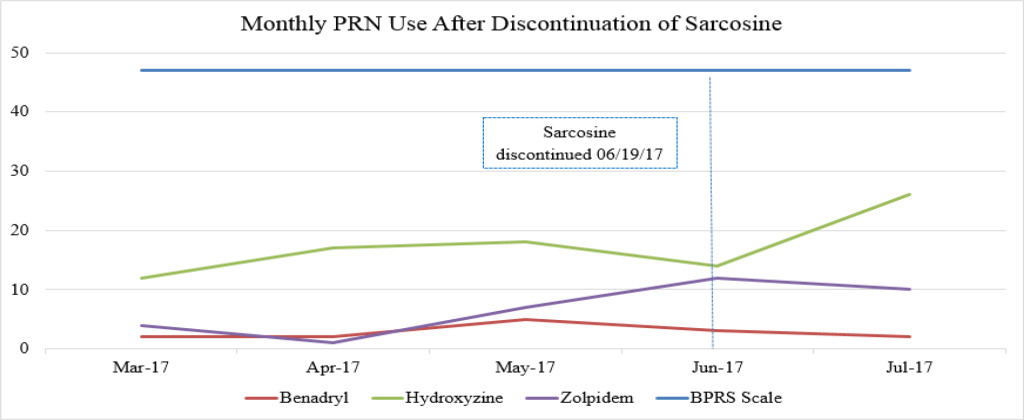
Figure 1B. Monthly PRN use after discontinuation of sarcosine.

JNNC18-103_F3

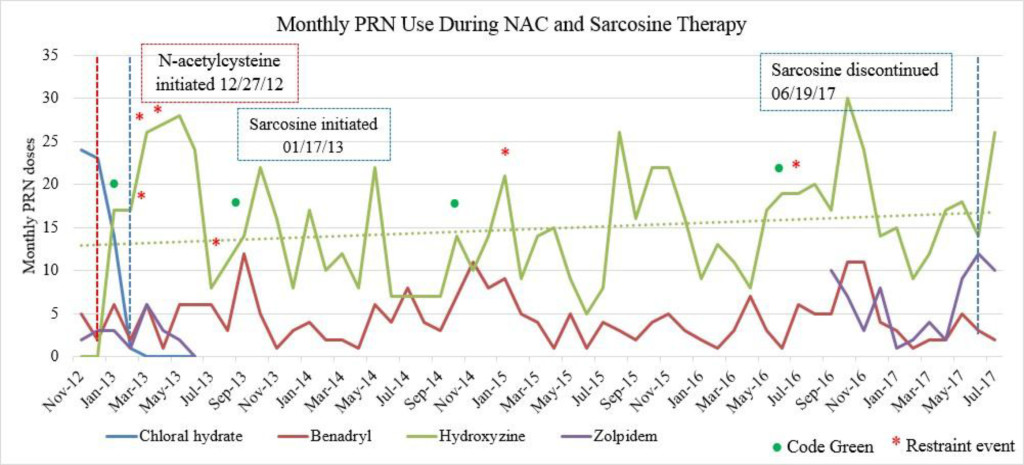
Figure 1C. Monthly PRN use during sarcosine therapy.

Table 1. Medication regimen changes over course of hospitalization.

Medication List 11/2/12

2013–2016

(date initiated)

Medication List 4/20/17

Calcium/Vitamin D 500mg/200units BID

Calcium/Vitamin D 500mg/200units BID

Calcium/Vitamin D 500mg/200units BID

Fluphenazine 5mg 4x daily

Discontinued: Fluphenazine 5mg 4x daily (11/16/12)

Fluphenazine 75mg IM injection every other week

Fluphenazine 75mg IM injection every other week

Fluphenazine 75mg IM injection every other week

Lactulose 20mg/30mL QHS

Lactulose 20mg/30mL QHS

Lactulose 20mg/30mL QHS

Lorazepam 2mg 4x daily

Lorazepam 2mg 4x daily

Lorazepam 2mg 4x daily

Olanzapine 20mg BID

Olanzapine 20mg BID

Olanzapine 20mg BID

Topiramate 200mg BID

Topiramate 200mg BID

Topiramate 200mg BID

Initiated: Propranolol 20mg BID (11/2012)

Propranolol 20mg BID

Initiated: N-Acetylcysteine 600mg BID (12/2012)

N-Acetylcysteine 600mg BID

Initiated: Sarcosine 1g BID (1/2013)

Sarcosine 1g BID

Initiated: Doxepin 50mg 4x daily (2/2013)

Doxepin 50mg 4x daily

Initiated: Bisacodyl 10mg twice weekly (2/2013)

Bisacodyl 10mg twice weekly

Initiated: Omeprazole 20mg QAM (4/2017)

Omeprazole 20mg QAM

Initiated: Thiothixene 10mg 4x daily (1/2016)

Thiothixene 10mg 4x daily

BID=twice daily
QHS=at bedtime
QAM=in the morning
4x daily=four times daily
All doses were administered by mouth unless otherwise noted

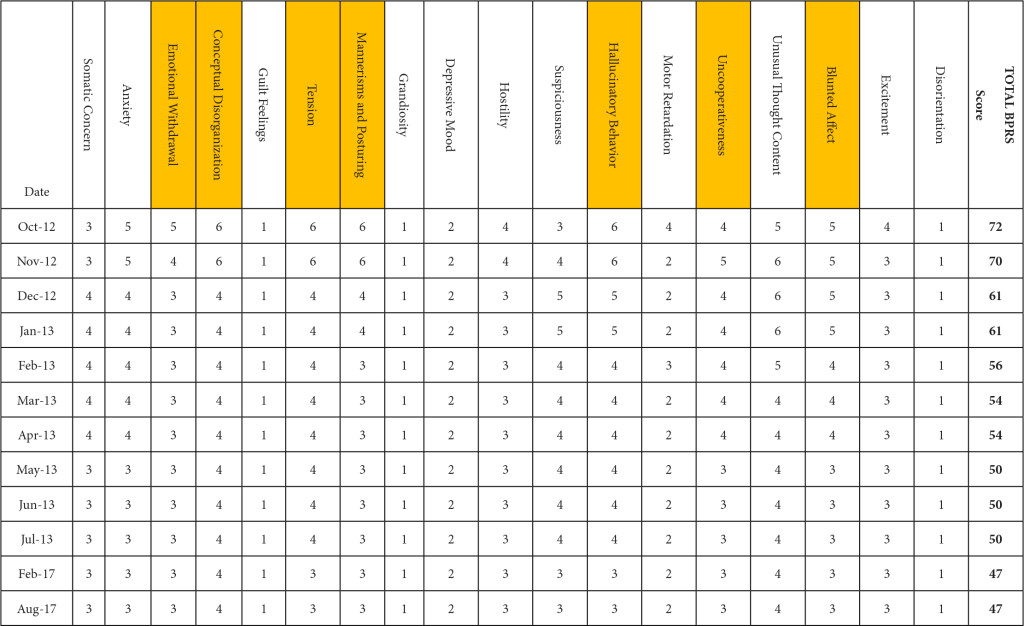
BPRS was utilized to document the progression of her treatment and the impact medication interventions had on her delusional thoughts and behaviors, including paranoia, anxiety and hostility. Prior to the initiation of NAC and sarcosine, the patient’s BPRS score was 72 in October 2012. Following the initiation of NAC and sarcosine, the patient’s BPRS score decreased, over the following 6 months of therapy, to a score of 50 in June 2013. Improvements were specifically seen in the areas of emotional withdrawal, conceptual disorganization, tension, mannerisms, hallucinatory behavior, uncooperativeness and blunted affect (Table 2).

Table 2. Improvement in BPRS score by date and domain. (highlighted boxes represent the score domains with the greatest improvements noted)

JNNC18-103_F4

Emergent psychiatric interventions, including Code Greens (CG) and Restraint and Seclusions (R/S), along with PRN medication use, were also included in the analysis to evaluate the efficacy of the patient’s psychiatric medication regimen, as these are indicators of symptoms pertaining to agitation and aggression (Table 3). In the one year prior to the initiation of NAC and sarcosine, the patient required 2 CG (3/12/12, 4/9/12) and had 4 assaults reported (1/2/12, 3/19/12, 5/6/12, 6/11/12). She did not have a R/S. In the year following the initiation of NAC and sarcosine, the patient required 2 CG (1/4/13, 9/23/13) and had 4 assaults reported (2/25/13, 3/24/13, 4/2/13, 7/5/13), with no R/S (Figure 1C). Hydroxyzine pamoate (Vistaril) use fluctuated from month to month. Of note, doxepin (Sinequan) 50mg four times daily was initiated on 2/1/13. Her aggressive behavior, documented by reported assaults and CG, significantly decreased following her assault on 4/2/13, which is when her BPRS score was decreasing towards 50 (Tables 2 and 3). From her assault on 7/5/13 and CG on 9/23/13 until June 2017 (4 years following the initiation of NAC and sarcosine), the patient only required 2 CG (10/12/14, 6/14/16). Of note, thiothixene (Navane) 10mg four times daily was added to the patient’s medication regimen on 1/19/16.

Table 3. Emergent Psychiatric Interventions.

Date (1 year prior to NAC and sarcosine initiation)

1/2/12

Assault

3/12/12

Code Green

3/19/12

Assault

4/9/12

Code Green

5/6/12

Assault

6/11/12

Assault

Date (Following initiation of NAC and sarcosine)

1/4/13

Code Green

2/25/13 (doxepin initiated on 2/1/13)

Assault

3/24/13

Assault

4/2/13 (BPRS score decreased to 50)

Assault

7/5/13

Assault

9/23/13

Code Green

10/12/14

Code Green

6/14/16 (thiothixene initiated on 1/19/16)

Code Green

The patient was maintained on fluphenazine (Prolixin Decanoate)  olanzapine (Zyprexa), thiothixene (Navane), topiramate (Topamax), lorazepam (Ativan), hydroxyzine pamoate (Vistaril), NAC and sarcosine, until sarcosine became unavailable in April 2017. The patient was subsequently given 500mg once daily starting on 4/20/17 to conserve the remaining sarcosine supply while the facility searched for alternative sources, but was given her last dose on 6/19/17. The BPRS score closest to the time of sarcosine discontinuation was 47 on 2/29/17. On 8/1/17, nearly 2 months after sarcosine discontinuation, the BPRS score was the same (47).

Of note, in January 2017, the patient required evaluation at an adjoining neurology clinic following ophthalmoplegia, loss of visual acuity in her right eye, and frequent headaches. The patient did present with recurrent headaches upon admission to the state psychiatric hospital. However, the frequency and severity of these headaches increased prior to her neurology consultation. An magnetic resonance imaging (MRI) scan revealed a mass extending through the orbital fissure along the cavernous sinus. The patient was subsequently diagnosed with Tolosa-Hunt Syndrome: a rare disorder characterized by non-specific inflammation in the superior orbital fissure and cavernous sinus [18]. The clinical presentation includes ophthalmoplegia and severe unilateral headaches with orbital pain. The patient received treatment with prednisone 60mg daily tapered to 15mg daily, in addition to acetaminophen (Tylenol) 650mg four times daily as needed, to alleviate her symptoms. Repeat MRI revealed minimal improvement in the mass. The patient continues to be followed by the neurology clinic with an uncertain prognosis.

Discussion

It is unknown whether symptomatic improvement can be attributed to one specific medication or a concomitant synergistic outcome. The patient’s BPRS score was report ed as 70 in November 2012. Following the initiation of NAC, the patient’s BPRS score decreased from 70 to 61 in December 2012. Following the initiation of sarcosine, the patient’s BPRS score was unchanged with a reported score of 61 in January 2012. If sarcosine were to elicit a psychotropic response, a decreased BPRS score would be expected shown as a steeper negative slope of the BPRS data line (shown in Figure 1A). The patient’s BPRS score decreased from 61 to 56 in February 2013, which could indicate a delayed response from sarcosine or be a result of doxepin (Sinequan) initiation. Following the initiation of doxepin (Sinequan) in February 2012, the patient’s BPRS score decreased from 56 to 54 in March 2013, and then continued trending downward.

There were no major fluctuations in PRN use following the initiation of NAC and sarcosine. Figure 1A shows a steep increase in hydroxyzine pamoate (Vistaril) use from December 2012 to January 2013. This was likely a result of the manufacturing discontinuation of chloral hydrate, because the patient was transitioned to hydroxyzine pamoate by the prescriber as the selected alternative to chloral hydrate. There were peaks of hydroxyzine pamoate (Vistaril) and diphenhydramine (Benadryl) use over the course of NAC and sarcosine treatment. These peaks of use tended to occur in May, and again between October and January. It is unclear what may have caused these changes in PRN use, but it may possibly be related to seasonal changes. Increased pain and discomfort, along with long-term steroid treatment may also have resulted in mood and behavioral changes leading to increased PRN use.

Sarcosine became unavailable in April 2017 due to the reclassification of sarcosine to a Category 1 substance by the FDA. Category 1 FDA designation excludes use of the agent for compounding until further efficacy and safety data is available for review [19]. The patient received her last dose of sarcosine on 6/19/17. Following the discontinuation of sarcosine, the patient’s hydroxyzine pamoate (Vistaril) use increased from 14 PRN doses in June 2017 to 26 PRN doses in July 2017.  The increased PRN use following sarcosine discontinuation occurred despite the sustained lower BPRS score and reduced reports of aggressive behavior (Table 3). This could be a result of a “placebo” effect with sarcosine use or may indicate that there could have been an improvement “plateau” with sarcosine use. It could also indicate that NAC is the agent responsible for this initial and continued improvement in BPRS score. Increased risk for loss of behavioral control could have possibly been mitigated by the administration of psychiatric medications as well as the use of behavioral interventions initiated by staff. Thus decreasing the need for a CG or R/S following sarcosine discontinuation.

It is of interest that this patient was diagnosed with Tolosa-Hunt Syndrome. There are previous reports linking sarcosine to the progression of prostate and breast cancer [11, 20, 21]. Two patients diagnosed with breast cancer later presented with diffuse orbital involvement of the extraocular muscles, simulating Tolosa-Hunt syndrome [21]. Breast cancer is known to metastasize and can involve ocular structures. The patient in this case does not have a known personal or  immediate family history of cancer to date. The association between sarcosine, cancer and Tolosa-Hunt syndrome is not clear, but should receive attention as the use of CAM becomes even more common.

Conclusion

There is evidence to suggest that CAM therapies, including sarcosine and NAC, can provide some therapeutic benefit to patients suffering from treatment-resistant schizophrenia who have exhausted other therapy options. The patient discussed in this case report experienced a decrease in her BPRS score following the initiation of NAC, however the magnitude of the decrease was more robust with NAC than that seen with the initiation of sarcosine.  When sarcosine was discontinued there was not an increase of BPRS scores as would be expected if sarcosine were the agent responsible for her improvement.

NAC may have been the agent responsible for the patient’s symptom improvement versus a concomitant synergistic outcome with NAC and sarcosine. However, the patient is still hospitalized to date, which does question the efficacy of these alternative medication therapy options. Little is known about the long-term effects of NAC or sarcosine, when used for any patient, whether diagnosed  with psychiatric illness or not. While there is no clear association, more studies pertaining to the long-term safety outcomes of NAC and sarcosine exposure should be explored before recommendations are made to promote this psychiatric therapy intervention.

References

  1. Yang AC, Tsai SJ (2017) New Targets for Schizophrenia Treatment beyond the Dopamine Hypothesis. Int J Mol Sci 18. crossref]
  2. Stahl SM, Grady MM Stahl’s (2011) Stahl’s Essential Psychopharmacology: Neuroscientific Basis and Practical Applications. (4th edn), Cambridge University Press, Cambridge, UK.
  3. Javitt DC, Zukin SR, Heresco-Levy U, Umbricht D (2012) Has an angel shown the way? Etiological and therapeutic implications of the PCP/NMDA model of schizophrenia. Schizophr Bull 38: 958–966. [crossref]
  4. Lee MY, Lin YR, Tu YS, Tseng YJ, Chan M, et al. (2017) Effects of sarcosine and N, N-dimethylglycine on NMDA receptor-mediated excitatory field potentials. J Biomed Sci 24: 18. [crossref]
  5. Berk M, Copolov D, Dean O, Lu K, Jeavons S, et al. (2008) N-acetylcysteine as a glutathione precursor for schizophrenia, double-blind, randomized, placebo-controlled trial. Biol Psychiatry 64: 361–368. [crossref]
  6. Dean O, Giorlando F, Berk M (2011) N-acetylcysteine in psychiatry: current therapeutic evidence and potential mechanisms of action. J Psychiatry Neurosci 36: 78–86. [crossref]
  7. Gysin R, Kraftsik R, Sandell J, Bovet P, Chappuis C, et al. (2007) Impaired glutathione synthesis in schizophrenia: convergent genetic and functional evidence. Proc Natl Acad Sci USA 104: 16621–16626. [crossref]
  8. Dringen R, Gutterer JM, Hirrlinger J (2000) Glutathione metabolism in brain metabolic interaction between astrocytes and neurons in the defense against reactive oxygen species. Eur J Biochem 267: 4912–4916. [crossref]
  9. Chen G, Shi J, Hu Z, Hang C (2008) Inhibitory effect on cerebral inflammatory response following traumatic brain injury in rats: a potential neuroprotective mechanism of N-acetylcysteine. Mediators Inflamm 2008: 716458. [crossref]
  10. Lehman AF, Lieberman JA, Dixon LB, McGlashan TH, Miller AL, et al. (2004) Practice guideline for the treatment of patients with schizophrenia, second edition. Am J Psychiatry 161: 1–56. [crossref]
  11. Amiaz R, Kent I, Rubinstein K, Sela BA, Javitt D, et al. (2015) Safety, tolerability and pharmacokinetics of open label sarcosine added on to anti-psychotic treatment in schizophrenia – preliminary study. Isr J Psychiatry Relat Sci 52: 12–15. [crossref]
  12. Tsai G, Lane HY, Yang P, Chong MY, Lange N (2004) Glycine transporter I inhibitor, N-methylglycine (sarcosine), added to antipsychotics for the treatment of schizophrenia. Biol Psychiatry 55: 452–456. [crossref]
  13. Lane HY, Chang YC, Liu YC, Chiu CC, Tsai GE (2005) Sarcosine or D-Serine add-on treatment for acute exacerbation of schizophrenia: a randomized, double-blind, placebo-controlled study. Arch Gen Psychiatry 62: 1196–1204. [crossref]
  14. Lane HY, Liu YC, Huang CL, Chang YC, Liau CH, et al. (2008) Sarcosine (N-methylglycine) treatment for acute schizophrenia: a randomized, double-blind study. Biol Psychiatry 63: 9–12. [crossref]
  15. Lane HY, Lin CH, Huang YJ, Liao CH, Chang YC, et al. (2010) A randomized, double-blind, placebo-controlled comparison study of sarcosine (N-methylglycine) and D-serine add-on treatment for schizophrenia. Int J Neuropsychopharmacol 13: 451–460. [crossref]
  16. Farokhnia M, Azarkolah A, Adinehfar F, Khodaie-Ardakani MR, Hosseini SM, et al. (2013) N-acetylcysteine as an adjunct to risperidone for treatment of negative symptoms in patients with chronic schizophrenia: a randomized, double-blind, placebo-controlled study. Clin Neuropharmacol 36: 185–192. [crossref]
  17. Zheng W, Zhang QE, Cai DB, Yang XH, Qiu Y, et al. (2018) N-acetylcysteine for major mental disorders: a systematic review and meta-analysis of randomized controlled trials. Acta Psychiatr Scand 137: 391–400. [crossref]
  18. Cohn DF, Carasso R, Streifler M (1979) Painful ophthalmoplegia: the Tolosa-Hunt syndrome. Eur Neurol 18: 373–381. [crossref]
  19. U.S. Food and Drug Administration (2017) Update: FDA revises final guidance on interim policy for certain bulk drug substances used in compounding. Washington, D.C, USA.
  20. Sreekumar A, Poisson LM, Rajendiran TM, Khan AP, Cao Q, et al. (2009) Metabolomic profiles delineate potential role for sarcosine in prostate cancer progression. Nature 457: 910–914. [crossref]
  21. Harnett AN, Kemp EG, Fraser G (1999) Metastatic breast cancer presenting as Tolosa-Hunt syndrome. Clin Oncol (R Coll Radiol) 11: 407–409. [crossref]

Dutta’s Innovative work to prevent PPH

DOI: 10.31038/IGOJ.2018115

Introduction

Haemorrhage killed more women than any other complications of pregnancy in the history of mankind. Placenta previa, abruption placenta and uterine rupture are in three important causes of ante partum haemorrhage seen frequently at tertiary level care hospital claiming high maternal mortality and morbidity till date present existing surgical technique to tackle major degree placenta previa is found to be not effective method to control haemorrhage during LUCS causing high incidence of maternal mortality and morbidity. Hence to prevent uncontrolled haemorrhage due to major degree placenta previa, author has advocated new surgical technique (Dutta’s) to prevent uncontrolled haemorrhage during LUCS.

Methodology

New technique (Dutta’s) were undertaken during LUCS operation in a stepwise Manner > delivery of baby following lower segment incision > bilateral uterine artery ligation > inj. Tranexamic acid (1000 gm) intramuscular > oxytocin infusion ( 10 unit) > delivery of placenta and its membrane and checked properly > if tear or laceration interrupted suture by catgut 1–0 > uterine wound were closed in two layers by catgut no 1 after securing bleeding from placental site or uterine wound > abdominal wall closed, after toileting the abdominal cavity, in presence of good uterine contraction. Main objective of the study to find out how to reduce maternal mortality and morbidity, after advocating (Dutta’s) new technique, during LUCS operation, for major degree placenta previa.

Benefits: Operative findings: good effectiveness to control bleeding, caesarean hysterectomy not required, immediate post operative bleeding – less. Maternal mortality – nil, maternal morbidity – less, good fetal outcome. Follow up up to two years: mentrual cycle normal, future fertility – good

Conclusion

Hence by adopting the new surgical technique (Dutta’s) during LUCS it was found to be simple, safe, quick procedure, reduce perfusion pressure, permits time for further steps thereby avoiding unnecessary ligation of hypogastric, bill and caesarean hysterectomy. Maternal mortality and morbidity were also found to be reduced. It is a suitable technique for rural based tertiary care hospital in absence of adequate blood transfusion facility.

Reference

  1. Damania KR, Salvi VS, Walvekar Vs. A Study of maternal mortality over 20 years. J Obst Gyn India 1989; 39: 61–5.
  2. Motwani MN, Sheeth J. Maternal Mortality from APH: Review of 20 years death. J Obst Gyn India 1990; 39: 364–6.
  3. Bowie JD, Rochester D, Cadkin AV, et al. Accuracy of placental localization by ultrasound. Radiology 1978; 128: 177–80.
  4. Cotton D, Read J, Paul R, et al. The conservative aggressive management of placenta praevia. Am J Obstet Gynecol 1989; 137: 687–95.
  5. Davis ME, Campbell A. The management of placenta praevia in the Chicago Lyingin Hospital. Surg Gynaec and Obst 1946; 83: 777.
  6. Evans, McShane. The efficacy of hypogastric artery ligation in obstetric haemorrhage. Surg Gynaecol Obstet 1985; 160: 250–3.
  7. Hill DJ, Beischer NA. Placenta praevia without antepartum haemorrhage Aust N Z J Obstet Gynaeclo 1980; 20: 21–3.
  8. Macafee CHG. Modern views on the management of placenta praevia. Post Card, Ded Journ 1949; 25: 297.
  9. McClure N, Dornal JC. Early identification of placenta praqevia (see comments). Br J Obstet Gynaecol 1990; 98–625.
  10. Render S. Placenta preavia and previous lower segment caesarean secton. Surg Gynaec and Obst 1954; 98: 625.
  11. Weiser EB. Managing second trimester placenta praevia. Contrib Gynecol Obstet 1980; 15: 187.

African KhoeSan Ancestry Linked to High-Risk Prostate Cancer

DOI: 10.31038/JMG.2018114

Abstract

Background: Genetic diversity is greatest within Africa, in particular Southern Africa. Within the United States, African ancestry has been linked to lethal high-risk prostate cancer. Here we investigate the contribution of African ancestral fractions to high-risk prostate cancer in two South African populations.

Methods: Genetic fractions were determined for 152 South African men of African (Black) or African-admixed (Coloured) ancestries, in which 40% showed high-risk prostate cancer.

Results: Averaging an equal African to non-African ancestral contribution in the Coloured, we found African ancestry to be linked to high-risk prostate cancer (P-value = 0.0477).

Adjusting for age, the associated African ancestral fraction was driven by a significant KhoeSan over Bantu contribution, defined by Gleason score ≥ 8 (P-value = 0.02329) or prostate specific antigen levels ≥ 20 ng/ml (P-value = 0.03713). Although not significant, the mean overall KhoeSan contribution was increased in Black patients with high-risk (11.8%) over low-risk (10.9%) disease. Using KhoeSan ancestry as a surrogate for high-risk prostate cancer, we identified four potential risk loci within chromosomal regions 2p11.2, 3p14, 8q23 and 22q13.2 (P-value = all age-adjusted < 0.01).

Conclusions: This is the first study to suggest a link between ancient KhoeSan ancestry and a common modern disease.

Key words

African ancestry; prostate cancer; KhoeSan; high-risk disease; ancestral fractions; ancestry informative markers

Introduction

High-risk prostate cancer (HRPCa) accounts for approximately 15% of diagnoses in Western countries, with significant potential for associated lethality [1]. Although a number of HRPCa classifications have been proposed, including variations in the requirement for clinical tumor staging and serum prostate specific antigen (PSA) levels, HRPCa is typically defined as pathological Gleason score (GS) ≥ 8 or PSA ≥ 20 ng/ml at diagnosis. In the United States, African American men are disproportionally affected by HRPCa and in turn present with the highest associated mortalities [2]. Additionally, HRPCa is disproportionally observed in men from sub-Saharan Africa and Southern Africa [3, 4]. In the latter study, compared with African Americans, Black South African men are at a 2.1-fold and 4.9-fold greater risk for presenting at diagnosis with GS ≥ 8 and PSA ≥ 20 ng/ml, respectively. While socioeconomic and lifestyle factors, as well as late detection, all contribute to the disproportionate impact of HRPCa within African Americans, the significance of genetic contribution is becoming increasingly evident [2,5]. However, data within Africa is severely lacking.

In addition to significant HRPCa presentation in Black South Africans, [4] HRPCa is also elevated within the African-admixed population from South Africa, the South African Coloured [4, 6]. While Black South Africans represent a uniquely African ancestry, predominantly Bantu, with contributing KhoeSan heritage, the Coloured arose as a result of intermarriage between initial European colonists, Dutch East Indian slaves and indigenous Bantu and KhoeSan Southern Africans [7, 8]. Therefore, the genetic ancestral fractions of the South African Coloured uniquely represent the broad spectrum of prostate cancer racial disparity reported in the United States, specifically African-biased high-risk, European-biased intermediate-risk (GS = 7) and Asian-biased low-risk prostate cancer (LRPCa; GS = 6). In this study we determine if African ancestry, specifically Bantu or KhoeSan African ancestry, is preferentially linked to HRPCa presentation in the region.

Participants and Methods

Study participants

South African men self-identifying as Black (n=68) or Coloured (n=84) presented at the urology clinics at Polokwane (Limpopo Province), Steve Biko (Gauteng Province) or Tygerberg (Western Cape Province) Academic Hospitals. Participants recruited within Limpopo and Gauteng form part of the previously described Southern African Prostate Cancer Study (SAPCS) [4,9] DNA was extracted from whole blood using standard methods (QIAGEN Inc., Germantown, Maryland).

Clinical and pathological presentation

Presence or absence of prostate cancer was provided by clinic-pathological diagnosis. All biopsy cores underwent independent rescoring for the 50 Black cases and 18 Black cancer- free patients as previously described [10] and the 84 Coloured cases (by AvW and WB). HRPCa defined as a GS ≥ 8, was confirmed for 33 Black (66%) and 27 Coloured (32%), or PSA ≥ 20 ng/ml (irrespective of pathological features), was observed for 36 Black (72%) and 39/81 Coloured (48%). LRPCa defined as a GS = 6, was observed for seven Black (14%) and 12 Coloured (14%), or PSA <10 ng/ml for six Black (12%) and 23 Coloured (28%). The remaining patients were classified as presenting with intermediate risk disease.

Genomic data generation

Illumina Infinium HumanCore Beadchip (>250K markers) genotype array data was either made available (68 Black)10 or generated (84 Coloured). Data inclusion was dependant on a GenTrain score (a measure representing the reliability of the genotype calls) of at least 0.5 or more (Illumina GenomeStudio 1.9.4) with further selection of autosomal markers based on a linkage disequilibrium r2 value >0.2 within a 50-variant sliding window, advanced by five variants at a time (SNP and Variation Suite 8.3.1, Golden Helix).

Determining ancestral fractions

Genomic data from population representatives (in brackets) for different African ancestral identifiers were used and defined as: KhoeSan (Ju/’hoan), [7] West African (Mandinka), Proto- Bantu (Yoruba), West Bantu (Bamoun and Fang), and East Bantu (Luhya), [11] while non- African ancestral identifiers included: Asian (Han Chinese) and European (Utah Americans) (Illumina iControl data). African American data (n=48) was sourced from the International Genome Sample Resource. Ancestral fractions were estimated using STRUCTURE 2.3.3 (5000/10000 burn-in iterations, 10000/20000 replicates) assuming different ancestral contributions (≥ five replications) [12].

Statistical analyses

Statistical analyses were performed in R (https: //www.r-project.org) using linear regression (lm) of continuous or categorical data. One-way ANOVA was used for establishing significant disease predictors. Two tailed t-test was used to determine an association between African ancestry and risk extremes, namely HRPCa versus LRPCa. RFMix analysis for local ancestry inference was used to estimate admixture across 22 individual pairs of autosomes [13]. Genotyping data of 84 Coloured patients were removed if unmapped to GRCh37, and phased using SHAPEIT2 with the 1000 Genomes Phase 3 reference panel [14]. RFMix was run with two expectation maximization iterations and 0.2 cM window size and results of each patient along with the population representatives described above were converted to genomic intervals with ancestral identifiers. The intervals where KhoeSan contributions between HRPCa and LRPCa (defined by either GS or PSA) differed greater than three times were compared using Fisher’ exact significance test and then Bonferroni correction (46 and 45 intervals compared based on GS and PSA values, respectively). Significant phased intervals greater than one megabase were chosen for single marker and haplotype block association tests using Haploview (https: //www.broadinstitute.org/haploview/haploview). The RFMix results with posterior probability greater than 0.9 were modelled for migration timing and gene flow estimation using the ancestry tracts analysis (TRACTS) program [15]. The best-fit model assuming KhoeSan, Bantu and Eurasian contributions, was selected based on likelihood values.

Results

Population specific ancestral fractions

STRUCTURE analysis using 10,295 autosomal markers provided detailed population substructure (Figure 1 based on eight reference populations). In contrast to African Americans, the African ancestral contributions to the study participants are almost exclusively Bantu and KhoeSan. While African Americans lack KhoeSan contributions, their African ancestral contribution is largely West African (non-Bantu with a lesser West/Proto-Bantu contribution) and East Bantu, with a significant European-biased non-African contribution.

The Bantu contribution in our study participants can be defined as uniquely Southern Bantu, 69.6% in the Black and 17.1% in the Coloured, with a smaller East Bantu fraction, 14.5% and 9%, respectively. KhoeSan contributions range from minimal up to 20.8% in the Black and as much as 68.1% in the Coloured.

While the Black participants show exclusive African heritage, the Coloured present overall with an almost equal non-African to African fraction. A 9-fold increase in the number of ancestry informative markers through limiting founder population inclusion (91,263 markers), allowed for further separation of the non-African Coloured fractions into European (range 0 to 62.3%) and Asian (range 0. 3 to 42.2%) (Supplementary Figure 1). To better understand the extent of African ancestral contributions in our study participants, we used TRACTS to model their migration history. Consequently, we defined the Coloured as migratory non-African, with significant KhoeSan contributions from 11 (31.5%) to 10 (7.1%) generations ago, followed by Bantu contributions appearing 8 (20.4%) and 7 (11.8%) generations ago (Figure 1). In contrast, the KhoeSan contribution to the Black population appeared as a single pulse migration event roughly 21 generations ago (11.1%; Optimal likelihoods value: -255.7).

JMG2018-104-VanessaHayesSA_F1

Figure 1. Population substructure of the study participants. (Top Panel) STRUCTURE analysis for 10,295 autosomal markers and eight ancestral populations for the 68 Black (50 cases and 18 controls) and 84 Coloured South African (SA) study participants compared with African Americans and reference populations from Africa (Ju/’hoan, Mandinka, Yoruba, Bamoun, Fang and Luhya) and outside of Africa (European and Han Chinese). (Middle Panel) Using STRUCTURE analysis we determined the African ancestral fractions, defined as KhoeSan, West/Proto-Bantu, East Bantu and Southern Bantu, as well as the non-African ancestral fractions, defined as European and Eurasian, within our study cohort with comparisons made with the African Americans. (Bottom Panel) Magnitude and origin of migrants is shown with different colors in bar and pie charts representing three ancestral contributions. The size of pie charts is proportional to percentage of migrants, with the earliest generation equal to 100% and a decrement in the next generation.

JMG2018-104-VanessaHayesSA_F3

Figure S1. Ancestral fractions determined using STRUCTURE analysis 84 South African Coloured men with PCa using 114,199 autosomal markers and K=4 (5000 burn in and 10000 reps). Ancestral contributions are defined as African-KhoeSan (yellow), African-Bantu (green), European (blue) and Asian (red).

African ancestral fractions linked to HRPCa

Presenting with an almost even distribution of African to non-African heritage, the Coloured provide an ideal genetic resource to further evaluate the African ancestral contribution to HRPCa. We observed a significant association between total African ancestry and prostate cancer pathology. Patients with HRPCa (GS ≥ 8) showed an average of 54.8% African ancestry compared to the 37.3% observed for patients with LRPCa (GS = 6) (t = 2.0974, P– value = 0.0477). Furthermore, we observed a significant KhoeSan over Bantu African contribution to HRPCa, specifically the average KhoeSan contributions to GS ≥ 8 versus 6 tumors was 31% and 20.1%, respectively (t = 2.4491, P-value = 0.0233) and for PSA ≥ 20 versus < 10 ng/ml tumors, 31% and 24.1%, respectively (t=2.1455, P-value = 0.0371).

Although the total KhoeSan contribution to the Black patients was less significant (range 0% to 21%), we did note a slight increase in total KhoeSan ancestral contribution within patients presenting with GS ≥ 8 versus 6 tumors (mean 11.8% vs 10.9%; t = 0.3249, P-value = 0.754).

HRPCa loci enriched for KhoeSan ancestral contribution

Associating excess KhoeSan contribution within HRPCa presentation in the Coloured, we performed a local-ancestry inference analysis for KhoeSan-specific enrichment, using RFMix [13]. The most significant age-adjusted KhoeSan ancestral association with GS ≥ 8 was observed at chromosome 22q13.2 (95 markers; GRCh37 positions 40,178,619–42,552,253; ANOVA Pvalue = 0.0062) and chromosome 2p11.2 (332 markers; positions 80,741,406- 85,833,046; ANOVA P-value = 0.0083) (Figure 2). While KhoeSan ancestry was also associated with an elevated PSA ≥ 20 ng/ml at 2p11.2 (ANOVA P-value = 0.0004), two additional PSA-HRPCa associated loci were identified, including chromosome 3p14 (127 markers; positions 57,971,523–59,436,405; ANOVA P-value = 0.0026) and 8q23 (79 markers; positions 111,028,667 to 112,656,042; ANOVA P-value = 0.0052). Performing haplotype and single marker association test we identified two markers, rs10103786 and rs4504665, within 8q23 that remained significant after correcting for multiple testing (1,000 permutations; Chi-Square = 15.365 and 11.245; Pvalue = 0.007 and 0.048, respectively).

JMG2018-104-VanessaHayesSA_F2

Figure 2. Candidate high-risk prostate cancer (HRPCa) chromosomal regions defined as an over-abundance of KhoeSan heritage. Legends show the proportion of Coloured patients presenting with HRPCa (red) versus low-risk prostate cancer (LRPCa; blue); asterisks (**) indicate regions with age-adjusted P-values < 0.01; 1/1, 0/1 or 0/0 represent the presence of KhoeSan ancestry within both DNA strands, a single strand or none, respectively. The local ancestry is defined using RFMix.

Discussion

We determined the contribution of African ancestral contributions defined as Bantu and KhoeSan to increased HRPCa presentation within South Africa. In contrast to African Americans, Black South Africans present with uniquely Bantu, specifically Southern over West Bantu or West non-Bantu contribution, with a single pulse KhoeSan contribution occurring over 550 years ago. The South African Coloured present, on average, with matched non-African to African genetic contributions. While the non-African fraction includes both European and Asian contributions, the African initiating admixture event predates African American admixture by two generations and includes significant KhoeSan contributions followed to a lesser extent by Bantu contribution. We demonstrate that the South African Coloured represents a unique and alternative resource to African American studies for identifying significant African ancestral contributions to elevated HRPCa.

Confirming an African ancestral link to HRPCa within the Coloured, we showed further that the observed significance appears to be driven largely by a KhoeSan over Bantu contribution. To the best of our knowledge, this is the first reported link between ancient KhoeSan ancestry and prognosis of a common modern condition. It would be reasonable to speculate that prostate cancer risk alleles would not be under negative selection within a hunter-gatherer society with an on average younger overall lifespan. Using KhoeSan ancestry as a surrogate for HRPCa, we identify four chromosomal regions as potential risk loci for aggressive presentation within the region. The 2p11.2 locus, enriched for both GS ≥ 8 and PSA ≥ 20 ng/ml, has previously been associated with PCa risk [16, 17]. A recent study, using capture-based Chromosome Conformation Capture (3C) sequencing, identified a significant physical long-range interaction between common variants within the largely non-coding 2p11.2 region and the candidate tumor suppressor gene CAPG, with expression quantitative trait locus signals at rs1446669, rs699664 and rs1078004 (absent within our array content) [18]. Additionally, the GS-associated 22q13.2 region has previously been associated with HRPCa in a roughly 1,000 strong Swedish genome-wide association study, with independent rs7291691 cross study validation. Located at position 38,778,569, the latter common variant is upstream of the region identified in this study, which may indicate a population specific impact [19]. Notably, the PSA-associated regions, 3p14 and 8q23, are both proximal to known prostate cancer risk loci, including a deletion of the 3p14.1–3p13 region HRPCa [20,21] and the common 8q24 prostate cancer risk loci [18].

In summary, this is the first study to link KhoeSan ancestry to prostate cancer, specifically HRPCa presentation within a uniquely admixed population with African, KhoeSan and Bantu, as well as non-African, European and Asian, ancestries. Using KhoeSan ancestry as a surrogate for HRPCa, we identify potential candidate loci, although one must caution that these regions are only suggestive and require larger study numbers to meet levels of genome-wide significance. However, previously two regions, 2p11 and 22q13 have been suggested as HRPCa risk loci, while two variants at 8q23 remained significant when accounting for multiple testing. Our findings suggest that modern humans earliest ancestors may have been carrying genomic signatures for HRPCa, which would not have been selected against due to later age of onset of prostate cancer.

Acknowledgements

The authors acknowledge the study participants, Sister Heather Money and nursing staff at Western Province Blood Transfusion Service (WPBTS), as well as additional urological members of the South African Prostate Cancer Study (SAPCS), Dr Richard L. Monare and Dr Smit van Zyl.

Contributors

DCP and VMH conceived and designed the study. DCP, PF, AvdM, PAV and MSRB enrolled study subjects and maintained clinical databases. MSRB and VMH direct, manage and fund the SAPCS. VMH sourced funding for genomic analyses. AvdM and MSRB provided clinical revision. AvW and WB performed pathological analyses. DCP and RJL isolated the samples, generated genomic data and provided genetic reports. DCP, WJ, EKFC and VMH performed data analysis and critical interpretation. DCP, WJ and EKFC performed statistical analyses. DCP, WJ and VMH drafted the manuscript. All authors reviewed the manuscript.

Funding

This work was supported by project grants supporting the Southern African Prostate Cancer Study (SAPCS) including: the Cancer Foundation of South Africa (CANSA), the National Research Foundation (NRF) of South Africa, and the Medical Research Council (MRC) of South Africa. Additional support was received from the Australian Prostate Cancer

Research Centre (APCRC) New South Wales (NSW) and by a Perpetual IMPACT grant to the Garvan Foundation, Australia. EFKC and DCP are supported by the Movember Australia and the Prostate Cancer Foundation Australia (PCFA) Prostate Cancer Bone Metastasis (ProMis) Movember Revolutionary Team Award (MRTA), while VMH is supported by the Petre Foundation and University of Sydney Foundation, Australia.

Competing interests: None declared.

Ethics approvals and permits: Participants were recruited and consented according to research ethics approvals granted from the Provincial Government of Limpopo (#32/2008) and the University of Limpopo Medical Research Ethics Committee (#MREC/H/28/2009), the University of Pretoria Human Research Ethics Committee (HREC #43/2010, including US Federal wide assurance FWA00002567 and IRB00002235 IORG0001762), Stellenbosch University HREC (#N08/03/072) or the SANBS HREC (#2012/11). DNA was shipped to Australia under the Republic of South Africa Department of Health Export Permits in accordance with the National Health Act 2003 (J1/2/4/2 #1/10, #1/12 and #3/15) and as per institutional Material Transfer Agreements. Genomic interrogation was performed in accordance with St Vincent’s Hospital (SVH) HREC site-specific approval (#SVH15/227).

References

  1. Chang AJ, Autio KA, Roach M 3rd, Scher HI (2014) High-risk prostate cancer-classification and therapy. Nat Rev Clin Oncol 11: 308–323. [crossref]
  2. Chang AJ, Autio KA, Roach M 3rd, Scher HI (2014) High-risk prostate cancer-classification and therapy. Nat Rev Clin Oncol 11: 308–323. [crossref]
  3. McGinley KF, Tay KJ, Moul JW1 (2016) Prostate cancer in men of African origin. Nat Rev Urol 13: 99–107. [crossref]
  4. Rebbeck TR, Devesa SS, Chang BL, et al. (2013) Global patterns of prostate cancer incidence, aggressiveness, and mortality in men of african descent. Prostate Cancer 2013: 560857.
  5. Tindall EA, Monare LR, Petersen DC, van Zyl S, Hardie RA, et al. (2014) Clinical presentation of prostate cancer in black South Africans. Prostate 74: 880–891. [crossref]
  6. Tan DS, Mok TS2, Rebbeck TR (2016) Cancer Genomics: Diversity and Disparity Across Ethnicity and Geography. J Clin Oncol 34: 91–101. [crossref]
  7. Heyns CF, Fisher M, Lecuona A, et al. (2011) Prostate cancer among different racial groups in the Western Cape: presenting features and management. S Afr Med J 101: 267–70.
  8. Petersen DC, Libiger O, Tindall EA, Hardie RA, Hannick LI, et al. (2013) Complex patterns of genomic admixture within southern Africa. PLoS Genet 9: e1003309. [crossref]
  9. Patterson N, Petersen DC, van-der-Ross RE, et al. (2010) Genetic structure of a unique admixed population: implications for medical research. Hum Mol Genet 19: 411–19.
  10. Tindall EA, Bornman MS, van-Zyl S, et al. (2013) Addressing the contribution of previously described genetic and epidemiological risk factors associated with increased prostate cancer risk and aggressive disease within men from South Africa. BMC Urol 13: 74.
  11. McCrow JP, Petersen DC, Louw M, et al. (2016) Spectrum of mitochondrial genomic variation and associated clinical presentation of prostate cancer in South African men. Prostate 76: 349–58.
  12. Henn BM, Gignoux CR, Jobin M, et al. (2011) Hunter-gatherer genomic diversity suggests a southern African origin for modern humans. Proc Natl Acad Sci U S A 108: 5154–62.
  13. Pritchard JK, Stephens M, Donnelly P (2000) Inference of population structure using multilocus genotype data. Genetics 155: 945–59.
  14. Maples BK, Gravel S, Kenny EE, Bustamante CD (2013) RFMix: a discriminative modeling approach for rapid and robust local-ancestry inference. Am J Hum Genet 93: 278–288. [crossref]
  15. Delaneau O, Marchini J (2014) 1000-Genomes-Project-Consortium. Integrating sequence and array data to create an improved 1000 Genomes Project haplotype reference panel. Nat Commun 5: 3934.
  16. Gravel S (2012) Population genetics models of local ancestry. Genetics 191: 607–619. [crossref]
  17. Akamatsu S, Takata R, Haiman CA, Takahashi A, Inoue T, et al. (2012) Common variants at 11q12, 10q26 and 3p11.2 are associated with prostate cancer susceptibility in Japanese. Nat Genet 44: 426–429, S1. [crossref]
  18. Kote-Jarai Z, Olama AA, Giles GG, et al. (2011) Seven prostate cancer susceptibility loci identified by a multi-stage genome-wide association study. Nat Genet 43: 785- 91.
  19. Du M, Tillmans L, Gao J, Gao P, Yuan T, et al. (2016) Chromatin interactions and candidate genes at ten prostate cancer risk loci. Sci Rep 6: 23202. [crossref]
  20. Sun J, Zheng SL, Wiklund F, Isaacs SD, Li G, et al. (2009) Sequence variants at 22q13 are associated with prostate cancer risk. Cancer Res 69: 10–15. [crossref]
  21. Feik E, Schweifer N, Baierl A, et al. (2013) Integrative analysis of prostate cancer aggressiveness. Prostate 73: 1413–26.

Stress and Cell Death in Brassica

DOI: 10.31038/JMG.2018113

Abstract

As a sessile organism, many plants have resolved to improve on strategies focused on detecting and resisting many types of stress. Understanding of these strategies and how to add them to sensitive plants have become a necessity in a world with more disadvantage conditions like: extreme temperatures, nutrients starvation, plagues and diseases. The capability of manipulate, enhance, in some cases retard or abolish these processes could help to improves cultivar production. Many plants of Brassicaceae family are some of most important crops worldwide, including Brassica oleracea, B. napus and B. juncea. Currently the genome is sequence and is freely accessible. This is one of many advantages in that molecular marker specific for this species. Moreover, the easy cultivation and accessibility worldwide, as well as the size and life cycle make this species good models to study stress and cell death. Several studies of tolerance and response to different types of stress and cell death have been carried out in many species from this genus. Therefore, some data is accumulating on several pathways.

Keywords

brassica, stress, cell death, apoptosis, stress tolerance

Introduction

As a sessile organism plants take advantage of different strategies that are focused on detecting and resisting many types of stress. Understanding of these strategies has become necessary due to increasingly disadvantage conditions: extreme temperatures, nutrients starvation, plagues and diseases. The capability to manipulate, enhance, overtake or in some cases retard or abolish these processes could help to improves cultivar production. Cell death is a consequence of either cell stress or involved in the lifecycle of the organism, and there is a close relationship of these two events. Moreover, the possibility of manipulating cell death in crops can be a way in which tolerance to crop stress can be improved or even accelerate or delay their maturation.

Brassicaceae family members are some of most important crops worldwide and have become a good model for study of different aspects of plant biology specially stress and cell death. Thanks to new powerful techniques such as proteomics and metabolomics, and a major number of complete genomes publication, it is possible to deepen in particular molecules related with stress and cell death or view a wide perspective of complex events.

1. Stress and cell death (RCD)

All organisms, including plants, are constantly suffering from changing environmental conditions and pathogen attacks which alters cellular homeostasis, causing damage in membranes and proteins structures, in first instance plants sense stress and producing and activating signal transduction pathways, this activates different mechanism under transcription control and try to repair damages [1]. Due to its condition as sessile organisms, plants develop multiple strategies to sense and contend against multiple stresses at the same time [2, 3]. They synthesize various molecules as proteins, amino acids (aa), carbohydrates and phospholipids to initiate an adaptive process to maintain homeostasis [1, 4, 5].

Now is clear that plant stress response is an interconnected network, which facilitates and produces an efficient and fast defense against environmental and biotic menaces and it is mediated by plant hormones and reactive oxygen species (ROS) that are detected through the plant [4, 6, 7]

Stress triggers a higher production of ROS which acts as a signal for the activation of stress response pathways, but when these defense mechanisms are not enough, the stress can result in cell death. Two mutually exclusive models are proposed to explain cell death triggers by stress. The conversion model involves the cessation of inhibitory signals of death after a homeostasis perturbation in a point in time and then it start to occur promoting signals, being the time briefer according to perturbation intensity. The competition model postulates that inhibitory and promoting signals coexist at the same time and the predomination of one of them depends of time and intensity of the perturbation and the successful of the adaptive response [8].

Cell death (CD) is part of the normal development and maturation cycles in living beings and part of many response patterns of tissues to external agents [9]. CD is necessary for plants and animals to develop correctly, for example; during metamorphosis of amphibians and insects, the morphogenesis of organs, and cell turnover required CD of certain cells in order for development to take place. In addition, the abnormal function of CD, as in an occurrence of multiple diseases, includes developmental disorders in plants and animals, as well as degenerative diseases and cancer in humans.

CD is classified as accidental cell death (ACD) and regulated cell death (RCD). RCD can be a programmed cell death (PCD) when it is part of the development cycle of an organism (see Figure 1). The ACD is a passive process that occurs when the intensity of a physical, chemical or mechanical stimulus is so great that cellular integrity deteriorates uncontrollably.
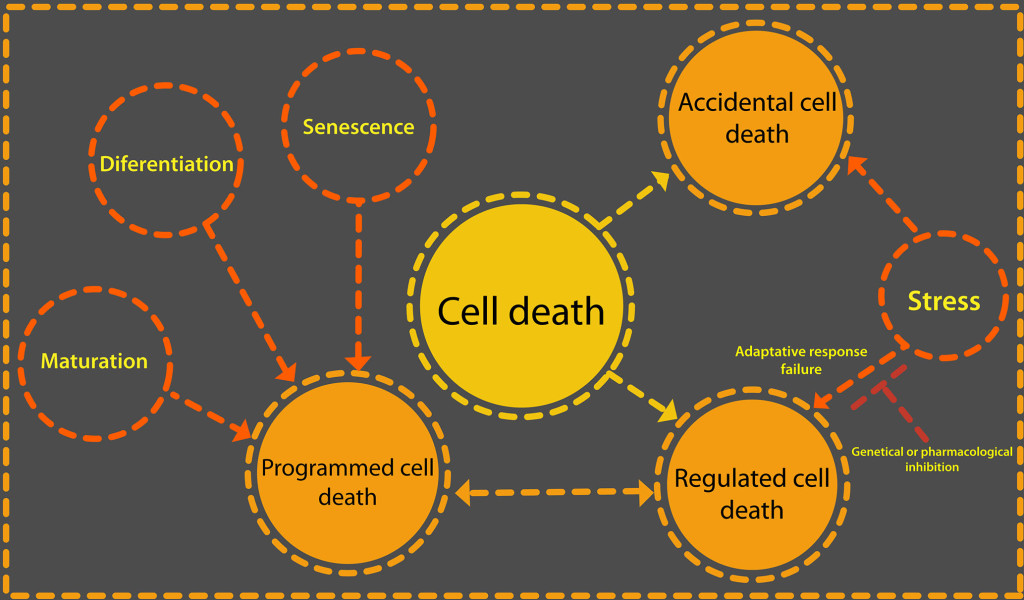
Web

Figure 1. Cell death can be due to a failure of the adaptive response to a stimulus or be part of the normal development of an organism. There are two categories of cell death: accidental and regulated. What triggers one or the other is the intensity of an external stimulus or develop. When regulated cell death is part of the normal life cycle of a cell or tissue then it is a programmed cell death. Only regulated cell death could be delayed or stopped through iRNA or protein inhibitors such as Z-VAD-FMK, a caspase inhibitor.

RCD is active processes by which specific cells can pose a threat to a complete organism are eliminated. For this reason in the RCD, the molecular signaling pathways that govern the different forms of it are ordered and are strictly controlled [10].

RCD is caused by external stimuli, that is means stress, but with a lower intensity. In the first instance, the adaptive response of the organism tries to restore homeostasis, but when this cannot be achieved, specific genetic machinery is activated that directs this type of cell death, as long as the external stimulus is not excessive. RCD can be influence by specific pharmacological or genetic means [11]. By making use of specific inhibitors, such as iRNA, caspase inhibitors like Z-VAD-fmk or cyclosporin A and sanglifehrin A, for each particular manifestation of MCR, the events that control the death of the cells can be stopped or delayed.

Cell death can be part of a cell development program and it is then that we talk about PCD [8]. This term refers to the physiological cases of cell death that occur as part of the embryogenic or post embryogenic development in the formation of tissues and organs. Some of these organs and tissues are embryonic suspensors, xylem tracheary elements, roots and lateral roots [12]. PCD also occurs to maintain the homeostasis of a tissue, referring in this case to the balance between death and cell proliferation [12, 13].

2. Tools to the study of stress and cell death in brassica species

Currently there are many techniques to study a great variety of biological phenomena, including cell death and stress. These techniques let us learn about a single gene or molecule, including protein, lipids, and amino acids, among others or see a wide net of molecules interacting at the same time.

New bioinformatics software allows us to take advantage of the information from genes related with stress and cell death, such as BLAST and MEGA, which contains MUSCLE and CLUSTAL or RAxml to perform evolutionary studies between brassica species. Use proteomics, transcriptomic or metabolomics approaches to make new models or refine those that already exist, using bioinformatics tools such as Cutadapt, Trinity and N50 to perform transcriptomic, AMIX, SIMCA, METABOANALIZER for metabolomics and MASCOT, SEQUEST for proteomic analysis. Many databases are currently availables with invaluable information of the main brassica species: B. oleracea, B. rapa, B. napusand B juncea . In these data bases is possible to find molecular markers, genomes, expression sequence tags (EST), metabolic pathways and sequence specific searching tools as well as information about specific genes and the kind of evidence supplied (while bioinformatics level to protein level). This information gives us an excellent point of departure to start the study of specific molecules to look for interactors, novel functions, confirm the homology with others, discover specific mechanisms of each specie, define molecular markers of resistance that help breeders to select the best plants or possible targets of genetic enhancement.

3. Stress in brassica species

Abiotic stress and attacks pests and pathogens represent big challenge for agriculture, because plants spend a large part of their resources coping with these threats, decreasing their performance in the field. Current estimates indicate that arable land will be reduce by >50% for most major crop plants and current climate prediction models indicate that average surface temperatures will rise by 3–5 C in the next 50–100 years [3]. Although arabidopsis is the model, plant par excellence due to the large amount of mutants and wealth of genetic data available. However, many species of brassica used to study stress and CD process, especially in the study of heat stress, because of its sensitivity to heat e.g., temperature is one of the most important parameters for the development of the florets in B.oleracea. In some cases, heat stress benefits plant culture. In B napus microspore in vitro embryogenesis produced by the application of a treatment of 32°C for eight hours [14, 15] or an additional treatment of two hours to 41°C in late bicellular pollen to increase yield [16]. Coupled with this, HSP70 over expression and its nuclear translocation during heat treatments suggest which this protein is necessary for embryogenesis induction [17].

In most cases, heat stress reduce crops yield, causing morphological changes such as abnormal leave shapes due to changes in cell microtubules and microfilaments; injuring or killing plants. In B napus heat stress, reduce flower fertility. Under a treatment of four hours at 35 °C for one and two weeks after flowering ten days), experiments shows a similar number of flowers in control and the two stress periods (six thousand). However, the number of fruits shows a drastically reduction (50%) in one week of stress compared with control, following by a recovery. This recovery let to obtain similar number of fruit in both control and plants with one week of treatment (3.000 silique) and plants under two weeks of heat stress didn’t show recovery. The number of seed and fresh weight, in both stress conditions shows a reduction in 66% and 75% respectively with a light recovery after treatments in a 50% compared with control. At the same time germination reduced in stressed plants (germination rates of 17.5%) in contrast with control plants (germination rates of 59.2%) [18].

Other study shows that B. rapa and B. juncea are sensible too to heat stress, affecting the reproductive development and yield, showing which the first of them are the most sensitive [19]. Under a treatment of 35 oC, B. rapa and B. juncea, reproductive organs was injured, mainly resulted in the reduction of seeds in 80 and 40% respectively in early flowers. Inflorescences of B. oleracea var. italica (broccoli), presents reduction in flowering after a treatment of heat to 35 °C. Buds reduced its size in 50 to 75% in treated plants and the damage caused to buds is bigger in young inflorescences (straight stage) than mature (crown stage) [18].

Kale variety of B. oleracea seedlings under heat stress (32 oC) shows abnormal leave shape, presenting elongation of them and a reduction of fresh weight of a 30% percent, at the same time stomal conductance increase and its size was reduced due its heat stress susceptibility [20]. Due to global warming, high temperatures expected to become a limiting factor for production, so research on tolerance to heat stress will be of great importance [21, 22]. Plants have a higher number of transcription factors related to tolerance to heat stress, than those found in animal cells; this is probably due to the plants, unlike them; they are not able to move to another place to mitigate the high temperatures [23].

A way to know if stress response proteins also produced in brassicas shown by Fabijanski and colaborators. Comparing the differential expression of proteins in plants without and with stress using sulfur 35 (35S) and later comparing the differential proteins found with 1D and 2D gel electrophoresis, with those already known in other models such as tobacco. The typical proteins synthetized by plants in heat and other abiotic stresses are heat shock proteins (hsp) , maintaining proteins correct conformations and prevent the aggregation of non-native proteins [24]. Fourteen of these found in broccoli leaves. After a treatment of 37 oC, in the first two hours a presence of a differential protein expression compared with plants treated with 20 oC, mainly 90 KDa, 88 KDa, 86 KDa, 74 KDa, 69 KDa, 66 KDa, 47 KDa, 43 KDa, 42 KDa, 27 KDa, 23 KDa, 21 KDa, 19 KDa and 18 KDa. Molecular mass proteins. After two hours, there seems to be a reduction in their synthesis; however, this maintained for two hours after [25].

A similar way to give identity to a protein is to use antibodies that recognize homologous proteins already characterized to confirm, through the specific interaction of the antibody with the protein and the expression during the condition evaluated, in this case, stress, identity and participation of the protein in the condition. A study realized by Avice group answer the question if the 19-kD trypsin inhibitor (TI) protein related with the Water-soluble chlorophyll-binding protein (WSCP) BnD22 from B. napus previously detected in leaves.

Using young leaves during leaf nitrogen (N) starvation methyl jasmonate (MeJA) treatments and proteomic technique, this work confirmed the relation between both proteins. Partial sequences from two differential spots in stress and normal conditions, identified by Electrospray ionization Tandem Mass Spectrometry (ESI-LC MS/MS) were identical to peptides previously identified by the same method and a search in databases revealed that both also presented 100% homology to BnD22. Prior to this, immunoblot analysis and image analysis software shows that BnD22 and 19-kD (TI) are two isoforms of the same protein, and BnD22is induced 12-fold by MeJA [26].

Proteomic approaches are also useful to find out novel proteins that plants expressed under stress. Following the same strategy, we used two contrasting conditions, but now with two broccoli cultivars, one heat-tolerant TSS-AVRDC-2 and one heat-susceptible B-75, under heat stress and waterlogging. Plants divided into four 20 °C without waterlogging (as control) 20 °C with waterlogging; 40 °C without waterlogging, and 40 °C with waterlogging. With this method, was identified 15 and 16 pivotal proteins in stress tolerance from TSS-AVRDC-2 and B-75 respectively, giving the work a deeper biological context also using physiological parameters such as chlorophyll content and stomal conductance in which the resistant cultivar was better [27]. By combining all the data, it explained that this resistance is due to a better metabolic behavior, in which the ROS levels produced controlled more efficiently.

Other species, such as B. juncea, B. napus, b. carinata and B. campestris, accustomed to tropical climates, studied to better understand the tolerance to stress by drought. Six parameters including water content, epicuticular wax, chlorophyll content, leaf water potential, osmotic potential and content of protein, authors comparing the stress tolerance of both species. B. napus was the one that best supports these conditions and B. carinata was the most sensitive. Although, all the four species decreases in most of parameters, B. napus presents a better production of biomass respect to the others. This behavior also occurs with respect to the chlorophyll content. For all species, except B. campestris, clhorophyl in control condiction was 3 fold higher than in stress treatments, for B campestris clori [28].

B. napus was used again to evaluate the synthesis of aa as a mechanism of drought stress tolerance. Since the increased of solutes to decreased osmotic potential and diminish water loss. This specie was exposed to dehydration to measure changes in the concentration of aa, with an overall increase of 5–9 folds during the four days of treatment. It was later observed that aa levels decreased almost to the initial levels prior to stress. Likewise, the use of radioactive labeled methionine with sulfur 35 (35S) results in an increase in protein synthesis observed on the second day of treatment, to later return to the first day levels. Finally, it was determined that the increase in the amount of aa was due to the synthesis of alanine, aspartate and asparagine precursors, pyruvate and glutamate and not to the enzymatic activity of alanine aminotransferase and aspartate aminotransferase, two enzymes involved in aa synthesis [29].

3.1. PLC-Phosphoinositide pathway during stress response in Brassica

B. napus served as a model to study the signaling pathways activated in response to drought, salt and cold stress. A work mainly focused in phosphoinositide signaling pathway controlled by the enzyme phospholipase C (PLC) which hydrolyzes phosphatidylinositol (4,5) bisphosphate (PIP2) to generate diacylglycerol (DAG) and inositol 1,3,5-trisphosphate (IP3) two second messengers in the cell [30] found the relationship between PLC and the tolerance to abiotic stress as well as the particular differences in each stress.

By cloning of the genes PLC-2, phosphatidylinositol 3-Kinase (VPS34) and a phosphatidylinositol synthase (PtdInsS1), as well as relative expression of a phosphatidylinositol 4-kinase (PtdIns 4-K) and phosphatidylinositol -4-phosphate 5-kinase (PtdIns4P-5-K) shows which in cold stress the expression of PLC-2 increased, PtdInsS1 decreased and while the levels of the other genes remains without changes. Under salt stress expression of VPS34 increases, suggesting an important role for other phosphoinositide, phosphatidylinositol 3 phosphate PI(3)P in the tolerance of this stress, acting in an alternative pathway different from the PLC-2, however a slight increase of PLC-2 could be observed. In the same work, plant growth in drought stress exhibit a major number of transcripts of all evaluated genes [31].

B.napus used to evaluate the changes at the metabolic level produced by the overexpression of plc. Since PLC produces an increase in tolerance to abiotic stress, researchers runs a profile of various metabolites in cold stress. 12 metabolites presents significate changes, 9 increased, many of them aa, highlighting b-alanine (1.5 folds); there was also an increase in spermidine (2.5 fold) and a lipid, linoleate (1.66 fold). A very important change in sucrose levels, in which there was an almost 5-fold increase during stress. In plants that over expressed the enzyme could be seen a better recovery after stress. Also, since it is known that biotic and abiotic stress share some signaling pathways [3], using the fungus Sclerotinia sclerotiorum to test biotic tolerance, authors reports minor severity of symptoms in plants with enhanced expression of PLC-2, however this tolerance appears to be partial [32].

4. Cell death in Brassica species

RCD is divided morphologically into apoptosis, autophagic cell death and necrosis. Apoptosis for many years was considered synonymous with the RCD. During apoptosis occurs fragmentation of the nucleus and formation of apoptotic bodies, phagocytosis and degradation of these bodies by other cells [33].

Autophagic cell death is a mechanism conserved in eukaryotes by which organisms degrade and recycle cellular components [34]. The organelles are sequestered by double membrane vacuoles called autophagosomes and then degraded by various hydrolases [35].

Necrosis was considered for many years, synonymous with accidental cell death, since it was believed that there was no way to regulate it [9]. The necrosis is defined in negative terms, that is, all that death whose morphology does not correspond to autophagy or apoptosis is considered necrosis. However, there is generally a gain in cell volume (oncosis), swelling of the organelles, and the rupture of the plasma membrane results in a consequent loss of intracellular content [36, 37].

Cell death in plants is a phenomenon little studied if compared with animals, where, because of the importance of cell death in various types of cancer have been established more appropriate criteria for the classification and study of CD.

An attempt to establish a morphological classification proposes two categories: autolytic and non-autolytic cell death. The main difference between the two deaths is that in the autolytic death a rapid clearance of the tonoplast occurs, due to the degradation of cellular components through various hydrolases. Hydrolases are released into a large vacuole that occupies most of the volume of the cytoplasm and which is formed by vacuoles of smaller size (very similar to the autophagic cell death), until finally the tonoplast is broken. In non-autolytic type death, the clearance occurs after the tonoplast rupture [38, 39].

Brassica species it is a model widely used to study cell death processes. In several species of the genre, RCD studies were carried out induced by various abiotic stresses such as cold, mechanical or heavy metal stress.

B. oleracea was used to study regulated cell death. The expression of genes related to apoptotic cell death induced by post-harvest management (refrigeration) has been identified, for example, of proteins like serine palmitoyltransferases (BoSPT1) and proteins with caspase 3 activity (Cas3) [40, 41].

In B. napus similar nuclear fragmentation due to MCR was associated with recalcitrance to the regeneration of whole plants in protoplast cultures of B. napus leaves. The MCR induction was attributed to the stress caused by the protoplast isolation process [42].

The lack of iron in protoplast cultures of B. napus induced non-autolytic death. The lack of iron caused the generation of reactive oxygen species (ROS) and the activation of a protein with cas3 activity. Also condensation of chromatin and fragmentation of the nucleus was observed [43, 44].

Other cysteine-proteases (CysP) were related with similar observation in B. napus during PCD in seed development [45]. Northern blot analysis of temporal of the CysP, BnCysP1 in B. napus, shows the expression of said gene from the tenth to the sixteenth day after flowering and confirmed later by western blot. Not only that, but, the synthesis of BnCysP1 ocurs in the inner tegument during PCD confirmed by the observation of DNA degradation with a TUNEL assay [46].

In B. oleracea was also found that a CysP, BoCP5 was responsible for florets senescence [47]. In this work authors compared broccoli lines, wild type (wt) and transgenics, transformed with antisense construct for BoCP5under the control of a senescence-induced promoter. During harvest-induced senescence in broccoli floret BoCP5 is induced and synthetized 6 h after harvest. In wt line in which mRNA, protein and protease activity was detected in higher levels. Finally, three transgenic lines shows less florets senescence (more greener) than wt within 72 and 96 h after harvest.

It is very interesting to note that especially B. oleracea and B napus are excellent models to explore the molecular and biochemical similarities between the RCD in plants and animals. In addition they are also suitable models to perform with them different microscopy techniques to characterize biochemistry, molecular and morphologically the RCD in plants. For example, it is clear that different stresses cause morphological changes in the nucleus when the CD is produced. However, it must be studied if these changes are similar in terms of signaling pathways that activate to cause these changes.

In of B. oleracea florets for example, whose nucleuses have a larger size because they are very active, several confocal microscopy studies have been carried out [48]. A simple analysis using different stress inducers shows how the nucleus changes its shape differentially in each treatment (Figure 2). This may mean that it activates different mechanisms or moon greater or less sensitivity to each stress.
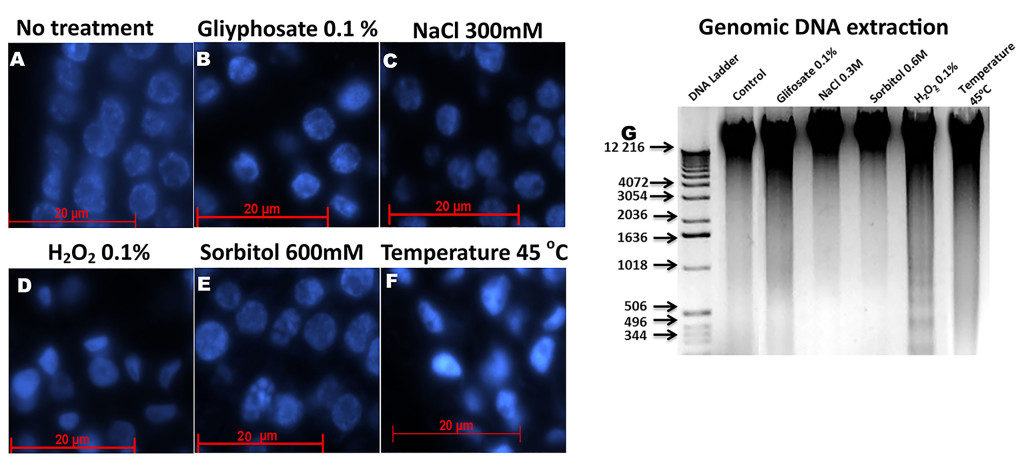
JMG2018-103-CastanoEnrique_F2

Figure 2. Histological slices of Brassica oleracea inflorescences stained with Dapi a observed with a fluorescence microscope. A): Control, without stress treatment. B): Nuclei of B. oleracea treated with 0.1% glyphosate. C): Nuclei of B. oleracea treated with 300 mM NaCl. D): Nuclei of B. oleracea treated with 0.1% H2O2. E): Nuclei of B. oleracea treated with 600 mM of sorbitol. F): Nuclei of B. oleracea treated at 45 oC. all treatments was applied for six hours, except for H2O2 for 26 hours. G): DNA extraction of in fluoresces after stress. Each lane contains 1 mg of DNA. Nuclear morphology of stressed samples differs from control, especially in C-F. In sorbitol treatments observed a clearly nuclear fragmentation, less in NaCl stress, whereas in D and F a major condensation is observed.

5. p53 protein in Brassica species

Protein p53 acts as a link between cell proliferation, stress and cell death. Is a transcription factor induced in many stress signals responsive to such as oxidative stress, cold and heat stress, nutrition deprivation, apoptosis, phagocytosis, apoptosis and cell cycle arrest [49–51] . also is named as genome guardian due its implication in DNA repair caused e.g. uv radiation and genotoxic drugs such as Danthron, Lansoprazole and Phenolphthalein [52], in human cells, mutation or reduction in p53 gene results in many types of cancer [51, 53, 54].

One way of p53 to inhibit tumor formation is by the negative transcriptional regulation of fibrillarin (fib), a nucleolar protein with metyltransferase activity, which processes ribosomal RNA (rRNA) maturation and assemble of ribosomes [48, 55–58] , and has been related with virus movement and systemic infection in plants [59, 60]. Partial silencing of p53 in immortalized human mammary epithelial cells (HME) produces overexpression of fib, leading to changes in the methylation of rRNA that results in changes of translation fidelity, showed by the bypass of added stop codon addition in rRNA and amino acid miss incorporation and alter translation initiation[53]. In Brassica oleracea fibrillarin alters its localization during heat stress as seen in Figure 3.
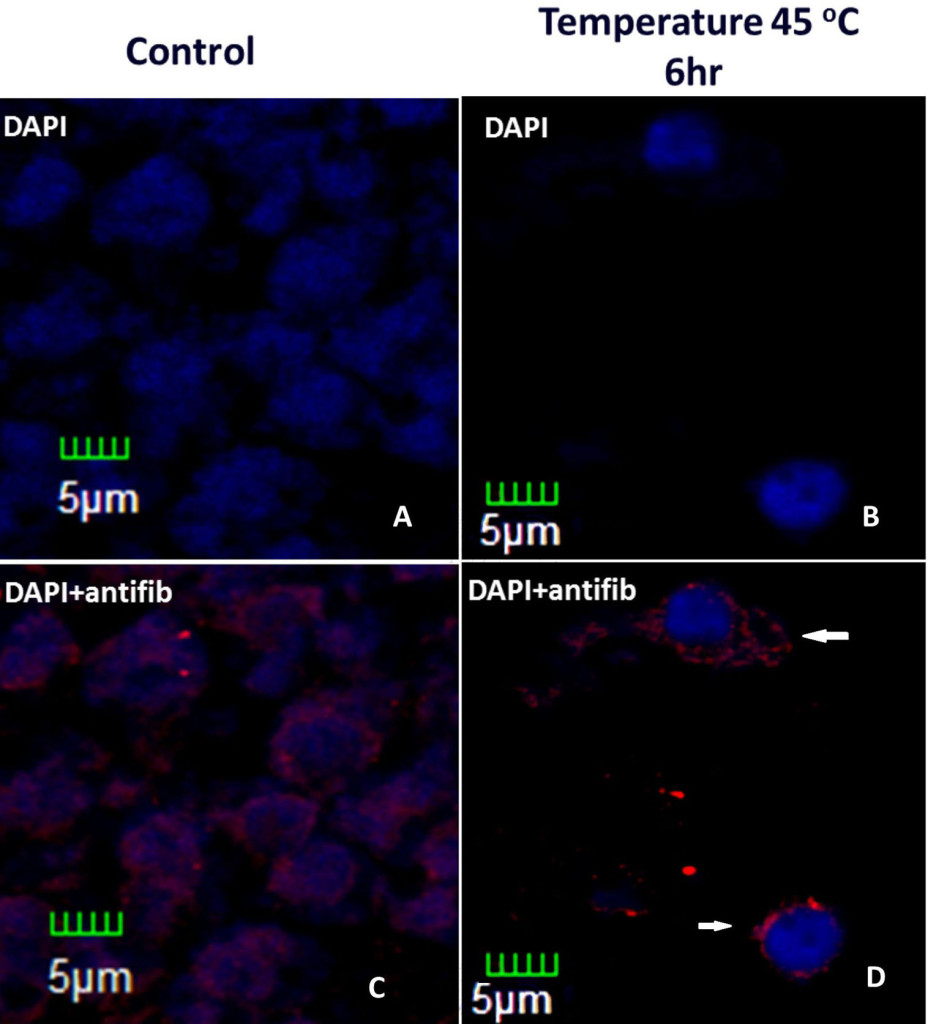
JMG2018-103-CastanoEnrique_F3

Figure 3. Histological slices of Brassica oleracea inflorescences under heat stress. Control (without stress) and stressed inflorescences stained with DAPI and incubated with anti-fib antibody. Treatment was six hour longer. In stressed nuclei, fibrillarin are outside the nucleus, which presents condensation (white arrows).

Expression of human p53 in Arabidopsis thaliana induce early senescence and exhibited fascinated phenotype (fused or distorted organs along a plant stem) including thick stems causing by elevated homologous DNA recombination, also shows more secondary inflorescences (twice compared with wt plants) and clustered siliques. NPR1–1 INDUCIBLE 1 (SNI1) a p53 inhibitor in plants, not present in human cells, expressed in in human osteosarcoma U2OS cancer cells, reduce homologous recombination in DNA damage cells by UV radiation and hydroxyurea treatments to induce DNA repair [61].

In brassica, p53 has been detected during Alternaria pathotoxin- and nutritional depletion treatments using human p53 antibodies [Khandelwal, 2002 #106]. In proliferating callus, the amount of p53 is less than decaying callus (induced by nutrient starvation) and pathotoxin treated callus in 2.2 fold and 1.88 fold respectively. Similar results shows p53 in leaves. Senescent and Pathotoxin·treated presents twice the concentration observed in healthy leaves [62].

Transformed B. juncea calli with osmotin gene, a pathogenesis related protein, presents tolerance against Alternaria toxin compared with wt calli. This tolerance correlates with lower levels of p53 protein. With 0.5 and 1.0 units of toxin treatment, non-transformed calli levels of p53 increase 1.85 and 3.3-fold compared with control conditions (no toxin) whilst the levels increase 1.41 and 1.89-fold in transformed calli. This observation seems to be result of a delay in PCD triggers by hypersensitive response (HR) [63].

P53 is very interesting, although there are only these two examples, very similar to the possible role of p53 in stress and cell death, although in other organisms the link between different metabolic and signaling pathways. In this way, p53 covers almost all the phenomena present in plants, from the metabolic state, to RCD.

Many interaction partners need to be confirmed in most pathways, including apoptosis, p53 signaling pathway and senesce. This is confirmed by the fact that in databases such as KEGG there are no those that are specific to plant species, and the evidence of the presence of homologous proteins is generally reached just by bioinformatics

Conclusion

Brassica species have served as an important source of knowledge regarding stress and cell death, even finding in them, the first evidences of the role of certain molecules, e.g. p53 in these events.

All these discoveries have been carried out using “classic” and “modern” techniques, which has provided a broad background that serves as a firm basis for new discoveries in these fields of research. Much remains to be contributed to them, since most of the efforts in these issues are aimed at human health and for this reason represent a great opportunity for future research.

Abbreviations

aa – amino acids

ACD – Accidental cell death

CD – Cell death

CysP – cysteine protease

Fib – fibrillarin

MeJa – methyl jasmonate

PCD – Programmed cell death

PLC – phospholipase C

ROS – Reactive oxygen species

rRNA – ribosomal RNA

RCD – Regulated cell death

WT – wild type

References

  1. Wang W, Vinocur B, Altman A (2003) Plant responses to drought, salinity and extreme temperatures: towards genetic engineering for stress tolerance. Planta 218: 1–14. [crossref]
  2. Fujita M, Fujita Y, Noutoshi Y, Takahashi F, Narusaka Y, Yamaguchi-Shinozaki K, et al. (2006) Crosstalk between abiotic and biotic stress responses: a current view from the points of convergence in the stress signaling networks. Current Opinion in Plant Biology 9: 436–42.
  3. Atkinson NJ, Urwin PE (2012) The interaction of plant biotic and abiotic stresses: from genes to the field. J Exp Bot 63: 3523–3543. [crossref]
  4. Petrov V, Hille J, Mueller-Roeber B, Gechev TS (2015) ROS-mediated abiotic stress-induced programmed cell death in plants. Frontiers in Plant Science.
  5. Mittler R (2002) Oxidative stress, antioxidants and stress tolerance. Trends Plant Sci 7: 405–410. [crossref]
  6. Baxter A, Mittler R, Suzuki N (2014) ROS as key players in plant stress signalling. J Exp Bot 65: 1229–1240. [crossref]
  7. Verma V, Ravindran P, Kumar PP (2016) Plant hormone-mediated regulation of stress responses. BMC Plant Biol 16: 86. [crossref]
  8. Galluzzi L, Bravo-San Pedro JM, Vitale I, Aaronson SA, Abrams JM, et al. (2015) Essential versus accessory aspects of cell death: recommendations of the NCCD 2015. Cell Death Differ 22: 58–73. [crossref]
  9. Kanduc D, Mittelman A, Serpico R, Sinigaglia E, Sinha AA, Natale C, et al. (2002) Cell death: Apoptosis versus necrosis (Review) International Journal of Oncology 21: 165–70.
  10. Ashkenazi A, Salvesen G (2014) Regulated cell death: signaling and mechanisms. Annu Rev Cell Dev Biol 30: 337–356. [crossref]
  11. Kroemer G, Galluzzi L, Vandenabeele P, Abrams J, Alnemri ES, et al. (2009) Classification of cell death: recommendations of the Nomenclature Committee on Cell Death 2009. Cell Death Differ 16: 3–11. [crossref]
  12. Van Hautegem T, Waters AJ, Goodrich J, Nowack MK (2015) Only in dying, life: programmed cell death during plant development. Trends in Plant Science 20: 102–13.
  13. Galluzzi L, Vitale I, Abrams JM, Alnemri ES, Baehrecke EH, Blagosklonny MV, et al. (2012) Molecular definitions of cell death subroutines: recommendations of the Nomenclature Committee on Cell Death 2012. Cell Death and Differentiation 19: 107–20.
  14. Pechan PM, Keller WA (1988) Identification of potentially embryogenic microspores in Brassica napus. Physiologia Plantarum 74: 377–84.
  15. Telmer CA, Newcomb W, Simmonds DH (1995) Cellular changes during heat shock induction and embryo development of cultured microspores ofBrassica napus cv. Topas. Protoplasma 185: 106–12.
  16. Binarova P, Hause G, Cenklová V, Cordewener JHG, Campagne MML (1997) A short severe heat shock is required to induce embryogenesis in late bicellular pollen of Brassica napus L. Sexual Plant Reproduction 10: 200–8.
  17. Cordewener JHG, Hause G, Görgen E, Busink R, Hause B, Dons HJM, et al. (1995) Changes in synthesis and localization of members of the 70-kDa class of heat-shock proteins accompany the induction of embryogenesis inBrassica napus L. microspores. Planta 196: 747–55.
  18. Young L, W Wilen R, C Bonham-Smith P (2004) High temperature stress of Brassica napus during flowering reduces micro- and megagametophyte fertility, induces fruit abortion, and disrupts seed production. 485–95 p.
  19. Angadi SV, Cutforth HW, Miller PR, McConkey BG, Entz MH, Brandt SA, et al. (2000) Response of three Brassica species to high temperature stress during reproductive growth. Canadian Journal of Plant Science 80: 693–701.
  20. Rodríguez VM, Soengas P, Alonso-Villaverde V, Sotelo T, Cartea ME, Velasco P (2015) Effect of temperature stress on the early vegetative development of Brassica oleracea L. BMC Plant Biology 15: 145.
  21. Uchida A, Jagendorf AT, Hibino T, Takabe T, Takabe T (2002) Effects of hydrogen peroxide and nitric oxide on both salt and heat stress tolerance in rice. Plant Science 163: 515–23.
  22. Wang P, Zhao L, Hou H, Zhang H, Huang Y, et al. (2015) Epigenetic Changes are Associated with Programmed Cell Death Induced by Heat Stress in Seedling Leaves of Zea mays. Plant Cell Physiol 56: 965–976. [crossref]
  23. Panchuk II, Volkov RA, Schöffl F (2002) Heat Stress- and Heat Shock Transcription Factor-Dependent Expression and Activity of Ascorbate Peroxidase in Arabidopsis. Plant Physiology 129: 838–53.
  24. Wang W, Vinocur B, Shoseyov O, Altman A (2004) Role of plant heat-shock proteins and molecular chaperones in the abiotic stress response. Trends in Plant Science 9: 244–52.
  25. Fabijanski S, Altosaar I, Arnison PG (1987) Heat Shock Response of Brassica oleracea L. (Broccoli). Journal of Plant Physiology 128: 29–38.
  26. Desclos M, Dubousset L, Etienne P, Le Caherec F, Satoh H, Bonnefoy J, et al. (2008) A Proteomic Profiling Approach to Reveal a Novel Role of <em>Brassica napus</em> Drought 22 kD/Water-Soluble Chlorophyll-Binding Protein in Young Leaves during Nitrogen Remobilization Induced by Stressful Conditions. Plant Physiology. 147: 1830.
  27. Lin H-H, Lin K-H, Chen S-C, Shen Y-H, Lo H-F (2015) Proteomic analysis of broccoli (Brassica oleracea) under high temperature and waterlogging stresses. Botanical Studies 56: 18.
  28. Ashraf M, Mehmood S (1990) Response of four Brassica species to drought stress. Environmental and Experimental Botany 30: 93–100.
  29. Good AG, Zaplachinski ST (1994) The effects of drought stress on free amino acid accumulation and protein synthesis in Brassica napus. Physiologia Plantarum 90: 9–14.
  30. Runkel F, Hintze M, Griesing S, Michels M, Blanck B, et al. (2012) Alopecia in a viable phospholipase C delta 1 and phospholipase C delta 3 double mutant. PLoS One 7: e39203. [crossref]
  31. Das S, Hussain A, Bock C, Keller WA, Georges F (2005) Cloning of Brassica napus phospholipase C2 (BnPLC2), phosphatidylinositol 3-kinase (BnVPS34) and phosphatidylinositol synthase1 (BnPtdIns S1)—comparative analysis of the effect of abiotic stresses on the expression of phosphatidylinositol signal transduction-related genes in B. napus. Planta 220: 777–84.
  32. Nokhrina K, Ray H, Bock C, Georges F (2014) Metabolomic shifts in Brassica napus lines with enhanced BnPLC2 expression impact their response to low temperature stress and plant pathogens. GM Crops & Food 5: 120–31.
  33. Kerr JFR, Wyllie AH, Currie AR (1972) Apoptosis: A Basic Biological Phenomenon with Wide-ranging Implications in Tissue Kinetics. British Journal of Cancer 26: 239–57.
  34. Duprez L, Wirawan E, Vanden Berghe T, Vandenabeele P (2009) Major cell death pathways at a glance. Microbes Infect 11: 1050–1062. [crossref]
  35. Galluzzi L, Maiuri MC, Vitale I, Zischka H, Castedo M, Zitvogel L, et al. (2007) Cell death modalities: classification and pathophysiological implications. Cell Death Differ 14: 1237–43.
  36. Golstein P, Kroemer G (2007) Cell death by necrosis: towards a molecular definition. Trends Biochem Sci 32: 37–43. [crossref]
  37. Vanden Berghe T, Linkermann A, Jouan-Lanhouet S, Walczak H, Vandenabeele P (2014) Regulated necrosis: the expanding network of non-apoptotic cell death pathways. Nat Rev Mol Cell Biol 15: 135–147. [crossref]
  38. Van Doorn WG, Beers EP, Dangl JL, Franklin-Tong VE, Gallois P, et al. (2011) Morphological classification of plant cell deaths. Cell Death Differ 18: 1241–1246. [crossref]
  39. Van Doorn WG (2011) Classes of programmed cell death in plants, compared to those in animals. J Exp Bot 62: 4749–4761. [crossref]
  40. Coupe SA, Sinclair BK, Watson LM, Heyes JA, Eason JR. Identification of dehydration-responsive cysteine proteases during post-harvest senescence of broccoli florets. J Exp Bot 54: 1045–56.
  41. Coupe SA, Watson LM, Ryan DJ, Pinkney TT, Eason JR (2004) Molecular analysis of programmed cell death during senescence in Arabidopsis thaliana and Brassica oleracea: cloning broccoli LSD, Bax inhibitor and serine palmitoyltransferase homologues. Journal of Experimental Botany 55: 59–68.
  42. Watanabe M, Setoguchi D, Uehara K, Ohtsuka W, Watanabe Y (2002) Apoptosis-like cell death of Brassica napus leaf protoplasts. New Phytologist 156: 417–26.
  43. Tewari RK, Hadacek F, Sassmann S, Lang I (2013) Iron deprivation-induced reactive oxygen species generation leads to non-autolytic PCD in Brassica napus leaves. Environmental and Experimental Botany 91: 74–83.
  44. Tewari RK, Bachmann G, Hadacek F (2015) Iron in complex with the alleged phytosiderophore 8-hydroxyquinoline induces functional iron deficiency and non-autolytic programmed cell death in rapeseed plants. Environmental and Experimental Botany 109: 151–60.
  45. Wan L, Xia Q, Qiu X, Selvaraj G (2002) Early stages of seed development in Brassica napus: a seed coat-specific cysteine proteinase associated with programmed cell death of the inner integument. The Plant Journal 30: 1–10.
  46. Gavrieli Y, Sherman Y, Ben-Sasson SA (1992) Identification of programmed cell death in situ via specific labeling of nuclear DNA fragmentation. J Cell Biol 119: 493–501. [crossref]
  47. Eason JR, Ryan DJ, Watson LM, Hedderley D, Christey MC, Braun RH, et al. (2005) Suppression of the cysteine protease, aleurain, delays floret senescence in Brassica oleracea. Plant Molecular Biology. 57: 645–57.
  48. Loza-Muller L, Rodríguez-Corona U, Sobol M, Rodríguez-Zapata LC, Hozak P, Castano E (2015) Fibrillarin methylates H2A in RNA polymerase I trans-active promoters in Brassica oleracea. Frontiers in Plant Science. 6: 976.
  49. Perwez Hussain S, Harris CC (2006) p53 Biological Network: At the Crossroads of the Cellular-Stress Response Pathway and Molecular Carcinogenesis. Journal of Nippon Medical School 73: 54–64.
  50. Levine AJ, Oren M (2009) The first 30 years of p53: growing ever more complex. Nat Rev Cancer 9: 749–758. [crossref]
  51. Brady CA, Attardi LD (2010) p53 at a glance. J Cell Sci 123: 2527–2532. [crossref]
  52. Brambilla G, Mattioli F, Martelli A (2010) Genotoxic and carcinogenic effects of gastrointestinal drugs. Mutagenesis 25: 315–326. [crossref]
  53. Marcel V, Ghayad Sandra E, Belin S, Therizols G, Morel A-P, Solano-Gonzàlez E, et al. p53 Acts as a Safeguard of Translational Control by Regulating Fibrillarin and rRNA Methylation in Cancer. Cancer Cell. 24: 318–30.
  54. Joerger AC, Fersht AR (2016) The p53 Pathway: Origins, Inactivation in Cancer, and Emerging Therapeutic Approaches. Annual Review of Biochemistry 85: 375–404.
  55. Cerdido A, Medina FJ. Subnucleolar location of fibrillarin and variation in its levels during the cell cycle and during differentiation of plant cells. Chromosoma 103: 625–34.
  56. Newton K, Petfalski E, Tollervey D, Cáceres JF. Fibrillarin Is Essential for Early Development and Required for Accumulation of an Intron-Encoded Small Nucleolar RNA in the Mouse. Molecular and Cellular Biology 23: 8519–27.
  57. Amin MA, Matsunaga S, Ma N, Takata H, Yokoyama M, Uchiyama S, et al. Fibrillarin, a nucleolar protein, is required for normal nuclear morphology and cellular growth in HeLa cells. Biochemical and Biophysical Research Communications 360: 320–6.
  58. Rodriguez-Corona U, Pereira-Santana A, Sobol M, Rodriguez-Zapata LC, Hozak P, Castano E. Novel Ribonuclease Activity Differs between Fibrillarins from Arabidopsis thaliana. Frontiers in Plant Science.
  59. Canetta E, Kim SH, Kalinina NO, Shaw J, Adya AK, Gillespie T, et al. (2008) A Plant Virus Movement Protein Forms Ringlike Complexes with the Major Nucleolar Protein, Fibrillarin, In Vitro. Journal of Molecular Biology. 376: 932–7.
  60. Li Z, Zhang Y, Jiang Z, Jin X, Zhang K, et al. (2018) Hijacking of the nucleolar protein fibrillarin by TGB1 is required for cell-to-cell movement of Barley stripe mosaic virus. Mol Plant Pathol 19: 1222–1237. [crossref]
  61. Ma H, Song T, Wang T, Wang S (2016) Influence of Human p53 on Plant Development. PLoS One 11: e0162840. [crossref]
  62. Khandelwal A, Kumar A, Banerjee M, Garg GK (2002) Effect of alternaria pathotoxin(s) on expression of p53-like apoptotic protein in calli and leaves of Brassica campestris. Indian journal of experimental biology. 40: 89–94.
  63. Taj G, Kumar A, Bansal KC, Garg GK (2004) Introgression of osmotin gene for creation of resistance against Alternaira blight by perturbation of cell cycle machinery. Indian Journal of Biotechnology. 3: 291–8.
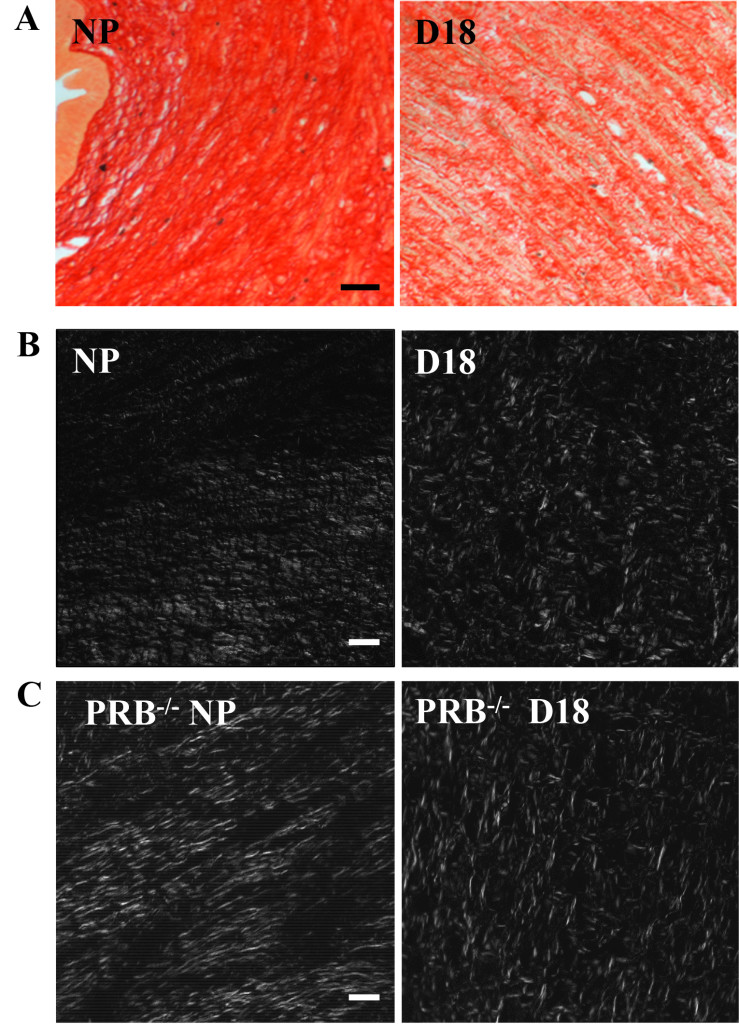
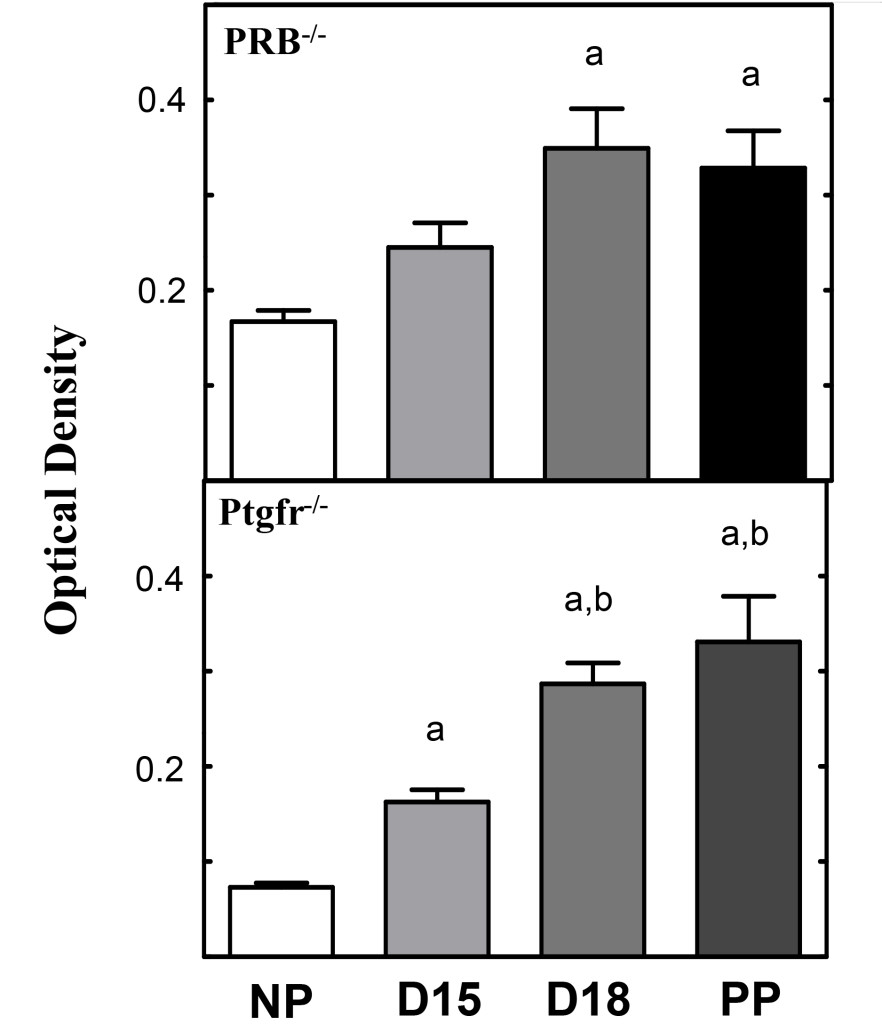
Recurrent Falls: An Unusual Presentation of Spinal Meningioma in a Child

DOI: 10.31038/JNNC.2018113

Abstract

Spinal meningiomas in childhood are very rare. To the best of our knowledge, recurrent falls has not been previously described in this kind of pediatric tumor as an initial clinical presentation. We present an unusual case of a 13-year-old female with a history of recurrent falls for several months, who was diagnosed with spinal meningioma. After five months of the initial symptom, the patient presented with sudden onset paraparesis, urinary incontinence, and left lower limb hypoesthesia. An urgent MRI was performed revealing cervicothoracic junction meningioma. She underwent C6-T2 superiorly based laminotomy and complete resection of the tumor. Pathologic study revealed a benign transitional meningioma. Post-operative evolution was satisfactory, with full recover of muscular strength in the lower limbs and no new episodes of recurrent falls or of urinary incontinence. A follow-up MRI study, performed 3-months after surgery, demonstrated complete tumor resection with no signs of recurrence. We hypothesize that the patient initially developed recurrent falls due to dorsal cord compression, which resulted in a posterior column dysfunction and proprioception deficit. Recurrent falls may be an unusual presentation of posteriorly based spinal cord tumor.

Key words

meningioma – paraparesis – pediatric neurosurgery – recurrent falls – spinal meningioma

Introduction

Despite accounting for approximately 20% of all primary tumors in the central nervous system [1], meningiomas are very rare in pediatric patients, with an annual incidence of 8 cases per 1, 000, 000 people [2]. Meningiomas are generally benign and their recurrence is mostly related to the histologic type. Until now, approximately 60 cases of spinal meningiomas in childhood (SMCs) have been reported in the English literature. To the best of our knowledge, recurrent falls has not been previously described in this kind of pediatric tumor as an initial clinical presentation. The current standard of treatment for meningiomas in children is surgical resection [3]. We report a case of a 13-year-old female with a history of recurrent falls during several months as an initial presentation of a spinal meningioma.

Case Material

Anamnesis, Physical Exam & Imaging

A 13-year-old female presented without any remarkable medical conditions except for a 5 month history of recurrent falls. She underwent a neurological exam by the pediatrician at the clinic, as well as head MRI and lower limbs CT that revealed no pathology. She presented to the emergency room with acute onset of paraparesis, urinary incontinence, and left lower limb hypoesthesia. Physical examination revealed bilateral reduction in muscle strength of the legs and thighs (both strength grade II/V), bilateral clonus, and bilateral positive pyramidal signs (Babinski, Chaddock, Oppenheim, and Gordon). Examination of the left lower limb demonstrated reduction of temperature and pain senses leveling at T3, with severe proprioception deficit of the left leg. Right side proprioception, temperature, pain and tactile examination were intact. Urgent spinal cord MRI with gadolinium-enhanced T1-weighted imaging, revealed a homogeneously enhancing intradural-extramedullary mass located posteriorly at the cervicothoracic junction area (C7-T1-T2) with a dural tail extending from the C6 to T2 levels (Fig.1 A, B). This mass exerted a local expansive-effect, creating medullar dorsal compression without significant peritumoral cord edema.

Surgical procedure and follow-up

In a prone position, with neurophysiological monitoring, a C6-T2 laminotomy was performed. The outer layer of dura matter was opened and the inner layer was attached to the tumor, a careful dissection was performed between the dural layers. The dura was opened at the lower and the upper ends of the tumor where it was free of disease. A good plain between tumor and the spinal cord was dissected. The tumor was lobulated, well-vascularized, with a hard rock consistency and multiple sites of calcification. Despite not finding a clear cleavage plane with the dura matter and an impressive compression of the spinal cord, an arachnoid plane was used and gross total tumor resection was achieved. The operative and post-operative courses were uneventful. The patient improved immediately after surgery, and returned to normal neurological status within 3 weeks. Paraffin embedded sections stained with H&amp;E displayed a meningothelial neoplasm, with a partial fibrous pattern, and many tight whorls and psammoma bodies. No atypical features were detected. There was no necrosis and mitotic figures were not identified. On immunohistochemical stain the MIB-1 proliferation marker labeling index was about 2–3%. The features are consistent with a pathological diagnosis of transitional meningioma, WHO grade I. (Figure 2). No risk factors for SCM as neurofibromatosis type 2 or exposure to radiation were found. A follow-up MRI study, 3-months after surgery, demonstrated complete tumor resection with no signs of recurrence (Figure 3 A, B). She continue follow-up in our institution and 24 months after surgery the patient remains without neurologic deficit and no signs of tumor recurrence.

JNNC18-105_F1

(1A) Sagittal

JNNC18-105_F2


(1B) Axial

Figure 1. Sagittal (A) and axial (B) T1-weighted gadolinium-enhanced MRI showing a homogeneously enhancing intradural-extramedullary mass located posteriorly at the cervico-thoracic junction area (C7-T1-T2) with dural tail extending from the C6 to T2 levels, in a 13-year-old female with a history of recurrent falls.

JNNC18-105_F3

Figure 2. Paraffin embedded section stained with H&E display a transitional meningioma, with many tight whorls (black arrow) and psammoma bodies (white arrow). No atypical features were detected. There is no necrosis and mitotic figures were not seen.

JNNC18-105_F4

(3A) Sagittal

JNNC18-105_F5

(3B) Axial

Figure 3. Sagittal (A) and axial (B) T1-weighted gadolinium-enhanced MRI at 3 month follow-up revealed complete tumor resection with no signs of recurrence.

Discussion

We report a case of a 13-year-old female with a history of recurrent falls for several months as an initial presentation of a spinal meningioma at the level of the cervicothoracic junction. Recurrent falls as the only symptom, with a normal neurological exam, has not been previously reported in the English literature. We hypothesize that the initial neurological deficit was due to dorsal cord compression, resulting in a posterior column dysfunction and proprioception deficit, eventually leading to recurrent falls. Misdiagnosis resulted in a late diagnosis of a spinal meningioma in a child.

In the pediatric population, meningiomas account for less than 5% of brain tumors. Pediatric spinal tumors represent only 5% of tumors of the central nervous system, 25% of which occur in the intradural-extramedullary compartment [3] with an annual incidence of almost 1 per 1, 000, 000 children [4]. Reports from the adult population demonstrate that the majority of cases tend to occur in women (ratio around 2: 1). Nevertheless, this association is not replicated in children, where there are reports of an approximately 1.2: 1 predominance of cases in males [2]. In their retrospective analysis of 20 children, Greene at el. showed a median age of about 13 years at the time of the tumor presentation [2].

Clinical presentation of Spinal Meningiomas in Childhood (SMC) is variable, but consistent with the anatomical localization. The most common presenting symptoms are pain and limb weakness. Wang et al. [5] presented the largest series of SMC, with 10 patients treated from January 2002 to December 2010. They observed back pain in 60%, followed by signs of limb weakness in 40%, gait disturbance in 20%, paresthesia in one patient, and urinary incontinence in another. Conesa D. et al. described a case of recurrent falls caused by spinal meningioma in an elderly woman [6]. Due to the slow growing pattern of meningioma, the symptoms develop gradually during 1–18 months [5].

The etiology of SMC is still not clear but some risk factors have been described, such as association with NF-2 and a history of radiation [7, 8]. The link to NF-2 is becoming clearer, with the most common finding the loss of a tumor suppressor gene in the chromosome 22 (NF-2). Other gene mutations may contribute to the progression of the meningiomas, leading to the more aggressive, anaplastic type. Ionizing radiation is the environmental risk factor most predisposing to meningiomas [8]. The slight predominance of this tumor in women over men in adults raises the hypothesis of the influence of female hormones. Receptors for estrogen and progesterone have been suggested to cause faster tumor growth on the third trimester of pregnancy; however, the exact link between hormones and the development of meningiomas is still not clear [8].

Spinal cord meningioma is rare, with only 60 cases reported in the English literature. Reported ratios of intracranial to spinal meningiomas in children are 20: 1 [12], 14: 1 [1], and 10: 1 [9]. From their review of 15 cases of SMCs, Colen et al. [13] reported that in 14 children the tumor was located in the thoracic and lumbar spinal canal. However, in Wang’s et al. series [5] none of the tumors was in the lumbar area, with 50% in the cervical area, 30% thoracic, and 20% in the cervicothoracic junction.

The standard exam for diagnosing SMC is MRI study. The most common appearance in T1 and T2-weighted imaging is an extra-axial isointense mass. In the post-gadolinium injection, T1-weighted image, SMC appears as a homogeneously enhancing mass. Different degrees of peritumoral edema may be observed.

In 1993 the World Health Organization (WHO) ratified a new comprehensive classification of neoplasms affecting the central nervous system; its last edition (fifth) was published in 2016. According to the WHO classification,  meningiomas are divided in to 3 grades – benign (grade I), atypical (grade II) and anaplastic or malignant (grade III). In the literature, psammomatous and fibroblastic meningiomas are the most common pathological subtypes reported in the largest series of pediatric [13] and adult [14] spinal meningiomas.

Gross total resection is the treatment of choice for SMC, with special care required to preserve the neurological function and stability of the growing spinal canal [14]. However, many factors should be considered in order to achieve a gross total resection, such as location, size, blood loss, adhesion, and the pathological subtypes (causing severe adhesion) [9]. Complete resection has been achieved with good post-operative outcome in most reported cases [5]. The extent of resection may also be predictive for recurrence.

In summary, spinal meningioma is a rare disease in the pediatric population. Not only pediatric neurosurgeons, but also pediatricians need be aware of this highly unusual presentation of SMC when facing recurrent falls in children. The diagnosis and treatment are relatively straightforward using an imaging study (MRI) and surgical tumor excision, respectively.

Conflicts of Interest/Disclosure

The authors declare that they have no financial or other conflicts of interest in relation to this research and its publication.

References

  1. Rushing EJ, Olsen C, Mena H, Rueda ME, Lee YS, et al. (2005) Central nervous system meningiomas in the first two decades of life: a clinicopathological analysis of 87 patients. J Neurosurg 103: 489–495.
  2. Greene S, Nair N, Ojemann JG, Ellenbogen RG, Avellino AM (2008) Meningiomas in children. Pediatr Neurosurg 44: 9–13. [crossref]
  3. Binning M, Klimo P, Gluf W, Goumnerova L (2007) Spinal tumors in children. Neurosurg Clin N Am 18: 631–658. [crossref]
  4. Kumar R, Giri PJ (2008) Pediatric extradural spinal tumors. Pediatr Neurosurg 44: 181–189. [crossref]
  5. Wang XQ, Zeng XW, Zhang BY, Dou YF, Wu JS, et al. (2012) Spinal meningioma in childhood: clinical features and treatment. Childs Nerv Syst 28: 129–136. [crossref]
  6. Conesa D, Ferrer A, Torres A, Formiga F, Pujol R, et al. (2013) An unusual and reversible cause of falls: spinal meningioma in an elderly woman. J Am Geriatr Soc 61: 166–168. [crossref]
  7. Mekitarian Filho E, Horigoshi NK, Carvalho WB, Hirscheimer MR, Bresolin AU, et al. (2010) Primary spinal meningioma in a 10-year-old boy. Arq Neuropsiquiatr 68: 804–806. [crossref]
  8. Riemenschneider MJ, Perry A, Reifenberger G (2006) Histological classification and molecular genetics of meningiomas. Lancet Neurol 5: 1045–1054
  9. Campbell BA, Jhamb A, Maguire JA, Toyota B, Ma R (2009) Meningiomas in 2009: controversies and future challenges. Am J Clin Oncol 32: 73–85. [crossref]
  10. Hanel RA, Tatsui CE, Araujo JC, Grande CV, Antoniuk A, et al. (2001) [Meningiomas in pediatric patients: report of 2 cases]. Arq Neuropsiquiatr 59: 623–627. [crossref]
  11. Watanabe M, Chiba K, Matsumoto M, Maruiwa H, Fujimura Y, et al. (2001) Infantile spinal cord meningioma. Case illustration. J Neurosurg 94: 334. [crossref]
  12. Colen CB, Rayes M, McClendon J Jr, Rabah R, Ham SD (2009) Pediatric spinal clear cell meningioma. Case report. J Neurosurg Pediatr 3: 57–60. [crossref]
  13.  Loh JK, Lin CK, Hwang YF, Hwang SL, Kwan AL, et al. (2005) Primary spinal tumors in children. J Clin Neurosci 12: 246–248. [crossref]
  14. Engelhard HH, Villano JL, Porter KR, Stewart AK, Barua M, et al. (2010) Clinical presentation, histology, and treatment in 430 patients with primary tumors of the spinal cord, spinal meninges, or cauda equina. J Neurosurg Spine 13: 67–77. [crossref]

Malignant Schwannoma of the Scalp: A Case Report and Review of the Literature

DOI: 10.31038/JNNC.2018112

Abstract

Objective

Malignant peripheral nerve sheath tumors are uncommon malignant spindle cell tumors that account for 5% to 10% of all soft tissue sarcomas. Localization of such tumors in the scalp is extremely rare. Diagnosing and treating these tumors is very challenging.

Methods

Case presentation and Literature review.

Results

We found 18 cases of malignant peripheral nerve sheath tumors including our case. The occipital region was the most common site of the tumor. Five patients had h intracranial invasion and two patients had distant metastasis. All the patients were treated surgically. Four patients had recurrence of their tumors and two of them died from the disease

Conclusion

MPNSTs should be considered in the differential diagnosis of rapidly enlarging scalp tumors. Radical excision with wide margins and adjuvant radiation therapy should be considered as the standard treatment for these highly malignant tumors

Keywords

Malignant Peripheral Nerve Sheath Tumor, Scalp Tumor, Neurosarcoma, Shwannsarcoma, Malignant Schwannoma

Introduction

Malignant peripheral nerve sheath tumors (MPNST) are soft tissue sarcomas of ectomesenchymal origin. They derived from components of nerve sheath such as Schwann cells or perineural fibroblasts. The incidence of MPNST is around 0.001% in the general population and 3–4.6% in patients with NF 1. They account for 5–10% of all soft tissue sarcomas. The head and neck region is an unusual site for their development; they are located mostly in the extremities and the trunk (1, 2). We hereby describe a case of giant MPNST of the scalp and discuss the management of such a rare case with a review of the literature.

Case report

A forty-year-old female patient presented to her family physician for a painless mass on her vertex of 5-year duration. The tumor was first a small subcutaneous nodule that gradually increased in size for three years and then experienced rapid growth over the next year with recent onset of ulceration and bleeding from the tumor. No history of previous trauma.

Physical examination revealed an 8x8x6 cm occipital-parietal mass with superficial ulcerations and crusting. It was hard, non-tender, non-pulsating and adherent to the underlying skull. No cervical or occipital lymph nodes were palpated. The patient had no skin lesions elsewhere and no clinical manifestations of neurofibromatosis. Computerized tomography showed a large irregular exophytic, heterogeneously enhancing scalp mass obliterating the subcutaneous tissue reaching the periosteum, the underlying bone was intact (Figure 1). A whole body CT scan revealed no metastatic lesions. Biopsy of the tumor was done under local anesthesia. The histopathologic examination revealed a dermal proliferation of haphazardly arranged pleomorphic spindle cells. The background displayed lymphoid cells and histiocytes. Mitotic figures were evident and abundant. Immunohistochemistry for melanoma associated antigen (HMB-45), Melan A, AlK, MSA, CD34 and CD68 did not reveal any positivity. The tumor cells were positive for vimentin and Ki-67 proliferation marker was up to 10 %. Immunostaining for neural antigen S-100 protein led the pathologists to the diagnosis of high grade malignant peripheral nerve sheet tumor of the scalp (Figure 2).

JNNC18-104_F1

Figure 1A. Scalp tumor in a 45-year-old female manifesting as a dome-shaped tumor measuring 8 × 8 × 6 cm with superficial superficial ulcers and crusting

JNNC18-104_F2

Figure 1B. Sagittal CT scans showing the enhancing scalp tumor with an intact underlying bone.

JNNC18-104_F3

Figure 1C. oronal CT scans showing the enhancing scalp tumor with an intact underlying bone

The patient was referred to the ENT department for surgical management. Under general anesthesia the tumor was excised with a 2-cm margin of healthy tissue. The tumor was highly vascularized; the periosteum was involved by the tumor but no bony erosions were noted. The tabula externa of the skull was removed using the drill and the resulting defect was covered by three local rotation flaps (Figure 3). The postoperative period was uneventful. The surgical field was treated by radiation therapy with a total dose of 50 Gy 1 month postoperatively. There was no recurrence at 18 months of follow-up (Table 1).

JNNC18-104_F4

Figure 2A. Low power view (4X) of a Hematoxylin and eosins section showing a variably cellular spindle cell proliferation with focal palisading and necrosis.

JNNC18-104_F5

Figure 2B. High power view (40X) on a Hematoxylin and eosin section showing moderate nuclear Pleomorphism and brisk mitotic activity.

JNNC18-104_F6

Figure 2C. High power view showing S100 Positivity in Tumor cells.

JNNC18-104_F7

Figure 3A. Intraoperative Picture Showing the Scalp Defect with Preparation of Local Myocutaneous Rotation Flaps.

JNNC18-104_F8

Figure 3B. Postoperative Image of the Patient.

JNNC18-104_F9

Figure 3C. Image of the Patient at 18 month of Follow-Up.

Table 1. Literature review of studies of malignant peripheral nerve sheath tumor of the scalp

Study

Age/sex

Location

Size

(cm)

Time between Dx & SS

Bone infiltration

NF1

Adjuvant Treatment

Closure

Follow up

George

56/F

Occipital

3

6 m

No

No

RT

NA

4m/NED

George

50/M

Temporal

NA

4 m

NA

Yes

RT

NA

11yrs/NED

Dabski

NA

NA

NA

NA

NA

No

NA

NA

NA

Kikuchi

59/M

Frontal

5 × 3

11 yrs

no

No

No

NA

5yrs NED

Demir

80/M

Parietal

1.5 × 2

2 yrs

No

No

RT

FTSG

6m NED

Grag

50/M

Occipital

21 × 17

8 yrs

Yes

NA

RT

NA

NA

Williams

75/F

NA

NA

NA

NA

No

Chemo

Na

2yrs NED

Fakushima

38/M

Occipital

21 × 19

3 yrs

No

No

No

NA

4m DOD

Kumar

36/M

Occipital

6 × 7

30 yrs

No

Yes

RT

primary

28m NED

Ge

52 /M

Parietal-occipital

22 × 18

8 yrs

Yes

Yes

No

Free flap

6m NED

Hasturk

44/M

Occipital

5 × 2

2 yrs

No

NA

No

TM flap

NA

Shintaku

59/F

NA

12

1.5 yr

No

Yes

NA

NA

18 m DOD

Voth

89/M

Parietal

4.5 × 3

5 yrs

No

No

RT

STSG

14m AWD

Jhawer

43/F

Parietal

6 × 8

5 yrs

Yes

No

RT

Rotation flap

1yr NED

Wang

35/M

Occipital

10 × 9

18yrs

Yes

No

RT

LD free flap

20m NED

Wang

72/F

Occipital

10 × 10

4 yrs

Yes

No

RT

NA

15m AWD

Schaefer

59/F

NA

NA

NA

NA

Yes

NA

NA

15m NED

Tanbouzi

45/F

Parietal

8 × 8

5 yrs

No

No

RT

Rotation flap

2 yrs NED

Abbreviations:

F-female, M-male, m-Month; AWD-Alive With Disease; Chemo-Chemotherapy; DOD-Dead of Disease; Dx-Diagnosis; FTSG-Full Thickness Skin Graft; LD-Latissimus Dorsi; NED-No Evidence of Disease; NA-Non Available; NF1-Neurofibromatosis type 1; RT-radiation therapy; SS-symptoms; TM-Trapezius Muscle; Yrs-years

Discussion

Malignant Peripheral Nerve Sheath Tumor (MPNST) is a rare neoplasm of the nervous system. It is a malignant spindle-cell tumor derived from components of nerve sheath. Although the universal terminology defined by the World Health Organization is MPNST, a variety of terminologies are recognized including malignant schwannoma, neurofibrosarcoma, malignant neurofibroma, malignant neurilemomma, and shwannsarcoma (2, 3).

The etiology is still uncertain but MPNSTs are commonly associated with Von Recklinghausen disease in whom gene mutations are found, such as loss of the neurofibromatosis 1 gene and rearrangement of the p16 (INK4A) gene (4, 5). It has been reported that 60% of all MPNSTs represent a malignant transformation of a preexisting benign neurofibroma, whereas 30% arise de novo, and approximately 10% occur in patients with history of previous radiation at the tumor site. MPNST usually affects the patients in their third to sixth decades of life. Medium and larger nerves like brachial plexus and sciatic nerve are commonly affected, consequently MPNSTs have a propensity to occur in the proximal limbs and the trunk (6, 7). MPNST of the scalp is extremely rare. We performed a detailed search in Pubmed and Medline database with a complete review of all the English literature published. We found 18 cases of MPNST of the scalp, including our case (Table 1).

Patients were aged from 36 to 89 (mean age 50) with male predominance (61.1%). Tumors measured from 2 to 22 cm in their largest diameter (mean 9.1 cm). The occipital region was the most common site. Of these 18 patients, four had neurofibromatosis. The interval time between tumor diagnosis and symptoms ranged from 4 months to 30 years, only 2 patients had rapid onset of their tumors suggesting the theory of de-novo tumor. In 16 cases, the tumor had a slow growth pattern at the beginning and then became rapid in the last several months, suggesting malignant transformation of a previously benign tumor. Five patients had calvarial destruction with intracranial invasion and only 2 patient had distant metastasis. All the patients were treated surgically. Ten patients received postoperative radiation therapy and only one patient received chemotherapy. Follow-up periods ranged from 4 months to 11 years. Four patients had recurrence of their tumors and two of them died from the disease.

MPNSTs are poorly defined sarcomas. They can easily be identified when the surgeon or the pathologist demonstrates a neurofibroma or a nerve trunk; but in the absence of these findings as in skin tumors, differentiating MPNSTs from other benign or malignant spindle cell tumors and melanoma is very challenging. Microscopically, MPNST is a densely cellular tumor that shows fascicular areas. The cells may be spindle or polygonal in shape with irregular contours. Malignancy is suggested when there is invasion of surrounding tissues, necrosis, focal hemorrhage, mitotic activity, nuclear pleomorphism and atypia (7–10). Immunohistochemical studies with a combination of should be used to exclude other spindle cell tumors and to give an accurate diagnosis. Up to 90% of MPNSTs stain positive for S-100 protein. Ki-67 is a proliferation marker that reflects the increased mitotic index and support malignancy. The differential diagnosis of MPNST in the scalp includes leiomyosarcoma, dermatofibrosarcoma protuberans (excluded by a negative MSA and CD34 respectively) and melanoma which is excluded by a negative Melan A and HMB-45 (1, 3, 11, 12).

The International Consensus Group has recommended that the current management of MPNST should be identical to that of any other soft tissue tumors. Accordingly, the mainstay of treatment is complete surgical excision of the tumor with wide margins (≥2cm). The bone and dura involved should be resected together (6). The scalp defect is reconstructed using skin graft, local cutaneous flap, myocutaneous flap or free flaps depending on the size of the defect. A cranioplasty should be done in case of significant calvarial destruction (13). Adjuvant radiation therapy should be considered for all intermediate- and high-grade lesions as well as low-grade tumors with positive margins. The role of chemotherapy is usually limited to the treatment of metastatic disease (13, 14). It is well known that the majority of MPNSTs have a poor prognosis because they are usually high-grade deep-seated tumors (7, 10). This is not applicable for MPNST of the scalp (table1). Although the present data is based on a small patient number with short follow-up periods; but the fact that scalp tumors have early clinical manifestations with the possibility of radical excision make them having a more-favorable prognosis (3, 14).

Conclusion

In conclusion, MPNSTs should be considered in the differential diagnosis of any rapidly enlarging scalp tumor especially in the context of neurofibromatosis. Accurate histopathologic and immunohistochemical findings are indispensable for the confirmation of the diagnosis. Considering the high malignancy and the invasive growth of MPNST of the scalp, radical excision with wide margins (≥2 cm), and adjuvant radiation should be considered as the standard treatment for these highly malignant tumors

References

  1. Fukushima S, Kageshita T, Wakasugi S, Matsushita S, Kaguchi A, et al. (2006) Giant malignant peripheral nerve sheath tumor of the scalp. J Dermatol 33: 865–868. [crossref]
  2. Demir Y, Tokyol C (2003) Superficial malignant schwannoma of the scalp. Dermatol Surg 29: 879–881. [crossref]
  3. Wang J, Ou S, Guo Z, Wang Y, Xing D (2013) Microsurgical management of giant malignant peripheral nerve sheath tumor of the scalp: two case reports and a literature review. World J Surg Oncol 11: 269.
  4. Williams SB, Szlyk GR, Manyak MJ (2006) Malignant peripheral nerve sheath tumor of the kidney. Int J Urol 13: 74–75. [crossref]
  5. Ge P, Fu S, Lu L, Zhong Y, Qi B, et al. (2010) Diffuse scalp malignant peripheral nerve sheath tumor with intracranial extension in a patient with neurofibromatosis type 1. J Clin Neurosci 17: 1443–1444. [crossref]
  6. Kumar P, Jaiswal S, Agrawal T, Verma A, Datta NR (2007) Malignant peripheral nerve sheath tumor of the occipital region: case report. Neurosurgery 61: 1334–1335. [crossref]
  7. Garg A, Gupta V, Gaikwad SB, Mishra NK, Ojha BK, et al. (2004) Scalp malignant peripheral nerve sheath tumor (MPNST) with bony involvement and new bone formation: case report. Clin Neurol Neurosurg 106: 340–344. [crossref]
  8. Shintaku M, Wada K, Wakasa T, Ueda M (2011) Malignant peripheral nerve sheath tumor with fibroblastic differentiation in a patient with neurofibromatosis type 1: imprint cytological findings. Acta Cytol 55: 467–472.
  9. Jhawar SS, Mahore A, Goel N, Goel A (2012) Malignant peripheral nerve sheath tumour of scalp with extradural extension: case report. Turk Neurosurg 22: 254–256. [crossref]
  10. Schaefer IM, Fletcher CD (2015) Malignant peripheral nerve sheath tumor (MPNST) arising in diffuse-type neurofibroma: clinicopathologic characterization in a series of 9 cases. Am J Surg Pathol. 39: 1234–1241. [crossref]
  11. Kikuchi A, Akiyama M, Han-Yaku H, Shimizu H, Naka W, et al. (1993) Solitary cutaneous malignant schwannoma. Immunohistochemical and ultrastructural studies. Am J Dermatopathol 15: 15–19. [crossref]
  12. George E, Swanson PE, Wick MR (1989) Malignant peripheral nerve sheath tumors of the skin. Am J Dermatopathol 11: 213–221. [crossref]
  13. Hasturk AE, Basmaci M, Bayram C, Bozdogan N (2011) Surgical management of recurrent malignant schwannoma of the scalp. J Craniofac Surg 22: 1120–1122. [crossref]
  14. Voth H, Nakai N, Wardelmann E, Wenzel J, Bieber T, et al. (2011) Malignant peripheral nerve sheath tumor of the scalp: case report and review of the literature. Dermatol Surg 37: 1684–1688. [crossref]