Archives

Forgotten Volkmann Operation (Modified Radical Mastectomy) and its Value in Modern Combined Treatment of Breast Cancer

DOI: 10.31038/CST.2017263

Abstract

Objective: We have an insufficient scientific data about pre-Halstedian period of breast cancer (BC) history, and about the results of BC treatment. The aim of this article to present authentic scientific data about pre-Halstedian (1867 – 1894) period of BC history, to introduce techniques and results of BC operations.

Materials And Methods: This article based on the original papers of the European, and the American scientists of the end of XIX -beginning of the XX century In 1894, Cheyne, Halsted, and Meyer introduced radical mastectomy for the treatment of BC. Since the end of XIX century and to the second half of the XX century radical mastectomy become the gold standard for treatment of BC. In 1960s, Auchincloss, Madden presented technique of modified radical mastectomy (MRM). In 1972, Madden, introducing MRM wrote: “MRM is not a new technique and it was popular about century or more ago“. In 1875, Volkmann introduced his technique for treating BC; he removed the breast, pectoral fascia, performed axillary nodes dissection.

Results During 25 years, 3–yeasr results of Volkmann operation were significantly improved from 17. 8 %-23 % in 1880/1881 to 35%-45 % in 1891/1900. According to presented data, in pre-Halstedian period, Volkmann operation, become the standard of BC treatment.

Conclusions The period of pre-Halstedian BC history (1867-1894), the results of Volkmann breast operation, the names of prominent European and American surgeons and scientists were forgotten, and our duty to reintroduce it.

Key words

Breast cancer, pre-Halstedian period, Volkmann operation, 3-years results

Introduction

In 1894, Cheyne, Halsted, and Meyer introduced radical mastectomy for the treatment of BC [1, 2, 3]. Since the end of XIX century and to the second half of the XX century radical mastectomy become the gold standard for treatment of BC. In 1960s, Auchincloss, Madden presented technique of MRM (total mastectomy, preservation of the pectoral muscles, axillary dissection) for the treatment of BC [4, 5]. In 1970s, American Cancer Society and NIH Consensus Panel declared : total mastectomy with axillary dissection should be recognized as the current treatment standard [6, 7]. Today MRM is the most commonly performed technique of mastectomy in combined treatment of locally advanced BC. Madden introducing MRM, wrote : MRM is not a new technique and it was popular about century or more ago [5]. The aim of this article is to present authentic scientific data of pre-Halstedian period of BC, to introduce techniques and results of BC operations.

Materials and Methods

This article based on the original papers, and the authentic manuscripts of the European, and the American scientists of the end of XIX beginning of the XX century.

Charles Hewitt Moore (1821–1870)

Moore was a British surgeon, Vice President of the Royal Medical and Surgical Society of London.

In 1867, More [8] presented the paper about local recurrences of BC after inadequate breast operations. In his paper Moore wrote: It is not sufficient to remove the tumour, or any portion only of the breast in which it is situated; mammary Cancer requires the careful extirpation of the entire organ. Diseased axillary glands should be taken away by the same dissection as the breast.

Summary

  1. Moore was one of the first, who stressed the importance of removig of whole breast in all cases of BC
  2. Moore removed the breast and performed axillary dissection in case of diseased lymphnodes

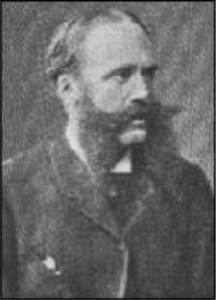
Richard von Volkmann (1830-1889) (Figure 1)
CST2017-232-ValerijusOstapeko_F1

Figure 1. R. Volkmann

Volkmann was the one of the most prominent German surgeons and scientists, Professor of Surgery and head of the Department of Surgery at the University of Halle

A. Original Volkmann breast cancer operation

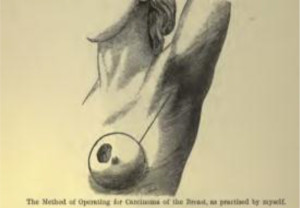
In 1875, Volkmann introduced new technique for treating breast cancer; he removed the entire breast, liberal piece of skin, pectoral fascia, performed axillary nodes dissection in cases of their enlargement. I make it a rule never to do a partial amputation for cancer of the breast, but remove entire breast, even for a smallest tumors, and at the same time I take away a liberal piece of skin. The skin- defect is, of course, very great when operates in this manner, and the wound, requires a long time for healing; the fascia of the muscle is, accordingly, entirely removed. Volkmann stressed the scientific background of operation: I was led to adopt this procedure because on microscopical examination I repeatedly found when I had not expected it that the fascia was already carcinomatous, whereas the muscle was certainly not involved. It seems to me, therefore, that the fascia serves for a time as a barrier, and is able to bring to a halt the spreading growth of the carcinoma [2, 9]. In his book Beck wrote: Since Volkmann found, on microscopic examination, that even in small and superficially located carcinomatous growths of the mammary gland, the fascia was generally involved, he was naturally led to the conclusion that removal of the tumor alone was an insufficient procedure. [10] According to Halsted and Rodman Volkmann probably was the first to remove the pectoralis muscles-major, in a series of thirty-eight cases, minor in a much smaller number [2, 11]. In 1883, during the 12th Congress of the German Surgical Society, Gussenbauer, Langenbeck and Winiwater, discussing Küster’s presentation, stated: a routine axillary dissection should be done in all patients regardless of the presence or absence of palpable nodes. [4] (Figure 2).
CST2017-232-ValerijusOstapeko_F2

Figure 2. Mastectomy by Gross Tumors of the breast.
Rights: Public Domain, Google-digitized.

Volkmann operation with routine axillary dissection

Since 1883, Volkmann operation with routine axillary dissection becomes the classic operation for treatment of BC. According to our classification of mastectomy, the original Volkmann operation was simple or total mastectomy, in case of axillary dissection – MRM.

 In 1894, Halsted wrote: So convinced was Volkmann of the accuracy of his observations and of the truth of his theory that he prescribed a method of operating, which he followed until his death, and which has been adopted by almost every good surgeon up to the present time; his (Volkmann) operation is a classical one [2]. According to Volkmann, “radical cure” was applied to cases that have remained alive and free from recurrence for at least three years after operation [12].

Summary

  1. In 1875, original Volkmann operation (removal of the breast, pectoral fascia, axillary nodes dissection in cases of their enlargement) was inroduced.
  2. Since 1883, Volkmann operation with routine axillary dissection become the standard of BC treatment in Germany.

Samuel Weissel Gross (1837-1889)

Gross was a prominent American scientist and surgeon, a President of the Pathological Society of Philadelphia, Vice-President of the Philadelphia Academy of Surgery

In 1880, in his book Gross described new technique of operation: …Within the past seven months , however, I have adopted the principles which I have just enunciated, that is to say, I removed the mamma and its coverings bodily, dissected off the pectoral fascia, and cleaned out the axilla in five cases, and all recovered [13]. In 1888, Gross wrote: The rule to remove the axillary contents in every case should be absolute. I have obtained 21. 05 %, of cures [14].

In his book Rodman stressed: It should not be forgotten, however, that Gross advised and practised removing the pectoral fascia in 1879, and that Volkmann had done so in 1875 [15].

Summary

  1. In 1879, Gross introduced new technique for treatment BC in the USA.
  2. Gross removed the breast, dissected the pectoral fascia, performed routine dissection of the axilla. It was a Volkmann operation with routine axillary dissection.

Sir William Mitchell Banks (1842–1904)

Banks (1842–1904) was a Scottish surgeon and scientist, Professor of Anatomy Liverpool University, and Vice-Presidents of section of surgery British Medical Association

In 1882, Banks wrote: About three years ago (1879), I came to the conclusion, that, in every case where the breast is removed, the axilla should be cleared [16]. Butlin emphasized the main propositions of Banks’s techniques: “In every case of BC the operation should comprise removal of the whole mamma, of the skin covering it, and of the fascia over the pectoral muscle. The axilla should be opened and the contents cleared out, whether enlargement of the glands can be detected or not [17]. In 1900, Banks described the main points of the complete operation technique, presented results of treatment, published the intraoperative images made by his house-surgeon Dr. Arkle: Now, the first four series comprise 175 patients and of these 108 have remained free from local recurrence. Of the 108 there have lived 73 over three years (three-year survival – 67. 6 %) [18, 19]. (Figure 3).

CST2017-232-ValerijusOstapeko_F3

Figure 3. W Banks in public domain

Summary

  1. In 1879, Banks introduced new operation for treatment breast cancer in the UK
  2. Banks removed the breast, dissected the pectoral fascia, performed routine dissection of the axilla. It was Volkmann operation with routine axillary dissection

Frederic Shepard Dennis (1850-1934)

Surgeon, Professor of Principles and Practice of Surgery, Bellevue Hospital Medical College, President of the American Surgical Association

In 1891, Dennis described the main steps of his technique: I am removing in every case, the entire breast with pectoral fascia and the lymphatic glands [20].

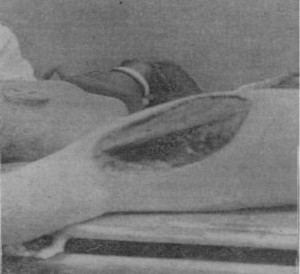
In 1896, Dennis published a summary of all BC cases operated no later than 1891: Of the 74 cases of pure carcinoma of the breast, the subsequent history of 41 is known, and 3 of these have not yet reached the three years’ limit of time. In these 38 cases there are 17 cases in which a permanent recovery has taken place, allowing the three years’ standard of time to have been reached. This gives 45%, of permanent cures…and a little over 5 per cent of local recurrences. Since the publication of the last statistics in 1891; he has had 15 cases of pure carcinoma of the breast, with no mortality from the operation itself. There are, therefore, 12 cases in which the full subsequent histories are known; two of them suffered from a recurrence of the disease and the remaining 10 have passed the three years’ limit of time. This gives 83 %, of permanent cures in cancer of the breast in the last 15 consecutive cases [21] (Figure 4).
CST2017-232-ValerijusOstapeko_F4

Figure 4. Removed breast [18]

Summary

  1. Dennis removed the entire breast with pectoral fascia and the lymphatic glands. It was Volkmann operation with routine dissection of axillae

Meeting of the American Surgical Association (ASA) in 1891

In 1891, during the meetings of the ASA well known European, Canadian and American surgeons took part in the discussion on recurrence of BC. Dennis presented a key lecture, in which he said: 75 % of recurrences is high, but it represents approximately the general average, if all the cases are taken into consideration. These figures include cases where incomplete operations performed, that is to say, where the axilla was not open. I am a strong advocate of always removing in every case, to which there is no exception, the entire breast, with the pectoral fascia and the lymphatic glands, as the minimum operation in the most insignificant scirrhus…Dr. Halsted has beautifully demonstrated that the pectoral fascia is involved in many cases of carcinoma of the breast, although to the naked eye, or to the sense of touch, this infiltration may not be apparent… In order to secure immunity from the disease in every case, it is necessary to adopt a radical operation as routine treatment in all cases… Chiene takes a flap from the arm to cover the wound. Stiles, assistant to the Professor of Surgery Chiene suggested a new and reliable method of testing the radical character of an operation by acidum nitrictim, for about ten minutes… The recurrence of carcinoma of the breast influenced by the histological type of the carcinoma itself… A study of the cases of recurrence of carcinoma of the breast shows it to occur „under or close to the scar. Von Winiwarter has also demonstrated that in Billroth’s cases the recurrences originated in the scar tissues. . [20] (Figure 5).
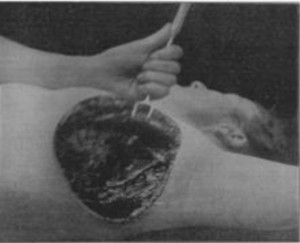
CST2017-232-ValerijusOstapeko_F5

Figure 5. Dissected axillae [19].

Summary

  1. In 1891, during ASA meeting participants stressed the necessity of the removing of whole breast, pectoral fascia, and of regular cleaning of axillae. It was Volkmann operation with routine dissection of axillae

In the end, we would like to present the original scan from the article, published by Dowd (President of the New York Surgical Society) in 1894. In article the authentic name of Volkmann’s operation, is presented. [22]
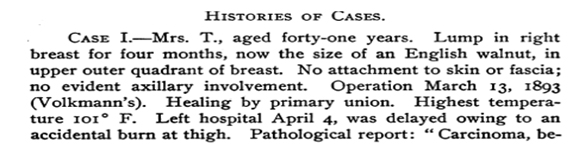
CST2017-232-ValerijusOstapeko_F6

Results

The initial (1880-1881) 3-years results of Volkmann operation without routine dissection of axillae operation were not impressive: Volkmann (1880) -17. 8%, Kuster (1881)-21. 5%, Konig (1881)-22. 5 % [12, 23]. In 1883-1894, after introducing Volkmann operation with regular cleaning of axillae, 3-years results were significantly improved: Dennis – 45. 0 % (1891), May – 35. 0 % (1893), Dennis-77. 0 % (1895), average of Rotter, Helferich, Cheyney – 42. 5 % (1896), Banks – 67. 59 % (1900) [22, 23].

Retrospectively, the latest results of Volkmann’s operations with regular dissection of axilla were similar with the results of radical Halsted mastectomy.

The pre-Halstedian period of BC history was chracrerized by significantly high scientific level. The results of BC treatment, techniques of operations, the causes of recurrencies, recommendation on early detection were published, analyzed and discussed; new technique of mastectomies were introduced; prominent European surgeons and scientists presented their innovations in the meetings of ASA. In 1965, Madden presented modified radical mastectomy with removing breast, pectoral fascia, dissection of axillae and preserving pectoral muscle and reintroduced Volkmann’s operation. Even today, 142 years after it introduction, MRM – Volkmann’s operation is a standard of breast cancer management.

Conclusions

The period of pre- Halstedian BC history, Volkmann breast operation, the names of prominent European and American surgeons were forgotten, and our duty to reintroduce it.

Funding: All of authors have no conflicts of interest to disclose.

Competing interests: The authors declare that they have no competing interests.

Authors’ contribution VO is the main author: AO- contributed to the review of manuscript. EO-carried out the literature search. All authors read and approved the final manuscript.

Highlights

  1. The pre-Halstedian period of Breast cancer history was chracrerized by significantly high scientific level
  2. The Volkmann’s operations with regular dissection of axilla was the gold standard of breast cancer treatment
  3. This period of breast cancer history, Volkmann breast operation, the names of prominent European and American surgeons were forgotten.

References

  1. Cheyne WW (1894) An Address on the Treatment of Cancer of the Breast: Delivered before the Harveian Society of London. Br Med J 1: 289–291. [crossref
  2. Halsted WS (1894) The results of operation for the cure of cancer of the breast performed at the Johns Hopkins Hospital from June 1889 to January 1894. Ann Surg 20: 497–55.
  3. Meyer W (1894) An improved method for the radical operation for carcinoma of the breast. Med Rec NY 46: 746–49.
  4. Madden JL, Kandalaft S, Bourque RA (1972) Modified radical mastectomy. Ann Surg 175: 624–634. [crossref
  5. Achincloss H (1963) Significance of location and number of axillary metastases in carcinoma of the breast: a justification for a conservative operation. Ann Surg 158: 37–46.
  6. Policy Statement on Surgical Treatment of Breast Cancer American Cancer Society (1973) CA Cancer J Clin 23: 341–43.
  7. The treatment of primary breast cancer: management of local disease (1979) NIH Consens Statement Online 2: 29–30.
  8.  Moore CH (1867) On the Influence of Inadequate Operations on the Theory of Cancer. Med Chir Trans 50: 245–280. [crossref]
  9. Dennis FS (1896) Diseases of the female breast.In: Dennis FS, Billings JS, editors. System surgery, v. IV, New York and Piladelphia: Lea Brothers 927–928.
  10. Beck C (1907) Diseases of the breast.In: Beck C, editor. Surgical disease of the chest, Philadelphia: P Blakistone’s Son 321.
  11. Rodman WL (1908) Diseases of the breast, with special reference to cancer. Philadelphia: P Blakiston’s Son
  12. Williams WR (1894) Treatment of acinous cancer. In: Williams WR editor. Monograph on diseases of the breast their pathology and treatment with special reference to cancer. London: John Bale and Sons 364.
  13. Gross SW (1888) Tumors of the breast. In: Mann MD editor. A system of gynecology by American authors.v.2, Philadelphia: Lea Brothers 314.
  14. Gross SW (1888) Tumors of the breast. In: Mann MD editor. A system of gynecology by American authors.v.2. Philadelphia: Lea Brothers 311–318.
  15. Rodman WL (1908) Diseases of the breast, with special reference to cancer. Philadelphia: P Blakiston’s Son: 273
  16. Banks WM (1882) On free removal of mammary cancer with extirpation of the axillary glands as a necessary accompaniment. Br Med J 2: 1138–41.
  17. Butlin HT (1887) On the operative surgery of malignant diseases. London J. & A. Churhill 359–388.
  18. Banks W (1900) The Lettsomian Lectures being Practical Observations on Cancer of the Breast: Delivered before the Medical Society of London. Br Med J 1: 817–24.
  19. Banks WM (1902) A Brief history of the operations practiced for cancer of the breast. Br Med J 1: 5–10.
  20. Dennis FS (1891)Recurrence of carcinoma of the breast. Transactions of the American Surgical Association 9: 221 – 29.
  21. Dennis FS (1896) Diseases of the female breast. In: Dennis FS, Billings JS editors. System surgery, v. IV, New York and Piladelphia: Lea Brothers 931–32.
  22.  Dowd CN (1898) III. A Study of Twenty-nine Cases of Cancer of the Breast submitted to Operation. Ann Surg 27: 285–302. [crossref]
  23. May B (1897) The Ingleby Lectures on the Operative Treatment of Cancer of the Breast. Br Med J 149: 1456–58
Lymphoma Involving the Heart and Inferior Vena Cava: Radiological and Pathological Approach

DOI: 10.31038/CST.2017262

Abstract

Primary Cardiac Lymphoma (PCL) is a very rare condition accounts for 2% of all primary cardiac tumours. This is a case report of a 76 year old male patient with shortness of breath, cough and pyrexia of unknown origin for 2 months. In the initial diagnostic workup, echocardiography revealed aortic and mitral regurgitation with no pericardial effusion. With the development of right sided pleural effusion about one month after the initial presentation, ultrasound scan guided pleural fluid aspiration performed. Pleural fluid culture revealed no bacterial growth. Second echocardiography showed no flow in the Superior Vena Cava (SVC) and suspected of a thrombus. Contrast enhanced Computed Tomography scan of the chest demonstrated a mass lesion in the right heart and distal inferior vena cava (IVC). The lesion was compressing the SVC without complete obstruction. The pericardium was intact with no pericardial effusion. No mediastinal lymphadenopathy identified. Initial differential diagnosis was leiomyosarcoma of the distal IVC extending in to the right heart. As there was no pericardial involvement, possibility of lymphoma was made as a remote cause. Subsequently digital subtraction angiography guided biopsy performed from the mass in the distal IVC and right atrium. Diffuse lymphoma was confirmed on histology. As there were no Hodgkin cells in the sample, probable diagnosis of Non-Hodgkin’s lymphoma was made. Subsequently patient died due to cardiovascular compromise before starting specific therapy.

Keywords

Cardiac lymphoma, Inferior vena cava, Radiological imaging, Histological diagnosis

Introduction

Primary Cardiac Lymphoma (PCL) is a very rare condition usually of B-cell non-Hodgkin’s type. They account for 2% of all primary cardiac tumours and 1% of extranodal lymphomas [1, 2]. They are usually diffuse large cell lymphomas manifest as an ill-defined, infiltrative mass [3]. PCL are more commonly seen in immunocompromised states, either iatrogenic including those associated with solid organ or bone marrow transplantation or HIV related and these are usually associated with EBV infection. Lymphomas in immunocompetent individuals are extremely rare [4]. As there are no specific clinical symptoms, the clinical diagnosis of the condition is difficult. Typically when B symptoms develop, (fever, weight loss, fatigue common in lymphoid malignancies), progressive heart failure will ensue in these patients [5]. However advanced cross sectional imaging modalities allowed early and accurate detection of primary cardiac malignancies [6]. The definitive diagnosis of the condition needs histological evaluation of the tumour. One of the accessible diagnostic method is transoesophageal echocargiography-guided transjugular biopsy, which has a relatively low risk of complications [7]. Endomyocardial biopsy via percutaneous cardiac approach is also another approach for histological diagnosis [8].

We present a case of lymphoma arising in the heart with extension in to the superior and inferior vena cava.

Case Report

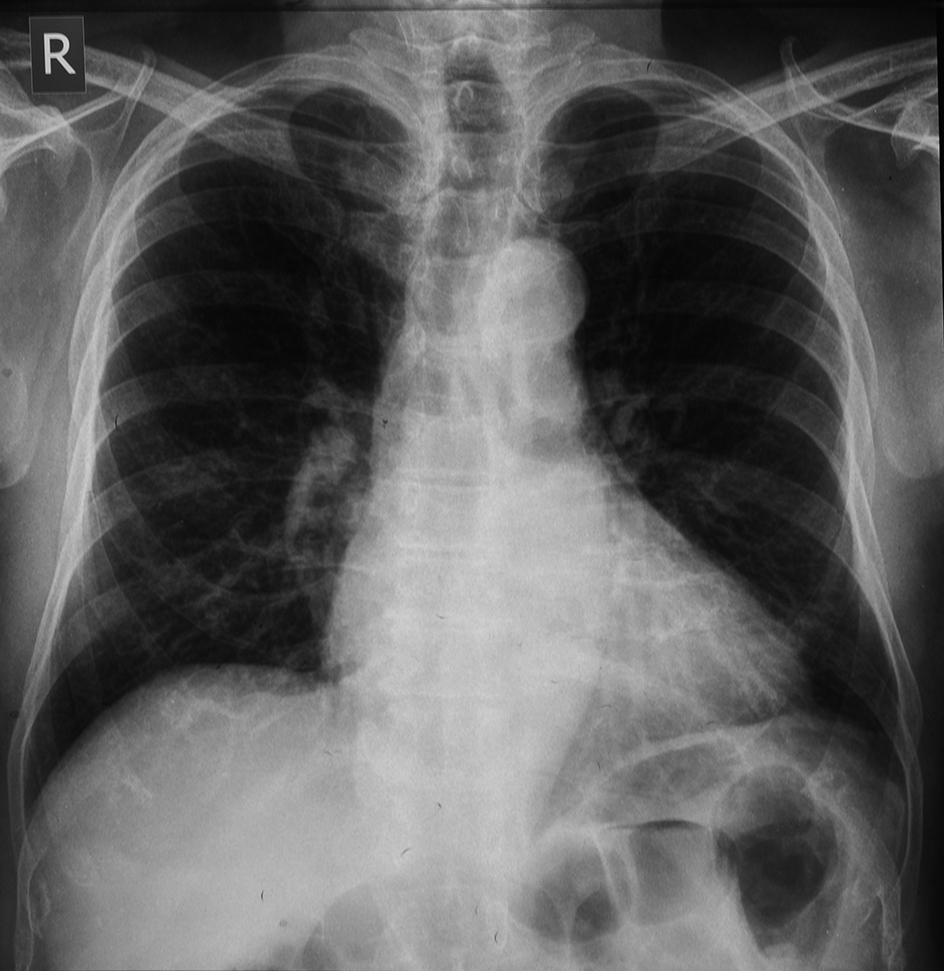
A 76 year old male was initially investigated for shortness of breath and cough of 2 months duration in a specialized hospital for respiratory disease. On initial presentation the patient was not dyspnoeic but found to have 94% of saturation of oxygen in blood. Bilateral ankle oedema was evident at that time. The blood pressure was normal on admission to the hospital. During hospital stay patient develops mild fever episodes intermittently. Sputum culture and blood culture were negative during the febrile illness. Subsequently patient underwent trans oesophageal echocardiography suspecting infective endocarditis, and it revealed grade ii aortic regurgitation and mitral regurgitation. There was no evidence of pericardial effusion or features of congestive cardiac failure Figure 1.

CST2017-235-Srilanka_f1

Figure 1.

About a month following initial presentation the patient develops right sided pleural effusion and then ultrasound scan guided pleural fluid aspiration was performed. There were 3.8g/dl of protein and 80% of lymphocytes in the pleural fluid. However there was no evidence of bacterial growth or acid fast bacilli in the pleural fluid.

Again patient was send for cardiology opinion and underwent 2 dimensional Echocardiogram which revealed no flow in the Superior Vena Cava (SVC) with suspicion of a thrombus in the SVC extending in to the right ventricle. Right atrium was dilated at that time. Then the patient was transferred to the National Hospital of Sri Lanka (NHSL) for further evaluation and management Figure 2.

CST2017-235-Srilanka_f2

Figure 2.

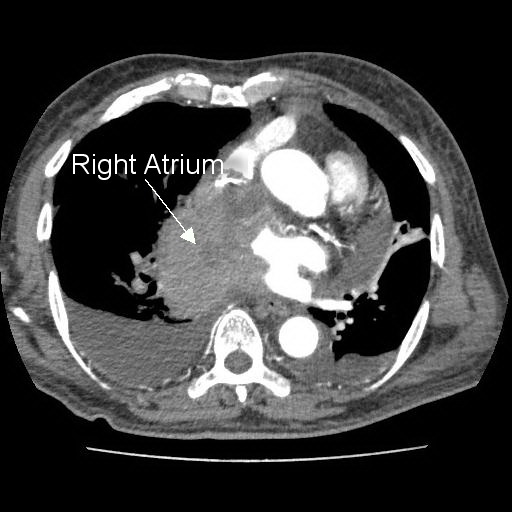
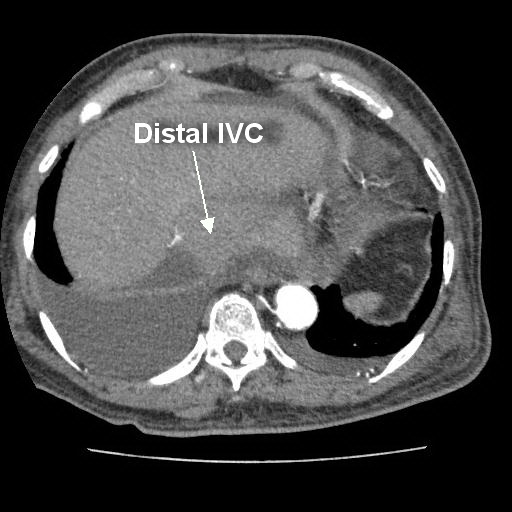
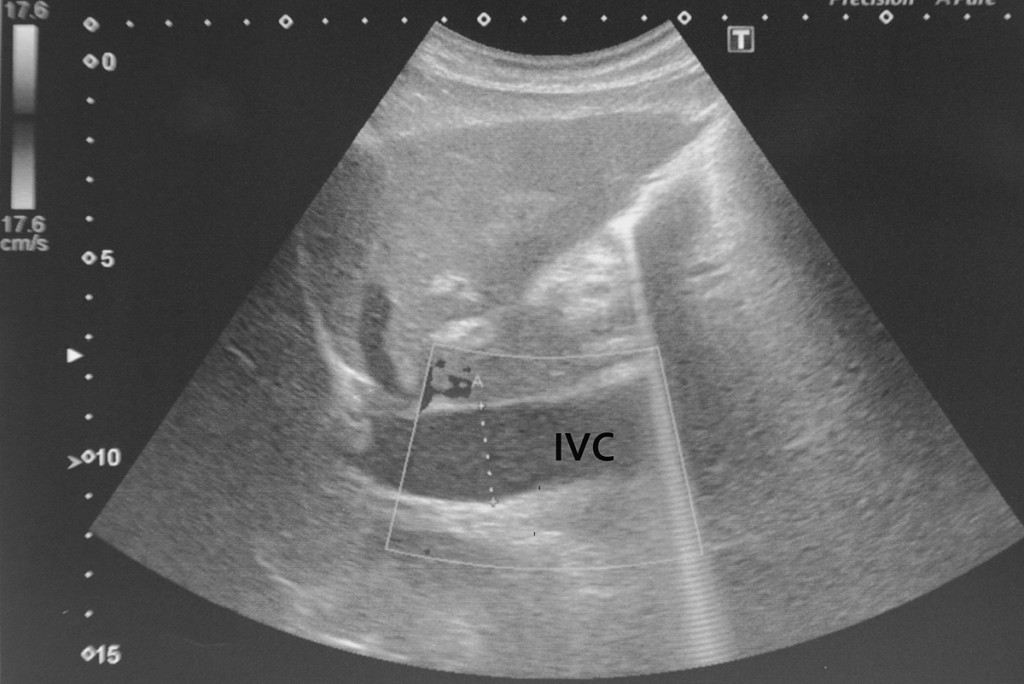
A contrast enhanced Computed Tomography (CT) scan of the chest performed in the NHSL and detected a contrast enhancing mass lesion with few hypodence areas within the lesion involving the distal inferior vena cava (IVC), right atrium and right ventricle. The lesion was appear to compress the distal SVC without complete obstruction of the lumen. Right main pulmonary artery was pushed superiorly by the mass lesion without significant luminal narrowing. The pericardium was not involved by the lesion and there was no pericardial effusion. There was bilateral pleural effusion on CT scan. There was no significant hilar or mediastinal lymphadenopathy. In conclusion differential diagnosis of leiomyosarcoma of the distal IVC extending in to the right atrium and right ventricle was made. As there was no pericardial effusion or pericardial involvement by the mass lesion, the possibility of lymphoma was made as a remote possibility Figure 3.

CST2017-235-Srilanka_f3
CST2017-235-Srilanka_f3b

Figure 3.

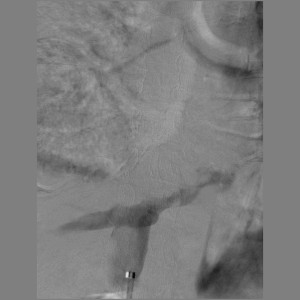
Subsequently the patient referred for digital subtraction angiography guided biopsy of the mass lesion in the distal IVC and right atrium. With right femoral vein puncture the venous access gained and IVC catheterization was performed. Five biopsy samples were obtained using 10 F guiding catheter and an Alligator forceps Figure 4.

CST2017-235-Srilanka_f4

Figure 4.

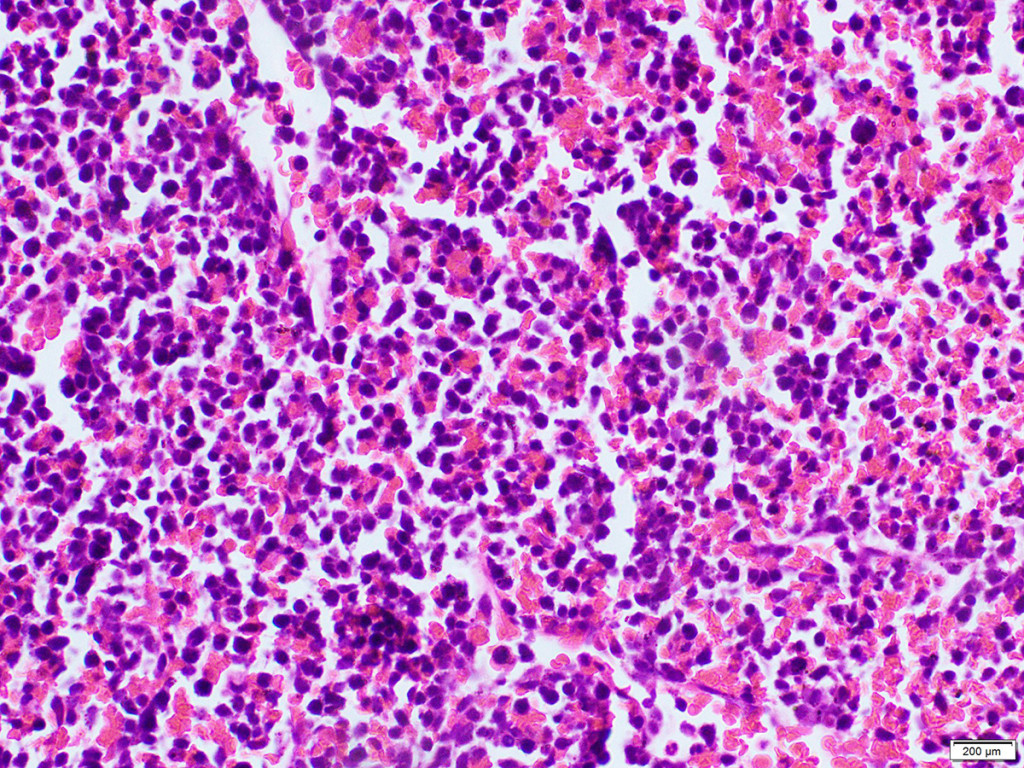
On histological assessment with haematoxylin and eosin staining there were sheets of discohesive medium to large lymphoid cells with enlarged hyper chromatic nuclei and narrow rim of cytoplasm. Mitoses were frequently found. Immunohistochemistry (IHC) with Leukocyte Common Antigen (LCA) revealed strong membranous positivity in all lymphocytes. Diffuse lymphoma was confirmed by histology. As there were no Hodgkin cells in the biopsy, probable diagnosis of Non-Hodgkin type lymphoma was made [Figure 5 & 6].

CST2017-235-Srilanka_f5

Figure 5.

CST2017-235-Srilanka_f6

Figure 6.

Subsequently the patient was transferred to The National Cancer Institute, Sri Lanka for further management. However the patient died from cardiac arrest before starting specific therapy.

Discussion

Primary cardiac lymphoma (PCL) is a very rare condition. On histology they are usually of B-cell non-Hodgkin’s type lymphoma. The most frequent location of PCL is the right atrium, followed by the pericardium. Signs and symptoms are non-specific and depend on the location and extent of the tumour; these include right-sided heart failure, precordial pain, arrhythmias, conduction disorders and cardiac tamponade [7]. In literature there is a case of atypical presentation of ischemic hepatitis in a young adult with PCL, which highlights the wide variety of clinical manifestations of this rare tumour [9].

In our patient the initial presentation was nonspecific and the disease progressed rapidly. Radiological imaging played major role in the identification and sampling of the tumour. The diagnosis of diffuse lymphoma was confirmed by histology with probable diagnosis of Non-Hodgkin lymphoma.

The most effective treatment method for cardiac lymphoma is chemotherapy. Palliative surgery may be necessary to correct haemodynamics when venous blood flow to the lungs is disturbed [10]. Guilherme HO, et al. concluded in their study that cardiac lymphomas had worse survival compared with extra-cardiac lymphomas [11].

Unfortunately this patient died due to cardiovascular compromise before starting chemotherapy or palliative surgery.

Take home message: Primary cardiac lymphoma is a rare entity with nonspecific clinical presentation which may mislead the early diagnosis and prompt treatment. Radiological and histological evaluation plays major role in the diagnosis of this condition.

Limitation: In our local setting immuno-histochemical analysis was not available freely and therefore the diagnosis of definite subtype of the lymphoma was limited.

Ethical Consideration: Informed consent was taken from the relatives of the patient for publication of the case report.

References

  1. Fernandes F, Soufen HN, Ianni BM, Arteaga E, Ramires FJ, et al. (2001) Primary neoplasms of the heart. Clinical and histological presentation of 50 cases. Arq Bras Cardiol 76: 231–237. [crossref
  2. Lam KY, Dickens P, Chan AC (1993) Tumors of the heart. A 20-year experience with a review of 12,485 consecutive autopsies. Arch Pathol Lab Med 117: 1027–1031. [crossref
  3. Jean Jeudy, et al. (2012) From the Radiologic Pathology Archives, Cardiac Lymphoma: Radiologic Pathologic Correlation. RadioGraphics 32:1369–1380
  4. Bagwan IN, et al. (2009) Unusual presentation of primary cardiac lymphoma. Interactive CardioVascular and Thoracic Surgery 9: 127–129
  5. Shah K, Shemisa KA (2014) “low and slow” approach to successful medical treatment of primary cardiac lymphoma. Cardiovasc Diagn Ther 4:270–273
  6. Seok JR, Byoung WC, Kyu OC (2001) CT and MR findings of primary cardiac lymphoma: Report upon 2 cases and review. Yonsei Medical Journal 42: 451–456
  7. Angela FC, et al. (2003) Primary Cardiac Lymphoma: Diagnosis by transjugular biopsy. Rev Esp Cardiol 56:1141–4
  8. Jung YC, et al. (2009) Extensive primary cardiac lymphoma diagnosed by percutaneous endomyocardial biopsy. J Cardiovasc Ultrasound 17:141–144
  9. Yuan JS, et al. (2012) Acute ischemia hepatitis as a major clinical presentation of the primary cardiac lymphoma. J Emerg Crit Care Med 3: 118–23.
  10. Jonavicius K, et al. (2015) Primary cardiac lymphoma: two cases and a review of literature. Journal of Cardiothoracic Surgery 10:138
  11. Guilherme HO, et al. (2017) Characteristics and Survival of Malignant Cardiac Tumors: A 40-Year Analysis of Over 500 Patients.

Evaluation of an Inverse Molecular Design Algorithm in a Model Binding Site as An In silico predicted and computer-aided molecular designed HIV-1 protease CTLA-4 blockador for the increasement of the antigen-specific W191G mutant of cytochrome c peroxidase CD8+ T-cells to the inprevaccinated patients with melanoma using new cluster of algorithms for Large-Scale Protein-Ligand Docking experiments

Abstract

Computational molecular design is a useful tool in modern drug discovery. Virtual screening is an approach that docks and then scores individual members of compound libraries. In contrast to this forward approach, inverse approaches construct compounds from fragments, such that the computed affinity, or a combination of relevant properties, is optimized. We have recently developed a new inverse approach to drug design based on the dead-end elimination and A* algorithms employing a physical potential function. This approach has been applied to combinatorially constructed libraries of small-molecule ligands to design high-affinity HIV-1 protease inhibitors [M. D. Altman et al. J. Am. Chem. Soc. 130: 6099–6013, 2008]. Here we have evaluated the new method using the well studied W191G mutant of cytochrome c peroxidase. This mutant possesses a charged binding pocket and has been used to evaluate other design approaches. The results show that overall the new inverse approach does an excellent job of separating binders from non-binders. For a few individual cases, scoring inaccuracies led to false positives. The majority of these involve erroneous solvation energy estimation for charged amines, anilinium ions and phenols, which has been observed previously for a variety of scoring algorithms. Interestingly, although inverse approaches are generally expected to identify some but not all binders in a library, due to limited conformational searching, these results show excellent coverage of the known binders while still showing strong discrimination of the non-binders. Anti-cytotoxic T-lymphocyte antigen-4 (CTLA-4) antibodies, such as ipilimumab, have generated measurable immune responses to Melan-A, NY-ESO-1, and gp100 antigens in metastatic melanoma. Vaccination against such targets has potential forimmunogenicity and may produce an effector memory T-cell response. It has been previously determined the effect of CTLA-4 blockador on antigen-specific responses following vaccination. In-depth immune monitoring was performed on three ipilimumab-treated patientsprevaccinated with gp100 DNA (IMF-24), gp100209–217 and tyrosinase peptides plus GM-CSFDNA (IMF-32), or NY-ESO-1 protein plus imiquimod (IMF-11). In previous studies it was shown that peripheral blood mononuclearcells were analyzed by tetramer and/or intracellular cytokine staining following 10-day culturewith HLA-A*0201-restricted gp100209–217 (ITDQVPFSV), tyrosinase369–377 (YMDGTMSQV),or 20-mer NY-ESO-1 overlapping peptides, respectively. It has also been evaluated on the PDBbind v2012 core set where istar platform combining with RF-Score manages to reproduce Pearson’s correlation coefficient and Spearman’s correlation coefficient of as high as 0.855 and 0.859 respectively between the experimental binding affinity and the predicted binding affinity of the docked conformation. Here, we have discovered for the first time an in silico predicted and computer-aided molecular designed CTLA-4 (YMDGTMSQV) mimic blockador for the increasement of the antigen-specific CD8+ T-cells to the inprevaccinated patients with melanoma.

Keywords

Evaluation, Inverse Molecular Design Algorithm, Model Binding Site, In silico predicted, computer-aided molecular designed CTLA-4 blockador, increasement, antigen-specific CD8+ T-cells, inprevaccinated patients, melanoma, new cluster, algorithms, Large-Scale Protein-Ligand Docking experiment, inverse design, scoring function, protein-ligand interaction, cytochrome c peroxidase, dead-end elimination, drug design.

Quantum mechanically derived AMBER-compatible Algebraically in silico discovery of a multi-epitope mimic poly-pharmacophore to Multiple Peptides Derived from Cancer-Testis Antigens as a promising anti-tumor pharmaco-agent for the maintance of a Specific T-cell Response in Long-term Vaccinated patients Advanced Biliary Tract Cancer using a parallel Cloud computing for protein-ligand binding site comparison for structural proteome-wide ligand-binding site comparisons

Abstract

Molecular mechanics (MM) methods are computationally affordable tools for screening chemical libraries of novel compounds for sites of P450 metabolism. One challenge for MM methods has been the absence of a consistent and transferable set of parameters for the heme within the P450 active-site. Experimental data indicates that mammalian P450 enzymes vary greatly in the size, architecture, and plasticity of their active sites. Thus, obtaining x-ray based geometries for the development of accurate MM parameters for the major classes of hepatic P450 remains a daunting task. Our previous work with preliminary gas-phase quantum mechanics (QM) derived atomic partial charges, greatly improved the accuracy of docking studies of raloxifene to CYP3A4. Different patterns for substrate docking are also observed depending on the choice of heme model and state. Newly parameterized heme models are tested in implicit and explicitly solvated MD simulations in the absence and presence of enzyme structures, for CYP3A4, and appear to be stable on the nanosecond simulation timescale. The new force field for the various heme states may aid the community for simulations of P450 enzymes and other heme containing enzymes. The prognosis of patients with advanced biliary tract cancer (BTC) is extremely poor and thereare only a few standard treatments. We conducted a phase I trial to investigate the safety, immune response,and antitumor effect of vaccination with four peptides derived from cancer-testis antigens, with a focus ontheir fluctuations during long-term vaccination until the disease had progressed. A unified statistical model to support local sequence order independent similarity searching for ligand-binding sites and its application to genome-based drug discovery. Bioinformatics, 25, i305–i312.]. These algorithms have been extensively benchmarked and shown to outperform most existing algorithms. Moreover, several predictions resulting from SMAP-WS have been validated experimentally. Thus far SMAP-WS has been applied to predict drug side effects, and to repurpose existing drugs for new indications. SMAP-WS provides both a user-friendly web interface and programming API for scientists to address a wide range of compute intense questions in biology and drug discovery. Here, we have for the first time discovered a multi-epitope mimic poly-pharmacophore to Multiple Peptides Derived from Cancer-Testis Antigens for the maintance of a Specific T-cell Response in Long-term Vaccinated patients with Advanced Biliary Tract Cancer using the BiogenetoligandorolTM based SMAP-WS chemical informatic parallel web service for structural proteome-wide ligand-binding site comparison.

Keywords

Algebraically in silico discovery, multi-epitope, mimic, poly-pharmacophore, Multiple Peptides, Cancer-Testis, Antigens, anti-tumor, pharmaco-agent, Specific T-cell Response, Long-term, Vaccinated patients, Advanced Biliary Tract Cancer, parallel web service, structural proteome-wide, ligand-binding site, comparison, Cytochrome P450 enzymes, heme force field parameters, molecular mechanics, RESP charges, AMBER, drug-metabolism,

Evaluation of an Inverse Molecular Design Algorithm in a Model Binding Site in silico designed dosimetric autologous living vaccine consisting of with Multiple Wilms’ Tumor 1 WT1-ConSynthetic–Restricted Peptide mimotopic Epitopes RMFPNAPYLP pulsed dendritic cells on a personalized Active Network analysis for asymptomatic or minimally symptomatic metastatic Pancreatic Cancer

Abstract

Computational molecular design is a useful tool in modern drug discovery. Virtual screening is an approach that docks and then scores individual members of compound libraries. In contrast to this forward approach, inverse approaches construct compounds from fragments, such that the computed affinity, or a combination of relevant properties, is optimized. We have recently developed a new inverse approach to drug design based on the dead-end elimination and A* algorithms employing a physical potential function. This approach has been applied to combinatorially constructed libraries of small-molecule ligands to design high-affinity HIV-1 protease inhibitors [M. D. Altman et al. J. Am. Chem. Soc. 130: 6099–6013, 2008]. Here we have evaluated the new method using the well studied W191G mutant of cytochrome c peroxidase. This mutant possesses a charged binding pocket and has been used to evaluate other design approaches. The results show that overall the new inverse approach does an excellent job of separating binders from non-binders. For a few individual cases, scoring inaccuracies led to false positives. The majority of these involve erroneous solvation energy estimation for charged amines, anilinium ions and phenols, which has been observed previously for a variety of scoring algorithms. Interestingly, although inverse approaches are generally expected to identify some but not all binders in a library, due to limited conformational searching, these results show excellent coverage of the known binders while still showing strong discrimination of the non-binders. An in silico designed dosimetric autologous living vaccine consisting of with Multiple Wilms’ Tumor 1 WT1-ConSynthetic–Restricted Peptide mimotopic Epitopes RMFPNAPYLP pulsed dendritic cells on a personalized Active Network analysis for asymptomatic or minimally symptomatic metastatic Pancreatic Cancer.

Keywords

Evaluation, Inverse Molecular Design Algorithm, Model Binding Site, in silico designed, dosimetric, autologous living vaccine, Multiple Wilms’ Tumor 1 WT1-ConSynthetic–Restricted, Peptide, mimotopic Epitopes, RMFPNAPYLP pulsed, dendritic cells, personalized, Active Network, analysis, asymptomatic, minimally, symptomatic metastatic, Pancreatic Cancer, inverse design, scoring function, protein-ligand interaction, cytochrome c peroxidase, dead-end elimination, drug design,

Experimental superposition of orders of quantum gatesAn in silico designed dosimetric autologous living vaccine consisting of with Multiple Wilms’ Tumor 1 WT1-ConSynthetic–Restricted Peptide mimotopic Epitopes RMFPNAPYLP pulsed dendritic cells on a personalized Active Network analysis for asymptomatic or minimally symptomatic metastatic Pancreatic Cancer

Abstract

Quantum mechanics has long been recognized as a counter-intuitive theory, with ideas such as wave-particle duality, quantum superposition and entanglement defying our natural way of thinking. In recent years, these sorts of uniquely quantum properties are being exploited to develop revolutionary technologies, such as quantum cryptography, quantum metrology and perhaps the most well-known example, quantum computation. In the field of quantum computation, the circuit model was used to show that universal quantum computation is possible1, and the circuit model has since been an incredibly successful tool, leading to important quantum algorithms which greatly outperform their classical counterparts2. The circuit model takes advantage of the fact that quantum mechanics allows for the superposition and interference of quantum bits (qubits) in different states to achieve a computational speed-up. However, in addition to the superpositions of states, quantum mechanics also allows for the superposition of quantum circuits3,4—a feature which is not used in the standard quantum circuit model. Nevertheless, such superpositions of quantum circuits are rapidly becoming central to several foundational research programs studying the role of time and causality in quantum theory5,6,7,8,9. These superpositions of quantum circuits (sometimes called a ‘superposition of causal orders’) give rise to new counter-intuitive quantum predictions, and it has recently been predicted that they could provide quantum computers with even further computational advantages8,10. In particular, superimposing quantum circuits, each with a different gate ordering, can allow one to accomplish a specific computational task with fewer quantum gate uses than a quantum computer which has a fixed-gate order10. Quantum computers achieve a speed-up by placing quantum bits (qubits) in superpositions of different states. However, it has recently been appreciated that quantum mechanics also allows one to ‘superimpose different operations’. Furthermore, it has been shown that using a qubit to coherently control the gate order allows one to accomplish a task—determining if two gates commute or anti-commute—with fewer gate uses than any known quantum algorithm. Here we experimentally demonstrate this advantage, in a photonic context, using a second qubit to control the order in which two gates are applied to a first qubit. We create the required superposition of gate orders by using additional degrees of freedom of the photons encoding our qubits. The new resource we exploit can be interpreted as a superposition of causal orders, and could allow quantum algorithms to be implemented with an efficiency unlikely to be achieved on a fixed-gate-order quantum computer.An in silico designed dosimetric autologous living vaccine consisting of with Multiple Wilms’ Tumor 1 WT1-ConSynthetic–Restricted Peptide mimotopic Epitopes RMFPNAPYLP pulsed dendritic cells on a personalized Active Network analysis for asymptomatic or minimally symptomatic metastatic Pancreatic Cancer.

Keywords

Experimental superposition of orders of quantum gatesAn in silico designed dosimetric autologous living vaccine consisting of with Multiple Wilms’ Tumor 1 WT1-ConSynthetic–Restricted Peptide mimotopic Epitopes RMFPNAPYLP pulsed dendritic cells on a personalized Active Network analysis for asymptomatic or minimally symptomatic metastatic Pancreatic Cancer.

Experimental simulation of Novel procedure quantum tunneling in small Computational Scaffolding systems on tumorigenic stem cell bacterial infected hybrids for the in silico rescaffolding and side-chain optimization on the neutrophil immune defense CAP37 protein

Abstract

It is well known that quantum computers are superior to classical computers in efficiently simulating quantum systems. Here we report the first experimental simulation of quantum tunneling through potential barriers, a widespread phenomenon of a unique quantum nature, via NMR techniques. Our experiment is based on a digital particle simulation algorithm and requires very few spin-1/2 nuclei without the need of ancillary qubits. The occurrence of quantum tunneling through a barrier, together with the oscillation of the state in potential wells, are clearly observed through the experimental results. This experiment has clearly demonstrated the possibility to observe and study profound physical phenomena within even the reach of small quantum computers. Quantum simulation is one of the most important aims of quantum computation ever since Feynman studied the likelihood of simulating one quantum system by another1. Recent years have witnessed fruitful results in the development of quantum computation, and it has been demonstrated that quantum computers can solve certain types of problems with a level of efficiency beyond the capability of classical computers2,3,4,5,6, among which the simulation of the dynamics of quantum systems is especially attractive because of the exponential improvement in computational resources and speeds. Quantum simulation has become a subject of intense investigation and has been realized in various situations, such as system evolution with a many-body interaction Hamiltonian7,8,9,10, the dynamics of entanglement11,12, quantum phase transitions13,14, and calculations of molecular properties15,16,17,18,19. Since we live in a dirty environment, we have developed many host defenses to contend with microorganisms. The epithelial lining of our skin, gastrointestinal tract and bronchial tree produces a number of antibacterial peptides, and our phagocytic neutrophils rapidly ingest and enzymatically degrade invading organisms, as well as produce peptides and enzymes with antimicrobial activities. Some of these antimicrobial moieties also appear to alert host cells involved in both innate host defense and adaptive immune responses.RNAs fold into intricate and precise secondary structures. In this study for the first time we have been evaluted experimental simulation of Novel procedure quantum tunneling in small Computational Scaffolding systems on tumorigenic stem cell bacterial infected hybrids for the in silico rescaffolding and side-chain optimization on the neutrophil immune defense CAP37 protein.

Keywords

Novel procedure Computational Scaffolding, tumorigenic stem cell, bacterial infected hybrids, in silico rescaffolding, side-chain optimization, neutrophil immune defense, CAP37 protein, Experimental simulation, quantum tunneling, small systems.

Demonstration of quantum permutation algorithm with a single photon ququart on Combinatorial learning procedures and graph transformations for the discovery of tumor-like cardiomyocyte derived eletroporated combined hybrids on a Meta-Dynamic Meta-node stemness reconstructing approach for the in silico generation of a anti-(JAM-A) drug-construct

Abstract

As quantum counterpart of classical computer, quantum computer reveals incredible efficiency to execute arithmetic tasks and threatens the security of classical communication. Quantum algorithm is the sole of quantum computation, which shows the amazing power of quantum parallelism and quantum interference. It attracts particular concern to develop new quantum algorithms in recent years. The concept of simulating physics progresses with quantum computers was originated in Richard Feynman’s observation that computers built from quantum mechanical components would be ideally suited to simulating quantum mechanics1. Since then, the first efficient quantum algorithm was proposed by Deutsch in 19852 and generalized by Deutsch and Jozsa in 19873. Lately, an increasing number of practical programs were presented, such as factoring large integer4, Grover’s searching algorithm for database5 and Simon’s exponential acceleration algorithm for the black box problem6. What’s more, Harrow et al. came up with a quantum scheme to decrease the computational complexity of solving linear system of equations from O(n) to log(n) , and this was the first quantum algorithm to work out the most fundamental problems in engineering science7. Some quantum algorithms have been demonstrated in different physical systems, such as ion traps8,9,10,11, superconducting devices12,13,14, optical lattices15,16, quantum dots17,18, and linear optics19,20,21,22,23,24,25. Due to its good scalability, easy-handling and high stability, linear optical system is a good candidate for implementing quantum algorithms.We report an experiment to demonstrate a quantum permutation determining algorithm with linear optical system. By employing photon’s polarization and spatial mode, we realize the quantum ququart states and all the essential permutation transformations. The quantum permutation determining algorithm displays the speedup of quantum algorithm by determining the parity of the permutation in only one step of evaluation compared with two for classical algorithm. This experiment is accomplished in single photon level and the method exhibits universality in high-dimensional quantum computation.Combinatorial learning procedures and graph transformations for the discovery of tumor-like cardiomyocyte derived eletroporated combined hybrids on a Meta-Dynamic Meta-node stemness reconstructing approach for the in silico generation of a anti-(JAM-A) drug-construct.

Keywords

Demonstration, quantum permutation algorithm, single photon, ququart, Combinatorial learning procedures, graph transformations, discovery tumor-like cardiomyocyte, eletroporated, combined hybrids, Meta-Dynamic, Meta-node, stemness, reconstructing, approach, in silico, generation, anti-(JAM-A), drug-construct.

Fast stochastic optimization of a quantum permutation algorithm with a single photon ququart algorithm on DC-tumor like high yield minimal magnetic signatures of electrotransfectioned ex vivo mediated hybrids for the generation of a computer-aided designed candidate drugable Toll-like receptor (Pam2IDG) peptide-domain agonistic agent

Abstract

We report an experiment to demonstrate a quantum permutation determining algorithm with linear optical system. By employing photon’s polarization and spatial mode, we realize the quantum ququart states and all the essential permutation transformations. The quantum permutation determining algorithm displays the speedup of quantum algorithm by determining the parity of the permutation in only one step of evaluation compared with two for classical algorithm. This experiment is accomplished in single photon level and the method exhibits universality in high-dimensional quantum computation. As quantum counterpart of classical computer, quantum computer reveals incredible efficiency to execute arithmetic tasks and threatens the security of classical communication. Quantum algorithm is the sole of quantum computation, which shows the amazing power of quantum parallelism and quantum interference. It attracts particular concern to develop new quantum algorithms in recent years. The concept of simulating physics progresses with quantum computers was originated in Richard Feynman’s observation that computers built from quantum mechanical components would be ideally suited to simulating quantum mechanics1. Since then, the first efficient quantum algorithm was proposed by Deutsch in 19852 and generalized by Deutsch and Jozsa in 19873. Lately, an increasing number of practical programs were presented, such as factoring large integer4, Grover’s searching algorithm for database5 and Simon’s exponential acceleration algorithm for the black box problem6. What’s more, Harrow et al. came up with a quantum scheme to decrease the computational complexity of solving linear system of equations from O(n) to log(n) , and this was the first quantum algorithm to work out the most fundamental problems in engineering science7. Some quantum algorithms have been demonstrated in different physical systems, such as ion traps8,9,10,11, superconducting devices12,13,14, optical lattices15,16, quantum dots17,18, and linear optics19,20,21,22,23,24,25. Due to its good scalability, easy-handling and high stability, linear optical system is a good candidate for implementing quantum algorithms. Here, for the first time we have performed a fast stochastic optimization of a quantum permutation algorithm with a single photon ququart algorithm on DC-tumor like high yield minimal magnetic signatures of electrotransfectioned ex vivo mediated hybrids for the generation of a computer-aided designed candidate drugable Toll-like receptor (Pam2IDG) peptide-domain agonistic agent.

Keywords

Fast stochastic optimization algorithm, DC-tumor like high yield, minimal magnetic signatures, electrotransfectioned ex vivo mediated hybrids, generation, computer-aided, designed candidate, drugable, Toll-like receptor, (Pam2IDG) peptide-domain, agonistic agent, demonstration, quantum permutation, algorithm, single, photon ququart.

Merging and scoring molecular interactions utilising existing community standards: tools, use-cases and a case study of QM/MM in rational drug discovery and molecular diversity for the construction of an anti-alpha-bungarotoxin binding MAP-p6.7 peptide mimetic ligand against nicotinic receptor binding site as a potent snake neurotoxin synthetic antidote.

Abstract

The structure of peptide p6.7, a mimotope of the nicotinic receptor ligand site that binds alpha-bungarotoxin and neutralizes its toxicity, was compared to that of the acetylcholine binding protein. The central loop of p6.7, when complexed with alpha-bungarotoxin, fits the structure of the acetylcholine binding protein (AChBP) ligand site, whereas peptide terminal residues seem to be less involved in toxin binding. The minimal binding sequence of p6.7 was confirmed experimentally by synthesis of progressively deleted peptides. Affinity maturation was then achieved by random addition of residues flanking the minimal binding sequence and by selection of new alpha-bungarotoxin binding peptides on the basis of their dissociation kinetic rate. The MAP peptide binds alpha-bungarotoxin in solution and inhibits its binding to the receptor with a K(A) and an IC(50) similar to the monomeric peptide. Peptidomimetics are designed to circumvent some of the problems associated with a natural peptide: e.g. stability against proteolysis (duration of activity) and poor bioavailability. In this regard, we discuss its potential to become a routinely used drug design tool of QM/MM in rational drug discovery and molecular diversity for the construction of anti-alpha-bungarotoxin binding peptide mimetic antidotes consisting of essential elements with high affinity and promised vivo efficiency.

Keywords

QM/MM, rational drug discovery, molecular diversity, construction, anti-alpha-bungarotoxin, binding peptide, mimetic antidotes, elements, high affinity, MAP-p6.7 peptide mimetic ligand, nicotinic receptor, binding site, potent snake neurotoxin, synthetic antidote, merging, scoring, molecular interactions,